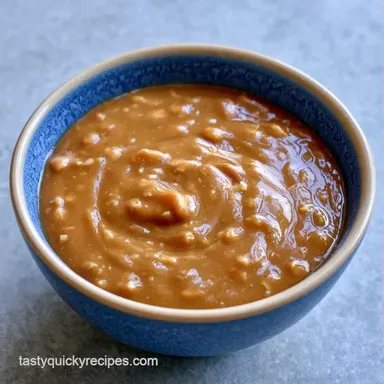
Fresh Spring Rolls Peanut Sauce in 5 Minutes
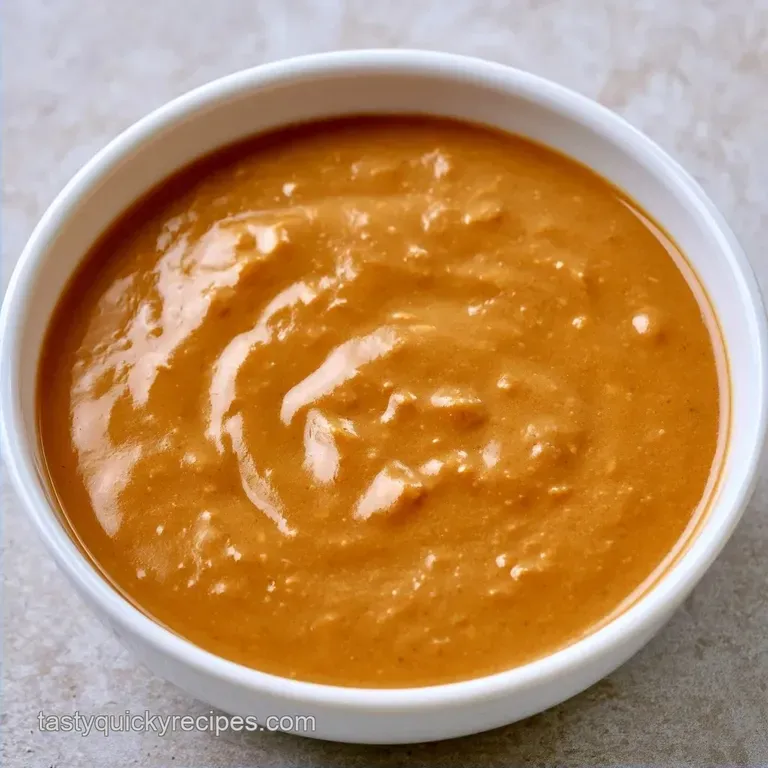
- Time: 5 min active
- Flavor/Texture Hook: Thick, savory, and zesty
- Perfect for: Fast appetizers or a hearty snack
- Making the Best Spring Rolls Peanut Sauce
- What Each Ingredient Does
- Essential Kitchen Tools
- Detailed Recipe Specs
- Putting the Sauce Together
- Solving Common Sauce Issues
- Troubleshooting Common Issues
- Customizing Your Flavor
- Truth About Peanut Sauces
- Storage and Leftover Tips
- What to Serve With It
- Recipe FAQs
- 📝 Recipe Card
Imagine the smell of toasted peanuts and sharp ginger hitting you the second you open the jar. I used to think these sauces had to be simmered for ages to get that deep, concentrated taste. I spent way too much time hovering over a pot, worrying about the bottom burning, just to get a thick consistency.
But here's the thing: you don't need heat. The richness comes from the fat in the peanut butter, and the "cooked" depth comes from the soy and brown sugar. This Spring Rolls Peanut Sauce creates a massive contrast against cold, crisp rice paper rolls, giving you a satisfying fuel up rather than a sad, light snack.
It's all about that balance of bright acid and heavy nuttiness. You'll get a sauce that's thick enough to cling to your rolls but pourable enough to dip easily.
Making the Best Spring Rolls Peanut Sauce
The trick here is the order of operations. If you dump everything in at once, you'll end up with clumps of peanut butter and pockets of vinegar. You have to build the base first to ensure the texture stays smooth.
The Trick Behind the Texture
- Warm Water: It thins the peanut butter without breaking the emulsion, making the sauce pourable.
- Brown Sugar: This adds a molasses like depth that mimics a simmered sauce.
- Acid Balance: The rice vinegar cuts through the heavy fat of the peanut butter so it doesn't feel too weighted.
| Feature | Fast Method (This Recipe) | Classic Simmered Sauce |
|---|---|---|
| Prep Time | 5 minutes | 20-30 minutes |
| Flavor Profile | Bright, punchy, fresh | Mellow, caramelized |
| Texture | Smooth and glossy | Thick and dense |
| Best For | Weeknight meals | Formal dinner parties |
What Each Ingredient Does
Understanding why these items are in the bowl helps when you're missing something in the pantry.
| Ingredient | What It Does | Best Swap |
|---|---|---|
| Creamy Peanut Butter | Provides the hearty, fatty base | Almond butter (nuttier) |
| Soy Sauce | Adds salt and umami depth | Tamari (for gluten-free) |
| Brown Sugar | Brings sweetness and color | Maple syrup (lighter) |
| Rice Vinegar | Cuts through the richness | Lime juice (more citrusy) |
Essential Kitchen Tools
You don't need a fancy blender for this. Keep it simple so you can actually enjoy the food instead of scrubbing dishes.
- Medium mixing bowl
- Whisk (or a sturdy fork)
- Measuring spoons
- Small airtight jar for storage
Detailed Recipe Specs
Gather your ingredients before you start. Since this takes only 5 minutes, you don't want to be hunting for the Sriracha halfway through.
Ingredients 1/2 cup (125g) creamy peanut butter Why this? Provides the essential fat and body. 2 tbsp (30ml) soy sauce Why this? Adds the necessary saltiness. 2 tbsp (25g) packed brown sugar Why this? Adds a rich,
Caramelized sweetness. 1 tbsp (15ml) rice vinegar Why this? Balances the heavy fats. 1 clove (5g) garlic, finely minced Why this? Adds a sharp, pungent kick. 1 tsp (5g) fresh ginger, grated Why this? Brings a bright, peppery
Heat. 1 tsp (5ml) Sriracha Why this? Provides a subtle, vinegary spice. 2 to 4 tbsp (30-60ml) warm water Why this? Controls the final thickness.
Putting the Sauce Together
Follow these steps closely. The whisking part is where the magic happens, so don't be afraid to put some elbow grease into it.
- Combine peanut butter, soy sauce, and brown sugar in your bowl.
- Whisk vigorously until the mixture forms a thick, uniform paste. Note: It will look separated at first, just keep going.
- Stir in the minced garlic and grated ginger.
- Add the rice vinegar and Sriracha to the mix.
- Whisk again until the aromatics are evenly distributed through the paste.
- Pour in 2 tbsp of warm water.
- Whisk constantly until the sauce smooths out.
- Add more warm water one tablespoon at a time until the sauce reaches a velvety consistency that coats the back of a spoon.
Chef Note: If your peanut butter is natural (the kind you have to stir), make sure it's completely blended before adding it to the bowl, or your sauce will have oil streaks.
Solving Common Sauce Issues
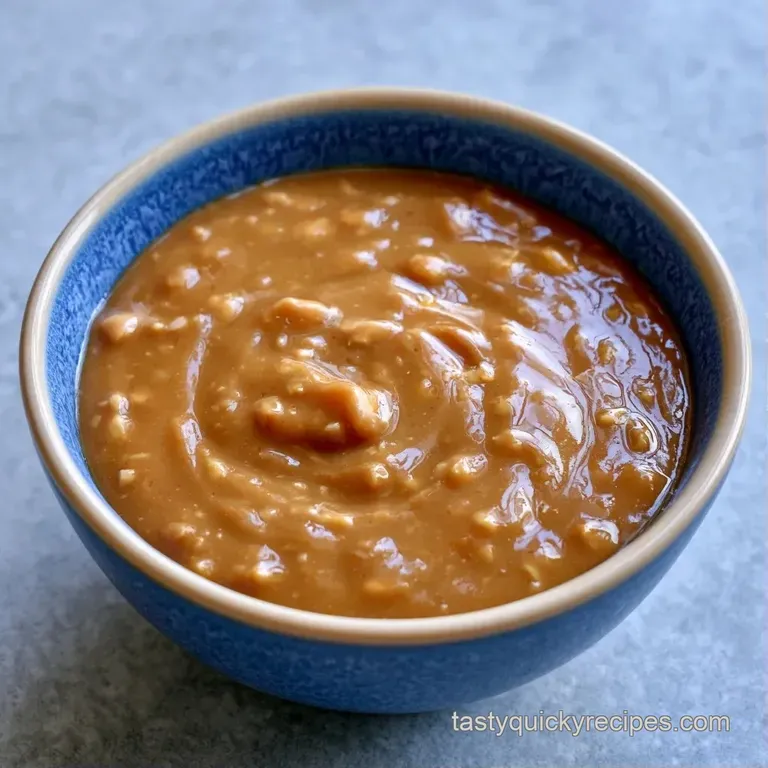
Even a 5 minute recipe can go sideways if the ratios are off. Most issues with Spring Rolls Peanut Sauce come down to the water to fat ratio.
Troubleshooting Common Issues
| Issue | Solution |
|---|---|
| Sauce too thick | This usually happens if your peanut butter is very dry or if you didn't use enough warm water. It might feel more like a dip than a sauce. |
| Why did the oil separate | Oil separation happens if the peanut butter wasn't fully emulsified with the soy and sugar. |
| Why does it taste too salty | Different brands of soy sauce vary in sodium levels. If it's too salty, add an extra pinch of brown sugar or a squeeze of lime to mask the salt. |
Customizing Your Flavor
This recipe is a baseline. Once you've got the hang of it, you can start messing with the ratios to suit your mood.
If you want more heat, double the Sriracha or add a pinch of red pepper flakes. For a more citrusy vibe, swap the rice vinegar for fresh lime juice. This actually makes the sauce feel more like a Thai style dip.
If you're looking for other ways to use peanut based flavors, you might like a Garlic Butter Sauce for a different kind of savory kick. For those who prefer a nut free version, sunflower seed butter works surprisingly well, though it has a more earthy taste.
- If you want it dippable
- Use 2 tbsp water.
- If you want it drizzlable
- Use 4 tbsp water.
- If you want it spicier
- Add 1/2 tsp of chili garlic sauce.
Truth About Peanut Sauces
There are a few things people get wrong about these dips. Let's clear them up.
First, you don't need to cook the sauce to thicken it. Peanut butter is already a stable emulsion of fats and solids, so it stays thick on its own. Cooking it often just makes it split.
Second, natural peanut butter isn't always better. While it's healthier, the lack of stabilizers makes it harder to get that glossy finish. If you want a smooth look, stick with the standard creamy kind.
Storage and Leftover Tips
Keep this sauce in a glass jar with a tight lid. It stays fresh in the fridge for up to 7 days. When you take it out, you'll notice it thickens significantly because the fats solidify in the cold.
To bring it back to life, let it sit at room temperature for 10 minutes or stir in a teaspoon of warm water. I don't recommend freezing this sauce, as the emulsion often breaks during the thaw process, leaving you with a greasy mess.
To avoid waste, use any leftover sauce as a marinade for tofu or chicken. It also works as a hearty dressing for a cold noodle salad. Just thin it out with a bit more rice vinegar and a splash of sesame oil.
What to Serve With It
The beauty of this sauce is that it pairs with almost anything fresh and crunchy. Naturally, it's the best match for Vietnamese Salad Rolls (14) recipe, where the cool shrimp and mint contrast the rich sauce.
You can also use this as a dip for: Fresh cucumber and carrot sticks Grilled chicken skewers Steamed edamame Crispy fried tofu cubes
Whether you're using it for a quick lunch or a party platter, the richness of this Spring Rolls Peanut Sauce makes the whole meal feel more substantial. It's a simple way to banish those boring, flavorless snacks.
Recipe FAQs
Can I make Fresh Spring Rolls with Peanut Sauce ahead of time?
Yes, but prepare components separately. Chop fillings and whisk the sauce in advance, then wrap the rolls just before serving to avoid a gummy texture.
How long does Fresh Spring Rolls with Peanut Sauce last in the fridge?
The sauce lasts up to 7 days. Store it in a glass jar with a tight lid. If it thickens in the cold, let it sit at room temperature for 10 minutes.
Are Fresh Spring Rolls with Peanut Sauce gluten-free?
No, the soy sauce contains gluten. You would need to use a gluten-free alternative to the soy sauce to accommodate this dietary restriction.
Can I bake Fresh Spring Rolls with Peanut Sauce?
No, stick to fresh. Baking will ruin the delicate rice paper and cause the fresh vegetable fillings to wilt.
How do I fix a torn rice paper wrapper in Fresh Spring Rolls with Peanut Sauce?
Patch the hole with a small piece of damp rice paper. Press the fragment firmly over the tear to seal the roll.
Can I use almond butter instead of peanut in the sauce?
Yes, it's a great alternative. It maintains the creamy consistency and nutty profile. If you enjoyed mastering the flavor balance here, see how the same principle works in our applesauce muffins.
Are Fresh Spring Rolls with Peanut Sauce kid-friendly?
Yes, they are. Most children love the creamy peanut flavor, though you can omit the Sriracha to keep the sauce mild.
Spring Rolls Peanut Sauce