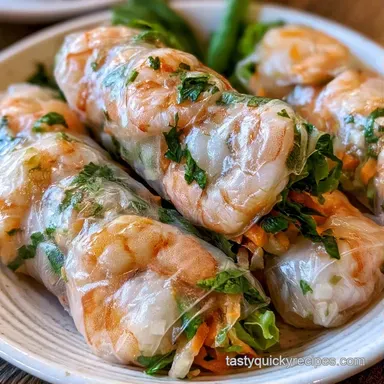
Authentic Fresh Vietnamese Spring Rolls
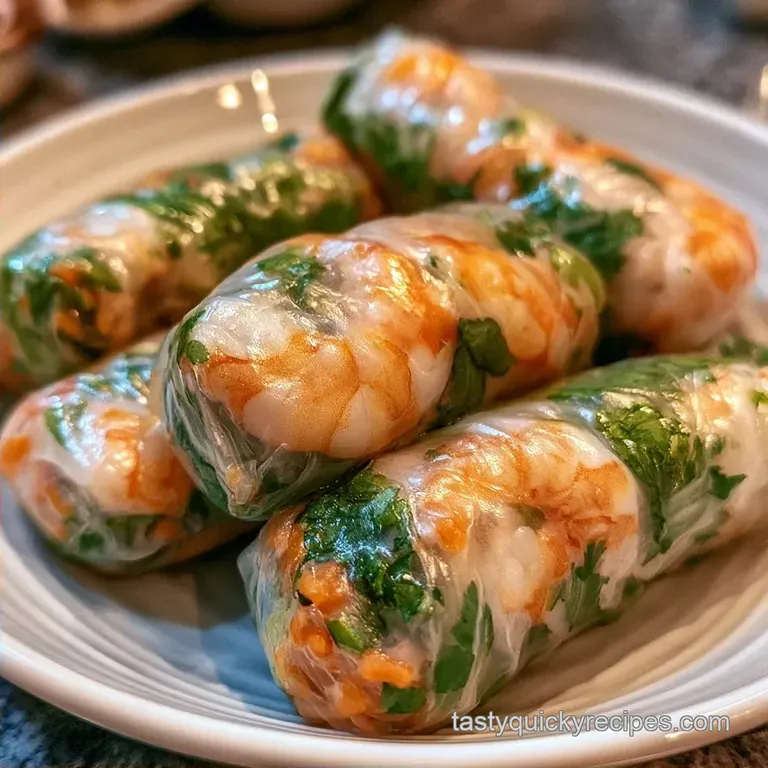
- Time: 20 min active + 10 min cooking
- Flavor/Texture Hook: Crisp, cool vegetables with a rich, nutty dip
- Perfect for: High energy lunch or a fresh appetizer
- Vietnamese Spring Rolls for Maximum Energy
- What Each Ingredient Does
- Filling the Vietnamese Spring Rolls
- How to Make the Rolls
- Fixing Common Roll Problems
- Troubleshooting Common Issues
- Creative Twists and Swaps
- Adjusting the Batch Size
- Common Myths About Rice Paper
- Storage Guidelines
- Pairing Ideas
- Recipe FAQs
- 📝 Recipe Card
The sound of a rice paper wrapper tearing just as you're about to finish your first roll is heartbreaking. I've spent way too much time dealing with wrappers that turn into a sticky, rubbery mess , worse, shred the moment a shrimp touches them.
It usually happens because the paper is either too dry to bend or so over saturated it loses all integrity.
This approach fixes that by treating the rice paper like a precision tool rather than just a wrap. We focus on the exact dip time and a layering sequence that protects the delicate skin. These Vietnamese Spring Rolls provide a clean burst of nourishment that doesn't leave you feeling sluggish in the afternoon.
You can expect a roll that stays tight and translucent, showcasing the bright colors of the herbs and proteins. Since we're using fresh ingredients and a quick poaching method, the nutrient density stays high. This is a great way to get a variety of vitamins and lean proteins in one sitting.
Vietnamese Spring Rolls for Maximum Energy
The Water Temp: Using warm rather than boiling water prevents the rice paper from gelatinizing too quickly, which stops it from becoming a sticky glue.
Structural Layering: Placing the lettuce and herbs first creates a sturdy wall that protects the wrapper from the moisture of the noodles and the sharpness of the shrimp.
Rapid Cooling: Plunging the proteins into an ice bath stops the carryover cooking immediately, ensuring the shrimp stay snap fresh and the pork doesn't toughen.
| Feature | Fresh Vietnamese Spring Rolls | Fried Shortcut Rolls |
|---|---|---|
| Texture | Soft, chewy, and crisp | Crunchy and oily |
| Prep Time | 30 mins total | 45+ mins (including frying) |
| Energy Level | Light and energizing | Heavy and filling |
What Each Ingredient Does
| Ingredient | What It Does | Best Swap |
|---|---|---|
| Rice Paper | Holds everything together | Soy based wrappers (for GF/Vegan) |
| Rice Vermicelli | Adds bulk and absorbs sauce | Glass noodles or shredded cabbage |
| Peanut Butter | Provides creamy base for sauce | Almond butter (adds nuttier tone) |
| Shrimp/Pork | Lean protein for satiety | Tofu or tempeh for vegetarian |
Filling the Vietnamese Spring Rolls
- 0.5 lb shrimp, peeled and deveined, split lengthwise Why this? Splitting lets them lie flat so the roll isn't lumpy.
- 0.5 lb pork tenderloin, thinly sliced into strips Why this? Leaner than belly, keeping the roll light.
- 4 oz thin rice vermicelli noodles Why this? Neutral flavor that highlights the herbs.
- 1 head butter lettuce, torn into pieces Why this? Soft texture but provides structural support.
- 1 cup carrots, julienned Why this? Adds a necessary crunch and beta carotene.
- 1 cup cucumber, julienned Why this? Hydrating and cooling against the sriracha.
- 0.5 cup fresh mint leaves Why this? Essential for that authentic aromatic lift.
- 0.5 cup fresh Thai basil Why this? Adds a peppery, anise like depth.
- 12-15 sheets circular rice paper wrappers Why this? The standard for a translucent finish.
- 1 quart warm water Why this? For dipping the wrappers.
- 1/3 cup peanut butter Why this? The fat source that carries the sauce flavor.
- 1 tbsp hoisin sauce Why this? Adds sweetness and umami.
- 1 tbsp soy sauce Why this? Adds salt and depth.
- 1 tbsp fresh lime juice Why this? Cuts through the richness of the peanut butter.
- 1 tsp sriracha Why this? A gentle kick of heat.
- 3 tbsp warm water Why this? Thins the sauce to a pourable consistency.
- 1 tsp crushed roasted peanuts Why this? Adds a final layer of toasted texture.
How to Make the Rolls
- Bring a pot of water to a boil. Add shrimp and pork strips; cook for 2-3 minutes until shrimp are pink and pork is opaque. Immediately plunge into an ice bath to stop cooking.
- Soak rice vermicelli in boiling water for 3-5 minutes. Drain and rinse with cold water to prevent clumping.
- Prepare the filling station by arranging julienned carrots, cucumber, lettuce, and herbs on a flat tray.
- Create the dipping sauce by whisking together peanut butter, hoisin sauce, soy sauce, lime juice, sriracha, and warm water until the mixture is smooth and glossy.
- Flash dip a rice paper sheet in warm water for a few seconds until pliable but not over saturated.
- Layer the lettuce and herbs first to create a structural wall, followed by noodles, and place shrimp and carrots last for aesthetic appeal.
- Fold in the sides of the rice paper and roll tightly to secure the filling.
- Serve the Vietnamese Spring Rolls with the peanut sauce, garnished with crushed roasted peanuts.
Chef's Note: If you find the rice paper is still too stiff, use a damp paper towel to lightly pat the edges before folding. This creates a better seal without making the whole roll soggy.
Fixing Common Roll Problems
Troubleshooting Common Issues
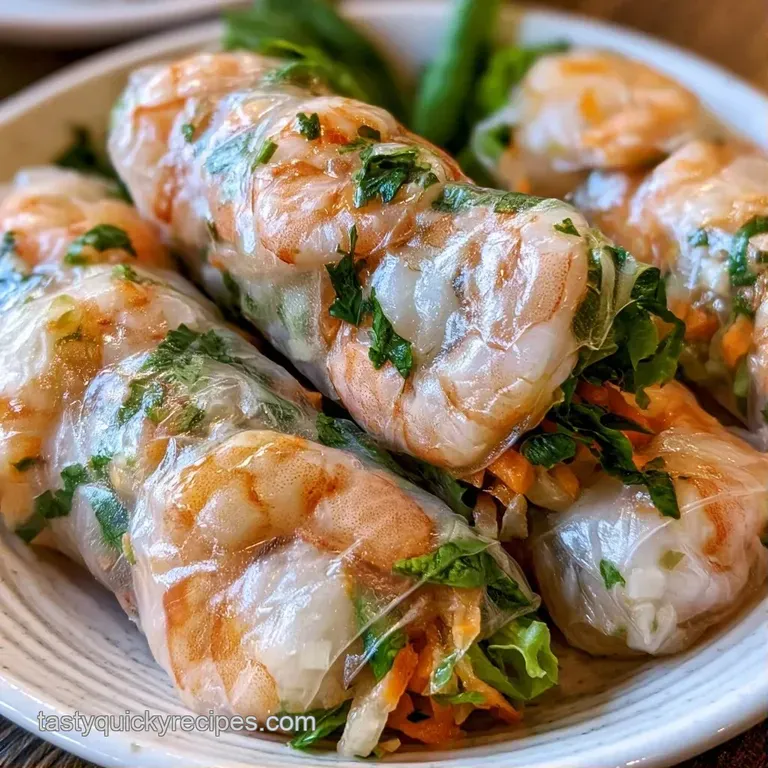
| Issue | Solution |
|---|---|
| Why Your Wrapper Tears | Tears usually happen when you over soak the paper or add too many heavy ingredients in one spot. If the paper feels slimy, it's over hydrated. If it's stiff, it needs another second in the water. |
| Why the Rolls Stick | Rice paper is naturally starchy. When rolls touch, they bond. This is why we use a bit of oil or parchment paper between them during storage. |
| Why the Filling Falls Out | This is a tension issue. If the roll is too loose, the ingredients shift and push through the paper. Keep the tension tight, especially during the first two folds. |
Creative Twists and Swaps
If you're looking for something with a different crunch, you can try Fryer Rice Paper Rolls recipe which use a similar base but a totally different finish. For those who want a warm, savory alternative, Quick Air Fryer Egg Rolls are a great way to use similar julienned vegetables.
Making Vietnamese Spring Rolls Vegetarian
Swap the shrimp and pork for smoked tofu or marinated tempeh. I recommend pressing the tofu for 15 minutes first to remove excess water, which prevents the rice paper from getting soggy.
Using Glass Noodles
If you can't find rice vermicelli, mung bean glass noodles work well. They have a slightly more "springy" texture and are excellent for those who want a different kind of nourishment.
Low Carb Alternative
Replace the rice noodles with spiralized zucchini or extra shredded cucumber. You'll lose some of the "chew," but you'll gain more micronutrients and lower the glycemic load.
| Goal | Adjustment | Result |
|---|---|---|
| Vegan | Tofu + Coconut Aminos | Plant based energy |
| Extra Spice | Add chili flakes to sauce | Higher metabolic kick |
| More Protein | Double the shrimp | Sustained satiety |
Adjusting the Batch Size
When making a smaller batch (half), you can't easily halve an egg if you were using one, but here we're dealing with proteins. Just weigh out 0.25 lb of shrimp and pork. Use a smaller bowl for the sauce to ensure you can whisk it effectively without it splashing.
For a larger party (3x or 4x), don't try to dip and roll 50 rolls at once. Rice paper continues to hydrate and soften over time. Work in batches of 5 or 6. Also, increase your salt and sriracha in the sauce by only 2x instead of 4x, then taste and adjust. Over seasoning happens quickly when scaling liquids.
Common Myths About Rice Paper
Searing the proteins first "locks in flavor." This is a myth; the brief poach in boiling water keeps the proteins tender and lean, which is better for the energizing feel of this dish.
Cold water can soften rice paper if you wait long enough. While true, it takes far too long and often results in an uneven texture. Warm water is the only way to get that consistent, pliable skin.
Storage Guidelines
Store your Vietnamese Spring Rolls in an airtight container lined with parchment paper. They stay fresh in the fridge for about 2 days. Any longer and the vegetables release water, making the wrappers mushy.
Avoid the freezer. Rice paper doesn't handle freezing well; it breaks down and becomes a gummy mass upon thawing. These are strictly a fresh prep item.
To reduce waste, take your carrot tops and cucumber peels and toss them into a freezer bag for homemade veggie broth. The leftover mint and basil stems can be blended into a pesto or added to a morning smoothie for a hit of freshness.
Pairing Ideas
These rolls are light, so they pair well with something that has a bit of a punch. A chilled glass of jasmine tea or a lime infused sparkling water complements the herbal notes of the basil and mint.
If you're serving this as part of a larger meal, a light Pho broth on the side is traditional. The warmth of the broth contrasts the cool temperature of the Vietnamese Spring Rolls, creating a balanced sensory experience.
For a snack style pairing, some sliced pomelo or fresh pineapple adds a tartness that cleanses the palate between bites of the peanut sauce.
Recipe FAQs
What is the difference between Vietnamese spring rolls and egg rolls?
Vietnamese spring rolls use translucent rice paper and are typically served fresh. Egg rolls use a wheat based wrapper and are deep fried for a crunchy texture.
What should I put in fresh Vietnamese spring rolls?
Fill them with shrimp, pork strips, rice vermicelli, butter lettuce, carrots, cucumber, mint, and Thai basil. Layer the lettuce and herbs first to create a structural wall before adding the heavier ingredients.
Can I make these gluten-free?
Yes, simply swap the soy sauce for tamari. Since the rice paper and vermicelli are naturally gluten-free, the dipping sauce is the only component that needs a substitution.
Can I make fresh Vietnamese spring rolls in advance?
Yes, but only up to 2 days. Store them in an airtight container lined with parchment paper to prevent them from sticking together and becoming mushy.
Why is my rice paper tearing or sticking?
Tearing occurs from over soaking or overloading, while sticking is caused by the paper's natural starch. If the paper feels slimy, reduce soak time; use parchment paper between rolls to stop them from bonding.
How to stop the filling from falling out?
Roll the wrappers tightly to create tension. If you enjoyed mastering rice paper tension here, see how the same principle works in our rice paper dumplings.
Is it true that I can freeze rice paper rolls for later?
No, this is a common misconception. Rice paper breaks down and becomes a gummy mass upon thawing, so these must remain a fresh prep item.
Vietnamese Spring Rolls