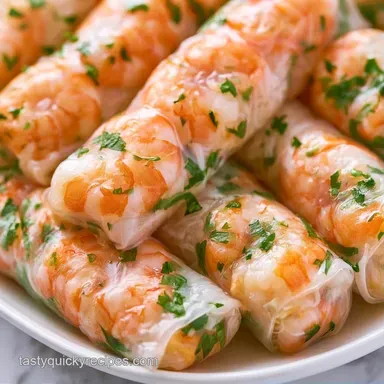
Traditional Vietnamese Salad Rolls with Shrimp
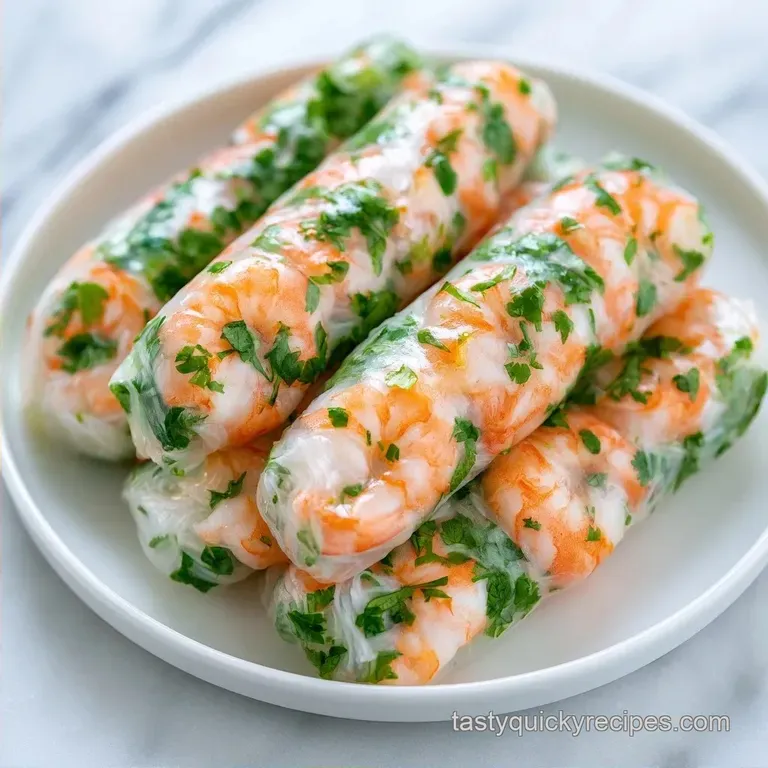
- Time: 30 min prep + 10 min cook
- Flavor/Texture Hook: Crunchy vegetables with a rich, nutty peanut dip
- Perfect for: Light lunches, party appetizers, or healthy meal prep
- Traditional Vietnamese Salad Rolls
- Why These Rolls Work
- Ingredient Deep Dive
- Required Kitchen Gear
- From Prep to Plate
- Avoiding Rolling Disasters
- Troubleshooting Common Issues
- Easy Ingredient Swaps
- Adjusting the Batch Size
- Common Misconceptions
- Storage and Reheating
- The Best Side Pairings
- Recipe FAQs
- 📝 Recipe Card
You know that feeling when you try to roll these things and the rice paper just... dissolves? Or worse, it turns into a sticky, rubbery mess that clings to your fingers and tears the second you add a shrimp? I've been there.
I once tried to make these for a group and ended up with a plate of "deconstructed" rolls because I soaked the wrappers for way too long.
The fix is actually really simple. It's all about the timing of the dip and the temperature of the water. Once you get that rhythm down, you'll realize these are way easier than they look.
We're making Traditional Vietnamese Salad Rolls that actually hold their shape. We'll focus on getting the proteins just right so they aren't rubbery, and we'll prep the veg for that maximum crunch.
Traditional Vietnamese Salad Rolls
The goal here is a balance of temperature and texture. You have the warm, poached shrimp and pork meeting the ice cold cucumber and mint. When you dip it into the peanut sauce, it's a total flavor hit.
These aren't like the fried spring rolls you get at some takeout spots. These are fresh, clean, and honestly, a bit addictive. Trust me on this, once you start rolling, you won't want to stop.
Why These Rolls Work
- The Ice Bath: Plunging the shrimp and pork into ice water stops them from overcooking, which keeps the texture snappy instead of chewy.
- Lukewarm Water: Using lukewarm instead of hot water prevents the rice paper from becoming too soft too quickly, giving you more time to roll.
- Uniform Cuts: Slicing the vegetables into thin matchsticks ensures the roll stays slim and doesn't burst at the seams.
| Method | Prep Time | Texture | Best For |
|---|---|---|---|
| Fast (Pre cut) | 15 mins | Softer crunch | Quick weekday lunch |
| Classic (Hand cut) | 30 mins | Maximum snap | Hosting guests |
Ingredient Deep Dive
Every part of this dish has a job. If you skip the herbs, you lose the soul of the dish. If you overcook the noodles, the roll becomes too heavy.
| Ingredient | What It Does | Best Swap |
|---|---|---|
| Rice Paper | Structural shell | gluten-free wraps (though texture changes) |
| Vermicelli | Adds bulk and chew | Thin rice sticks |
| Fresh Mint/Basil | Bright, aromatic lift | Fresh parsley or cilantro |
| Hoisin Sauce | Sweet, salty base | Tamarind paste (for more tang) |
Required Kitchen Gear
You don't need anything fancy here. A large bowl for the water, a sharp knife for the julienne cuts, and a flat cutting board or damp cloth to work on are the basics. I like using a plastic cutting board because the rice paper doesn't stick to it as much as wood does.
From Prep to Plate
Let's crack on with the actual making. Keep your workspace organized, or you'll find yourself hunting for a mint leaf while your wrapper is drying out.
Phase 1: Poaching the Proteins
- Simmer 1 cup (240ml) water and 1 tsp (5g) salt in a pot. Add 1 lb (450g) peeled shrimp and 1/2 lb (225g) sliced pork tenderloin.
- Poach 3-5 mins until shrimp are opaque and pink and pork is cooked through. Note: Don't overdo it or the shrimp get rubbery.
- Plunge the proteins into an ice bath immediately.
- Pat them dry with a paper towel and slice the shrimp in half lengthwise.
Phase 2: Vegetable Mise en Place
- Cut 1 cup (60g) carrots and 1 cup (60g) cucumber into thin matchsticks.
- Shred 2 cups (60g) of lettuce.
- Bundle your 1/2 cup (15g) mint, 1/2 cup (15g) cilantro, and 1/2 cup (15g) Thai basil into small, easy to grab clusters.
- Boil 4 oz (115g) rice vermicelli according to the package, then drain and let them cool.
Phase 3: The Signature Sauce
- Whisk 1/3 cup (80ml) hoisin sauce, 2 tbsp (30ml) peanut butter, 1 tbsp (15ml) lime juice, 1 minced garlic clove, and 1 tsp (5g) sriracha in a bowl.
- Stir until the sauce is smooth and glossy.
Phase 4: The Rolling Process
- Dip one sheet of rice paper into lukewarm water for 2-3 seconds. Lay it flat on a damp surface.
- Place a piece of lettuce in the center, then add a small handful of vermicelli.
- Layer the carrots, cucumber, and herb bundles on top.
- Add the shrimp and pork strips.
- Fold in the sides and roll tightly to seal your Traditional Vietnamese Salad Rolls.
Chef's Note: If the paper feels too dry, just flick a few drops of water on it with your fingers. Don't re dip the whole thing or it will tear.
Avoiding Rolling Disasters
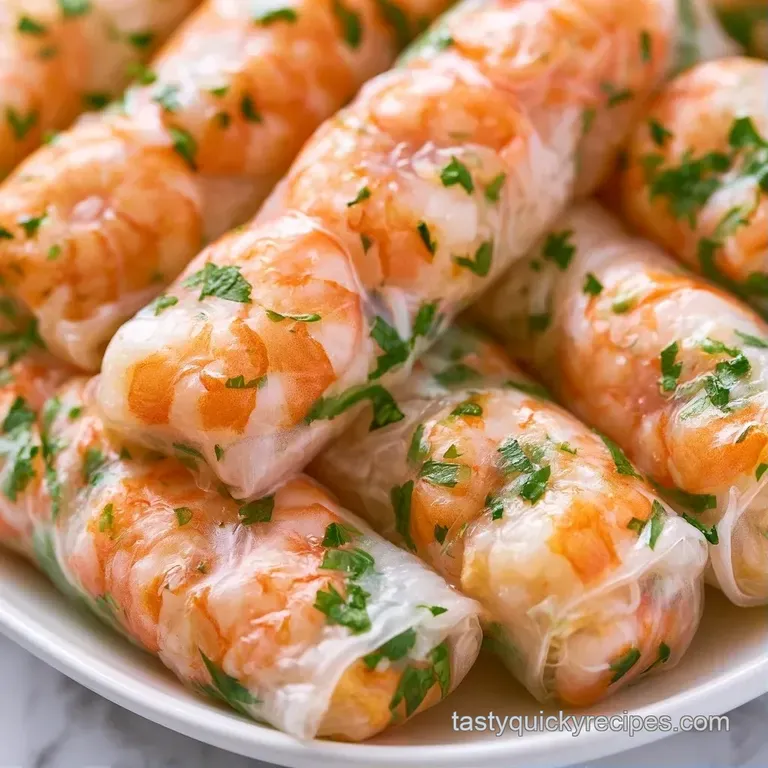
Rolling these can feel like a gamble the first few times. The most common issue is the paper tearing. This usually happens because the paper is either too wet or you've stuffed too much inside.
Troubleshooting Common Issues
| Issue | Solution |
|---|---|
| Why Your Paper Tears | If you soak the paper for 10 seconds, it becomes too fragile. A 2-3 second dip is all you need. The paper continues to soften as it sits on the board. |
| Why Your Rolls Unravel | This happens when the roll isn't tight enough or the edges didn't get enough moisture to bond. Pull the paper taut as you roll, like you're rolling a tight cigar. |
| Why Your Rolls Stick | Rice paper is naturally sticky. If you pile them on a plate, they will fuse together into one giant mass. |
Easy Ingredient Swaps
If you're on a budget or have dietary needs, you can still get great results. These Traditional Vietnamese Salad Rolls are very flexible. For those who want a different protein, you can use tofu or even grilled chicken.
Vietnamese Spring Rolls Vegetarian
Replace the shrimp and pork with fried tofu strips or marinated tempeh. The texture stays firm and the peanut sauce still pairs perfectly. Use more cucumber and avocado to keep the rolls filling.
For a Low Carb Option
Skip the vermicelli noodles. I usually replace them with extra shredded cabbage or spiralized zucchini. It changes the chew, but keeps the fresh vibe of the Traditional Vietnamese Salad Rolls.
For a Zesty Twist
Add a few thin slices of fresh mango or pineapple to the filling. The sweetness cuts through the richness of the peanut butter in the sauce. If you're planning a bigger party menu, these rolls pair surprisingly well with other sweet and savory options, like a Honey Glazed Ham for your meat heavy guests.
| Original Ingredient | Substitute | Why It Works |
|---|---|---|
| Shrimp | Firm Tofu | Similar shape. Note: Needs seasoning/frying for flavor |
| Thai Basil | Fresh Mint (extra) | Maintains the herbal profile |
| Peanut Butter | Almond Butter | Similar creaminess. Note: Slightly milder flavor |
Adjusting the Batch Size
Making 14 rolls is great for a small group, but sometimes you need more or fewer.
Scaling Down (Half Batch): Use 1/2 lb shrimp and 1/4 lb pork. Since you're using fewer ingredients, your prep time will drop to about 15 minutes. Use a smaller bowl for dipping the rice paper to save water.
Scaling Up (Double/Triple Batch): Work in batches. Don't prep all the vegetables and let them sit for hours, or they'll release too much water and make the rolls soggy. I recommend rolling 7 rolls, setting them aside with parchment dividers, and then doing the next set.
Increase the sauce ingredients linearly, but add the sriracha gradually to taste.
Common Misconceptions
There's a lot of noise about how to make these. Let's clear a few things up.
"You need boiling water for the paper." Wrong. Boiling water cooks the starch too fast and makes the paper fragile. Lukewarm water is the sweet spot for control.
"The shrimp must be grilled." Not necessarily. Poaching is the traditional way because it keeps the shrimp tender and clean tasting, which allows the herbs to shine.
"You can make these a day in advance." You can prep the ingredients, but rolling them 24 hours early often leads to the paper becoming hard or the vegetables leaking water.
Storage and Reheating
Traditional Vietnamese Salad Rolls are best eaten immediately. However, if you have leftovers, there's a way to keep them decent.
Refrigeration: Store rolls in an airtight container. To stop them from sticking, wrap each roll individually in plastic wrap or place a piece of lettuce between them. They'll stay good for about 24 hours. After that, the rice paper starts to toughen up.
Freezing Warning: Do not freeze these. The fresh vegetables will turn to mush and the rice paper will crack. If you want to freeze them, freeze the poached proteins separately, then thaw and roll fresh.
Reheating Tips: You can't really reheat these in the traditional sense. A microwave will turn the paper into glue. If you must, you can lightly pan fry them in a tiny bit of oil for 1-2 minutes per side to get a crispy shell, turning them into a hybrid fried roll.
Zero Waste Tips: Don't throw away the ends of your carrots or cucumbers. Toss them into a freezer bag for veggie broth. If you have extra vermicelli, stir fry it the next day with some soy sauce and garlic.
The Best Side Pairings
While these rolls are a meal on their own, they work great in a spread. For a full Vietnamese experience, serve them with nuoc cham as a second dipping option.
If you're serving these as part of a larger family gathering, balance the lightness of the Traditional Vietnamese Salad Rolls with something more substantial. While not traditional, a creamy side like a Corn Casserole recipe can satisfy those who want something heartier on the table.
The Complete Meal Idea: Try serving the rolls alongside a bowl of Pho or a fresh papaya salad. The combination of hot soup and cold, crunchy rolls is a classic contrast that keeps the palate interested.
Right then, you've got everything you need. Just remember: dip quickly, roll tightly, and don't let them touch on the plate. Enjoy your Traditional Vietnamese Salad Rolls!
Recipe FAQs
What is in a Vietnamese salad roll?
Rice paper, proteins, and fresh vegetables. These rolls contain poached shrimp and pork tenderloin, rice vermicelli noodles, julienned carrots, cucumber, lettuce, and fresh herbs like mint, cilantro, and basil.
What is a Vietnamese salad roll called?
Gỏi cuốn. This name translates to "rolled salad" in Vietnamese, which distinguishes these fresh rolls from the fried variety.
What is in traditional Vietnamese spring rolls?
Poached meats and crisp vegetables. Traditional versions feature shrimp, pork, vermicelli noodles, lettuce, carrots, cucumber, and a mix of Thai basil, mint, and cilantro. If you enjoy using fresh herbs to brighten a dish, you'll love the profile of our herb pasta.
What are Vietnamese rolls made of?
Translucent rice paper wrappers. These wrappers are made from rice flour and water, which soften when dipped in lukewarm water to encase the fresh fillings.
How do I make traditional Vietnamese salad rolls?
Dip rice paper in lukewarm water for 2 3 seconds. Lay it flat and layer lettuce, vermicelli, carrots, cucumber, herbs, shrimp, and pork before rolling tightly to seal.
Are traditional Vietnamese salad rolls made with rice paper?
Yes, rice paper is essential. These thin, dried sheets provide the characteristic chewy texture and clear appearance that showcases the fresh ingredients inside.
Is it true that I should soak rice paper for 10 seconds to make it pliable?
No, this is a common misconception. A 2-3 second dip is sufficient; soaking for 10 seconds or more makes the wrapper too fragile and prone to tearing during assembly.
Traditional Vietnamese Salad Rolls