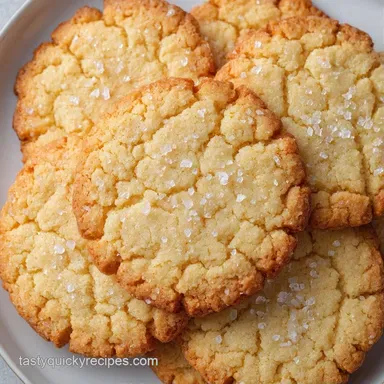
Best 2026 Graduate Cookies: Buttery Snap
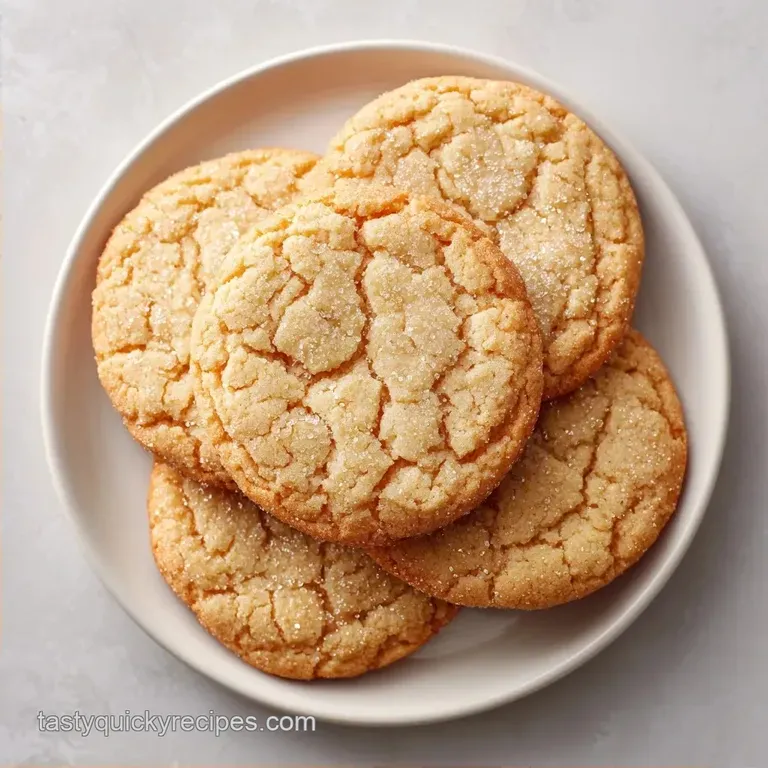
- Time: 20 min active + 2 hours chilling
- Flavor/Texture Hook: Buttery snap with a velvety royal icing
- Perfect for: Graduation open houses, school parties, and gift bags
- Best 2026 Graduate Cookies
- Secret to Sharp Edges
- Base Ingredient Roles
- Necessary Kitchen Tools
- Step by Step Process
- Fixing Common Cookie Fails
- Troubleshooting Common Issues
- Alternative Ingredient Choices
- Cookie Truths and Myths
- Long Term Freshness Tips
- Serving and Party Ideas
- Recipe FAQs
- 📝 Recipe Card
The smell of vanilla and toasted cane sugar hitting the oven heat is the best part of a graduation party. But let's be honest, most sugar cookies are a disaster. You spend an hour cutting out precise numbers, only for them to melt into unrecognizable puddles the second they hit the heat.
I once tried to make these for a cousin's party without chilling the dough, and my "2026" looked more like a series of melted marshmallows.
That's why this approach is different. We aren't just mixing ingredients and hoping for the best. We're managing the temperature of the fats to ensure the cookies hold their shape. This means your numbers stay crisp and your graduation caps actually look like caps.
You can expect a cookie that has a slight snap on the outside but stays tender in the middle. Using the Best 2026 Graduate Cookies recipe ensures you won't have to stress about "blobbing" or icing that runs off the sides. Let's get into the details.
Best 2026 Graduate Cookies
The goal here is a cookie that acts like a canvas. If the base is too puffy or too flat, the icing won't sit right. By focusing on the ratio of cornstarch to flour, we create a structure that supports the weight of the royal icing without bending.
When you're making these, the most important thing is patience. I know it's tempting to skip the chill, but the fat needs to solidify. If the butter is too soft, the cookies spread. If they spread, your 2026 date becomes a smudge. Trust the process and give the dough its two hours of peace in the fridge.
Right then, let's look at why this specific method beats the standard "mix and bake" approach.
Secret to Sharp Edges
Fat Stabilization: Chilling the dough prevents the butter from melting too quickly in the oven, which stops the cookies from spreading.
Starch Modification: Cornstarch weakens the gluten network just enough to give the cookie a tender, "short" bite instead of a bread like texture.
Air Control: Mixing the egg and vanilla only until combined prevents excess air bubbles, which would otherwise cause the cookies to puff up and lose their shape.
Moisture Balance: The two hour rest allows the flour to fully hydrate, leading to a more uniform bake and a smoother surface for icing.
| Method | Chill Time | Edge Definition | Texture | Best For |
|---|---|---|---|---|
| Fast Track | 30 mins | Rounded/Soft | Softer | Casual snacking |
| Classic | 2 hours | Sharp/Clean | Crisp Snap | Decorated sets |
Base Ingredient Roles
| Ingredient | Science Role | Pro Secret |
|---|---|---|
| Cornstarch | Tenderizer | Use a level measure to avoid a chalky taste |
| Cane Sugar | Structure/Sweetness | Provides a deeper color than white sugar |
| Meringue Powder | Icing Stabilizer | Essential for the "hard shell" finish |
| Chilled Butter | Volume Control | Cubed butter creams more evenly |
Necessary Kitchen Tools
You don't need a professional bakery, but a few specific tools make this a lot easier. A rolling pin is obvious, but I highly suggest using two sheets of parchment paper. Rolling the dough between the sheets means you don't have to dust the counter with extra flour, which can make the cookies tough.
For the icing, a simple piping bag with a small round tip works, but if you don't have one, a Ziploc bag with a tiny corner snipped off is just as good. Also, grab some gel food coloring. Liquid colors water down the icing and make the colors look pastel instead of vibrant.
Finally, get some 2026 digits and graduation cap cutters. If you can't find a specific set, you can use a small circular cutter for the cap top and a square one for the base, then trim the edges with a paring knife.
Step by step Process
1. Building the Base
Cream the chilled butter (115g) and cane sugar (150g) in a bowl. Beat them until the mixture is pale and fluffy. This creates the initial structure of the cookie.
2. Adding Liquids
Mix in the egg and vanilla (5ml). Mix only until combined. If you overbeat here, you'll get too many air bubbles, and your cookies will puff up in the oven.
3. Folding Dry Ingredients
Gradually fold in the flour (280g), cornstarch (16g), baking powder (3g), and salt (1.5g). Stop mixing as soon as a stiff, non sticky dough forms. Note: Overmixing develops gluten, which makes the cookies chewy rather than crisp.
4. The Cold Rest
Divide the dough into two discs and wrap them tightly in plastic wrap. Put them in the fridge for 2 hours. This is where the magic happens for the Best 2026 Graduate Cookies.
5. Oven Prep
Preheat your oven to 350°F (175°C). Make sure your rack is in the center position for even heat distribution.
6. Precision Rolling
Roll the dough to a consistent 1/4 inch (6mm) thickness between two sheets of parchment paper. Use a ruler to check the thickness if you're unsure.
7. Cutting Shapes
Cut out your 2026 digits and graduation caps. Do this quickly so the dough doesn't get too warm.
8. The Bake
Bake for 8-10 minutes until the edges are set but still pale. Do not let them brown, or they will taste toasted instead of buttery.
9. Icing Mix
Whisk together the powdered sugar (250g), meringue powder (30ml), and warm water (60ml). Keep whisking until you see a smooth, glossy peak form.
10. Artful Decoration
Divide the icing into bowls and add gel colors. Pipe the outlines first, then fill the centers. Let them sit for at least 4 hours to harden completely.
Fixing Common Cookie Fails
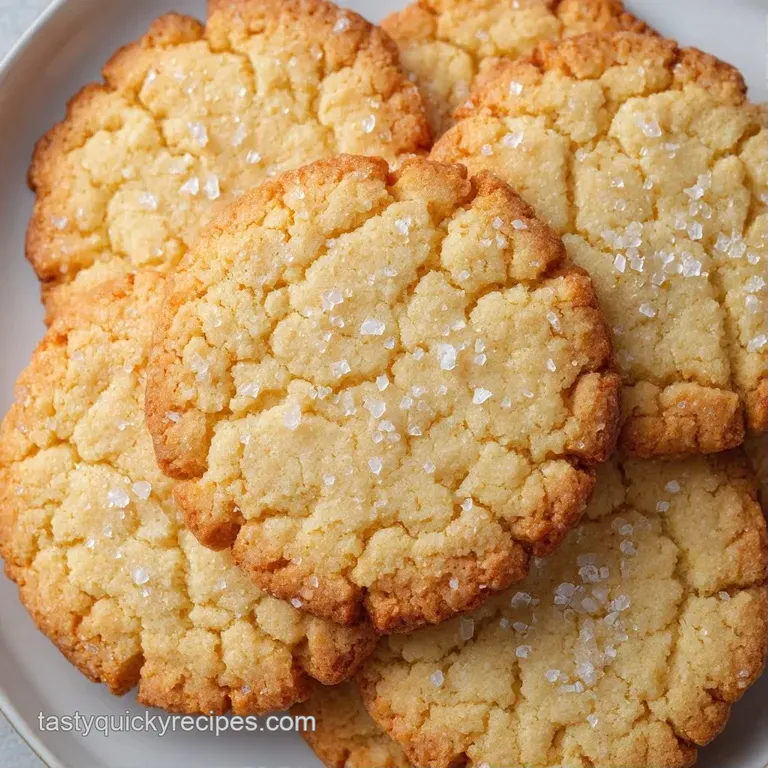
Troubleshooting Common Issues
| Issue | Solution |
|---|---|
| Why Your Cookies Spread | If your numbers turned into blobs, the butter was likely too warm. This happens if the dough didn't chill long enough or if the kitchen is too hot. |
| Why Icing Bleeds | When the outline colors run into the filling, it's usually because the icing was too thin. You can fix this by whisking in a teaspoon of powdered sugar at a time until the icing holds its shape. |
| Why Cookies Brown Too Fast | Over browning usually means the oven is running hot or the pan is too dark. Use light colored baking sheets and check them at the 8 minute mark. |
Common Mistakes Checklist
- ✓ Did you use chilled butter instead of room temp?
- ✓ Is the dough exactly 6mm thick?
- ✓ Did the dough rest for a full 2 hours?
- ✓ Are the cookies pale, not golden brown?
- ✓ Is the royal icing glossy and thick?
Alternative Ingredient Choices
If you're catering to a crowd with different needs, you can tweak the base. For a version that's a bit more like my Graduation Sugar Cookies (24) recipe, you can increase the vanilla for a stronger aroma.
For a vegan option, swap the butter for a chilled plant based stick butter and the egg for a commercial egg replacer. Note that vegan butter often has a higher water content, so you might need an extra tablespoon of flour to keep the dough stiff.
If you need a gluten-free version, a 1:1 GF baking flour usually works, but I recommend adding an extra 5g of cornstarch to help with the snap. The texture will be slightly more crumbly, so handle the shapes gently when moving them to the pan.
| Original Ingredient | Substitute | Why It Works |
|---|---|---|
| Cane Sugar (150g) | Granulated Sugar | Similar sweetness, but cookies will be paler |
| All Purpose Flour | 1:1 GF Flour | Mimics wheat structure. Note: Slightly more fragile |
| Butter (115g) | Coconut Oil (Solid) | Same fat content. Note: Adds a slight coconut flavor |
Cookie Truths and Myths
Some people say that adding more flour stops cookies from spreading. This is a half truth. While more flour adds structure, too much makes the cookies dry and tasteless. The real solution is temperature control, not more flour.
Another myth is that you can use any frosting for decorated cookies. Buttercream is great for cakes, but it never truly "sets." If you use buttercream for the Best 2026 Graduate Cookies, the icing will smudge the moment you touch it. Royal icing is the only way to get that hard, professional shell.
Finally, some think that baking sheets must be greased. Actually, using parchment paper or a silicone mat is much better. Grease can cause the edges to fry and brown too quickly, ruining the clean look of your graduation shapes.
Long Term Freshness Tips
Store these in an airtight container once the icing is completely dry. If you're stacking them, put a piece of parchment paper between each layer so the icing doesn't stick. They'll stay fresh at room temperature for about 5 days.
If you need them to last longer, you can freeze the baked (but un iced) cookies for up to 3 months. Just thaw them at room temperature before decorating. Once iced, they can be frozen for 2 months, but make sure they are individually wrapped in plastic wrap first.
To reduce waste, don't throw away the leftover dough scraps. Gather them up, roll them into small balls, and bake them as "tester" cookies. They won't be pretty, but they taste exactly the same.
If you have leftover royal icing, you can freeze it in a small airtight container and thaw it in the fridge for your next project.
Serving and Party Ideas
For a graduation open house, the best way to display these is on a tiered platter. Arrange the 2026 numbers prominently in the center and scatter the graduation caps around them. It creates a focal point that looks intentional and polished.
If you're giving them as gifts, use clear cellophane bags and tie them with a ribbon in the school's colors. Individually wrapped graduation cookies are a huge hit because guests can take them home without the icing getting smudged.
Pair these sweet treats with something refreshing to balance the sugar. A batch of Homemade Iced Tea is a classic choice that cuts through the richness of the butter and icing. If you're serving a full brunch, these cookies work well alongside a fruit platter or some light finger sandwiches.
Trust me, when you see the look on everyone's face when they see the sharp, clean lines of these Best 2026 Graduate Cookies, all that chilling time will feel worth it. Just keep your cool, follow the temperatures, and you'll have the most professional looking treats on the table.
Recipe FAQs
How do I stop my graduate cookies from spreading into blobs?
Chill the dough for at least 2 hours. This stabilizes the fats and ensures the 2026 digits maintain their sharp edges during baking.
Why is my icing bleeding into the outlines?
Whisk in additional powdered sugar. Add it one teaspoon at a time until the icing is thick enough to hold its shape without running.
Is it true that I can skip the refrigeration step if I am in a rush?
No, this is a common misconception. Skipping the chill time allows the butter to melt too quickly in the 350°F oven, causing the cookies to lose their shape.
How to achieve a glossy peak with the icing?
Whisk powdered sugar, meringue powder, and warm water. Mix these until the texture becomes smooth and forms a stiff, shiny peak.
How much should I charge for a dozen of these decorated graduate cookies?
Charge between $24 and $48 per dozen. This pricing accounts for the high labor cost of custom piping and precision cutting.
How should I store these cookies once the icing has dried?
Keep them in an airtight container at room temperature. Avoid the refrigerator, as excess moisture can soften the royal icing.
Can I omit the cornstarch from the dough?
No, it is required for the structural integrity. Cornstarch prevents over-spreading and keeps the texture tender. If you enjoyed controlling the cookie spread here, the same starch logic applies to our peanut butter cookies.
Best 2026 Graduate Cookies: Buttery