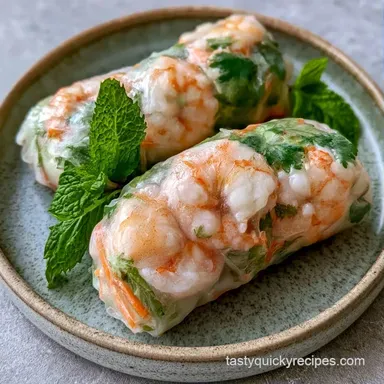
Vietnamese Shrimp Rice Paper Rolls: Hearty and Fresh
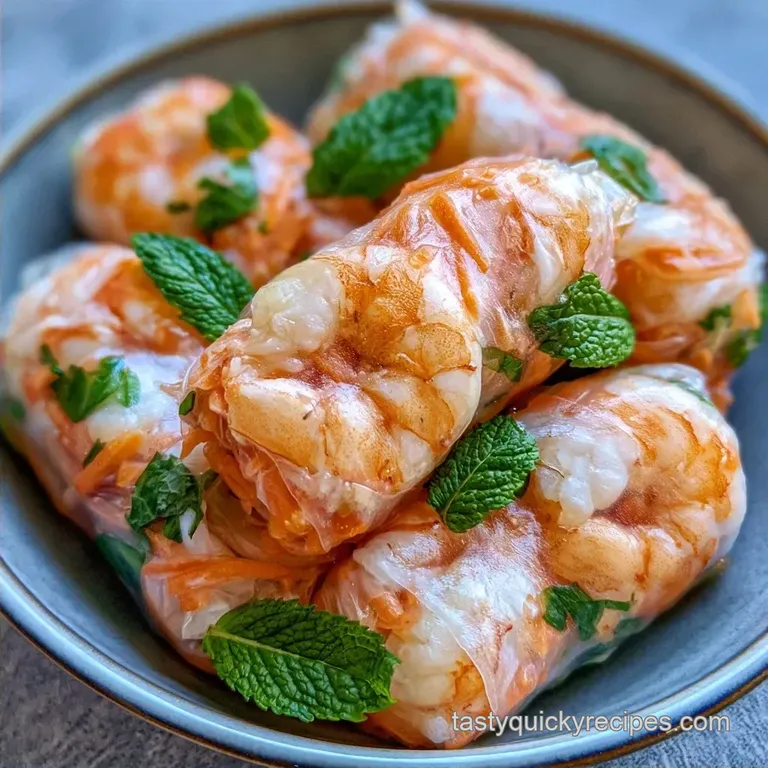
- Time: 20 min active + 10 min cook
- Flavor/Texture Hook: Tangy peanut sauce with snappy, fresh fillings
- Perfect for: Healthy meal prep or a satisfying weekend lunch
The smell of fresh mint and zesty lime hitting the air is the first sign that lunch is going to be great. I used to think these rolls were just for fancy restaurants, but once you realize it is all about the assembly, they become a staple.
There is something about the way the cool cucumber and warm peanut sauce hit your palate that just wakes you up.
The star here is the rice paper. It starts as a dry, brittle disk, almost like a piece of plastic, but it transforms into a glossy, stretchy skin after a quick dip in water. If you treat the paper right, it holds everything in a tight, translucent hug.
If you don't, you end up with a soggy mess or a roll that splits open the moment you touch it.
These Shrimp Rice Paper Rolls are designed to be hearty and satisfying. We aren't doing a light snack here, we are building a meal that keeps you full and focused. By layering the proteins and greens carefully, you get a burst of different textures in every single bite.
Shrimp Rice Paper Rolls
Getting these right comes down to a few specific habits. I once tried to soak the rice paper for a full minute, thinking it needed to be "ready," only to find the paper had turned into a sticky glue that wouldn't roll. Now, I stick to a quick 2 second dip.
It keeps the paper pliable but firm, which is the only way to get that clean, tight wrap.
Another thing I learned the hard way is the shrimp temperature. If you put hot shrimp directly onto the rice paper, the heat steams the paper from the inside out and creates a hole. The ice bath is not optional, it is the only way to keep the shrimp snappy and the paper intact.
These rolls are a fantastic way to use up whatever fresh veg you have in the fridge. While we use carrots and cucumbers, you can throw in some shredded cabbage or avocado for extra heartiness. It is all about building a roll that feels like a complete meal, not just an appetizer.
Key Assembly Techniques
The Ice Bath: Dropping shrimp into ice water immediately after boiling stops the cooking process. This keeps them from becoming rubbery and ensures they stay snappy.
Lukewarm Water Dip: Using lukewarm water instead of ice cold water helps the rice paper soften more evenly. It prevents the center from staying hard while the edges get too soft.
The Tight Roll: Folding the sides in first and then rolling firmly removes the air pockets. This creates a dense, satisfying roll that doesn't fall apart when dipped in sauce.
| Method | Time | Texture | Best For |
|---|---|---|---|
| Fast (Pre cut) | 15 mins | Softer, less consistent | Weeknight meals |
| Classic (Hand cut) | 20 mins | Crisp, distinct layers | Hosting friends |
Ingredient Deep Dive
| Ingredient | What It Does | Best Swap |
|---|---|---|
| Medium Shrimp | Provides the main protein and a snap | Firm Tofu (sliced) |
| Rice Paper | Holds the ingredients together | Large Collard Green leaves |
| Peanut Butter | Adds richness and body to the sauce | Almond Butter (adds nuttiness) |
| Rice Vermicelli | Adds bulk and a chewy texture | Brown Rice Noodles |
Main Ingredients List
- 1 lb medium shrimp, peeled and deveined Why this? Medium size fits the roll width without bulging
- 10 sheets Vietnamese rice paper rounds Why this? Standard rounds are easiest to wrap
- 4 oz rice vermicelli noodles Why this? Thin noodles don't tear the paper
- 2 cups shredded carrots, julienned Why this? Adds crunch and sweetness
- 1 cup cucumber, julienned Why this? Provides a cooling contrast
- 2 cups fresh mint leaves Why this? Essential for that authentic aroma
- 2 cups fresh cilantro or Thai basil Why this? Adds a peppery, herbal depth
- 5 leaves butter lettuce or romaine, cut into quarters Why this? Acts as a barrier to protect the paper
- 1/2 cup creamy peanut butter Why this? Creates a smooth base for the sauce
- 2 tbsp hoisin sauce Why this? Brings a salty, sweet depth
- 1 tbsp soy sauce Why this? Adds the necessary saltiness
- 1 tbsp fresh lime juice Why this? Cuts through the heavy peanut fat
- 1 tsp sriracha or chili garlic sauce Why this? Gives a gentle back end heat
- 4 tbsp warm water Why this? Thins the sauce to a pourable state
Tools You Need
You don't need much for this, but a few things make it easier. A wide, shallow bowl is essential for dipping the rice paper, as a deep pot will cause the paper to fold and stick to itself.
I also suggest a large plastic cutting board or a damp kitchen towel to lay the paper on, which stops it from sliding around while you load it.
For the shrimp, a slotted spoon is a lifesaver. It lets you move them from the boiling pot to the ice bath in one second without splashing hot water everywhere. If you have a mandoline, use it for the carrots and cucumbers to get those thin, professional strips, but a sharp knife works just as well.
Step by step Process
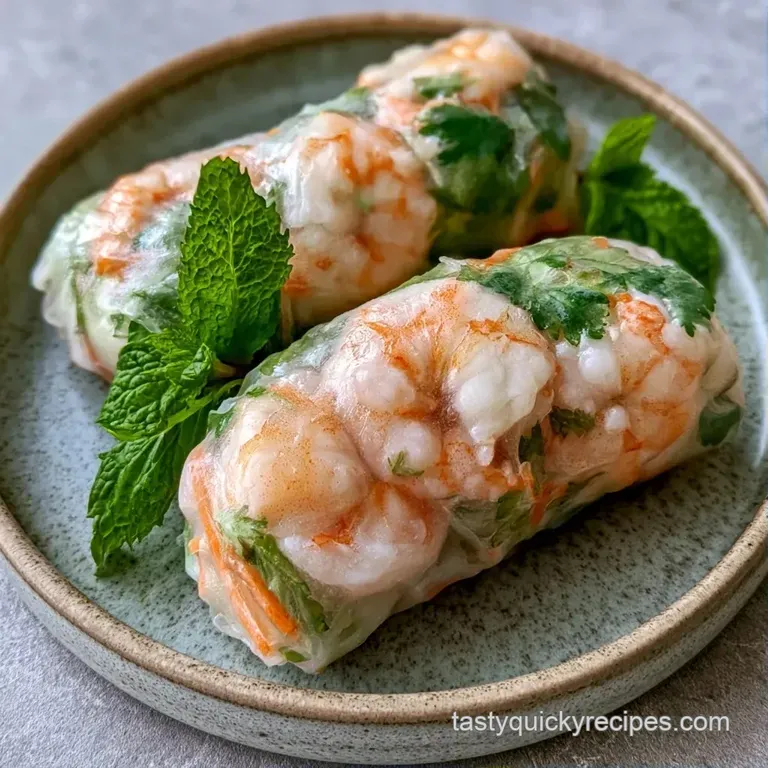
- Bring a pot of water to a boil. Drop in the shrimp and cook for 2-3 minutes until they turn opaque and pink. Note: Smell that salty, oceanic steam; it means they are ready.
- Immediately transfer the shrimp to an ice bath for 2 minutes. Pat them dry with a paper towel and slice each shrimp in half lengthwise.
- Soak rice vermicelli in boiling water for 3-5 minutes. Drain and rinse with cold water to prevent them from sticking together.
- Julienne the carrots and cucumbers into thin strips. Wash and pat dry the mint, cilantro, and lettuce leaves.
- Fill a shallow bowl with lukewarm water. Dip one rice paper sheet for 2-3 seconds, then lay it flat on a damp cutting board. Note: The paper should still feel slightly firm when it hits the board.
- On the lower third of the paper, place a piece of lettuce. Top with a small pinch of vermicelli, a few strips of carrot and cucumber, and a few mint and cilantro leaves.
- Place 3 halved shrimp, cut side down, across the center of the vegetables.
- Fold the bottom edge over the filling, fold in both sides tightly, and roll upward firmly. Note: This is where the Shrimp Rice Paper Rolls get their structure, so keep it tight.
- In a small bowl, whisk together peanut butter, hoisin sauce, soy sauce, lime juice, and sriracha. Stir in warm water until the sauce is silky and pourable. Note: The scent should be a strong mix of nutty peanut and sharp lime.
Fixing Common Issues
Rolling these for the first time can be a bit chaotic. Most people struggle with the paper breaking or the sauce being too thick to dip. The trick is to realize that rice paper is a living thing - it reacts to heat and moisture constantly.
Tearing the Paper
If your rolls are splitting, you are likely over soaking the paper or overstuffing the roll. Rice paper has a limit to how much it can stretch. If you put too many carrots or too much noodle in one spot, the tension will cause a tear.
Sticking Rolls
When you pile the finished Shrimp Rice Paper Rolls on a plate, they tend to fuse together into one giant roll. This happens because the starch in the rice paper is still tacky. To prevent this, place a piece of parchment paper or a damp lettuce leaf between each roll.
Thick Peanut Sauce
Sometimes the peanut butter doesn't want to emulsify, leaving you with clumps. This usually happens if the peanut butter is cold or if you didn't use warm water. Stirring in warm water one tablespoon at a time will smooth it out.
| Problem | Root Cause | Solution |
|---|---|---|
| Paper rips | Over soaking | Dip for 2 seconds only |
| Rolls unravelling | Loose folding | Pull sides tighter before rolling |
| Sauce too clumpy | Cold peanut butter | Whisk in warm water slowly |
Fresh Ingredient Swaps
If you want to change the vibe of these rolls, you can swap the proteins easily. For a different take, you can look at my Vegetarian Salad Rolls for inspiration on using tofu or avocado.
Decision Shortcut:
- If you want more crunch: Add shredded red cabbage.
- If you want it spicier: Double the sriracha in the sauce.
- If you want more heartiness: Add sliced avocado or mango.
You can also swap the herbs. If you can't find Thai basil, regular sweet basil works. If you don't like mint, cilantro and parsley make a great duo. The main goal is to keep a balance of something crunchy, something herbal, and something savory.
Scaling the Recipe
When making these for a crowd, don't try to prep everything at once. If you soak ten sheets of rice paper in a row, the first one will be over hydrated by the time you get to the tenth. Work in batches of three or four rolls.
If you are doubling the recipe, don't just double the salt and sriracha. Increase the spices to about 1.5x and taste the sauce before adding more. For the shrimp, use a larger pot so they have room to move, otherwise, they will crowd and cook unevenly.
If you only need two or three rolls, you can halve the ingredients. For the sauce, beat one egg or use a small amount of peanut butter and whisk it in a jar for easier mixing. Just remember that rice paper is best used fresh, so don't prep the rolls hours in advance.
Common Myths
Some people think you need to soak rice paper for several minutes to make it soft. This is false. A 2-3 second dip is all you need; the paper continues to soften as you add the fillings. If you soak it too long, it becomes impossible to roll tightly.
Another common belief is that more filling equals a better roll. In reality, overstuffing the Shrimp Rice Paper Rolls leads to structural failure. The goal is a balanced cylinder, not a bulging balloon. Keeping the filling centered allows the paper to seal properly.
Storage and Waste
These rolls don't keep as well as fried spring rolls because the rice paper continues to absorb moisture. They are best eaten within 24 hours. If you must store them in the fridge, place them in an airtight container lined with a damp paper towel. This prevents the paper from drying out and cracking.
Do not freeze these rolls. The vegetables will lose their crunch and the rice paper will turn into a gummy mess once thawed. If you want to prep ahead, cook the shrimp and chop the vegetables, then store them in separate containers. Assemble the rolls right before serving.
To avoid waste, use the carrot tops and cilantro stems. You can blend them with a bit of oil, garlic, and lemon to make a quick pesto. The shrimp shells can also be simmered with an onion and carrot to create a quick seafood stock for a soup.
Best Side Pairings
These rolls are satisfying on their own, but pairing them with other fresh items makes the meal feel complete. I often serve them alongside Vietnamese Salad Rolls (14) recipe to give guests a variety of fillings.
If you need something more substantial, a side of steamed jasmine rice or a light noodle salad works well. The tanginess of the peanut sauce pairs great with something neutral. Because these rolls are so fresh, they also go well with a crisp glass of sparkling water with lime.
The goal is to keep the meal fueling your body without making you feel sluggish. By sticking to these fresh ingredients and the right rolling technique, you've got a lunch that beats any store-bought option. Right then, let's get rolling.
Recipe FAQs
How to fry Vietnamese rice paper spring rolls?
Heat oil in a pan and fry until golden brown. While these shrimp rolls are traditionally fresh, frying them creates a satisfying crunch and a different texture profile.
What are Vietnamese rice paper spring roll wrappers?
They are thin, dried sheets made from rice flour and water. Once hydrated, they become a chewy, translucent skin that holds the filling together.
How to eat Vietnamese rice paper?
Dip the dried sheet in lukewarm water for 2-3 seconds. It is safe to eat because it is simply a processed rice product, similar to rice noodles.
What are some great side dishes for spring rolls?
Pair them with a crisp salad or a savory bean dish. For a smoky contrast to these light rolls, try serving them with blackeyed peas.
How to prevent the rice paper from cracking in the fridge?
Line your airtight container with a damp paper towel. This maintains the necessary moisture levels to keep the wraps supple.
How to stop the vermicelli noodles from sticking?
Rinse them with cold water immediately after draining. This stops the cooking process and removes the excess starch that causes clumping.
Can these shrimp rice paper rolls be frozen?
No, do not freeze these rolls. The vegetables lose their crunch and the rice paper turns into a gummy mess once thawed.
Shrimp Rice Paper Rolls