Madras Fish Curry of Snapper Tomato with Tamarind
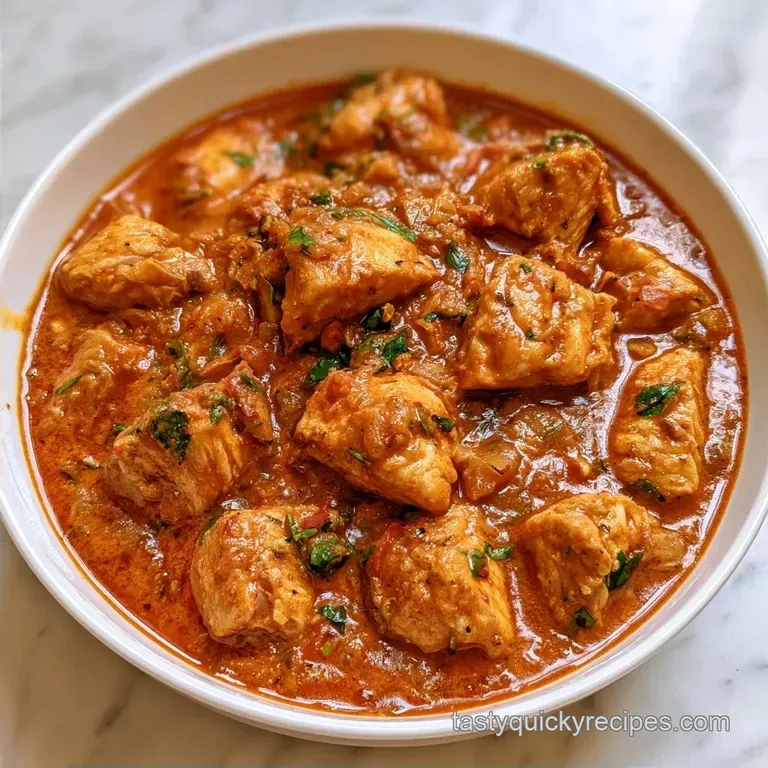
- Time: 10 min active + 30 min cook
- Flavor/Texture Hook: Tangy, bold, and flaky
- Perfect for: Quick weeknight dinners
The magic begins with the crackle of mustard seeds hitting sizzling oil. I recall my first attempt at a hectic family gathering; I was so terrified of the snapper breaking apart that I left it on the heat far too long, turning the fish into mushy flakes.
It was a disaster, but the flavors were so striking that nobody really complained.
Since then, I've discovered that precision is key. The goal is to let the sauce provide the intensity while the fish gently poaches. Below is the ideal guide for a vivid Madras Fish Curry of Snapper Tomato and Tamarind.
This one-pot dish is efficient without sacrificing quality. You'll achieve a rich, mahogany hued gravy with incredible depth, all in just 40 minutes. Trust me, once you master the tamarind's balance, this will become a staple in your kitchen.
Madras Fish Curry of Snapper Tomato
Tamarind and Tomato: These two acids complement each other perfectly. Tomato provides a bright, fresh note, while tamarind introduces a rich, fruity tartness.
Blooming Spices: Sautéing the curry powder in oil unlocks fat-soluble flavors, which eliminates the "raw" taste of the spices.
Gentle Poaching: Simmering the fish in liquid instead of frying it ensures the snapper stays moist and tender.
For a more subtle flavor, try my Coconut Lime Fish Curry, but this version is perfect for those who want genuine heat.
Gear For The Job
No specialized equipment is required. A wide pot or a heavy bottomed skillet is the key tool here, as it distributes heat evenly to prevent spices from scorching.
A fine mesh sieve is also essential for straining out the seeds and fibers from the tamarind pulp. Finally, a simple whisk helps you stir in the coconut milk at the end without breaking the fish.
What You'll Need
This curry is all about the interplay between sourness and heat. Snapper is the ideal choice here, as it holds its structure better than cod or tilapia.
The Tamarind Base - 1/4 cup (15g) tamarind paste or seedless pulp Why this? Provides the characteristic South Indian tartness - 1/2 cup (120ml) warm water
The Aromatics & Sauce
- 2 tbsp (30ml) neutral oilWhy this? Stable at high temperatures for toasting seeds
- 1 tsp (5g) mustard seeds
- 1 medium onion, finely diced (approx. 150g)
- 3 cloves garlic, minced (approx. 9g)
- 1 tbsp (15g) fresh ginger, grated
- 2 ripe tomatoes, finely chopped (approx. 250g)
- 1 cup (240ml) water or fish stockWhy this? Stock offers a more complex flavor than water
- 1 tsp (5g) salt
The Spice Blend
- 1 tbsp (15g) Madras curry powderWhy this? Offers the specific heat profile of the region
- 1 tsp (2g) turmeric powder
- 1 tsp (2g) Kashmiri red chili powderWhy this? Delivers a bold red color and mild-to-medium heat
- 1/2 tsp (1g) ground cumin
The Fish & Finish
- 1.5 lb (680g) snapper fillets, cut into 1 inch chunksWhy this? Firm consistency and a clean taste
- 1/4 cup (60ml) coconut milkWhy this? Tempers the acidity during the final step
- 2 tbsp (8g) fresh cilantro, chopped
- 1 tsp (5g) lemon juice
Substitutions
| Original Ingredient | Substitute | Why It Works |
|---|---|---|
| Snapper Fillets | Cod or Halibut | Similar level of firmness. Note: Cod is more delicate and flakes more |
| Tamarind Paste | Lime Juice + Brown Sugar | Mimics the sweet and-sour balance. Note: Lacks the fruity complexity |
| Coconut Milk | Heavy Cream | Offers the same richness. Note: Moves the flavor profile from tropical to savory |
Recipe Specs
This is a fast paced meal. Since we aren't slow cooking the base, the prep flow is key.
- 1. Prep
- 10 minutes (soaking tamarind and chopping)
- 2. Sauté
- 10 minutes (onions and spices)
- 3. Simmer
- 10 minutes (reducing the sauce)
- 4. Poach
- 10 minutes (cooking the fish)
Comparison: Fast vs. Classic
| Feature | Fast Method | Classic Method |
|---|---|---|
| Time | 40 minutes | 2+ hours |
| Base | Sautéed tomatoes | Slow reduced onion paste |
| Texture | Lighter, punchy | Thick, concentrated |
Decision Shortcut
- For more heat: Add 1/2 tsp extra Kashmiri chili powder.
- For a thicker sauce: Simmer the base 5 minutes longer before adding fish.
- For a milder taste: Increase coconut milk to 1/2 cup.
Bringing It Together
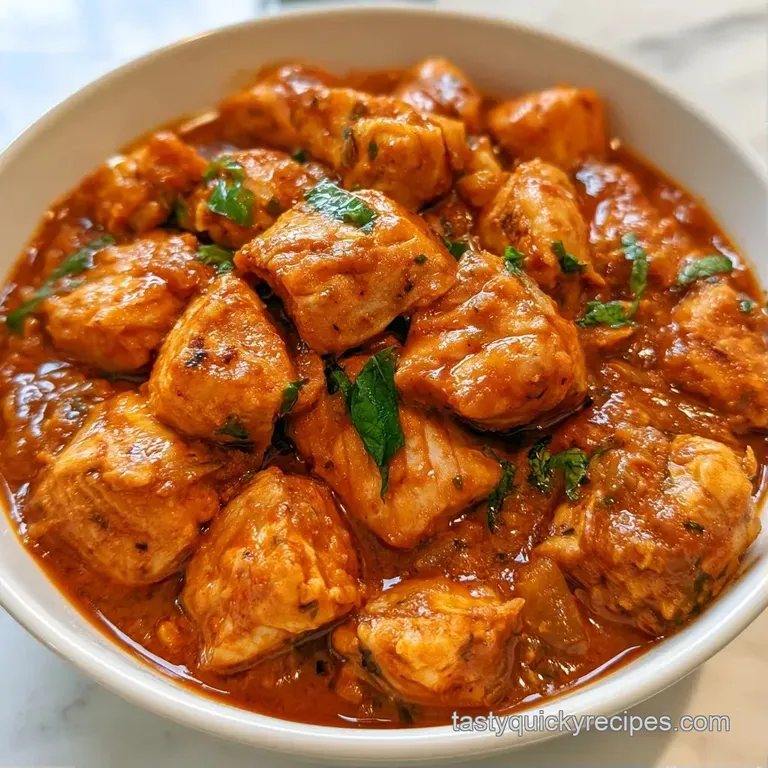
Right then, let's get cooking. Keep your ingredients prepped and ready. This moves fast once the oil is hot.
Phase 1: The Tangy Prep
Soak the tamarind paste in warm water for 10 minutes. Mash it into a smooth slurry using a spoon. Strain it through a fine mesh sieve into a bowl and toss the solids.
Phase 2: Tempering and Aromatics
Heat neutral oil in a heavy skillet over medium heat. When the oil shimmers, add mustard seeds. Wait until they start to pop and sizzle. Stir in the onions and sauté for 5 minutes until they look translucent.
Add the garlic and ginger, cooking for 60 seconds until the smell is nutty and fragrant.
Phase 3: Developing the Sauce
Stir in the turmeric, Madras curry powder, Kashmiri red chili powder, and cumin. Toast for 30 seconds, but don't let them brown. Add the tomatoes and cook until they soften and break down. Pour in the tamarind liquid and fish stock.
Stir and simmer for 10 minutes until the sauce thickens into a mahogany glaze.
Phase 4: The Final Poach
Gently nestle the snapper chunks into the bubbling sauce. Poach for 5-7 minutes until the fish is opaque and velvety. Stir in the coconut milk, lemon juice, and cilantro. Turn off the heat immediately.
Chef's Note: Don't stir the pot vigorously after adding the fish. You'll break the chunks into shreds. Just gently shake the pan or use a spoon to baste the top pieces.
Common Mistakes & Troubleshooting
Achieving the perfect balance of acidity and protein texture in a Snapper Tomato and Tamarind Fish Curry can be tricky. Fortunately, most of these issues are solved with simple tweaks at the end.
The Sauce is Too Sour
Tamarind potency differs by brand. If the flavor is too sharp, a hint of sweetness will balance it out.
The Fish is Breaking Apart
Over stirring or an aggressive boil can cause the fish to flake prematurely. Maintain a soft simmer.
Spices Taste Raw
A powdery flavor suggests the spices weren't properly bloomed in the oil.
| Problem | Fix |
|---|---|
| Too sour | Stir in 1/2 tsp brown sugar |
| Breaking fish | Lower heat and stop stirring |
| Raw spice taste | Sauté spices longer in oil next time |
How to Store and Keep Fresh
This Madras fish curry of snapper tomato stays good in the fridge for 2 days. Keep it in a glass container with a tight lid.
The fish can get a bit rubbery if you overheat it during reheating. To avoid this, warm the sauce in a pan first, then add the fish at the very end just to heat it through.
Don't freeze this dish. The coconut milk can separate and the snapper loses its texture. If you have leftover sauce without the fish, that freezes beautifully for 2 months. For zero waste, use the leftover tamarind water to marinate other seafood or add it to a spicy soup.
Dietary Adaptations
Depending on who you're feeding, you can tweak this South Indian fish curry recipe with tamarind.
The Creamy Twist Add an extra 1/4 cup of coconut milk. This makes the sauce richer and tones down the spice.
The Heat Boost Swap the Kashmiri chili for bird's eye chilies. Sauté them with the ginger and garlic for a sharper, more aggressive burn.
Vegan Alternative Use extra firm tofu or cauliflower florets instead of snapper. Use vegetable stock instead of fish stock. If you want a similar crunch to the fish, try an Indian Red Snapper Fry method with tofu.
Low Sodium Option Cut the salt to 1/2 tsp. The tamarind and lemon juice provide enough "brightness" that you won't miss the extra salt.
Presentation Tips
A Madras fish curry of snapper tomato looks stunning against a white backdrop. Serve it in a shallow bowl over a bed of steamed basmati or jasmine rice.
The mahogany color of the sauce pops when you hit it with a handful of bright green cilantro and a few thin slices of fresh red chili. A wedge of lime on the side allows guests to adjust the acidity to their liking.
For a more formal feel, serve it with toasted garlic naan. Use the bread to scoop up the thick gravy. This recipe works best when the fish is slightly underdone in the center, as the carryover heat finishes the cooking while it's on the plate.
Final Checkpoints
- Sauce color: Deep mahogany, not pale orange.
- Fish texture: Flakes easily with a fork, not mushy.
- Taste: A balance of sour, spicy, and creamy.
Whether you're making this for a busy Tuesday or a slow Sunday, this Madras fish curry of snapper tomato delivers huge flavor without the fuss. It's a reliable, bold meal that brings the heat and the heart of South India to your table. Right then, get your skillet hot and dive in.
Recipe FAQs
What is madras fish curry?
A spicy, tangy South Indian style dish. It blends aromatic spices and tamarind to create a bold, savory sauce that perfectly complements firm white fish.
Do tomatoes belong in this curry?
Yes, they provide essential acidity. The chopped tomatoes soften and integrate into the spice base to create a thick, balanced texture.
Is snapper the ideal fish for this recipe?
Yes, because it holds its shape. Snapper remains velvety without falling apart during the poaching process. If you prefer a different texture, you might enjoy the crust on blackened snapper.
How do I adjust the heat if it is too spicy?
Stir in extra coconut milk. This creamy addition helps neutralize the intensity of the Kashmiri red chili powder.
Is it true that frozen fish ruins the texture?
Actually, no. As long as the fillets are fully thawed and patted dry, they poach beautifully in the simmering sauce.
Are there vegetarian versions of this dish?
Yes, replace the snapper with cauliflower or paneer. Follow the same spice blooming and poaching steps for a plant based alternative.
Which sides complement these bold flavors?
Steamed basmati rice or warm naan. These neutral pairings soak up the tamarind infused gravy without competing with the spices.
How to make the flavors more intense?
Bloom the spices longer in the oil. Sautéing the Madras curry powder and cumin until deeply fragrant ensures the oils release maximum flavor before you add the liquids.
Madras Fish Curry Snapper Tomato