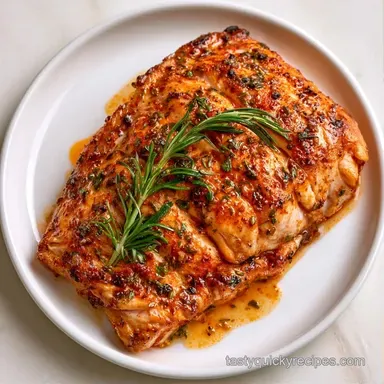
Heart-Healthy Roasted Red Snapper with Rosemary
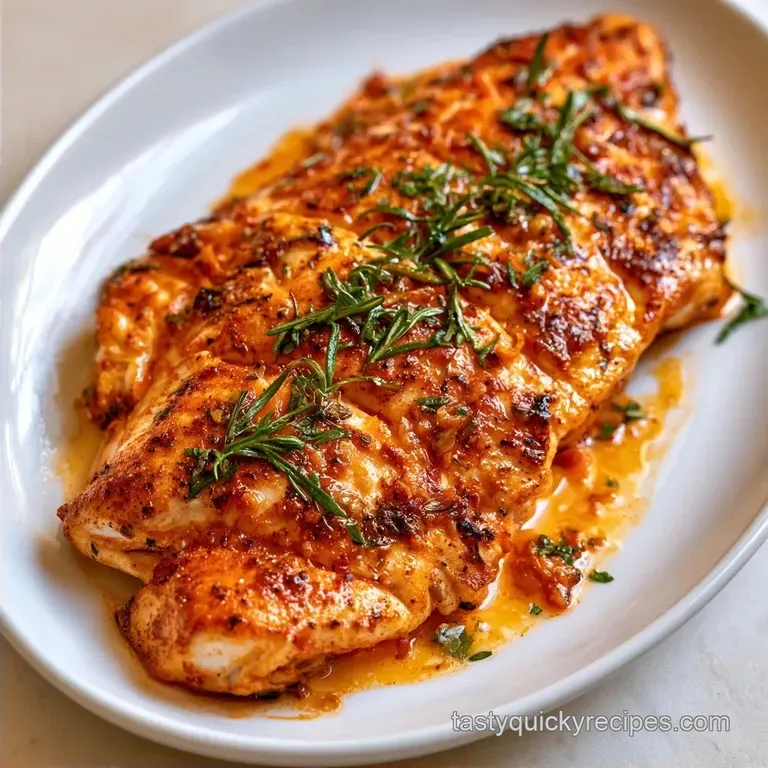
- Time: 10 min active + 25 min roasting
- Flavor/Texture Hook: Crispy, salt flecked skin with a silky, flakey interior
- Perfect for: A healthy weeknight dinner or an easy date night meal
There is nothing quite like the scent of garlic and rosemary wafting through a hot oven. Within ten minutes, your kitchen will feel like a cozy Mediterranean bistro. For a long time, I was intimidated by cooking whole fish, fearing I would either leave the center raw or overcook it into a rubbery mess.
It turns out the process is far more straightforward than gourmet guides suggest. Once I prioritized drying the skin and stopped overthinking the clock, it all clicked. I rely on this Roasted Red Snapper with Rosemary because it is a low-maintenance dish that looks like it required an entire afternoon of effort.
The final result is a fish that has a satisfying snap when flaked with a fork. The lemon and rosemary don't just sit on top; they permeate the meat. It's a light meal that won't leave you feeling sluggish, yet it's hearty enough to satisfy a hungry crowd.
Why the Texture Works
- Internal Steaming: Stuffing the cavity with lemon and herbs creates a pocket of moisture. This protects the lean flesh from the high oven heat, keeping it moist while the outside browns.
- Surface Dryness: Patting the skin bone dry before oiling it removes the barrier of water. This allows the heat to hit the skin directly, causing it to crisp up in minutes rather than steaming in its own juices.
| Roast Style | Oven Temp | Skin Texture | Best For |
|---|---|---|---|
| Fast Roast | 400°F | Crispy/Charred | Quick weeknights |
| Classic Roast | 325°F | Soft/Tender | Very large fish |
| Foil Packet | 375°F | Steamed | Maximum moisture |
Ingredient Deep Dive
| Component | Purpose | Substitute Notes |
|---|---|---|
| Whole Red Snapper | Main protein | Sea Bass: Similar texture, slightly milder flavor |
| Fresh Rosemary | Woody aroma | Thyme: More subtle, works well with lemon |
| Smoked Paprika | Color and depth | Ancho powder: Adds a darker, fruitier heat |
| Extra Virgin Olive Oil | Heat conductor | Melted butter: Richer taste, but burns faster |
Shopping List Details
- 1 whole Red Snapper, scaled and gutted (approx. 2 lbs / 900g)
- 2 tbsp extra virgin olive oil
- 1 tsp kosher salt Why this? Larger grains prevent over salting the skin
- ½ tsp coarsely ground black pepper
- ½ tsp smoked paprika Why this? Gives the skin a deep golden hue
- 3 sprigs fresh rosemary, roughly chopped
- 4 cloves garlic, smashed
- 1 large lemon (half sliced into rounds, half reserved for juice)
- 2 sprigs fresh thyme Why this? Adds a floral note to the stuffing
Recipe Timing Specs
The flow of this meal is built for speed. You aren't hovering over a stove for an hour. Most of the work happens in the first ten minutes of prep, and then the oven does the heavy lifting.
- Prep time:10 minutes
- Cook time:25 minutes
- Total time:40 minutes
- Internal Temp:145°F (63°C)
Gear You Need
No fancy gear is required here a basic rimmed baking sheet will do the trick. I always line mine with parchment paper because scrubbing stuck-on fish scales is a chore I'd prefer to avoid.
You will need a keen knife to make the diagonal slashes and a digital meat thermometer. Trusting a fork to determine doneness is a sure way to overcook your snapper; a quick temperature check in the thickest part of the fillet is the only reliable method.
From Prep to Plate
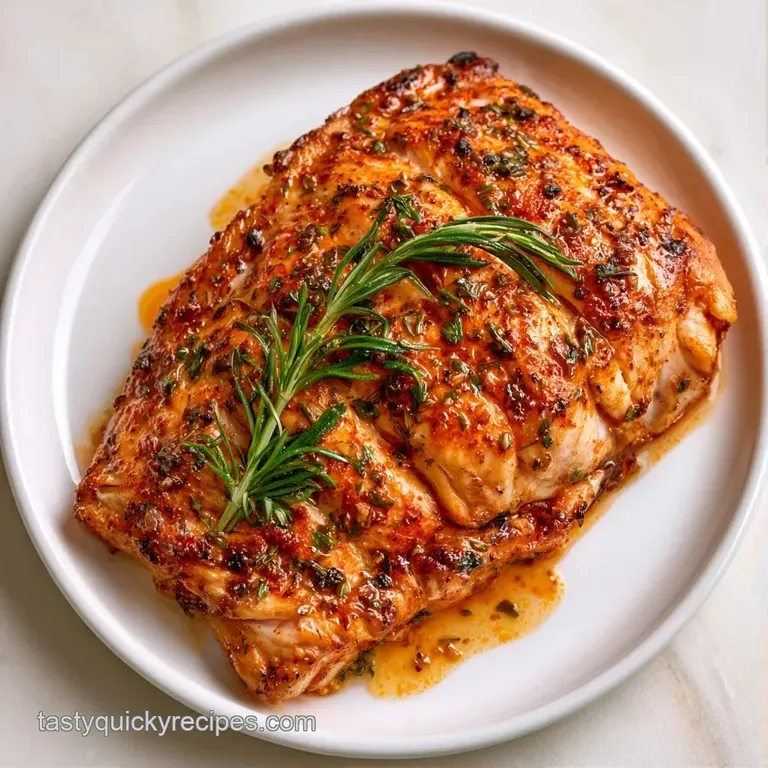
Preparing the Canvas
Set your oven to 400°F (200°C). Use paper towels to pat the red snapper completely dry. This is a vital step; according to Serious Eats, removing surface moisture is essential for achieving a truly crisp crust.
Use a sharp knife to make 3 shallow diagonal slits on each side of the fish. These cuts allow the heat and oil to penetrate deeper into the meat.
Stuffing the Cavity
Season the inside of the fish with a pinch of salt and pepper. Tuck the lemon slices, smashed garlic cloves, rosemary sprigs, and thyme deep inside. This stuffing creates a fragrant steam chamber that cooks the fish from the inside out.
Seasoning the Exterior
Brush the skin with olive oil, ensuring you coat the diagonal slashes. In a small bowl, mix the remaining salt, black pepper, and smoked paprika, then rub this evenly over the skin. The paprika provides more than just flavor it helps the fish develop a beautiful color under high heat.
Roasting to Perfection
Place the snapper on a parchment lined baking sheet and slide it onto the center rack of the oven. Roast for 20–25 minutes. The fish is done once the skin is browned and the internal temperature reaches 145°F (63°C).
This is the safe internal temperature for finfish according to USDA guidance.
Resting and Finishing
Remove the fish from the oven and let it rest on the pan for 5 minutes. This allows the juices to redistribute so the meat remains moist when sliced. Just before serving, squeeze the remaining half of the lemon over the top for a fresh, zesty finish.
Avoiding Kitchen Disasters
Preventing Sticky Skin
If your fish is sticking to the pan, you're likely missing the parchment paper or didn't use enough oil. The olive oil creates a barrier between the skin and the pan. If you don't have parchment, a silicone mat works, but avoid roasting directly on the metal.
Stopping Overcooked Flesh
The biggest risk with snapper is the window between "perfect" and "dry." Once the fish hits 145°F, take it out immediately. The carryover heat will continue to cook the meat during the 5 minute rest. If you leave it in until it looks "done" on the outside, the center will likely be overcooked.
Managing Burnt Garlic
Smashed garlic can burn if it's poking out of the fish and touching the pan. Keep the garlic cloves tucked deep inside the cavity. If some slip out, just push them back in with a spoon before the fish goes into the oven.
Handling uneven Cooking
If you have a very large fish, the tail section often cooks faster than the head. You can loosely cover the tail with a small piece of foil for the first 10 minutes to prevent it from drying out while the thicker shoulder area catches up.
Storage and Reheating
Refrigerating Leftovers
If you have any fish left, let it cool completely before placing it in a glass container. Cover it tightly. It stays good in the fridge for about 2 days. I don't recommend freezing cooked snapper, as the texture becomes mealy and loses that fresh quality.
Reheating Without Drying
Avoid the microwave. Microwaves zap the moisture out of fish and make the skin rubbery. Instead, put the fillets in a 275°F (135°C) oven for about 10 minutes. Add a tiny splash of water or a pat of butter to the pan to keep things moist.
Bone and Head Utility
Don't toss the head and bones. Put them in a pot with some water, celery, and onion, and simmer for 20 minutes. You'll have a quick fish stock that's great for risottos or soups. This is the easiest way to ensure zero waste.
Presentation Ideas
For a family style vibe, serve the whole fish on a large wooden platter. Surround it with roasted cherry tomatoes and blanched asparagus. The red of the tomatoes against the golden skin of the Roasted Red Snapper with Rosemary looks stunning.
If you're serving this for a date, fillet the fish in the kitchen and plate the portions individually. Place the fillet on a bed of sautéed spinach or a creamy polenta. Garnish with a few fresh rosemary needles and a lemon wedge on the side.
Mix It Up
Adding a Tomato Twist
If you want more moisture, scatter a handful of cherry tomatoes and kalamata olives around the fish on the baking sheet. They roast in the fish oils and create a natural sauce. This is a great way to turn the meal into a one pan wonder.
Creating a Zesty Garlic Version
For those who love a punchier flavor, mix 2 tbsp of melted butter with minced garlic and lemon zest. Brush this over the fish during the last 5 minutes of roasting. This gives the skin a glossy, rich finish. If you want something even richer for a different occasion, you might enjoy a red snapper cream sauce.
Low Carb Options
This recipe is naturally keto friendly. To keep it that way, pair it with roasted cauliflower or a simple cucumber salad. For a heavier Sunday meal that's less fish focused, you could try a tender pot roast.
Choosing Your Fish
While this is designed for red snapper, you can use any white fish of a similar size. Red snapper is prized for its firm texture, but sea bass or grouper also work. Just be mindful that thinner fish will need 5-10 minutes less in the oven.
| Budget Level | Fish Choice | Impact | Savings |
|---|---|---|---|
| Premium | Red Snapper | Classic flavor, firm flesh | Baseline |
| Mid Range | Sea Bass | Milder taste, very moist | $2-4 per lb |
| Budget | Tilapia (Whole) | Softer texture, less flavor | $5+ per lb |
Kitchen Myths
The belief that searing meat or fish "locks in" moisture is actually a myth. In reality, moisture escapes regardless of the cooking method used. While the browning process creates a rich, toasted flavor, it doesn't form a waterproof barrier.
Similarly, scoring fish doesn't significantly speed up the cooking process. While the cuts in this Roasted Red Snapper with Rosemary allow aromatics to soak deeper into the meat, the effect on cooking time is minimal. It's a technique for flavor enhancement, not for speed.
Final Pro Tips
- For crispier skin: Use a wire rack inside the baking sheet to roast the fish. This ensures hot air flows underneath, preventing a soggy bottom.
- For a more succulent interior: Put a tablespoon of lemon juice or white wine in the cavity with the herbs.
- For a darker hue: Add a small pinch of brown sugar to the paprika rub to boost caramelization.
You'll quickly find that prepping a whole fish is incredibly straightforward, making fillets feel unnecessary. It's tastier, more visually stunning, and overall more fun to present. Let's get the oven preheated and begin.
Recipe FAQs
Does rosemary pair well with snapper?
Rosemary provides a woody contrast to the mild flavor of the fish.
Tip: Chop the rosemary roughly to avoid getting large, needle like pieces in the dish.
How to bake red snapper for the best results?
Bake the fish at 400°F (200°C) for 20 25 minutes.
Tip: Ensure the fish reaches 145°F (63°C) using a meat thermometer.
Which fish work best as substitutes for red snapper?
Sea bass or grouper offer a similar firm texture and mild taste.
Tip: Keep the same roasting temperature and timing for most white fish of similar thickness.
Is it true that red snapper is too delicate to roast in the oven?
False. This fish holds its shape well and develops a great crust at high heat.
Tip: Pat the skin completely dry before oiling to ensure it crisps up.
Why should you slash the fish skin?
Diagonal cuts allow heat and aromatics like garlic and lemon to penetrate the flesh.
Tip: Make shallow cuts so you don't slice all the way through to the bone.
What sides complement roasted snapper?
Light, crisp vegetables balance the richness of the olive oil and smoked paprika.
Tip: If you enjoyed the fresh, crisp texture of this fish, try pairing it with vegetarian salad rolls for a balanced meal.
Roasted Red Snapper With Rosemary