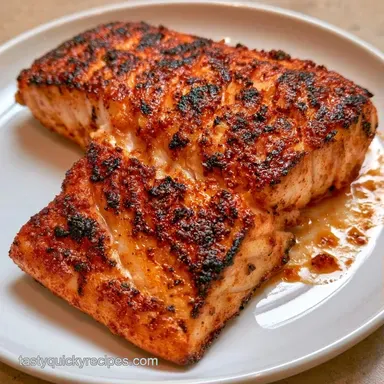
Pan-Fried Blackened Red Snapper Fillets
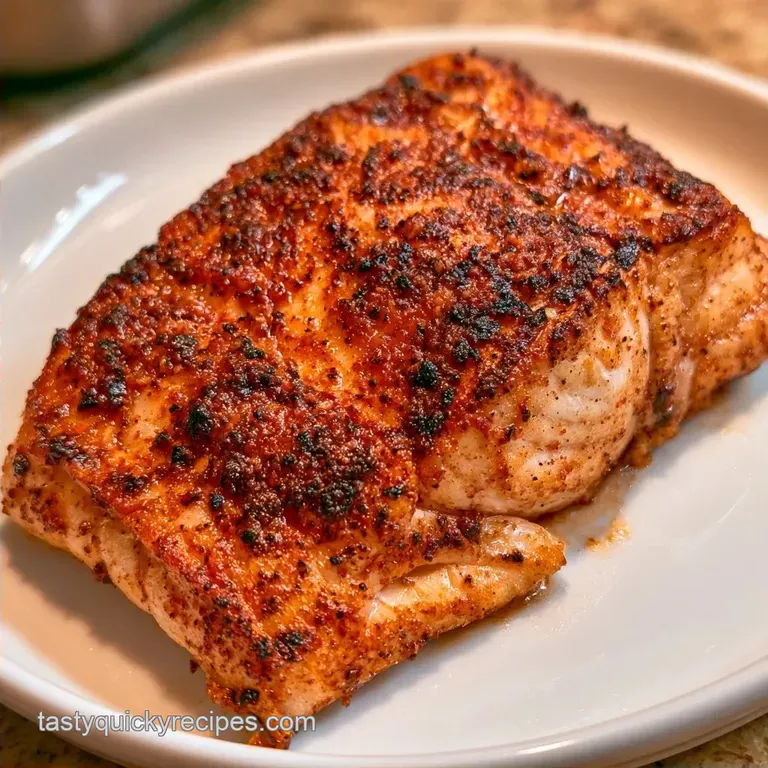
- Time: 15 min prep, 10 min cook
- Taste & Texture: A bold, smoky char paired with tender, flaky fish
- Ideal for: Fast weeknight plates or high-protein eating
The most frequent error I see is the "soggy crust," where the spices turn into a wet slurry and the fish boils instead of searing. This is caused by surface moisture. If the fillet is damp, the heat spends its energy evaporating water rather than browning the seasoning.
I used to just apply the rub and cross my fingers. But I found that taking a few seconds to pat the fish with a paper towel transforms the result. This technique creates a rich, mahogany crust that clings to the fillet.
When preparing Blackened Red Snapper, you want a striking contrast: a charred, punchy exterior and a moist interior. Since it's a rapid process, you'll need to be ready to act quickly.
Why This Recipe Works
- Surface Dryness: Removing water allows the oil to hit the fish at full temperature. This creates an immediate sear and prevents the fillets from sticking.
- Spice Fusion: The smoked paprika and cayenne bond with the fat in the pan. This creates a crust that acts as a flavor seal.
- Butter Basting: Adding butter at the end adds richness and helps the lemon juice emulsify into a light glaze.
| Method | Time | Texture | Best For |
|---|---|---|---|
| Fast (Pan) | 10 mins | Shattering crust | Weeknights |
| Classic (Oven) | 20 mins | Evenly cooked | Larger groups |
The Main Components
| Ingredient | Role | If You Don't Have It |
|---|---|---|
| Smoked Paprika | Earthy smoke and hue | Regular paprika (less smoky) |
| Avocado Oil | High temperature searing | Grapeseed or Canola oil |
| Red Snapper | Flaky, lean protein | Sea Bass or Grouper |
| Unsalted Butter | Glaze and richness | Ghee or Vegan butter |
For the Blackening Rub
This seasoning blend defines the dish's character. Smoked paprika provides a rich red glow and a hint of campfire aroma. Cayenne adds a spicy punch, though you can reduce it for younger eaters.
- 2 tbsp smoked paprika
- 1 tsp garlic powder
- 1 tsp onion powder
- 1/2 tsp sea salt
- 1/2 tsp cayenne pepper Why this? Gives it that classic Cajun spice
- 1/4 tsp black pepper
- 1/4 tsp dried thyme
For the Fish Preparation
- 2 (6 oz) red snapper fillets, skinless Why this? Sturdy enough to support the crust
- 1 tbsp avocado oil Why this? Has a high smoke point
- 1 tbsp unsalted butter
- 1 tbsp fresh lemon juice
Recipe Specs
For this Blackened Red Snapper, the timing is tight. You don't want to overthink it or the fish will dry out.
- Prep time:15 minutes
- Cook time:10 minutes
- Total time:30 minutes (including the 5 minute rub rest)
- Yield: 2 servings
Required Kitchen Gear
You can use stainless steel, but a cast iron skillet is the gold standard here. It holds heat much better, which is what you need for that dark crust. If you use a non stick pan, you might find it harder to get a deep sear because they can't handle the same heat levels.
I also recommend a fish spatula. It's thin and flexible, meaning you can get under the Blackened Red Snapper without breaking the fillet. A heavy press or a regular spatula works too, just be gentle.
Making the Fish
- Use paper towels to dry the red snapper fillets completely. This is key to getting a perfect crust.
- In a small bowl, whisk together the smoked paprika, garlic powder, onion powder, sea salt, cayenne pepper, black pepper, and dried thyme.
- Firmly press the spice blend into both sides of the fish. Ensure a thick coating, then let them rest for 5 minutes.
- Bring avocado oil in a cast iron skillet to medium high heat until it just begins to smoke.
- Place the fillets in the pan and press down gently with a spatula.
- Sear for 3–4 minutes without moving them to create a deep mahogany crust.
- Flip the fillets.
- Stir the lemon juice and butter into the pan immediately.
- Baste the fish with the foaming butter for the final 3 minutes of cooking until the flesh is opaque and flakes easily.
Fixing Common Issues
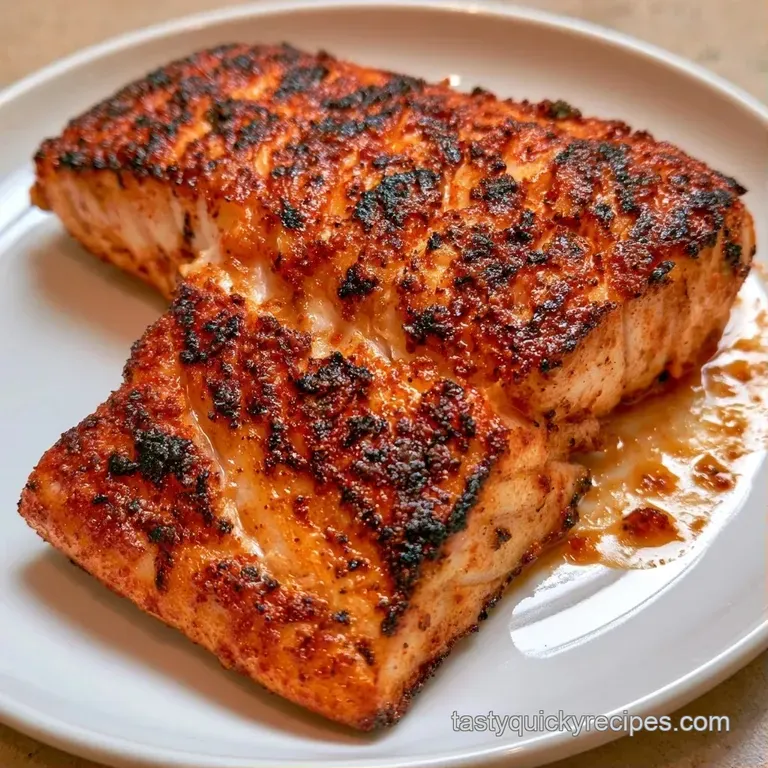
If your fish sticks to the pan, you probably flipped too early. The fish naturally releases from the metal once the crust has fully formed. If you tug and it resists, give it another 30 seconds.
Another issue is the spices tasting bitter. This happens if the heat is too high and the paprika burns instead of searing. Keep it at a steady medium high. If you're worried about the heat, you can look at crispy fried red snapper for a different approach to texture.
Fixing a Soggy Crust
This usually stems from excess moisture on the fish or using too much oil in the pan. Make sure the fillets are dry and the oil is just a thin layer.
Handling Overcooked Fish
Red snapper is lean. If it's rubbery, you've gone too far. Start checking for flakiness at the 3 minute mark after the flip.
Managing Burnt Spices
If the rub turns black and smells acrid, your pan was likely on high instead of medium high.
| Problem | Fix |
|---|---|
| Fish sticking | Wait for the crust to form; don't flip early |
| Rub is too salty | Use unsalted butter for the finish |
| Interior is raw | Increase sear time by 1 minute per side |
Storage and Waste
Leftovers keep in a glass container in the fridge for 2 days. To reheat, avoid the microwave. It turns the fish rubbery. Instead, put the fillets in a pan over medium heat with a tiny bit of butter for 2 minutes per side.
For zero waste, don't toss the lemon wedges or the remaining spice rub. The leftover rub is great on shrimp or corn on the cob. If you have fish scraps, freeze them in a bag to make a quick seafood stock later.
Adjusting the Portions
When making this for a crowd, do not crowd the pan. If you put four fillets in a small skillet, the temperature drops, and you'll end up steaming the fish. Work in batches.
For a single serving, just halve the rub. For a larger party, increase the spices to 1.5x rather than 2x, as the salt can become overwhelming. If you're doing a larger batch in the oven, lower the temperature to 400°F (200°C) and add 5 minutes to the cook time.
| Budget Option | Premium Option | Impact | Savings |
|---|---|---|---|
| Tilapia | Red Snapper | Snapper is firmer and tastier | $4-6 per lb |
| Vegetable Oil | Avocado Oil | Avocado oil handles higher heat | $2 per bottle |
Quick Decision Guide
- For a milder flavor: Use 1/2 tsp paprika and omit cayenne.
- For a firmer set: Let the seasoned fillets rest for 10 minutes before searing.
- For a tangier finish: Add 1 tsp of capers to the butter baste.
Fish Cooking Myths
Some people think you need to "seal" the fish to keep the juices in. That isn't how it works. Searing creates flavor and texture, but moisture loss happens regardless. The crust is about the taste, not a seal.
Another myth is that you should always cook fish on the skin side first. While often true, for Blackened Red Snapper, we use skinless fillets to ensure the rub hits every surface and creates a uniform crust.
What to Pair
Because the flavors are so bold, you need sides that cut through the smoke. A cool slaw or a light citrus salad works well. I often serve this with steamed asparagus or a simple quinoa pilaf.
If you want something richer, a creamy sauce can balance the heat. You could try a lemon butter red snapper approach if you decide to skip the blackened rub next time.
Other Flavor Ideas
You can easily tweak the rub for different vibes. For a Caribbean feel, add a pinch of allspice and a dash of brown sugar to the mix. The sugar caramelizes and adds a sweet contrast to the heat.
For those avoiding dairy, swap the butter for a high-quality vegan butter or just use more avocado oil. The result is slightly less rich but still hits all the right flavor notes. If you prefer a slower cook, you can try Baked Blackened Red Snapper Fillets by searing for 2 minutes and finishing in a 400°F oven for 6 minutes.
The key to any version of Blackened Red Snapper is the balance of heat and acidity. Whether you use lemon, lime, or a splash of vinegar, that acid is what makes the smoky spices pop.
Recipe FAQs
How to cook red snapper fillets for a perfect crust?
Pat fillets dry, coat with spice rub, and sear in shimmering avocado oil.
Tip: press down lightly with a spatula to ensure the fish makes full contact with the skillet.
What is the ideal cooking time for these fillets?
Cook for 3-4 minutes on the first side and 3 minutes after flipping.
Tip: wait until the fish is opaque and flakes easily with a fork.
Should blackened fish be prepared with oil or butter?
Use avocado oil for the initial high heat sear and butter for the final basting.
Tip: add the butter and lemon juice only after flipping the fish to prevent burning.
Which fish are the best substitutes for red snapper?
Grouper or red drum work best due to their similar firm texture.
Tip: if you enjoyed mastering this crust technique, see how it works in our crusted ham.
Is it true that non-stick pans are the best choice for blackening?
That's a myth. A cast iron skillet is superior for creating a deep mahogany crust.
Tip: heat the oil until it barely smokes before adding the fish.
Does snapper require a long marinade to absorb flavor?
Surprisingly, no. Pressing a thick coating of spices into the fillets for 5 minutes is sufficient.
Tip: use a small bowl to whisk the paprika and garlic powder together for an even blend.
Why does the fish surface sometimes stick to the skillet?
The pan was likely not hot enough or the fish was too damp.
Tip: use paper towels to dry the fillets thoroughly before applying the seasoning.
Blackened Red Snapper Fillets