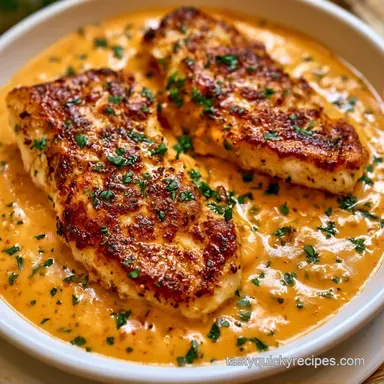
Red Snapper Creole with Creamy Sauce
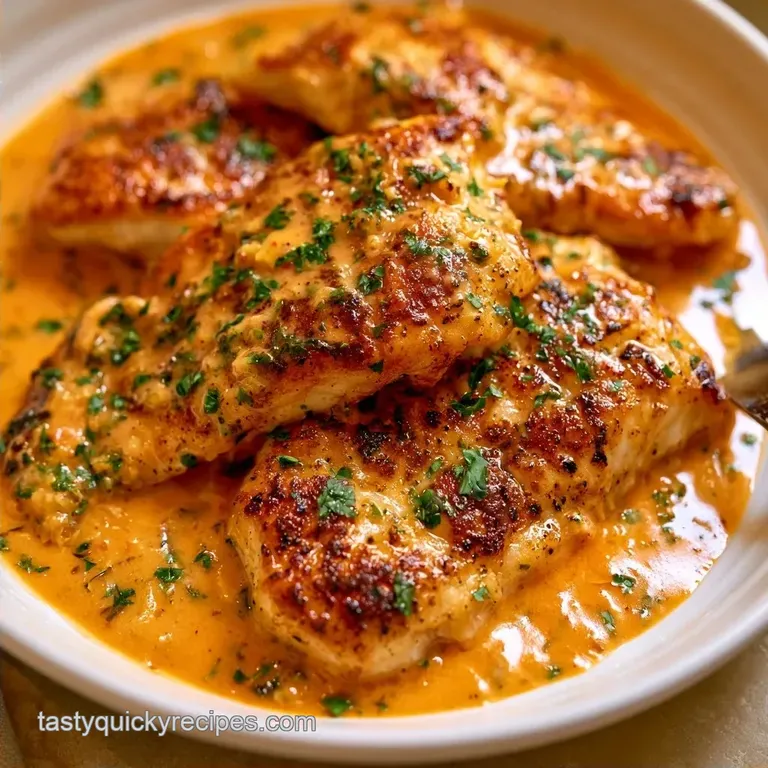
- Time: 15 min active + 20 min cooking
- Flavor/Texture Hook: Crisp skin with a rich, zesty cream sauce
- Perfect for: A fast but impressive weeknight dinner
Sizzle. That is the sound of a red snapper fillet hitting a hot cast iron pan. I used to be terrified of cooking fish because one minute it's raw and the next it's a rubbery piece of cardboard.
For a long time, I just stuck to baking it, but I missed that golden, shattering crust you only get from a over high heat sear.
Then I tried making Red Snapper Creole. It changed how I look at seafood because it combines that crisp texture with a sauce that actually holds up to the fish. You get the heat from the Creole spices, the tang of lemon, and a bit of cream to smooth everything out.
The goal here is speed. You don't need to spend hours simmering a base. We are using tomato paste and a bit of broth to get a deep flavor in about 20 minutes. This Red Snapper Creole is all about getting a win in the kitchen without the fuss.
Red Snapper Creole
Why This Recipe Actually Works
- The High Heat Sear: Using medium high heat to sear the skin keeps the fillets juicy and develops a savory crust. This ensures the fish stays intact when stirred into the sauce.
- The Holy Trinity: A base of onion, celery, and bell pepper provides a rich depth of flavor in just 5 minutes of softening.
- Creamy Reduction: Adding heavy cream at the finish mellows the tomato acidity and the spice heat, giving the Red Snapper Creole a balanced profile.
For a more classic preparation, you might prefer a Caribbean Red Snapper style, but this recipe is designed for a fast Tuesday dinner.
The primary difference between a slow cooked stew and this quick method is the fish's texture. In a traditional stew, the fish poaches; here, we sear it first to create a contrast between the crisp skin and the velvety sauce.
| Method | Time | Texture | Best For |
|---|---|---|---|
| Quick Pan Sear | 35 mins | Crisp skin, rich sauce | Weeknights |
| Slow Braise | 90 mins | Tender fish, deep broth | Sunday dinner |
Gathering Your Essentials
Before diving into the Red Snapper Creole, let's break down how the components work together. To keep things efficient and avoid waste, I recommend prepping all your vegetables beforehand. Since this is a one-pan meal, you'll be too busy searing the fish to handle chopping once you start.
What Each Ingredient Does
| Ingredient | Role | If You Don't Have It |
|---|---|---|
| Red Snapper | Lean protein | Sea bass or grouper |
| Tomato Paste | Umami depth | 1 tbsp tomato puree |
| Heavy Cream | Tempers heat | Full fat coconut milk |
| Creole Seasoning | Flavor base | Paprika + Cayenne + Garlic powder |
Full Ingredient List
- 4 (6 oz / 170g) red snapper fillets, skin on Why this? Keeping the skin ensures superior flavor and texture.
- 1 tsp (5g) salt
- ½ tsp (2g) black pepper
- 2 tbsp (30ml) olive oil
- 2 tbsp (28g) unsalted butter
- ½ cup (75g) yellow onion, finely diced
- ½ cup (75g) green bell pepper, finely diced
- ½ cup (75g) celery, finely diced
- 3 cloves (15g) garlic, minced
- 2 tbsp (32g) tomato paste Why this? It quickly delivers a concentrated tomato taste.
- 1 cup (240ml) low sodium chicken or seafood broth
- ½ cup (120ml) heavy cream
- 1 tbsp (8g) Creole seasoning
- 1 tbsp (15ml) fresh lemon juice
- 2 tbsp (8g) fresh parsley, chopped
Quick Substitutions
| Original Ingredient | Substitute | Why It Works |
|---|---|---|
| Heavy Cream | Coconut Milk | Comparable richness. Note: Imparts a hint of the tropics |
| Red Snapper | Cod Fillets | Similar white fish texture, though less firm |
| Chicken Broth | Vegetable Broth | Equivalent salt and liquid profile |
Equipment Needed
Preparing this Red Snapper Creole requires only a few basic kitchen tools. A 12 inch cast iron skillet is my top choice due to its superior heat retention compared to stainless steel, though a thick non-stick pan is a great alternative.
To ensure the sauce is perfectly smooth and lump free, use a whisk or a fork to stir in the cream rather than a spoon. Don't overlook paper towels they are essential for drying the fish, as any excess moisture will cause it to steam rather than sear.
Key Steps
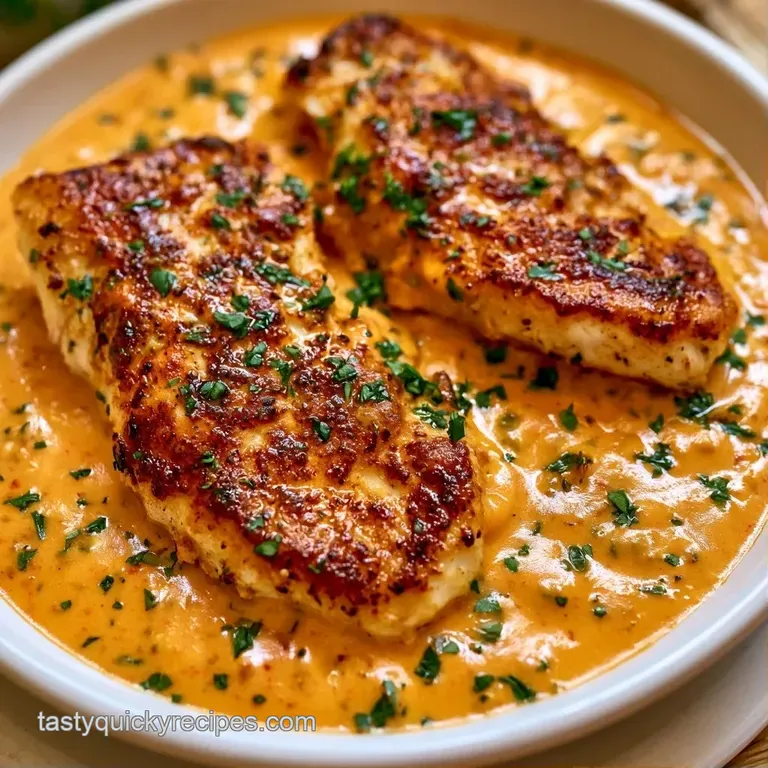
Here is the process. Keep your heat consistent. If the pan begins to smoke excessively, lower the temperature slightly, but make sure it doesn't go cold.
Searing the Fish
- Thoroughly pat the snapper fillets dry with paper towels and season both sides with salt and pepper. Note: Dry skin is essential for a crunchy texture.
- In a 12 inch cast iron or non stick skillet, heat olive oil over medium high heat until it shimmers.
- Place the fillets skin side down, pressing firmly for 10 seconds.
- Sear for 3–4 minutes until the skin is golden and crisp.
- Flip the fish and cook for an additional 2–3 minutes.
- Transfer the fillets to a plate and set them aside.
Building the Sauce
- Melt the butter in the same skillet over medium heat.
- Add the celery, bell pepper, and diced onion, sautéing for 4–5 minutes until softened.
- Stir in the tomato paste and minced garlic. Cook for 2 minutes until the paste reaches a rich brick red color.
- Mix in the Creole seasoning, then pour in the broth.
- Simmer for 5 minutes, stirring occasionally, until the liquid reduces by about one third.
- Turn the heat down to medium low. Gently whisk in the lemon juice and heavy cream until the sauce is smooth.
- Add the fish back to the pan to glaze, then garnish with fresh parsley.
Chef's Note: For a more vivid color on your fish, try adding a tiny pinch of paprika to the salt and pepper. It really makes the Red Snapper Creole pop visually.
Troubleshooting Guide
Even straightforward dishes can hit a snag. Most fish related mishaps are due to temperature. Placing fish into a cold pan often leads to sticking and tearing.
Sauce is Too Thin
This occurs if the broth wasn't reduced sufficiently before you stirred in the cream. If the consistency is too watery, simply simmer it on medium high for 2 minutes. Stir continuously to ensure the cream doesn't separate.
Fish Sticking to Pan
This is typically caused by oil that wasn't hot enough or trying to flip the fish too soon. Once the skin has seared properly, it will release from the pan naturally. If it feels stuck, give it another 30 seconds.
Sauce Tastes Too Salty
Salt levels can vary significantly between different Creole seasonings. To fix an overly salty sauce, add a splash of water or an extra squeeze of lemon juice. The acidity helps neutralize the saltiness.
| Problem | Fix |
|---|---|
| Thin Sauce | Simmer on medium high for 2 more mins |
| Sticking Fish | Wait 30 seconds before flipping |
| Over salted | Add extra lemon juice or a splash of water |
Creative Twists and Swaps
Red Snapper Creole is wonderfully adaptable. You can easily adjust the spice level or swap the main protein to suit your available ingredients. For those wanting a different fish preparation, check out my pan fried Red Snapper guide for a perfect sear without the sauce.
Alternative Proteins
This sauce works beautifully with sea bass, grouper, or large shrimp. When using shrimp, bypass the extended sear and simply sauté them for 2 minutes per side before taking them out of the pan.
Adjusting the Spice
For a kick, stir in some diced jalapeños with the onions or a dash of cayenne pepper. To make it kid-friendly, reduce the Creole seasoning by half and add extra paprika to maintain the vibrant color.
Low-Carb Alternatives
This dish is naturally low in carbohydrates. To keep it that way, replace the rice with sautéed spinach or steamed cauliflower.
Quick Tweaks
- Extra tang? → stir in 1 tsp lemon zest
- Thicker sauce? → simmer broth for 2 more mins
- More heat? → add ¼ tsp cayenne pepper
Storage & Reheating
To be fair, fish is always best when fresh. However, if you have leftovers, this Red Snapper Creole can be chilled for up to 48 hours. Keep the fish and sauce combined in a glass container.
When warming it up, try to skip the microwave. Microwaving can turn the fish rubbery and often causes the cream sauce to separate. Instead, place the fish and sauce in a small pan over low heat. Stir in a tablespoon of broth or water to restore the sauce's consistency.
To minimize waste, don't discard your pepper or celery scraps. Store them in a freezer bag with other vegetable trimmings. Once the bag is full, simmer them in water to make a simple vegetable stock for your next dish.
Serving Suggestions
This Red Snapper Creole needs something to soak up that sauce. I usually go with a bed of fluffy white rice or some crusty sourdough bread. The bread is great for wiping the plate clean.
If you want something lighter, a side of steamed asparagus or a crisp garden salad balances the richness of the cream. For a more traditional Southern feel, serve it with a side of cornmeal hoecakes.
The colors of this dish are great, so serve it in a shallow bowl. Pour the sauce around the fish rather than covering the top. This keeps the skin crispy while the bottom of the fillet soaks up the flavor.
Recipe FAQs
What is the best way to cook red snapper fillets?
Pan-searing in a cast iron or non-stick skillet produces the best results. This method creates a crisp exterior while keeping the inside moist and flaky.
Which spices pair best with red snapper?
Creole seasoning is ideal for this specific dish. Salt and black pepper are also essential for bringing out the fish's natural flavor.
Can I use other fish if I can't find red snapper?
Use a similar firm, white fish like grouper or sea bass. If you prefer a different style of preparation, our grilled red snapper offers a great alternative for firm fillets.
How long should I cook red snapper fillets?
Sear for 3 4 minutes skin side down and 2 3 minutes on the other side. These intervals ensure the fish is cooked through without becoming rubbery.
How to get crisp, golden skin on fish?
Pat the fillets completely dry with paper towels before seasoning. Press the fish firmly into a shimmering hot skillet for 10 seconds to ensure maximum contact.
Is it true that red snapper is too lean for pan-searing?
Actually, no. Its texture is perfect for searing, provided you use enough olive oil to prevent sticking.
Do I need to flour the fish to keep it from sticking?
Actually, that isn't the case. Patting the skin dry and using a hot pan is far more effective for getting a professional sear.
Red Snapper Creole