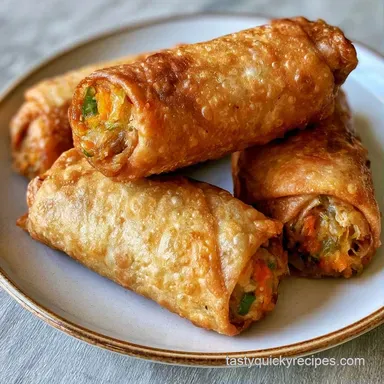
Shattering Crispy Rice Paper Spring Rolls

- Time: 15 min active + 10 min cooking
- Flavor/Texture Hook: Savory umami filling with a mahogany, crackling shell
- Perfect for: High energy lunches or a satisfying appetizer for friends
How to Make Rice Paper Spring Rolls
The scent of toasted sesame oil and frying garlic hits you the second the pan heats up. It's a smell that promises something substantial, far removed from the bland, sad desk lunches we've all suffered through. I remember the first time I tried frying these, I accidentally soaked the rice paper for too long.
They turned into a sticky mess that clung to the pan like glue. But once I figured out the two second dip, everything changed.
The rice paper is the real hero here. Unlike wheat wrappers, it doesn't just get crisp, it becomes a thin, glass like layer that snaps when you bite into it. It transforms the tofu and cabbage into something that feels like a treat but still fuels your day.
You can expect a savory, hearty filling wrapped in a shell that sounds like a cracker. These Rice Paper Spring Rolls don't require hours of prep, just a bit of focus during the rolling phase. We're aiming for a dense, tight roll that doesn't let air in, ensuring that every bite is packed with flavor.
Why the Texture Works
- Quick Hydration: Dipping the paper for 2-3 seconds keeps it pliable without making it too soft to hold.
- Starch Frying: The rice starch reacts to the hot oil by dehydrating rapidly, which creates that signature shattering crisp.
The trick is keeping the filling cool before wrapping. If the tofu and cabbage are steaming hot, they'll melt the rice paper from the inside, causing the rolls to tear or leak oil.
| Method | Time | Texture | Best For |
|---|---|---|---|
| Stovetop | 10 mins | Shattering, thin crisp | Maximum crunch and speed |
| Oven | 20 mins | Harder, drier crunch | Larger batches with less mess |
Right then, let's look at what's actually going into these rolls to make them so satisfying.
Filling Ingredient Breakdown
| Ingredient | What It Does | Best Swap |
|---|---|---|
| Extra firm Tofu | Provides the hearty protein base | Tempeh for a nuttier taste |
| Rice Paper | Creates the glass like exterior | Spring roll pastry (will be chewier) |
| Shredded Cabbage | Adds bulk and a slight snap | Napa cabbage for a milder flavor |
| Hoisin Sauce | Gives the dip a salty sweet punch | Plum sauce for more fruitiness |
Essential Kitchen Gear
You don't need a professional kitchen for this, but a few things make it easier. A large skillet or a wok is a must for the frying stage because you need enough room to flip the rolls without crowding them.
If you crowd the pan, the temperature drops and the rolls soak up too much oil, which banishes the crunch we're after.
I also suggest using a wide, shallow dish for the warm water. It allows you to submerge the rice paper sheets quickly and evenly. For the tofu, a heavy press or even another pan with some canned goods on top helps squeeze out excess moisture, ensuring the tofu browns rather than steams.
From Prep to Plate
For the Filling
- Heat a splash of oil in a skillet over medium heat. Add minced garlic and scallions, stirring for 30 seconds until the aroma is sharp and fragrant.
- Add the diced tofu to the skillet and cook for 3–5 minutes until the edges are lightly golden.
- Toss in the shredded cabbage and carrots. Stir fry for 2 minutes until softened but still retaining a slight snap.
- Stir in soy sauce, sesame oil, and ground black pepper. Remove from heat and spread the mixture on a plate to cool for 5 minutes Note: Cooling prevents the wrapper from tearing.
For the Wrap
- Dip one sheet of rice paper into warm water for 2 3 seconds until pliable but not overly soaked.
- Place a portion of filling in the center, fold in the sides, and apply firm pressure while rolling until no air pockets remain.
For the over High heat Crisp
- Heat neutral oil in a skillet or wok. Fry the rolls until the exterior is mahogany colored and shattering crisp.
- Whisk together hoisin sauce, peanut butter, sriracha, and warm water to create the dipping sauce Note: This creates a silky finish that balances the fried shell.
Chef's Note: If you find the rice paper sticking to your fingers, keep a damp cloth nearby to wipe your hands. It keeps the rolling process smooth and prevents the rolls from tearing.
Fixing Common Issues
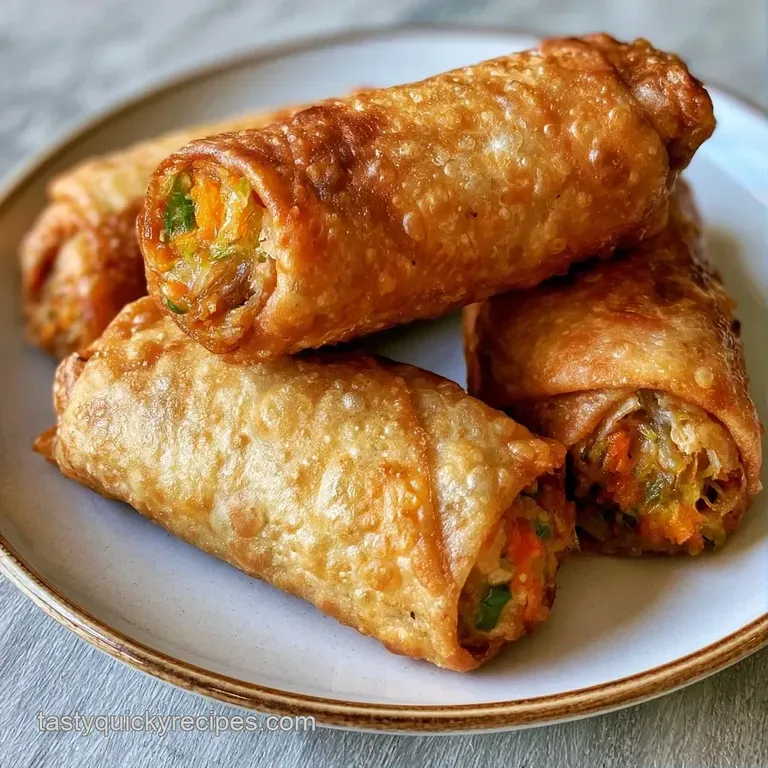
When you first start making Rice Paper Spring Rolls, things might get a bit sticky. The most common issue is the wrapper splitting. This usually happens if you over soak the paper or leave too much air inside the roll. If the paper is too wet, it loses its structural integrity and just flops.
Then there's the oil situation. If your oil isn't hot enough, the rolls won't crisp up; they'll just absorb the fat and feel greasy. You want the oil to shimmer before the rolls hit the pan. According to Serious Eats, maintaining a consistent oil temperature is the key to avoiding oily fried foods.
Fix Tearing Wrappers
Tearing usually means too much water or a filling that's too wet. Ensure your tofu is pressed well and the cabbage is stir fried until the moisture evaporates.
Avoid Oil Splatters
Water is the enemy of hot oil. Make sure the outside of your rolled Rice Paper Spring Rolls is patted dry with a paper towel before they go into the pan.
Stop Sogginess
Sogginess happens when you stack the fried rolls on a flat plate. Instead, stand them up or place them on a wire rack so air can circulate around them.
| Problem | Root Cause | Solution |
|---|---|---|
| Wrapper bursts | Air pockets inside | Roll tighter and press firmly |
| Greasy rolls | Oil temp too low | Heat oil until it shimmers |
| Sticky surface | Over soaked paper | Dip for exactly 2-3 seconds |
Swaps and Variations
If you want to change the vibe of these Paper Spring Rolls, you can easily swap the protein. While tofu is a powerhouse for fuel, you could use finely minced shrimp or ground pork. Just make sure the protein is cooked through before you wrap it, as the frying stage is mostly for the shell.
For those wanting Vegetarian Crispy Rice Paper Rolls, you can add shredded mushrooms for an earthier, more savory profile. I've found that shiitakes add a depth that mimics meat quite well. If you're going for Vegan Rice Paper Spring Rolls, just ensure your hoisin sauce doesn't have any hidden honey.
For Extra Protein
Add a tablespoon of hemp seeds or crushed peanuts to the filling. It adds a nutty crunch and bumps up the protein count for a more satisfying lunch.
For a Twist
Add a teaspoon of sriracha directly into the filling before rolling. This gives the inside a subtle heat that contrasts with the sweet peanut dipping sauce.
If you're in the mood for something fresher and less fried, you might like my Vietnamese salad rolls which use the same wrappers but skip the oil.
Adjusting the Batch Size
When you're making these for a crowd, don't just multiply everything and throw it in one pan. Work in batches of 5 or 6 rolls. If you put 20 rolls in a skillet at once, the temperature will plummet, and you'll end up with soggy rolls.
For a half batch, you can simply halve the ingredients. However, don't reduce the oil in the pan; you still need enough depth to fry the rolls effectively. If you're doubling the recipe, I recommend increasing the garlic and scallions by only 1.5x rather than 2x, as too much garlic can overpower the delicate taste of the rice paper.
| Batch Size | Pan Adjustment | Cooking Time | Tip |
|---|---|---|---|
| Single (4) | Standard skillet | 10 mins | Fry in 2 batches |
| Double (8) | Large wok | 15-20 mins | Maintain oil heat between batches |
| Half (2) | Small pan | 8 mins | Use less filling per roll |
Debunking Kitchen Myths
Some people think that you need to deep fry these in two separate stages to get them crunchy. That's a myth for these specific rolls. Because the rice paper is so thin, one over high heat fry is enough to get that glass like snap.
Another common misconception is that searing the tofu "seals in" the nutrients. In reality, the browning is just for flavor and texture. The nutrition stays largely the same whether you sear it or steam it, but the seared version tastes infinitely more satisfying.
Storage and Waste
These Rice Paper Spring Rolls are best eaten fresh, but you can store the uncooked rolls in the fridge for up to 24 hours. Just make sure they are separated by parchment paper, or they will stick together and rip when you try to move them.
Once fried, they stay crisp for about 2 hours at room temperature.
To avoid waste, don't throw away the cabbage cores or carrot peels. I usually toss my veggie scraps into a freezer bag. Once the bag is full, I boil them with some peppercorns and bay leaves to make a quick vegetable stock for other meals.
If you have leftover dipping sauce, keep it in a sealed jar in the fridge for 5 days. If it thickens too much, just whisk in a teaspoon of warm water to bring back that smooth consistency.
Best Ways to Serve
To make this a full, hearty meal, pair the rolls with a side of pickled daikon and carrots. The acidity of the pickles cuts through the richness of the fried shell and the peanut butter in the sauce. It turns a simple snack into a fueling feast.
If you want to lean into the nutty flavors, you can serve these with an additional peanut sauce recipe for extra dipping. The combination of the hot, crunchy roll and the cool, creamy sauce is exactly what you need to banish a boring Tuesday.
For a complete spread, try serving them alongside a bowl of steamed jasmine rice and some sautéed bok choy. It provides a balance of textures and ensures you're getting plenty of greens along with your protein.
Just remember to keep the rolls on a rack until the moment you serve them to keep that shatter crisp exterior intact.
Recipe FAQs
Can rice paper be fried for spring rolls?
Yes. They become shatteringly crisp when fried in neutral oil, providing a distinct texture compared to fresh summer rolls.
How to get rice paper rolls crispy?
Fry them in neutral oil until mahogany colored. Ensure the oil is sufficiently hot to create an immediate sear and a shattering exterior.
Are these spring rolls vegan?
Yes. This recipe relies on extra firm tofu and plant based vegetables, making it suitable for vegans.
What are Vietnamese rice paper spring roll wrappers?
Circular sheets made from rice flour and water. They are sold dried and must be dipped in warm water for 2 3 seconds to become pliable for rolling.
What are some great side dishes for spring rolls?
Serve them with a fresh cucumber salad or a light slaw. If you enjoy the savory salty balance in this recipe, see how we layer similar bold flavors in our smoky Southern classic.
How to store uncooked rolls without them sticking?
Separate each roll with parchment paper. This prevents the rice paper from bonding together, which otherwise causes them to rip during removal from the fridge.
What is the secret to crispy spring rolls?
Apply firm pressure while rolling to eliminate air pockets. Removing trapped air prevents the wrappers from bursting in the oil and ensures an even, crisp finish.
Crispy Rice Paper Spring Rolls