Vasilopita Bread: the Traditional Orange Mahlab New Years Loaf
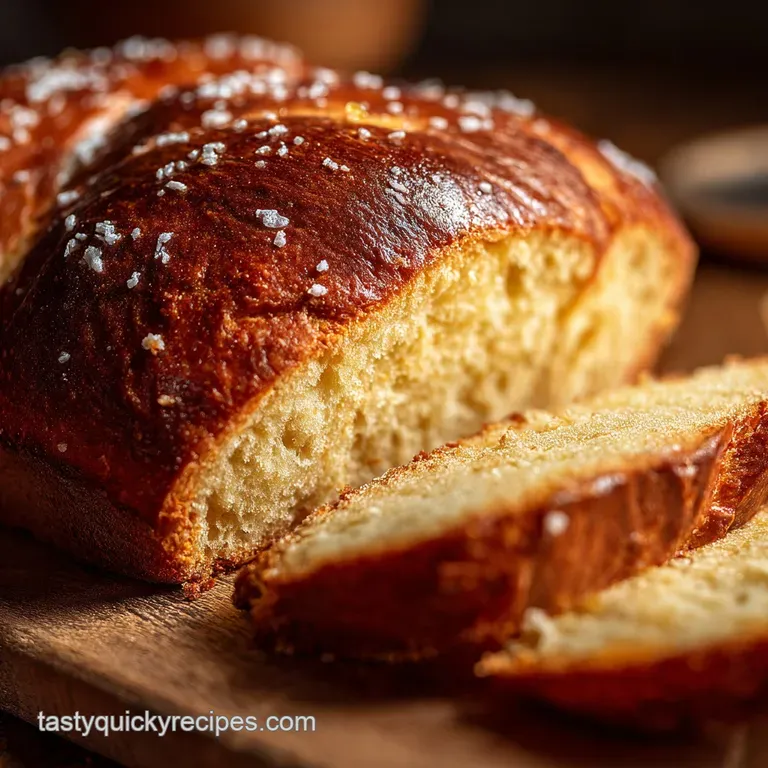
The Best Vasilopita bread Recipe
You know that feeling when you pull something perfectly golden and aromatic out of the oven? That’s what baking a Vasilopita bread does to your soul. Honestly, when you pull this golden masterpiece out of the oven, your whole house smells like a Mediterranean celebration, thanks to the heady mix of fresh orange zest and that incredible, mysterious spice, mahlab.
We are talking seriously good stuff here.
I used to be terrified of rich, yeasted doughs, thinking they took all day and required a pastry degree, but this Vasilopita bread recipe is surprisingly forgiving.
It requires time yes, because yeast waits for no one but the active steps are fast and straightforward, making it the ultimate way to feel like an incredibly accomplished baker without losing your entire Saturday.
This loaf is more than just a sweet bread; it’s a beautiful tradition, the centerpiece for New Year’s Day when you hide that lucky coin inside (the flouri ). We're going to dive into the foolproof, no-fail method I use every year to ensure a tender, fragrant crumb that stays moist for days.
Let’s crack on.
Why This Vasilopita bread Works
The magic of a truly great greek vasilopita bread recipe lies in its richness, which is where many home recipes fail by skimping on the fat. This dough is heavily enriched with butter and eggs, similar to a brioche.
The key step is adding the butter slowly , after the gluten has already started to develop.
Why does this matter? Kneading the dough first, before the fat is introduced, ensures the flour can absorb enough liquid and build a strong structure. The butter then gets smoothly laminated into that structure during the last 15 minutes of kneading, resulting in an exceptionally tender, cottony crumb.
This high fat content is what makes this loaf so tender and delicious, setting it apart from leaner sweet breads.
Flavor Profile and Texture
If you’ve heard of Tsoureki (the traditional braided Easter bread), this is its winter cousin. Vasilopita has a subtly sweet, profoundly buttery base, but the flavour profile is defined by bright, fresh orange zest and the nutty, slightly bitter almond note of mahlab.
Mahlab is the non-negotiable secret ingredient for authentic flavour. The texture is soft, rich, and pillowy, capable of soaking up coffee beautifully.
Ingredients You Need for Vasilopita bread
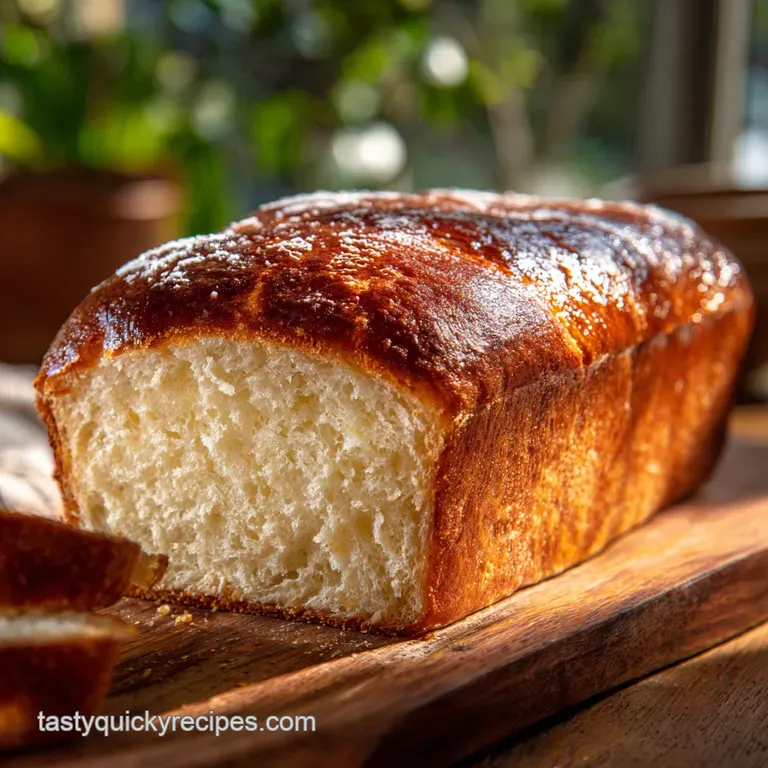
This is a vasilopita bread ingredients list where quality truly matters. Always use room temperature ingredients! Trust me, it matters for the yeast.
Main Ingredients Notes
- Bread Flour: I insist on using strong bread flour if you can find it. The higher protein content stands up better to the massive amount of butter we’re adding, resulting in a loftier, softer finished loaf.
- Mahlab: This is ground wild cherry seed. It’s what gives the bread its distinct, characteristic flavour. Without it, you are just baking a regular orange loaf which is fine, but not Vasilopita!
- Butter and Eggs: These must be at true, squishy, room temperature. Cold ingredients shock the yeast and make the dough stiff, resulting in a dense cake instead of fluffy bread.
Easy Substitutions and Swaps
| Ingredient | Why It’s Important | Easy Substitute |
|---|---|---|
| Instant Yeast | Ensures a rapid rise time. | Active Dry Yeast (Use 25% more, and proof in milk for 15 min instead of 5). |
| Whole Milk | Adds necessary fat and moisture. | Any non-dairy milk (oat or almond work well), but the final richness may slightly vary. |
| Mahlab | Provides authentic Greek flavour. | Use 1 tsp ground cardamom plus ½ tsp almond extract. (Flavour will change, but be delicious). |
| Bread Flour | High protein content for structure. | Standard All-Purpose (Plain) Flour, but be cautious not to over knead. |
Essential Equipment
You technically can knead this by hand, but since it's a high fat dough, it’s sticky and takes a solid 25 minutes of effort. A stand mixer is the absolute lifesaver here.
Invest in a reliable dough hook if you want this to be an easy New Year's tradition! You will also need a 9 inch round cake tin or springform pan.
How to Make Vasilopita bread step-by-step
This process is broken into four phases: Yeast Activation, The Slow Knead, The Rises, and the Bake.
Preparation Steps
- Awaken the Yeast: Gently warm your milk; it should feel just warm to the touch (around 95°F/35°C). Combine the milk, yeast, and one tablespoon of sugar in your mixer bowl. Let it sit for about 10 minutes. If it foams up beautifully, you’re good to go. If not, your yeast is dead, and you need to start over!
- Combine the Dry: In a separate large bowl, whisk together the flour, salt, mahlab, and remaining sugar. This ensures the spices are evenly distributed throughout the final Vasilopita bread .
- Mix the Dough: Add the room temperature eggs, yolk, and citrus zest to the yeast mixture. Then, gradually add the flour mixture. Mix on low speed until a shaggy, cohesive dough forms.
- The Critical Knead: Switch to your dough hook. Knead on medium low for 7 minutes. The dough will become smooth and start pulling away from the sides. Now for the secret: Add the soft, cubed butter, one cube at a time, allowing each piece to fully incorporate before adding the next. This takes patience!
Chef’s Note: Do not rush the butter step. If you dump it all in at once, the dough will turn into a greasy, slippery mess. The slow incorporation is the difference between dense bread and a fluffy dream.
Cooking Process
- First Rise (Bulk Fermentation): Transfer the dough to a lightly oiled bowl, flip it over to coat, and cover it tightly. Place it somewhere warm I use my oven with the light on and let it rise until doubled in size, usually 90 to 120 minutes.
- Shape and Coin Insertion: Gently deflate the risen dough. Shape it into a smooth, tight round. Take your clean, foil wrapped coin ( flouri ) and push it securely into the bottom center of the loaf. Make sure the coin is completely encased and won't poke out during the bake. Place the loaf in your prepared 9 inch tin.
- Second Rise: Cover the loaf loosely and let it proof again for 45 minutes. It should look puffy, but won’t double again. Preheat your oven to 350°F (180°C).
- Bake: Brush the loaf with an egg wash (egg mixed with a splash of milk) and decorate with sliced almonds or sesame seeds. Bake for 45– 50 minutes. If the top starts browning too fast, tent it lightly with foil for the last 15 minutes. It’s done when deeply golden and sounds hollow when tapped.
Expert Tips for Success
- Listen to the Knead: Your dough should be elastic, smooth, and slightly tacky, but not stick to your fingers once the butter is fully incorporated. If it feels too wet after 20 minutes of kneading, add flour one tablespoon at a time until it cleans the sides of the bowl.
- The Coin Safety Check: The flouri is the core of the vasilopita bread tradition . Always wrap the coin completely in foil for sanitation. Make sure everyone knows the coin is in there before serving!
- Don't Substitute the Zest: Use fresh orange zest, not bottled orange oil or extract. The fresh zest provides the brightest, cleanest citrus flavor that is essential to this specific New Year's loaf.
Common Mistakes to Avoid
- Killing the Yeast: The most common failure! If your milk is too hot (anything over 110°F/43°C), you kill the yeast and the bread won’t rise. Keep the milk temperature barely warm, like a comfortable bath.
- Under Kneading: High fat doughs like this need a serious workout. If you stop kneading too early, the gluten structure won't be strong enough to support the rich fat content, leaving you with a dense, heavy crumb instead of that desired fluffy texture. Knead until it passes the "windowpane test."
- Rushing the Cool Down: I know you want to slice into that amazing aroma immediately, but don't. Cutting the vasilopita while it's hot causes the internal moisture to steam away rapidly, resulting in a dry slice. Let it cool completely on a rack.
Storage, Freezing, and Reheating
But does it freeze well? You bet, which is great because this recipe makes one giant, glorious loaf.
How to Store Leftovers
Once the loaf is completely cool, store slices or the entire Vasilopita bread in an airtight container at room temperature. It keeps beautifully for 3 to 4 days.
If your kitchen is very warm, the fridge will extend its life to about 5 days, but be aware that refrigerated bread tends to dry out faster.
Freezing Instructions
If you want to bake ahead, or you just have too much (is that even possible?), you can freeze the whole loaf. Double wrap the cooled Vasilopita tightly in plastic wrap, then wrap again in aluminium foil. Label it! It keeps well in the freezer for up to 3 months. Thaw overnight on the counter while still wrapped.
Best Reheating Methods
Avoid the microwave unless you want tough bread; the microwave sucks the life right out of the crumb. To revive a slightly stale or previously frozen slice, wrap individual pieces loosely in foil.
Place them in a 300°F (150°C) oven for about 8– 10 minutes until warmed through and the crust is slightly crisp again.
What to Serve With This Dish
Traditionally, Vasilopita is sliced and served on New Year's Day with a strong cup of Greek coffee or a simple cup of tea. If you want to make it a dessert, try serving slices alongside a dollop of thick Greek yogurt drizzled generously with good quality honey and maybe a sprinkle of chopped walnuts.
It is the perfect, gently sweet start to the new year!
Recipe FAQs
What is Mahlab and can I substitute this unique spice?
Mahlab (or Mahlepi) is a traditional Greek spice made from the ground kernels of a specific cherry pit, giving the bread a unique, subtle, nutty aroma with notes of rose and sour cherry.
If you cannot find it, you may substitute a mix of cardamom and a tiny pinch of fennel seed, although the final flavor profile will be noticeably different from the classic Vasilopita.
My Vasilopita came out dense and dry instead of light and fluffy. What went wrong?
This is often a sign of insufficient liquid, using expired yeast, or, most commonly, not allowing the dough enough time for its initial rise. Since this is a high fat dough (similar to brioche), it requires a longer, warmer proofing period to properly develop structure and achieve that airy crumb.
Avoid over baking, which instantly dries out the loaf.
When should I insert the lucky coin (Flouri), and what safety precautions should I take?
The coin must be thoroughly cleaned, sterilized, and wrapped tightly in aluminum foil before use to ensure safety during consumption. It should be pressed into the bottom of the shaped dough right before the final proofing or inserted into the bottom of the fully cooled loaf to prevent it from shifting or burning during baking.
Can I prepare the dough the day before baking?
Yes, preparing the dough ahead of time is a great method to enhance the flavor complexity through cold fermentation. After the initial knead, place the dough in an oiled bowl, cover it tightly, and refrigerate it for 12 to 24 hours.
Be sure to let the dough sit at room temperature for at least two hours before shaping and beginning the final proof.
How should I store Vasilopita, and can I freeze the leftovers?
Store the completely cooled loaf in an airtight container at room temperature for up to 3 days to maintain freshness. For long term storage, slice the cooled bread and wrap individual slices tightly in plastic wrap before placing them in a freezer bag; frozen Vasilopita retains its quality for up to three months.
I don’t have an egg wash. How can I achieve a beautiful golden crust?
While an egg wash provides the deepest golden color and shine, you can achieve a nice crust by brushing the dough with melted butter or a simple mixture of milk and sugar right before baking. If you prefer a lighter, matte finish, a dusting of powdered sugar after the bread is cooled is a traditional alternative.
Can I make this recipe using a stand mixer instead of kneading by hand?
Absolutely, a stand mixer fitted with a dough hook is the recommended method for this sticky, high fat dough. Mix on low speed until the dough clears the sides of the bowl and achieves the "windowpane test," indicating sufficient gluten development. This process typically takes about 8 to 10 minutes of constant mixing.
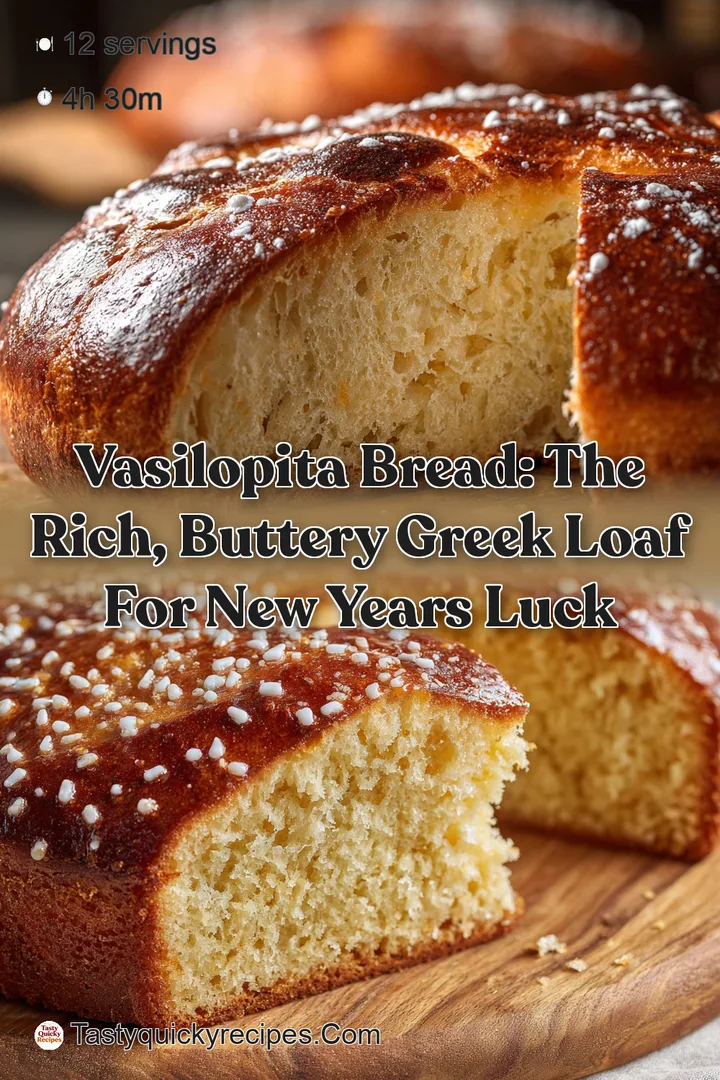
Traditional Greek Vasilopita Bread
Ingredients:
Instructions:
Nutrition Facts:
| Calories | 350 calories |
|---|---|
| Fat | 18 grams |
| Fiber | 2 grams |
