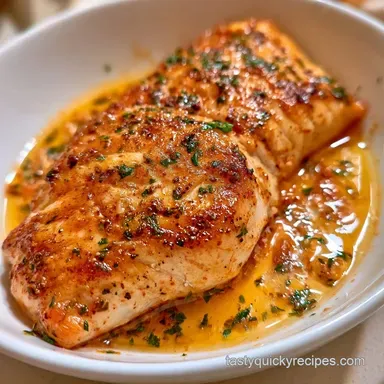
Pan-Seared Caribbean Red Snapper
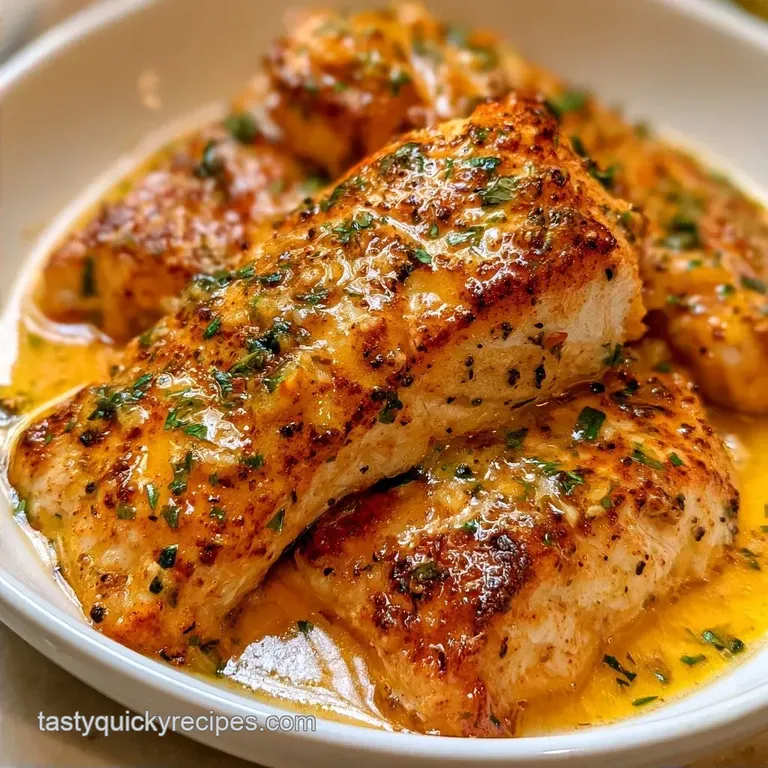
- Time: 15 min active + 20 min cook
- Flavor/Texture Hook: Shattering crisp skin and steaming white flakes
- Perfect for: A flavorful weeknight dinner that feels like a celebration
That loud, aggressive sizzle when the fish hits the hot oil is the best part. I used to think cooking a whole fish was only for people with fancy kitchens or years of training, but it's actually just about temperature.
Most people think you need to be terrified of the skin sticking or the flesh drying out. Forget that. Once you get the surface dry, the fish basically cooks itself.
You can expect a bold, punchy flavor from the scotch bonnet and lime. This Caribbean Red Snapper doesn't take long, but the results look like you spent hours on it.
Quick Facts for Caribbean Red Snapper
Right then, let's look at the approach. I prefer a plan based flow so you aren't scrambling while the oil is smoking.
- 1. The Prep
- Dry the skin and let the spices sink in for 10 minutes.
- 2. The Sear
- High heat, no moving the fish, until it releases naturally.
- 3. The Finish
- Basting with butter and aromatics for that glossy look.
Decision Shortcut:
Extra heat? $to$ add 1/4 tsp more cayenne.
Softer skin? $to$ use the oven baked method.
Tangier finish? $
to$ add 1 tbsp apple cider vinegar to the lime juice.
| Method | Time | Texture | Best For |
|---|---|---|---|
| Stovetop | 20 minutes | Shattering crisp | Quick weeknight meals |
| Oven | 25 minutes | Evenly tender | Cooking for a group |
Why the Sear Stays Crisp
There are a couple of things happening here that make the difference between soggy fish and a restaurant style crust.
- The Dry Skin Rule: Moisture is the enemy of a sear. When the skin is matte, the oil hits the protein directly instead of boiling the water on the surface.
- Carry over Cooking: Fish keeps cooking after it hits the plate. Pulling it at 135°F (57°C) means it reaches the safe 145°F (63°C) mark without becoming rubbery.
Gathering Your Essentials
To craft a delicious Caribbean Red Snapper, aim for a flavor profile that balances smoky, spicy, and earthy notes.
For the Snapper
- 2 lbs fresh Red Snapper (whole, scaled and gutted, or large fillets) Why this? Firm texture that stands up to high heat
- 1 tbsp vegetable oil Why this? High smoke point to prevent scorching
- 1 tbsp unsalted butter Why this? Adds richness and helps brown the garlic
For the Caribbean Spice Rub
- 1 tbsp sea salt
- 1 tsp cracked black pepper
- 1 tbsp smoked paprika Why this? Creates that deep mahogany hue
- 1 tsp garlic powder
- 1/2 tsp onion powder
- 1/4 tsp cayenne pepper
- 1 tsp dried thyme
For the Aromatics & Finish
- 2 tbsp fresh lime juice Why this? Bright acidity balances the richness of the butter
- 1 medium scotch bonnet pepper, thinly sliced Why this? Traditional island heat
- 3 cloves garlic, smashed
- 2 sprigs fresh thyme
- 1/2 cup chopped scallions
| Ingredient | What It Does | Best Swap |
|---|---|---|
| Smoked Paprika | Adds depth and color | Sweet paprika (less smoky) |
| Scotch Bonnet | Delivers heat and fruitiness | Habanero (similar heat) |
| Fresh Lime Juice | Cuts through the fat | Lemon juice (milder) |
| Fresh Thyme | Contributes earthy tones | Dried thyme (use less) |
Tools for the Job
Minimal gear is required, though your choice of pan is critical.
- 12 inch Cast Iron Skillet: Essential for its superior heat retention compared to stainless steel, which prevents the temperature from dropping when the fish is added.
- Fish Spatula: Use a thin, wide metal version to peek at the skin without damaging it.
- Instant read Thermometer: This is the only reliable way to ensure the center isn't overcooked.
- Paper Towels: You'll need a generous amount to get the skin completely dry.
Bringing It Together
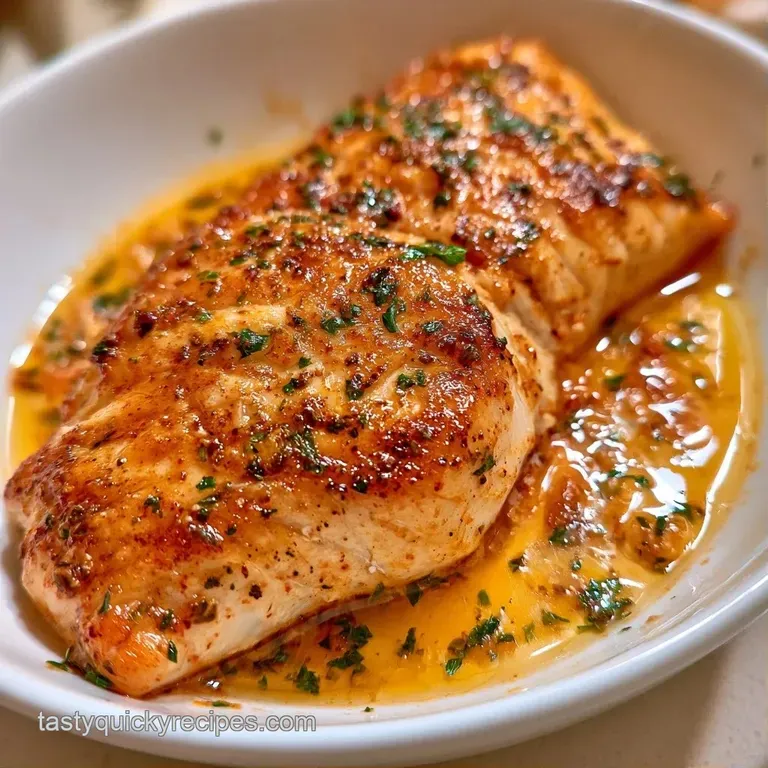
Let's get into the flow. Follow these steps and don't rush the searing part.
Phase 1: The Prep & Seasoning
- Pat the Caribbean Red Snapper dry with paper towels until the skin is completely matte. Note: Any moisture left will cause the fish to steam instead of sear.
- Using a sharp knife, make 3-4 shallow diagonal slashes across the skin. Note: This stops the fish from curling and lets the rub get deeper.
- Combine the sea salt, black pepper, smoked paprika, garlic powder, onion powder, cayenne, and dried thyme. Rub the mixture generously into the slashes and inside the cavity, then let the fish sit for 10 minutes.
Phase 2: Searing for a Shattering Crust
- Place a 12 inch cast iron skillet over medium high heat and add vegetable oil; heat until the oil begins to shimmer and barely smoke.
- Carefully lay the Caribbean Red Snapper in the pan, searing until the skin is mahogany colored and crisp. Note: Don't touch it for at least 5-7 minutes.
- Add butter, smashed garlic, sliced scotch bonnet, and fresh thyme sprigs to the pan. Baste the fish with the foaming butter as it finishes cooking.
Phase 3: The Aromatic Finish
- Remove the fish from the heat when the internal temperature reaches 135°F (57°C). Note: The carry over heat brings it to 145°F (63°C) while it rests.
- Finish with fresh lime juice and chopped scallions before serving.
Chef's Tip: If you're using a whole fish, use a heavy press or another skillet to gently weigh it down for the first 60 seconds. This ensures every inch of the skin hits the heat.
Avoiding Kitchen Disasters
Cooking fish can feel like a gamble, but most issues come down to timing and heat.
Fixing Sticking Skin
If the fish feels glued to the pan, you're likely trying to flip it too soon. The proteins need time to caramelize and release naturally. If it's resisting, give it another minute.
Avoiding the Rubbery Texture
Rubbery fish happens when the internal temp goes way past 145°F (63°C). Use your thermometer. If you don't have one, the flesh should just start to flake when poked with a fork.
Solving Bland Flavor
If the dish tastes flat, you probably missed the salt in the rub or the lime at the end. Acid is what makes the Caribbean Red Snapper "pop."
| Problem | Fix |
|---|---|
| Skin sticking to pan | Wait 60 seconds for natural release |
| Flesh is rubbery | Pull from heat at 135°F (57°C) |
| Flavor is dull | Add an extra squeeze of fresh lime |
Make It Your Own
Depending on how you're feeling, you can tweak the method or the flavor profile.
For a Jamaican Escovitch Twist
To go more traditional, fry the snapper and then top it with a heap of pickled carrots, onions, and pimento berries. It adds a vinegary punch that is just brilliant. If you want more ideas, check out this Jamaican Red Snapper recipe.
For a Caribbean Red Snapper Oven Baked Version
If you're feeding a crowd, sear the skin for 3 minutes in the pan, then move the whole skillet into a 400°F (200°C) oven for 10-12 minutes. It's a bit more hands off. You can also try this Baked Red Snapper for a simpler fillet approach.
For Those Using Fillets
Fillets cook much faster than whole fish. Reduce the searing time to 3-4 minutes per side. Since they lack the protective bone structure, be even more careful with the pull temperature to avoid drying them out.
Freezing and Reheating Guide
Store leftovers in a sealed glass dish in the refrigerator for two days. Steer clear of the microwave when reheating, as it turns the fish rubbery. Use a toaster oven or warm a dry pan on medium for 3 minutes to crisp the skin back up.
I wouldn't recommend freezing cooked Caribbean Red Snapper, as the texture changes too much. You can, however, freeze the raw fish vacuum sealed for approximately 3 months. Just let it thaw slowly in the fridge overnight before you cook it.
Don't throw away the fish head and bones. Simmer them with a bit of onion and celery for 30 minutes to create a light fish stock, which is a wonderful base for a chowder or seafood risotto.
What to Serve This With
Since this dish has a bold flavor, you'll want sides that either complement the spice or provide a cooling balance.
- Rice and Peas
- The creamy coconut milk in the rice helps temper the heat from the scotch bonnet.
- Fried Plantains
- Their natural sweetness offers a perfect counterpoint to the salty, smoky rub.
- Mango Salsa
- Mix diced fresh mango with red onion and cilantro for a zesty, fruity garnish.
If you prefer a lighter touch, a simple slaw with a lime cumin dressing is an excellent choice. The cabbage's crunch mirrors the crispiness of the Caribbean Red Snapper skin.
You're all set to start cooking. Just remember to keep the skin dry and rely on your thermometer for precision. This Caribbean Red Snapper is sure to be the standout meal of your week.
CRITICAL: Very High in Sodium
1520 mg 1,520 mg of sodium per serving (66% 66% of daily value)
The American Heart Association recommends a daily sodium limit of no more than 2,300 mg, and an ideal limit of 1,500 mg for most adults, especially those with hypertension.
Tips to Reduce Sodium in Your Red Snapper
-
Reduce Added Sea Salt-25%
The sea salt is the primary sodium source; reduce the amount by half or omit it entirely to significantly lower the sodium count.
-
Increase Lime Juice-15%
Add extra fresh lime juice to provide a bright, acidic punch that mimics the taste of salt and enhances the fish's natural flavor.
-
Use Salt Substitutes-10%
Replace the sea salt with a potassium based salt substitute or a sodium free seasoning blend for a similar salty profile.
-
Enhance Fresh Aromatics
Double the amount of fresh garlic, scallions, and thyme to create a more complex flavor profile that reduces the need for salt.
Recipe FAQs
Is Caribbean red snapper considered a high-quality fish?
It is an excellent choice for those who enjoy a lean, flaky texture. The mild flavor makes it very versatile for bold Caribbean seasonings.
How do I prevent the fish skin from curling?
Make three to four shallow diagonal slashes across the skin before cooking. This releases tension and allows seasonings to penetrate deeper into the flesh.
Which spices pair best with red snapper?
Use a blend of smoked paprika, garlic powder, onion powder, and a pinch of cayenne. These add a punchy, smoky depth that complements the fresh fish.
Is it true that snapper is always better than grouper?
Not true. Snapper is leaner and crisps up better, while grouper is meatier and holds up better in stews.
How to achieve a mahogany crust on the skin?
Heat vegetable oil in a cast iron skillet until it barely smokes before adding the fish. Leave it undisturbed until the skin releases naturally from the pan.
What variety of snapper tastes the best?
Red snapper is widely loved for its sweet, delicate taste and firm texture. It handles high heat searing better than most other varieties.
When should the fish be removed from the heat?
Pull the fish from the pan when the internal temperature reaches 135°F. Carry over heat will bring it to 145°F while keeping the flesh moist.
Can I serve this with a side dish?
Pair this dish with your favorite light sides to let the fish shine. If you enjoy the bold, aromatic depth of this meal, see how the same flavor layering works in our roasted red pepper soup.
Caribbean Red Snapper