Sugar Free Lemon Cake with Glaze: the Zesty, Guilt-Free Loaf
- Decoding the Perfect Sugar-Free Lemon Cake with Glaze: A Guilt-Free Classic
- The Science of Sweetness: Achieving Moist Cake Without Refined Sugar
- Baking Mastery: The Step-by-Step Guide to Your Sugar Free Lemon Cake with Glaze
- Troubleshooting and Expert Tips for the Ultimate Lemon Loaf
- Serving and Maintaining the Freshness of Your Citrus Cake
- Recipe FAQs
- 📝 Recipe Card
Decoding the Perfect sugar-free Lemon Cake with Glaze: A Guilt Free Classic
The Allure of Citrus: Why Lemon is the Ultimate Dessert Flavor
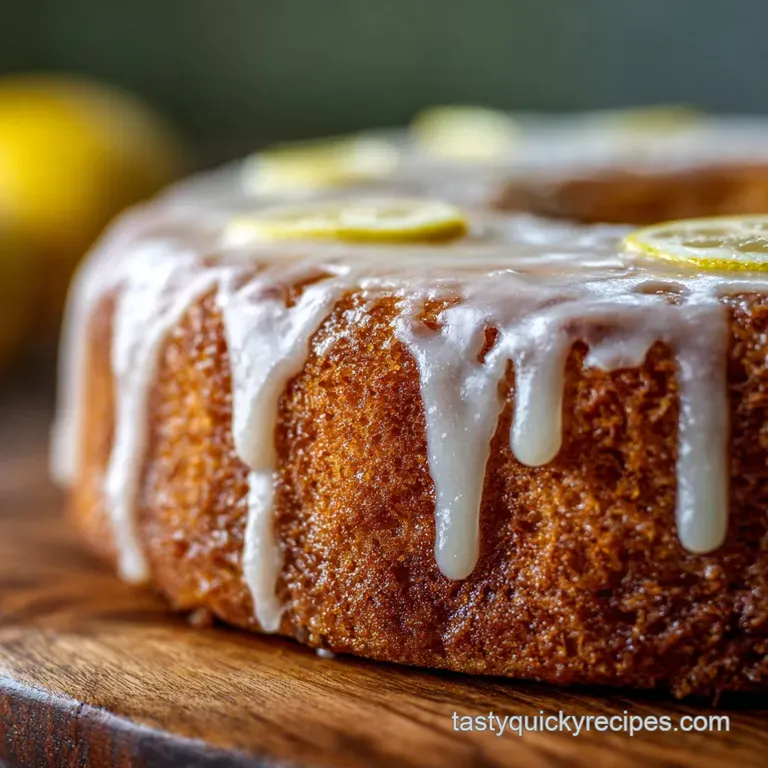
Imagine walking into your kitchen, that bright, zesty perfume of fresh lemon juice and vibrant zest hitting you immediately. That’s the feeling this cake delivers, long before you even take a bite.
The texture, rich and tender thanks to Greek yogurt, melts beautifully in your mouth beneath that signature, slightly crisp pucker-up glaze. Seriously, it's utter sunshine in a slice.
This isn't some complicated layer cake that demands three days of chilling and tempering. This sugar-free Lemon Cake with Glaze is a total lifesaver for busy weeks or last minute guests, mixing up faster than you can boil a kettle.
Since we’re ditching refined sugar, it lets the sharp, fresh flavor of the citrus truly shine, making it feel light and totally guilt free. You deserve deliciousness without the inevitable sugar crash, right?
We are going to tackle everything from the tricky science of baking with alternative sweeteners to achieving that thick, perfect glaze that doesn't just run off the sides. Pull out your mixer, grab those bright yellow lemons, and let’s crack on with the recipe that will become your new favorite.
What Makes This Loaf Cake Recipe Uniquely Guilt Free and Full of Flavor?
The magic here is structural; we use the fat and protein from Greek yogurt to mimic the moisture and density that refined sugar usually provides. Sugar is hydroscopic (it loves water), meaning it keeps cakes tender. When you take the sugar out, you have to replace that moisture retention function with something else.
This is why we load up on the lemon juice and Greek yogurt.
This loaf is dense enough to hold up beautifully but tender enough to slice cleanly, never crumbly or dry. We also utilize a two-part lemon delivery system: zest in the batter for oil-based aroma, and a quick liquid soak straight out of the oven for pure juice punch.
If you love a true lemon drizzle cake, this method is for you, delivering maximum zing every time.
Essential Tools and Prep: Setting Up Your Citrus Baking Station
Honestly, a good mixer makes the creaming step so much easier, whether it’s a hand mixer or a stand mixer. Don't skip the parchment paper sling! Lining your 9x5 pan with paper that overhangs the edges is the difference between a frustrating fight and an elegant removal.
Chef's Note: Always zest your lemons before you juice them trust me, trying to zest a floppy, hollow lemon half is a recipe for counter top disaster. We are going for maximum zest here, skipping the bitter white pith entirely.
The Science of Sweetness: Achieving Moist Cake Without Refined Sugar
The Role of Yogurt and Eggs in Creating a Tender Crumb
Think of the Greek yogurt as your secret weapon against the dreaded dry, grainy sugar-free lemon cake recipe . It provides critical fat, protein, and acidity. The acidity reacts with the baking soda, which gives us a lovely lift and tenderness.
Meanwhile, using room temperature eggs is non-negotiable because cold eggs break the emulsion when you add them to the creamed butter.
Mastering the Tart Sweet Dynamic with Lemon Zest and Juice
Lemon zest contains volatile oils that carry the primary flavor and fragrance that's the "lemon" smell that makes you feel happy. We use that zest early in the creaming process to infuse the fat.
The lemon juice, however, provides the sharp, acidic pucker , essential for balancing the richness of the butter and the sweetness of the sugar substitutes. This dual approach ensures a truly bright flavor profile.
Selecting the Right Non-Glycemic Sweeteners for Baking
When making a sugar-free lemon cake , the choice of sweetener matters immensely, especially for texture. I prefer using an Erythritol/Monk Fruit blend because it mimics the volume of sugar fairly well.
Warning: Pure Stevia can sometimes introduce a bitter aftertaste if used too heavily in the batter. For the glaze, you absolutely must use a powdered/icing sweetener blend; otherwise, your glaze will be granular and awful.
Flour Power: Choosing Between All-Purpose and Alternative Flours
Standard all-purpose flour works beautifully here, giving you reliable structure. If you need a gluten-free option, make sure you use a high-quality 1:1 baking blend. The consistency of the batter will feel slightly different, perhaps a bit thicker, but the final result will still be wonderfully moist, especially thanks to the added yogurt.
| Ingredient | Standard Option | Viable Substitution |
|---|---|---|
| All-Purpose Flour | Standard AP Flour | 1:1 gluten-free Baking Blend |
| Greek Yogurt | Full Fat Plain Greek Yogurt | Sour Cream or dairy-free Coconut Yogurt |
| Unsalted Butter | Softened Unsalted Butter | Refined Coconut Oil (solid at room temp) |
| Granular Sweetener | Erythritol/Monk Fruit Blend | Xylitol (Keep away from pets!) |
Baking Mastery: The step-by-step Guide to Your sugar-free Lemon Cake with Glaze
Creaming, Mixing, and Achieving the Perfect Batter Consistency
This cake relies on the classic creaming method, which is how we sneak air into the batter since the sweetener doesn't help volume much. Beat the room temperature butter and granular sweetener for a full 3 to 4 minutes until the mixture turns noticeably pale and fluffy.
Do not cut this step short. Once the eggs and yogurt go in, the mixture might look a little chunky, maybe even curdled that’s totally fine, just scrape the bowl down well.
When adding the dry ingredients, keep your mixer speed on low. Mix only until you see just the last trace of flour disappear. Overmixing develops gluten too much, which leads to a tough, dry cake. A light hand here is the secret to a tender crumb.
Ensuring Even Baking: Pan Preparation and Temperature Checks
Make sure your oven is properly preheated to 350°F (175°C). Loaf cakes can be tricky because the center takes longer than the sides, but the parchment sling helps regulate the temperature and prevents burning.
If you notice the top browning too quickly after about 30 minutes, simply tent it loosely with aluminum foil.
Knowing When Your Lemon Loaf Cake is Perfectly Baked
We are aiming for between 45 and 50 minutes. The edges should look golden brown and slightly pulled away from the pan. The best indicator is the skewer test: poke a long skewer or toothpick deep into the center.
It should come out clean, perhaps with a few moist crumbs clinging to it, but absolutely no wet batter.
Crafting the Bright, Quick Setting sugar-free Pucker-Up Glaze
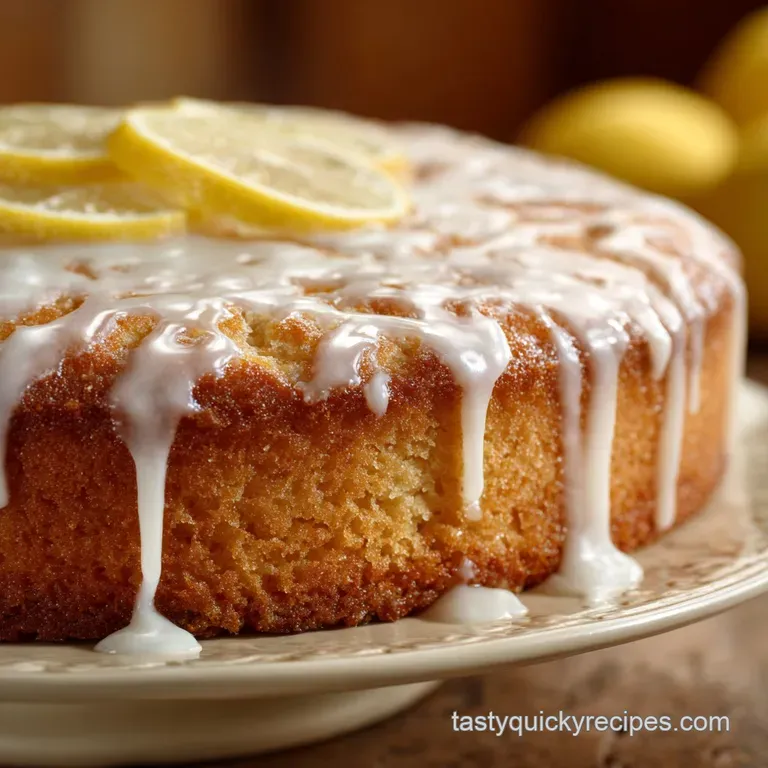
This sugar-free lemon cake glaze is the crowning glory. It needs to be thick but pourable think thick, opaque syrup, not runny water. Sifting your powdered sweetener is critical for preventing lumps; skip this and you'll regret it. Start with 2 tablespoons of lemon juice and mix, then add the remaining lemon juice drop by drop until you hit that perfect consistency. For a true drizzle, you want it to coat the back of a spoon thickly. If you really want to master the art of glazing, check out my tips for the brown butter glaze I use on my Apple Pie Biscuits: Flaky Laminated Dough with Brown Butter Glaze .
Troubleshooting and Expert Tips for the Ultimate Lemon Loaf
Preventing the Infamous Dry Cake: Moisture Retention Secrets
If your sugar-free lemon cake consistently comes out dry, you’re probably overbaking it or you’re not using enough fat/liquid. Start checking the cake 5 minutes earlier than the recipe suggests. Crucially, don’t skip the optional lemon soak (Stage 3, Step 9). That quick drizzle of liquid sweetener and juice while the cake is piping hot ensures maximum moisture absorption right after baking. It's a technique I’ve perfected, similar to what I learned ensuring my Ginger Pear Cheesecake: Achieve a Creamy, Crack Free Finish stays creamy.
Why Did My Cake Fall Flat? Addressing Leavening Issues
A cake typically falls flat for two reasons: insufficient leavening or opening the oven door too early. Ensure your baking powder and soda are fresh! If they’ve been sitting in the cupboard for six months, their power is gone.
Also, remember that your oven temperature needs to be accurate; if it's too cool, the structure won't set before the trapped air bubbles collapse.
Glaze Gone Wrong: Achieving the Ideal Drizzle Consistency
Did your glaze run right off the cake and pool sadly on the plate? Too much liquid. Did it turn into crunchy cement lumps? Not enough liquid, or you didn't sift your powdered sweetener. If it's too runny, add another tablespoon of sifted powdered sweetener.
If it's too thick, add a quarter teaspoon of liquid (lemon juice or milk) until it loosens up.
Serving and Maintaining the Freshness of Your Citrus Cake
Optimal Storage Solutions for Glazed Loaf Cake (Room Temp vs. Fridge)
The sugar-free Lemon Cake with Glaze is best stored in an airtight container at room temperature for up to 3 days. The glaze acts as a slight barrier, helping to lock in moisture.
If you need it to last longer, store it in the fridge for up to a week, but let it come back to room temperature before serving for the best texture.
Can I Freeze This sugar-free Lemon Cake with Glaze?
Yes! You bet it freezes well, but here’s the trick: Freeze it before glazing. Wrap the completely cooled loaf tightly in plastic wrap, then wrap it again in foil. It will keep beautifully for up to 3 months.
When you want to serve it, thaw it overnight in the fridge, let it warm up on the counter, and then prepare the fresh glaze right before serving.
Elegant Presentation and Recommended Serving Pairings
Slice the cake thickly and serve it on a pretty plate. Garnish with a few fresh lemon slices or some vibrant raspberries for a pop of color. I love serving this cake with something light and fizzy, especially during the warmer months, like a glass of homemade Lemon Ginger Ferment: Naturally Sparkling Probiotic Soda Recipe . The combination of tart cake and probiotic zing is unbeatable.

Recipe FAQs
Why is my sugar-free lemon cake dry or crumbly?
Dryness often occurs because sugar-free flours and alternative sweeteners absorb moisture differently than traditional granulated sugar recipes. Ensure you are measuring your flour accurately by weight if possible, and always avoid overbaking; test for doneness 5 minutes before the listed time using a toothpick.
Can I substitute the required sugar-free sweetener with standard granulated sugar?
While you can technically substitute, the chemistry and resulting texture will change significantly, requiring adjustments in liquid as traditional sugar is a wet ingredient that helps retain moisture.
If you use standard granulated sugar, the resulting cake will no longer be low-carb or sugar-free, and you should reduce any added liquids slightly to compensate.
I need a dairy-free version of this cake. What milk substitute works best?
Absolutely; full fat canned coconut milk or unsweetened almond milk are excellent replacements for dairy milk in this recipe, offering a neutral flavor profile while maintaining richness. If using canned coconut milk, ensure it is well mixed before measuring to incorporate the thick cream layer for optimum structure.
What is the best way to store the finished lemon loaf, and can I freeze it?
Store the cooled, unglazed cake wrapped tightly in plastic wrap at room temperature for up to 3 days, or refrigerate for up to a week. To freeze, wrap the cooled, unglazed loaf in two layers of plastic wrap followed by heavy duty foil, where it will keep well for up to three months.
My cake sank in the middle after I removed it from the oven. What caused this?
Sinking is typically a sign of underbaking, especially prevalent when using alternative flours which rely on precise setting time to maintain structure. Additionally, opening the oven door too early during the baking process can cause the temperature to drop drastically, collapsing the rising batter before it is fully set.
How do I prevent the sugar-free glaze from melting or running off the cake?
The key is controlling the ratio of powdered sweetener to liquid start by mixing a very small amount of liquid (lemon juice or water) until a thick, paste like consistency is achieved before adding more.
Crucially, only glaze the cake once it is completely cool, as applying glaze to a warm surface causes immediate melting and absorption into the crumb.
Is it necessary to use fresh lemon zest, or can I use bottled lemon juice for the flavor?
Fresh lemon zest is absolutely crucial for achieving that bright, intense lemon flavor without making the cake overly acidic or sour. The natural oils contained in the zest provide the primary aromatic lift that defines this recipe; bottled juice lacks this essential component and is only used for acidity.
sugar-free Lemon Glaze Loaf Recipe
Ingredients:
Instructions:
Nutrition Facts:
| Calories | 190 calories |
|---|---|
| Fat | 12 g |
| Fiber | 1 g |
