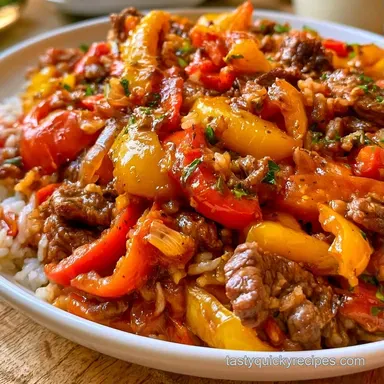
One-Pan Stuffed Pepper Skillet
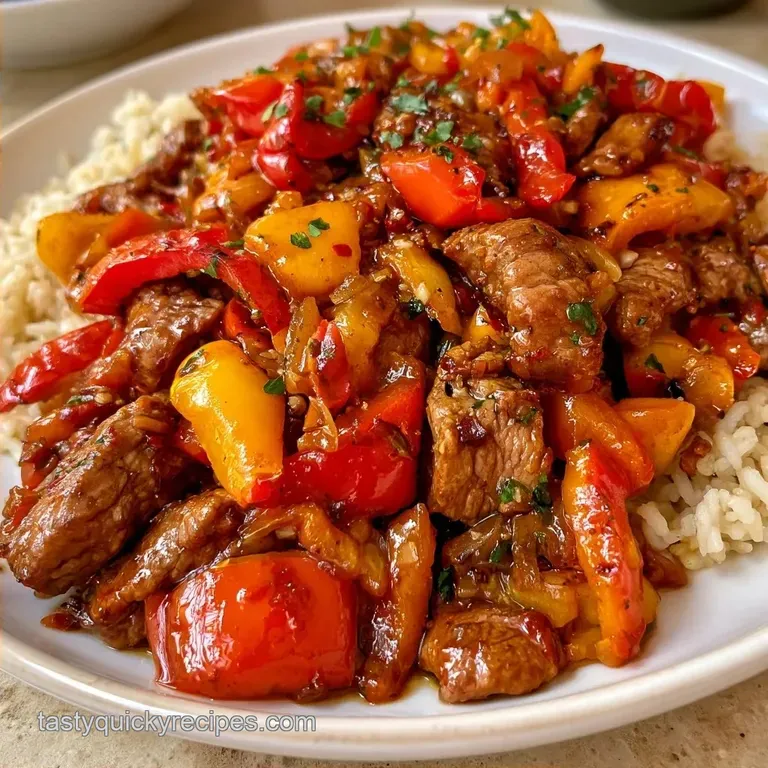
- Time: 10 min active + 20 min cook
- Flavor/Texture Hook: Cheesy, rich sauce with tender crisp peppers
- Perfect for: Weeknight dinner, meal prep, beginner friendly
Few things beat the sound of ground beef searing in a hot skillet. That loud sizzle is the sound of flavor developing. I spent years attempting traditional stuffed peppers, but they always felt tedious. I'd spend way too long stuffing each one, only to find the rice remained hard while the peppers turned to mush.
Everything changed when I tried the skillet method. Instead of fighting with the stuffing, I just chopped the ingredients. I overcooked the peppers into a soft mess on my first try, but after refining the timing, this became my staple Tuesday meal.
You can look forward to a hearty, cheesy dish full of nostalgic flavor. This Stuffed Pepper Skillet gives you the best of the oven-baked version without having to wait an hour for it to cook.
Easy One Pan Stuffed Pepper Skillet
The goal here is speed without losing the depth of flavor. Most people think you need a long bake time to get the peppers to taste "right," but over high heat sautéing actually preserves the brightness of the vegetables.
| Method | Total Time | Effort | Texture |
|---|---|---|---|
| Classic Baked | 90 minutes | High | Soft/Stewed |
| Stuffed Pepper Skillet | 30 minutes | Low | Tender Crisp |
Right then, let's look at the plan. First, we sear the protein to get that deep brown crust. Next, we build the aromatic base. Finally, we fold in the bulk and melt the cheese.
The Core Ingredients
Using a variety of colored peppers not only makes the Stuffed Pepper Skillet more vibrant but also introduces a subtle range of sweetness and earthiness.
| Ingredient | What It Does | Best Swap |
|---|---|---|
| Ground Beef | Provides savory base | Ground Turkey (leaner, milder) |
| Bell Peppers | Adds sweetness and crunch | Poblano peppers (for a smoky heat) |
| Cooked Rice | Absorbs sauce, adds bulk | Quinoa (higher protein, nuttier) |
| Tomato Paste | Deepens the color and tang | Extra tomato sauce (thinner result) |
I generally opt for lean beef, though a little fat is actually helpful since it carries the flavors of oregano and paprika more effectively.
Essential Kitchen Gear
No special equipment is required. A standard 12-inch skillet is the primary tool here. If your pan is too small, the meat will steam in its own liquids rather than brown, which ruins the flavor.
I recommend using a heavy-bottomed stainless steel or cast iron skillet. These materials retain heat better, helping the beef achieve that deep mahogany color more quickly. A sturdy spatula is also essential for breaking up the meat and stirring in the rice without crushing the peppers.
Cooking step by step
Let's get started. Ensure your rice is pre-cooked and cooled before beginning. Using hot rice can often result in a gummy texture.
- Heat olive oil in a 12 inch skillet over medium high heat. Add the ground beef, breaking it up with a spatula, and cook until mahogany and sizzling. Note: Allow the meat to sear for a minute before stirring for better results.
- Stir in the diced onion and sauté for 3-4 minutes until translucent.
- Mix in the minced garlic and cook for 60 seconds until fragrant.
- Stir in the tomato paste, oregano, and smoked paprika, ensuring the beef and onions are well coated.
- Pour in the undrained diced tomatoes and simmer for 5 minutes until the sauce thickens and clings to the beef.
- Fold in the cooked rice and diced bell peppers.
- Stir gently and cook for another 5-7 minutes until the peppers are tender but still hold their shape.
- Spread the mixture into an even layer and sprinkle shredded cheese across the top.
- Cover with a lid for 2 minutes until the cheese is melted and bubbly.
- Serve garnished with fresh parsley.
Chef's Note: For a more robust savory taste, stir in a teaspoon of Worcestershire sauce or a splash of soy sauce when adding the tomatoes. It adds depth without tasting primarily of soy.
Fixing Common Issues
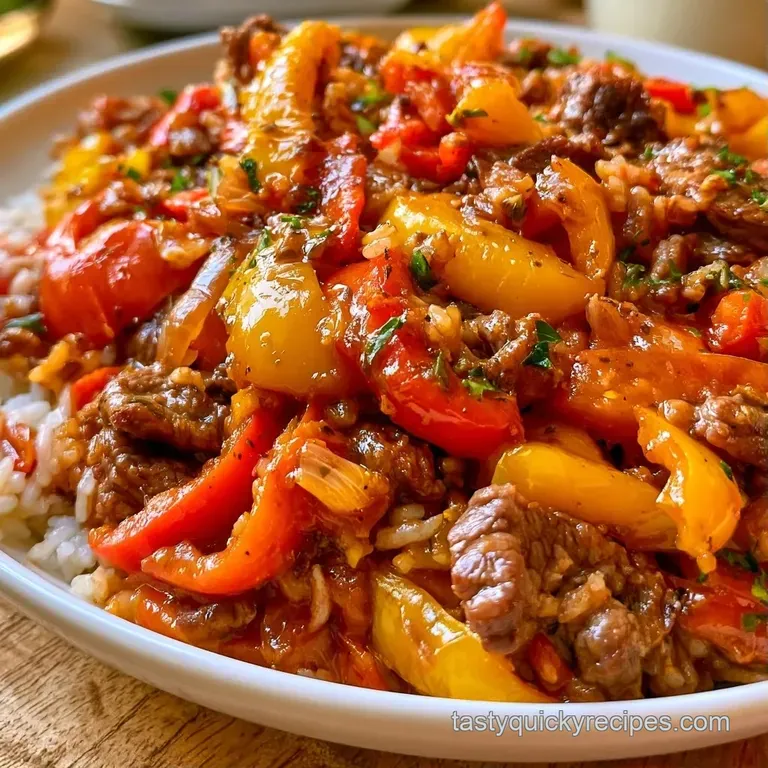
The most common struggle with a Stuffed Pepper Skillet is the texture. If you've ever ended up with a soupy mess, it's usually because of the liquid ratio or the timing of the vegetables.
When the peppers turn mushy, it's because they spent too long in the pan. They only need a few minutes to soften. If they're too soft, you've likely simmered them with the tomatoes for too long.
If the rice feels gummy, you might have over stirred the pan. Rice grains release starch when agitated, and in a sauce heavy dish like this, that can lead to a sticky consistency.
| Problem | Root Cause | Solution |
|---|---|---|
| Watery Sauce | Too many tomatoes/low heat | Simmer 3 more mins without a lid |
| Mushy Peppers | Added peppers too early | Add peppers in the last 7 minutes |
| Gummy Rice | Over stirring or wet rice | Fold gently; use chilled cooked rice |
| Bland Meat | Lacking browning | Increase heat for the initial sear |
Changing the Flavors
The Stuffed Pepper Skillet is wonderful because of its flexibility. You can easily switch out the grain or protein without throwing off the balance of the dish.
For a leaner option, try a Turkey Stuffed Pepper Skillet. Use 93% lean ground turkey and a bit of extra salt to compensate for turkey's milder taste. To make it plant-based, a Vegetarian Stuffed Pepper Skillet using crumbled tempeh or a meat substitute is an excellent choice.
If you're looking for a dish with more vegetables and less beef, this Chicken Vegetable Skillet is a perfect addition to your weekly meal plan.
Decision Shortcut:
- More heat? → add 1/2 tsp red pepper flakes.
- Lighter meat? → swap beef for ground turkey.
- Different grain? → use cooked quinoa.
Saving and Reheating
This Stuffed Pepper Skillet is a wonderful option for meal prep. The dish improves after sitting overnight, as the rice has more time to absorb the tomato and paprika seasoning.
Store any remaining portions in a sealed glass container for up to 3 days in the fridge. If freezing, I suggest using freezer-safe bags for individual servings, which will last up to 3 months.
Avoid the microwave when reheating if you can. Instead, place a serving in a small pan with a splash of water and cover it for 2-3 minutes over medium heat. This prevents the rice from drying out and keeps the cheese from becoming rubbery.
To practice zero waste, save the onion skins and bell pepper stems. I collect mine in the freezer to use for a quick vegetable stock later.
What to Serve With
Because the Stuffed Pepper Skillet is so hearty with its beef and rice, you won't need many side dishes. A crisp garden salad with a tangy dressing helps balance the richness of the melted cheese.
I enjoy pairing this with buttery Albers Cornbread for a truly comforting meal. The cornbread's sweetness is a great match for the acidic tomatoes.
For a lighter option, sautéed spinach or steamed broccoli are excellent choices. The secret is adding something fresh and crunchy to offset the soft, cheesy texture of the skillet.
Why This Method Works
The magic of the Stuffed Pepper Skillet comes down to how we handle the heat. By searing the meat first, we create those brown, savory bits that give the dish a rich foundation.
Fast Sautéing: Cooking peppers quickly prevents them from breaking down into a mushy state, keeping the "snap" of a fresh vegetable. Rice Absorption: Using pre cooked rice allows the grains to act as sponges, pulling the tomato sauce into the center of the grain.
Serious Eats' testing shows that browning meat at high heat creates more complex flavor profiles than simmering, which is why the initial sear is the most important part of this recipe.
Debunking the Stuffing Myth
Some people think you must bake peppers to get the flavor to meld. That's not true. Stirring the ingredients in a pan increases the surface area contact, meaning every bite of rice is coated in sauce.
Another myth is that you need to "pre cook" the peppers. If you do that, they'll inevitably turn to mush by the time the meat is done. Just add them at the end.
High in Sodium
840 mg 840 mg of sodium per serving (37% 37% of daily value)
The American Heart Association recommends a daily sodium limit of no more than 2,300 mg, with an ideal limit of 1,500 mg for most adults.
Tips to Reduce Sodium
-
Omit Added Salt-25%
Completely skip the 'salt to taste'; the cheese and canned tomatoes already provide significant sodium.
-
No-Salt-Added Tomatoes-20%
Replace the standard canned diced tomatoes with no-salt-added versions or use fresh diced tomatoes.
-
Limit the Cheese-15%
Reduce the amount of shredded mozzarella or cheddar by half, or use a fresh, lower-sodium mozzarella.
-
Low-Sodium Tomato Paste-10%
Select a no-salt-added tomato paste to avoid the hidden sodium often found in concentrated pastes.
-
Boost Flavor with Herbs
Increase the dried oregano and smoked paprika or add a squeeze of fresh lemon juice to enhance taste without adding salt.
Recipe FAQs
How do you make stuffed pepper in a skillet?
Brown ground beef in a skillet, then sauté onions and garlic. Stir in tomato paste and diced tomatoes before folding in diced peppers and cooked rice.
Is it true that I need to pre-cook the bell peppers before adding them?
No, and here's why. Sautéing the diced peppers for 5-7 minutes at the end ensures they stay tender-crisp rather than becoming mushy.
What common mistakes lead to mushy peppers?
Adding the bell peppers too early in the process is the main culprit. Stir them in only after the sauce has thickened to preserve their shape.
Can I use a different cheese than mozzarella?
Sharp cheddar works beautifully as a substitute for a bolder flavor. If you enjoyed the melted cheese texture here, see how the same principle works in our traditional layers recipe.
Do I need to drain the canned tomatoes first?
Keep the liquid in the can to create a richer sauce. The undrained juices help simmer the meat and rice together for a more cohesive dish.
Stuffed Pepper Skillet One-Pot