Slow Cooker Loaded Baked Potato Soup: Creamy and Silky
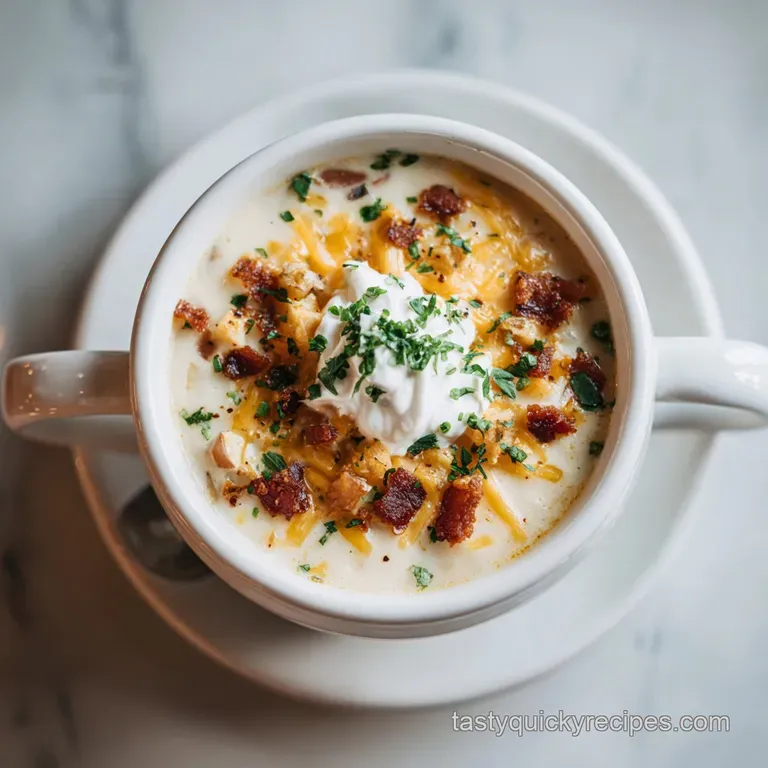
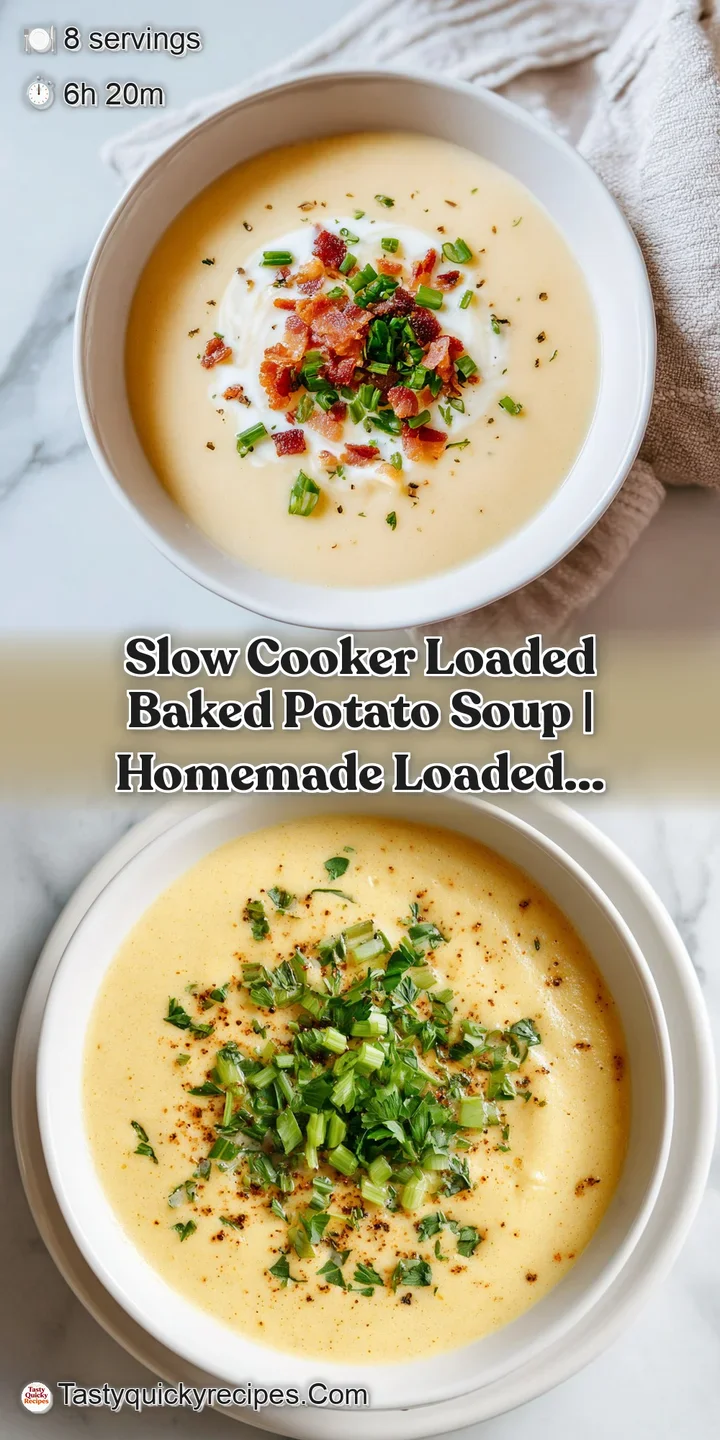
- Time: Active 20 minutes, Passive 6 hours, Total 6 hours 20 mins
- Flavor/Texture Hook: Velvety, smoky, and loaded with sharp cheddar
- Perfect for: Stress free family dinners and cold weather meal prep
- Crafting the Ultimate Slow Cooker Loaded Baked Potato Soup for Busy Evenings
- Analyzing the Recipe Specs and Timelines
- Gathering Your Essentials for a Flavorful Base
- Essential Kitchen Tools for Success
- Mastering the Key Steps to Velvety Perfection
- Avoiding Kitchen Disasters with Pro Troubleshooting
- Creative Variations and Substitutions for Every Palette
- Keeping It Fresh: Storage and Reheating Guidelines
- Serving Suggestions and Debunking Potato Myths
- Very High in Sodium
- Recipe FAQs
- 📝 Recipe Card
Crafting the Ultimate Slow Cooker Loaded Baked Potato Soup for Busy Evenings
There is nothing quite like walking through the front door after a long day of juggling work and family and being hit with the smell of smoky bacon and savory onions. It is that "instant relief" aroma that tells your brain the hard part of the day is over.
Last Tuesday, I was running between school pickups and a grocery run, and I realized I had zero energy for standing over a stove. I dumped my ingredients into the crock, clicked it to low, and honestly forgot about it until the house started smelling like a high end steakhouse.
Discover our incredible Slow Cooker Loaded Baked Potato Soup Recipe for a truly satisfying meal. This isn't just a watery broth with some potato chunks floating around; it is a thick, rich, and "loaded" experience that feels like a warm hug in a bowl.
We have all had those soups that are either too thin or, worse, have that weird grainy texture from the dairy splitting. I have made those mistakes so you don't have to.
The beauty of this dish is how it transforms humble ingredients like Russet potatoes and sharp cheddar into something that feels fancy. It is fast to prep, flavorful enough to satisfy the pickiest kids, and brings everyone to the table without a fight.
Let's get into the nitty gritty of how to make this work every single time, even on your busiest weeknight.
Analyzing the Recipe Specs and Timelines
When we talk about a Slow Cooker Loaded Baked Potato Soup Recipe, we are looking at a classic "set it and forget it" situation, but with a strategic finish. You cannot just throw dairy in at the start and expect it to hold up for six hours. The timeline here is crucial for maintaining that velvety texture we all crave.
| Method | Time | Texture | Best For |
|---|---|---|---|
| Slow Cooker (Low) | 6 hours | Ultra creamy, deep starch integration | Busy workdays, maximum flavor |
| Slow Cooker (High) | 4 hours | Tender potatoes, slightly thinner base | Weekend lunches, faster turnaround |
| Stovetop (Classic) | 45 mins | Chunky, brighter onion flavor | Last minute cravings, active cooking |
Choosing your method depends entirely on your schedule. I almost always opt for the 6 hour low setting because it allows the potatoes to release their starches slowly, which thickens the broth naturally.
If you're in a rush, the high setting works, but you might find you need to mash a few more potatoes at the end to get that signature thickness.
1. The Starch Release Strategy
The secret to a great Baked Potato Soup Recipe lies in the potato itself. By dicing them into 1/2 inch cubes, we create more surface area. More surface area means more starch escaping into the chicken broth as they simmer.
This starch acts as a natural thickener, meaning we can skip the heavy flour based roux that often makes soups feel "pasty" rather than creamy.
2. The Dairy Tempering Secret
Never, and I mean never, dump cold cream cheese or heavy cream straight into a boiling pot. This is the fastest way to get a grainy, broken soup. We use a technique called tempering, where we mix a little bit of the hot soup liquid into our dairy before adding it back to the main pot.
This brings the dairy up to temperature gently, ensuring a silky smooth finish.
3. The Dual Texture Technique
I like a soup that has personality. If you blend the whole thing, it feels like baby food. If you don't mash any of it, it feels like a thin stew. By mashing exactly 30% of the potatoes, we get the best of both worlds: a thick, luxurious base and hearty chunks of tender potato in every spoonful.
Gathering Your Essentials for a Flavorful Base
Success with this Baked Potato Soup Recipe starts with the right components. You want ingredients that can stand up to hours of slow simmering without losing their identity. I always reach for the sharpest cheddar I can find because the flavor mellows out as it melts into the hot liquid.
| Ingredient | Science Role | Pro Secret |
|---|---|---|
| Russet Potatoes | High starch content provides the thick, flour like body. | Peel them thoroughly to avoid "earthy" skin bits in the cream. |
| Cream Cheese | Acts as an emulsifier to keep the fats and liquids bonded. | Use full fat only; low-fat versions contain gums that can clump. |
| Chicken Broth | The savory liquid base that hydrates the potato starches. | Use low sodium so you can control the final salt punch. |
- 3 lbs Russet potatoes: Peeled and diced into 1/2 inch cubes. Why this? High starch content ensures the soup thickens naturally without extra flour. (Substitute: Yukon Gold for a waxier, more intact potato chunk).
- 1 medium yellow onion: Finely diced. Why this? Provides a foundational sweetness that balances the salty bacon. (Substitute: Shallots for a more delicate, garlicky flavor).
- 3 cloves garlic: Minced. Why this? Adds aromatic depth that develops over the long cook time. (Substitute: 1 tsp garlic powder in a pinch).
- 32 oz low sodium chicken broth: Why this? Controls the saltiness while providing a rich savory backbone. (Substitute: Vegetable broth for a vegetarian friendly base).
- 1 tsp salt & 0.5 tsp cracked black pepper: Basic seasoning.
- 0.25 tsp smoked paprika: Why this? Adds a hint of "charred" flavor that mimics a real baked potato skin. (Substitute: Regular paprika for less smokiness).
- 8 oz cream cheese: Cubed and softened. Why this? Provides the ultimate creamy mouthfeel and stability. (Substitute: Mascarpone for an even richer, sweeter finish).
- 1 cup heavy cream: Why this? Adds fat for a luxurious, velvety texture. (Substitute: Half and half, but the soup will be thinner).
- 0.5 cup full fat sour cream: Why this? Adds a necessary tang to cut through the heavy fats. (Substitute: Plain Greek yogurt for more protein).
- 2 cups sharp cheddar cheese: Freshly shredded. Why this? Pre shredded cheese has cellulose that prevents smooth melting. (Substitute: Gruyere for a nutty, sophisticated twist).
- 8 slices thick cut bacon: Fried and crumbled.
- 0.25 cup fresh chives: Sliced for a bright, oniony finish.
Essential Kitchen Tools for Success
You don't need a professional kitchen to pull off a Cooker Loaded Baked Potato Soup Recipe, but a couple of specific tools will make your life significantly easier. I've tried making this with a regular spoon and a wish, and trust me, the masher is a requirement, not a suggestion.
1. 6 Quart Slow Cooker
This size is the "sweet spot" for family meals. It provides enough room for the potatoes to submerge in the broth without overcrowding, which ensures even cooking. If you use a smaller pot, you might find the potatoes on top stay hard while the ones on the bottom turn to mush.
2. Manual Potato Masher
This is my secret weapon for texture control. An immersion blender is often too aggressive and can turn potato starch into a "gluey" mess if you over process it. A manual masher allows you to target just a portion of the potatoes, leaving those glorious chunks intact.
Chef's Tip: If you don't have a masher, use a large fork or a sturdy whisk to break up some of the potatoes against the side of the slow cooker pot. It takes a little more elbow grease but gets the job done.
Mastering the Key Steps to Velvety Perfection
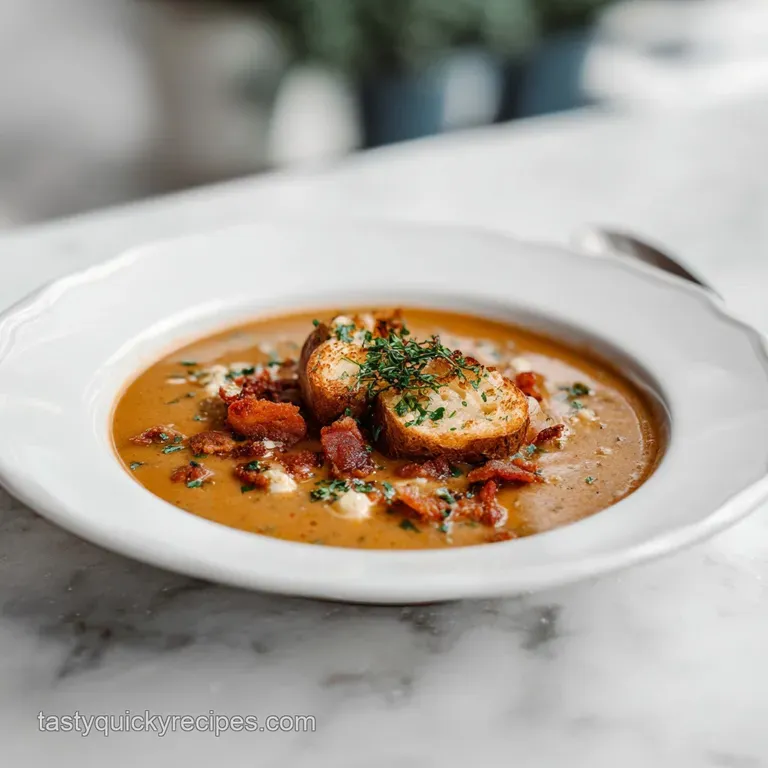
Let's walk through the actual execution. The goal here is a smooth flow from the morning prep to the evening finish. If you're organized, the final 20 minutes of this recipe are completely stress free.
- Combine the foundation. Place the 3 lbs of diced potatoes, yellow onion, minced garlic, salt, pepper, smoked paprika, and 32 oz of chicken broth into the 6 quart slow cooker. Note: Ensure potatoes are mostly submerged to cook evenly.
- Set the timer. Cover and cook on Low for 6 hours (or High for 4 hours) until the potatoes are tender and easily pierced with a fork.
- Create the texture. Using a manual potato masher, crush approximately 30% of the potatoes directly in the pot. Watch for the broth to thicken slightly and become cloudy.
- Prepare the dairy. In a separate small bowl, whisk the 8 oz of softened cream cheese and 0.5 cup of sour cream together until smooth.
- Temper the mixture. Slowly whisk in a ladle of the hot soup liquid into the dairy bowl. Keep whisking until the mixture is fluid and warm to the touch. Note: This prevents the cold dairy from clumping in the soup.
- Enrich the soup. Stir the tempered dairy mixture, 1 cup of heavy cream, and 1.5 cups of the shredded cheddar cheese into the slow cooker.
- Final melt. Cover and cook for an additional 15–20 minutesuntil the cheese is fully melted and the soup is velvety.
- Garnish and serve. Serve hot, topped with the crumbled bacon, the remaining 0.5 cup of shredded cheddar, and the fresh chives. The contrast of cold toppings on hot soup is essential.
Avoiding Kitchen Disasters with Pro Troubleshooting
Even with a straightforward Cooker Loaded Baked Potato Soup Recipe, things can go sideways. I remember my first batch was so thin it was basically potato water. I realized I hadn't mashed enough of the spuds to release the starches. If you find yourself in a similar spot, don't panic. If you're looking for a version that adds even more protein to the mix, you might want to see how I handle textures in my Chicken Potato Soup.
1. Why is my soup grainy?
Graininess usually happens when the cheese or cream cheese is added to a liquid that is too hot, or if the dairy was too cold. The proteins in the cheese seize up and separate from the fat.
To fix this, you can try whisking in a small splash of warm milk, but the best cure is prevention through the tempering step mentioned in the instructions.
2. Why are the potatoes still hard?
Potatoes need heat and time. If they are still crunchy after 6 hours, your slow cooker might have a weak heating element, or you might have added something acidic too early (like lemon juice or a lot of sour cream). Acid prevents the pectin in potatoes from breaking down.
Stick to the timeline and keep the lid closed!
3. Fixing a "Thin" Soup
If your soup looks more like a broth than a creamy delight, you likely just need to mash more potatoes. If you’ve already mashed 30% and it’s still thin, take another ladleful of potatoes out, mash them into a paste in a bowl, and stir them back in. The extra starch will act like a magnet for the liquid.
| Problem | Root Cause | Solution |
|---|---|---|
| Separated/Oily Surface | Cheese was added at too high a temperature. | Stir in 1 tablespoon of heavy cream and whisk vigorously. |
| Mushy/Gluey Texture | Over mashing or using an immersion blender too long. | Stop mashing immediately; add extra whole cooked potato cubes. |
| Bland Flavor | Not enough salt to compete with the potato starch. | Add an extra pinch of salt or a splash of Worcestershire sauce. |
Common Mistakes Checklist
- ✓ Don't skip the peel: Russet skins are tough and don't soften well in the slow cooker; they'll ruin the velvety mouthfeel.
- ✓ Shred your own cheese: Bagged cheese is coated in potato starch or cellulose to prevent sticking, which makes for a gritty soup.
- ✓ Soften the cream cheese: If it's cold from the fridge, it will never fully incorporate, leaving you with little white lumps.
- ✓ Keep the lid on: Every time you peek, you lose 15-20 minutes of cooking heat. Trust the process!
- ✓ Check your dice size: Keep the cubes to 1/2 inch; larger chunks won't release enough starch to thicken the base.
Creative Variations and Substitutions for Every Palette
Sometimes you want to shake things up. Maybe you're out of bacon, or you want something a bit lighter. This Loaded Baked Potato Soup Recipe is incredibly forgiving. If you find yourself craving these flavors but want a side dish instead of a main, my Twice Baked Potato Casserole is basically this soup in solid form.
1. The Shortcut Version
If you are truly pressed for time, you can swap the fresh Russets for frozen Southern style hash browns (the cubed kind, not the shredded ones). Because they are par cooked, they release starch even faster. You'll only need about 4 hours on low for this version.
2. The "Zuppa" Twist
To make this feel more like a full meal, stir in some browned Italian sausage and a few handfuls of chopped kale during the last 20 minutes. The kale wilts perfectly in the residual heat, and the sausage adds a spicy kick that plays beautifully with the creamy base.
3. Scaling for the Crowd
When you need to feed a massive group, doubling this recipe is easy as long as you have an 8 quart slow cooker. Just keep an eye on the liquid levels. When doubling, you don't always need to double the broth exactly start with 1.5x the liquid and add more if it looks too thick near the end.
| Servings | Potato Amount | Broth Amount | Slow Cooker Size |
|---|---|---|---|
| 4 People | 1.5 lbs | 16 oz | 3-4 Quart |
| 8 People | 3 lbs | 32 oz | 6 Quart |
| 16 People | 6 lbs | 60 oz | 8-10 Quart |
If you are scaling down for a solo dinner, use a 3 quart cooker and reduce the cook time by about 20%. Since there is less mass in the pot, it heats up much faster. Beat one egg and use half if you're making a tiny batch of something else, but for this soup, just use a smaller block of cream cheese!
Keeping It Fresh: Storage and Reheating Guidelines
Potato soup is one of those rare dishes that actually tastes better the next day. As it sits in the fridge, the flavors of the garlic, onion, and smoked paprika continue to meld. However, potatoes are starch sponges they will soak up all that creamy broth overnight.
Storage: Keep your leftovers in an airtight container in the fridge for up to 4 days. When you pull it out the next day, don't be alarmed if it looks like a solid block of mashed potatoes. This is normal!
Reheating: To get it back to its former glory, add a splash of milk or chicken broth before heating. Microwave in 1 minute intervals, stirring in between, or warm it on the stovetop over low heat. Avoid boiling it, as the dairy can still break if it's heated too aggressively.
Zero Waste Tip: If you have leftover bacon grease from frying your topping, don't throw it out! Use a tablespoon of it to sauté your onions and garlic before adding them to the slow cooker. It adds an incredible layer of "baked" flavor that you just can't get from oil.
Also, save your potato peels! Toss them with oil and salt and bake them at 400°F until crispy for a quick kitchen snack while the soup cooks.
Serving Suggestions and Debunking Potato Myths
To really sell the "Loaded" part of this Loaded Baked Potato Soup Recipe, the presentation matters. I like to set up a little "topping bar" on the kitchen island. Bowls of extra cheese, bacon, chives, and maybe some pickled jalapeños for the adults.
It makes dinner feel like an event rather than just another Tuesday night meal.
Chef's Note: For an extra crunch that shatters in your mouth, try using panko breadcrumbs toasted in butter as a garnish alongside the bacon. It adds a texture that the soft potatoes just can't provide.
The Searing Myth
Many people believe you need to sear the potatoes or onions before they go into the slow cooker to "seal in flavor." Honestly, for this specific soup, don't even bother. The long, slow simmer in chicken broth does a better job of extracting flavor from the onions and garlic than a quick pan sear ever would.
Save yourself the extra dish to wash!
The "Any Potato Works" Myth
This is a dangerous one. If you try to make this with red potatoes or New potatoes, you will end up with a very thin soup. Those varieties are "waxy" and low in starch, meaning they won't break down to thicken the broth. Stick to Russets for that classic, floury texture that defines a great potato soup.
The Soaking Myth
You'll often hear that you should soak cut potatoes in water to remove excess starch before cooking. While that’s great for crispy French fries, it's the opposite of what we want here! We want every single grain of starch to stay on those potatoes so they can work their magic in the slow cooker.
Cut them, and put them straight into the broth.
This soup has become a staple in my house because it respects the reality of a busy life. It’s fast to get started, it’s flavorful enough to feel like a treat, and it brings everyone to the table.
Whether you're fighting off a cold or just fighting off a hectic schedule, this bowl of velvety goodness is exactly what you need. Give it a try, mash those potatoes, and don't skimp on the bacon!
Very High in Sodium
929 mg 929 mg (40% 40%)
The American Heart Association recommends limiting sodium intake to less than 2,300mg per day, with an ideal limit of no more than 1,500mg per day for most adults.
Tips to Reduce Sodium
-
Opt for No-Salt Added Broth-30%
Replace the 32 oz of low-sodium chicken broth with no-salt added chicken broth. This is the biggest sodium contributor, so this swap will significantly reduce the overall sodium content.
-
Eliminate Added Salt-25%
Completely omit the 1 tsp of added salt. The flavors from the other ingredients, especially the cheese and bacon, will provide plenty of savory notes.
-
Choose Lower Sodium Bacon-15%
When frying the bacon, opt for a lower sodium thick cut bacon option. Many brands now offer reduced sodium versions of popular products.
-
Use Reduced Sodium Cheese-15%
Substitute the 2 cups of sharp cheddar cheese with a reduced sodium sharp cheddar cheese. Many cheeses have lower sodium varieties available.
-
Enhance with Fresh Herbs & Spices
Boost flavor without sodium by using the fresh chives as intended and exploring other herbs like parsley, dill, or thyme. Add more cracked black pepper and smoked paprika to further enhance the taste.
Recipe FAQs
Is it necessary to peel the potatoes before cooking?
Yes, you must peel the potatoes. Russet skins remain tough and leathery after slow cooking, which completely ruins the smooth, velvety mouthfeel of the soup.
How to prevent the soup from having a gritty texture?
Use freshly shredded cheddar cheese rather than pre-bagged versions. Bagged cheese is coated in cellulose or potato starch to prevent sticking, which prevents it from melting into the smooth consistency needed for this soup.
How to incorporate the cream cheese without leaving lumps?
Ensure your cream cheese is fully softened and tempered before adding it to the pot. Whisking a ladle of the hot broth into your dairy mixture before combining it with the rest of the soup ensures a smooth, stable emulsion, a principle you can also explore in our velvety cream soup techniques.
Is it true that checking the slow cooker frequently helps cook the potatoes faster?
No, this is a common misconception. Every time you lift the lid, you lose significant heat, effectively adding 15 to 20 minutes to your total cooking time.
How to achieve the ideal thickness for the potato base?
Use a manual potato masher to crush approximately 30% of the cooked potatoes directly in the pot. This releases enough starch to naturally thicken the broth while maintaining hearty chunks for the best texture.
Can I speed up the potato cooking time by cutting them smaller?
Keep your potato cubes at exactly 1/2 inch to ensure even cooking. If the cubes are too small, they will turn into mush, but if they are too large, they will not reach the required tenderness within the 6-hour cook time.
How to tell when the soup is finished cooking?
Check that the potatoes are easily pierced with a fork and the cheese is fully melted and integrated. Once the tempered dairy and cheese have been stirred in, the soup should look uniform and velvety after the final 15 20 minutes of heating.
Slow Cooker Loaded Baked Potato Soup

Ingredients:
Instructions:
Nutrition Facts:
| Calories | 538 kcal |
|---|---|
| Protein | 17.1 g |
| Fat | 37.2 g |
| Carbs | 36.3 g |
| Fiber | 2.3 g |
| Sugar | 4.1 g |
| Sodium | 929 mg |
