Cajun Shrimp: Snappy and Buttery
- Time: Active 10 mins, Passive 5 mins, Total 15 minutes
- Flavor/Texture Hook: Snappy, charred, and buttery
- Perfect for: Fast weeknight dinners or a punchy appetizer
- Mastering the Best Cajun Shrimp with Minimal Mess and Maximum Flavor
- The Exact Time and Temperature for Juicy Cajun Shrimp
- Understanding the Bold Spices and Fresh Ingredients Required
- The Only Simple Tools You Need for This Sizzle
- Ingredients & Substitutes for Your Kitchen
- Step by Step Guide to Searing Your Cajun Shrimp
- How to Fix Rubberiness and Other Common Searing Problems
- Adapting Your Cajun Shrimp for Keto or Dairy-Free Diets
- Smart Ways to Store and Reheat Your Leftover Shrimp
- What to Serve Alongside Your Quick Cajun Shrimp Dinner
- Recipe FAQs
- 📝 Recipe Card
Mastering the Best Cajun Shrimp with Minimal Mess and Maximum Flavor
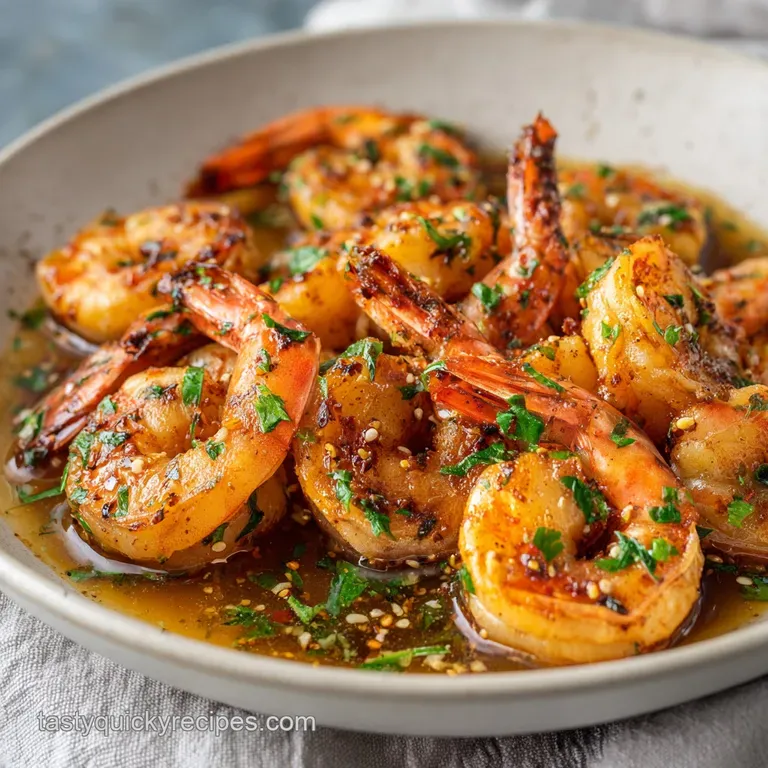
The sound of 1.5 lbs (680g) Large Shrimp hitting a screaming hot cast iron skillet is the soundtrack of a good day in my kitchen. You know that specific sizzle? The one that tells you the surface is turning into a gold and crimson crust while the inside stays tender? That is exactly what we are chasing today.
I remember the first time I tried making this for my family, I was juggling a toddler in one arm and a spatula in the other. I rushed the process, crowded the pan, and ended up with sad, grey, rubbery bits. It was a disaster, but it taught me everything about what not to do.
We are talking about a dish that feels like a celebration but takes less time than boiling a pot of pasta. The aroma of smoked paprika and garlic hitting that melted butter is enough to bring everyone to the table before you even call them.
It is fast, it is punchy, and it is a total lifesaver when you have zero energy but still want something that tastes like you spent an hour over the stove. I have tweaked this recipe through dozens of Tuesday night dinners, and I am telling you, the secret is all in how you treat the shrimp before they ever see the heat.
You can expect a dish that has a beautiful "snap" when you bite into it, followed by a buttery, spicy finish that demands a piece of crusty bread to soak up every last drop. We are avoiding the common pitfalls of soggy seafood and burnt spices.
Instead, we are focusing on a few reliable steps that preserve the quality of the shrimp while building layers of flavor in record time. Let's get into the kitchen and make this happen.
The Exact Time and Temperature for Juicy Cajun Shrimp
The Alkaline Snap Secret: Baking soda raises the pH level of the shrimp's exterior, which helps them brown faster and stay plump and juicy inside. This chemical shift prevents the proteins from bonding too tightly, which is exactly how you avoid that dreaded rubbery texture.
| Shrimp Size | Internal Temp | Rest Time | Visual Cue |
|---|---|---|---|
| Large (16/20) | 145°F (63°C) | 2 minutes | Opaque white with a vibrant pink C shape |
| Medium (31/40) | 145°F (63°C) | 1 minute | Tight curl with zero translucency left |
| Jumbo (U-10) | 145°F (63°C) | 3 minutes | Firm to the touch with visible char marks |
Choosing the right size matters because of the surface area to volume ratio. A 16/20 count shrimp is large enough to handle high heat long enough to develop a crust without overcooking the center.
If you use smaller shrimp, you have to move incredibly fast, or they will turn into tiny, tough hockey pucks before the spices even have a chance to bloom in the oil.
Understanding the Bold Spices and Fresh Ingredients Required
This recipe relies on the harmony between dry spices and fresh finishing touches. Each component plays a specific role in creating that signature "Cajun" profile without being overly salty or one dimensionally spicy.
| Ingredient | Science Role | Pro Secret |
|---|---|---|
| Baking Soda | pH Modifier | Makes the exterior "snap" rather than "mush." |
| Smoked Paprika | Maillard Catalyst | Provides the deep red color and earthy, smoky base flavor. |
| Cold Butter | Emulsifier | Adding it cold at the end creates a silky, thick sauce. |
| Lemon Juice | Acid Balance | Cuts through the heavy fats and brightens the spice heat. |
You really want to pay attention to the state of your butter here. By using 3 tbsp (42g) of cold, cubed unsalted butter at the very end, you are performing a classic French technique called monter au beurre.
The cold fat incorporates into the lemon juice and shrimp juices to create a velvety coating rather than just a greasy puddle in the bottom of your pan.
The Only Simple Tools You Need for This Sizzle
You don't need a kitchen full of gadgets for this. In fact, fewer tools often lead to better results with seafood. A heavy bottomed skillet, preferably cast iron, is your best friend here. It holds onto heat like a champ, which is vital when you add cold shrimp to the pan.
If you use a thin, cheap pan, the temperature will drop immediately, and your shrimp will steam in their own juices instead of searing.
A good pair of stainless steel tongs is also non negotiable. You need to be able to flip each shrimp individually and quickly. I have tried using a spatula, but it's like trying to play Operation with oven mitts on you just don't have the precision. Finally, grab a small glass bowl for mixing your spices.
I like to prep the spice blend before I even touch the shrimp so I'm not touching my spice jars with "shrimp hands."
Chef's Tip: Freeze your butter for 10 minutes before cubing it. This ensures it stays cold enough to emulsify perfectly into the pan sauce without breaking into oil.
Ingredients & Substitutes for Your Kitchen
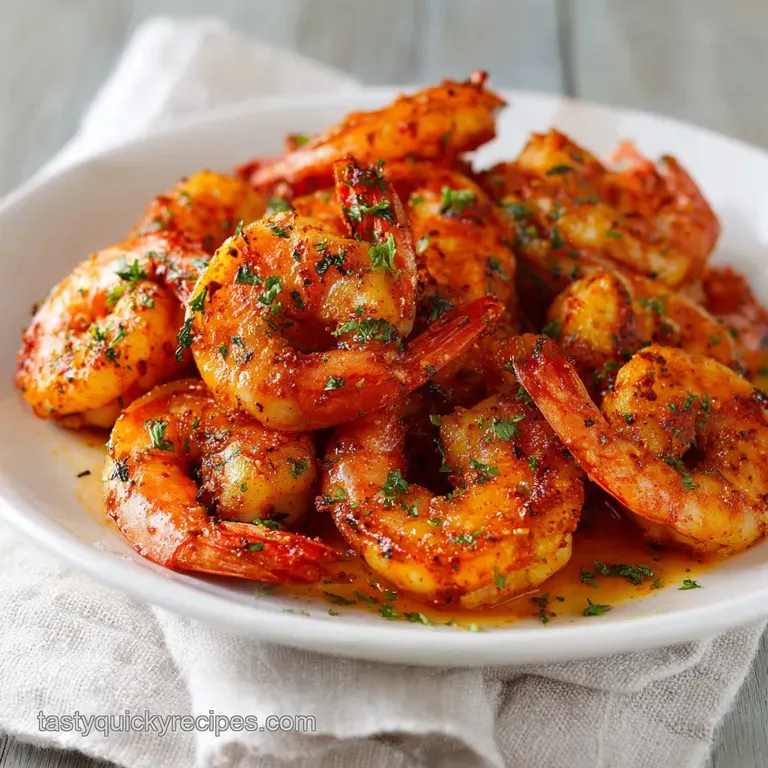
- 1.5 lbs (680g) Large Shrimp (16/20 count): Peeled and deveined. Why this? The 16/20 size offers the best balance of sear time and juiciness.
- Substitute: Scallops. They take the spice well but cook even faster.
- 0.5 tsp (3g) Baking soda: Essential for the texture.
- Substitute: There isn't a great sub for the texture, but you can omit it if needed.
- 0.5 tsp (3g) Kosher salt: For seasoning and moisture retention.
- Substitute: Sea salt (use slightly less by volume).
- 2 tbsp (30ml) Neutral oil: Like avocado or grapeseed. Why this? High smoke points prevent the oil from burning at searing temps.
- Substitute: Ghee. Adds a nutty flavor with a high smoke point.
- 1 tbsp (7g) Smoked paprika: The soul of the dish.
- Substitute: Ancho chili powder for an earthier, less smoky vibe.
- 1 tsp (2g) Onion powder & 1 tsp (2g) Garlic powder: For even flavor distribution.
- Substitute: 1 tbsp of very finely grated fresh onion and extra fresh garlic.
- 1 tsp (2g) Dried oregano: Adds a herbal backnote.
- Substitute: Dried thyme or Italian seasoning.
- 0.5 tsp (1g) Cayenne pepper: For the heat.
- Substitute: Red pepper flakes or a dash of hot sauce.
- 0.5 tsp (1g) Freshly cracked black pepper: For a different kind of "bite."
- Substitute: White pepper for a more floral heat.
- 3 tbsp (42g) Unsalted butter: Cold and cubed.
- Substitute: Vegan butter sticks (ensure they are high fat).
- 3 cloves Garlic: Smashed and minced. Why this? Fresh garlic provides the sharp, aromatic finish powder can't mimic.
- Substitute: Garlic paste (1.5 tsp).
- 1 tbsp (15ml) Fresh lemon juice: To cut the fat.
- Substitute: Apple cider vinegar or lime juice.
- 2 tbsp (8g) Fresh parsley: Finely chopped for freshness.
- Substitute: Fresh chives or green onions.
If you find yourself making this often, you might want to try a Shrimp Pasta Recipe for a more filling meal. The techniques are remarkably similar, but you get to play with more sauce options.
step-by-step Guide to Searing Your Cajun Shrimp
- Prep the shrimp. Pat the 1.5 lbs (680g) of shrimp bone dry with paper towels. Note: Moisture is the enemy of a good sear.
- Brine and season. Toss the shrimp with 0.5 tsp (3g) baking soda and 0.5 tsp (3g) salt. Let them sit for 5 minutes.
- Mix the spices. In a small bowl, combine the smoked paprika, onion powder, garlic powder, oregano, cayenne, and black pepper.
- Coat thoroughly. Sprinkle the spice blend over the shrimp and toss until every single one is coated in that ruby red dust.
- Heat the pan. Add 2 tbsp (30ml) of neutral oil to your skillet over medium high heat until the oil shimmers and barely starts to smoke.
- The first sear. Place the shrimp in the pan in a single layer. Do not overcrowd. Cook for 2 minutes until the bottom is charred and the edges turn opaque.
- The flip. Turn each shrimp over. Cook for another 1 minute.
- Add the aromatics. Toss in the 3 cloves of minced garlic. Sauté for just 30 seconds until the garlic is fragrant but not browned.
- Build the sauce. Reduce heat to low. Add the 3 tbsp (42g) cold butter and 1 tbsp (15ml) lemon juice.
- Emulsify. Swirl the pan constantly as the butter melts. This creates a creamy coating.
- Finish. Toss in the 2 tbsp (8g) fresh parsley and serve immediately.
| Fresh Shrimp | Frozen (Thawed) | Difference |
|---|---|---|
| Firm, sweet, slightly briny | Can be softer if not patted dry | Fresh has a better "pop," frozen is more convenient. |
| Best within 24 hours | Keep in freezer for up to 3 months | Fresh is premium, but frozen is great for weeknights. |
How to Fix Rubberiness and Other Common Searing Problems
Why Your Shrimp Turn Out Rubbery
The most common culprit is overcooking. Shrimp continue to cook for a minute even after you take them out of the pan. This is called carry over cooking. If they look "done" in the pan, they will be overdone by the time they hit the plate.
Another reason is skipping the baking soda; that little bit of chemistry really does keep the fibers from tightening up too much.
Why Your Spices are Burning
If your pan is too hot or you didn't use enough oil, the paprika will burn and turn bitter. Smoked paprika has a high sugar content compared to other spices, so it scorches easily.
If you see the spices turning black instead of deep red, turn the heat down slightly and add a splash more oil or a tiny bit of water to cool the surface of the pan.
| Problem | Root Cause | Solution |
|---|---|---|
| Bitter flavor | Burnt garlic or paprika | Add garlic only in the last 30 seconds of cooking. |
| Watery sauce | Shrimp weren't dried properly | Pat shrimp until paper towels come away completely dry. |
| Greasy finish | Butter was too warm | Use ice cold butter and whisk it in off the heat. |
Common Mistakes Checklist:
- ✓ Dry the shrimp with paper towels until they are bone dry to ensure a sear, not a steam.
- ✓ Don't skip the 5 minute rest with the baking soda; it's the secret to the texture.
- ✓ Use a heavy bottomed pan like cast iron to maintain high, even heat.
- ✓ Add the fresh garlic at the very end to prevent it from turning bitter and black.
- ✓ Work in batches if your pan isn't large enough to hold all shrimp in a single layer.
Adapting Your Cajun Shrimp for Keto or dairy-free Diets
If you are following a specific lifestyle, this recipe is actually very friendly. For a dairy-free/Paleo version, simply swap the butter for a high-quality ghee or a splash of full fat coconut milk for a different kind of creaminess.
Just be aware that coconut milk will obviously change the flavor profile to something more tropical.
For Low Carb or Keto eaters, this dish is a dream. At only 3.2g of carbs per serving, you can serve this over a bed of cauliflower rice or sautéed zucchini noodles. I personally love it over a big pile of garlicky spinach. The lemon butter sauce acts as a built in dressing for the greens. If you're looking for an elegant holiday starter, this also works beautifully as a New Years Eve Food recipe where you can serve it in small individual ramekins.
Smart Ways to Store and Reheat Your Leftover Shrimp
Shrimp are best eaten immediately, but if you find yourself with leftovers, you can keep them in an airtight container in the fridge for up to 2 days. When it comes to reheating, please, for the love of all things culinary, stay away from the microwave.
It will turn your beautiful shrimp into rubber erasers in seconds.
Instead, reheat them in a skillet over low heat with a tiny splash of water or more butter. Just enough to warm them through without actually "cooking" them again. If you have extra, they make a fantastic cold addition to a salad the next day.
For Zero Waste, don't throw away those shrimp shells! If you bought peel on shrimp, toss the shells into a freezer bag. When the bag is full, boil them with some onion scraps and celery to make a quick seafood stock. It’s basically free flavor for your next risotto or soup. If you have leftover crab from another night, you might even consider making a Crab Dip recipe and stirring in chopped leftover Cajun shrimp for a "seafood explosion" dip.
What to Serve Alongside Your Quick Cajun Shrimp Dinner
Since this dish is so bold and spicy, you want sides that can either soak up the sauce or provide a cooling contrast. A classic choice is fluffy white rice or a piece of charred sourdough bread.
If you want to go the full "Low Country" route, some corn on the cob and boiled red potatoes tossed in a little extra of that spice blend would be incredible.
If you want X, do Y: If you want a creamy pasta, toss the finished shrimp and sauce with 8oz of fettuccine and a splash of heavy cream. If you want a taco night, serve the shrimp in charred corn tortillas with a lime crema slaw.
If you want an appetizer, serve them on toothpicks with a side of remoulade sauce for dipping.
Chef's Note: If you are scaling this recipe up for a party, do not just double everything in the same pan. Work in batches. If you crowd the pan, the temperature drops, the shrimp release moisture, and you'll end up boiling them in grey liquid. Cook half, set them aside, wipe the pan, and do the second half. It adds 5 minutes but saves the whole dish.
Kitchen Myths Debunked
One of the biggest myths is that you need to marinate shrimp for hours to get flavor. Because shrimp are so small and porous, the spice rub actually works almost instantly. In fact, if you leave shrimp in an acidic marinade (like lemon juice) for too long, the acid will actually "cook" the protein (like ceviche), making it mushy when it finally hits the heat.
Stick to the 5 minute dry brine for the best results.
Another myth is that you must wash your shrimp under cold water. Unless they are covered in grit or bits of shell, washing them just adds unnecessary moisture that prevents a good sear. If you do wash them, you have to work twice as hard to get them dry again. Just peel, devein, and get straight to seasoning!
Recipe FAQs
Is cajun seasoning good on shrimp?
Yes, it is ideal. The bold, smoky, and savory profile of Cajun spices beautifully complements the naturally sweet flavor of shrimp.
What pairs well with Cajun shrimp?
Cooling, starchy, or acidic sides work best. Try serving it over fluffy rice or with a simple side salad dressed in a light vinaigrette to cut the heat.
What's the secret to great Cajun flavor?
Using high-quality smoked paprika and adding acid at the end. The paprika provides the depth, while the final squeeze of lemon juice cuts through the richness.
What is a good seasoning blend for shrimp?
A blend focusing on smoked paprika, onion powder, garlic powder, oregano, and cayenne pepper is perfect. Ensure your spices are fresh; old spices result in flat flavor, unlike the vibrant profile we aim for in this quick sear.
How do I prevent my Cajun shrimp from turning rubbery?
Cook them quickly over high heat and stop cooking immediately at 145°F (63°C). The biggest flavor-to-texture mistake is overcooking; apply a quick baking soda dry brine first to help retain moisture.
How do I make the pan sauce velvety instead of oily?
Whisk in cold, cubed butter off the heat right at the end. This emulsification technique, called monter au beurre, incorporates the fat smoothly into the pan liquids for a rich, glossy finish.
Can I substitute butter if I have a dairy allergy?
Yes, high-quality ghee or a solid, firm vegan butter substitute works well. If you are comfortable with a slight flavor change, the technique of adding cold fat off the heat remains key, similar to what you would do when finishing a sauce for a Creamy Southern Black recipe.
Quick Cajun Shrimp Searing
Ingredients:
Instructions:
Nutrition Facts:
| Calories | 314 calories |
|---|---|
| Protein | 35.8 g |
| Fat | 17.1 g |
| Carbs | 3.2 g |
| Fiber | 0.8 g |
| Sugar | 0.4 g |
| Sodium | 645 mg |
