Master Cookie Recipes: Fudge & Crisp
- Effort/Time: 1 hour total (50 mins prep / 10 mins bake)
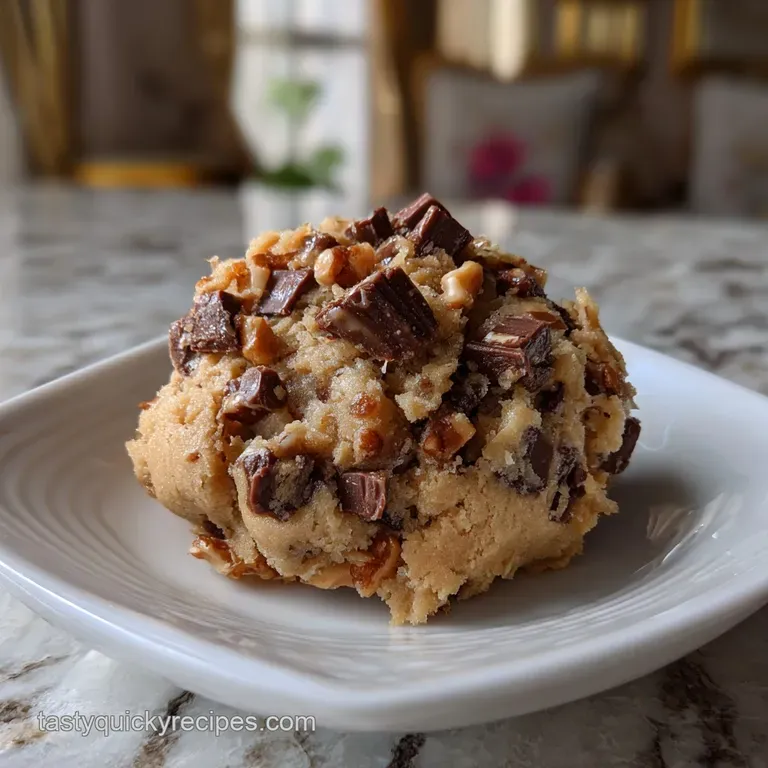
- Flavor Hook: Deep molasses notes paired with shattered chocolate shards.
- Perfect for: Holiday gifting, late-night cravings, or a bake-sale gold medal.
- The Ultimate Guide to Versatile Cookie Recipes
- The Science Behind Why This Master Dough Works
- Essential Ingredients and Smart Substitutions
- Step-by-Step Instructions for the Perfect Batch
- Expert Baking Tips and Common Mistakes to Avoid
- Storage and Freezing Guidelines for Cookie Recipes
- Recipe FAQs
- 📝 Recipe Card
The Ultimate Guide to Versatile Cookie Recipes
Listen, I’ve spent years pulling "hockey pucks" out of my oven because I thought "eyeballing" flour was a personality trait. We've all been there, staring at a tray of flat, greasy puddles wondering where the cookie recipes went wrong.
It wasn't until I stopped treating baking like an art and started treating it like a chemistry lab that things clicked. The secret to cookie recipes from scratch isn't a "secret ingredient" it's managing the physics of fat and the chemistry of sugars.
When you pull these out, the kitchen fills with that heavy, toasted sugar aroma that makes your neighbors suddenly find a reason to knock on your door. We’re aiming for a cookie that has a "shatter" on the rim and a velvety, almost under baked heart. Let's get into the mechanics of why this works.
The Science Behind Why This Master Dough Works
- Maillard Reaction: At 310°F, the sugars and proteins in the 225g of unsalted butter and 375g of flour rearrange to create hundreds of new flavor compounds. This provides the signature toasted, nutty profile found in the best cookie recipes small batch or large.
- Hygroscopy: The 150g of light brown sugar contains molasses, which is naturally humectant. It pulls moisture from the air and holds it within the crumb, ensuring your cookie recipes stay soft for days instead of turning into crackers.
- Lipid Solidification: Chilling the dough for 50 minutes allows the 225g of fats to re-solidify. This ensures the 10 minute bake time starts with a cold fat source, slowing the spread and allowing the edges to set before the center melts completely.
- Gluten Relaxation: Resting the dough allows the 375g of King Arthur All-Purpose Flour to fully hydrate. This prevents the rubbery texture often found in rushed cookie recipes easy enough to skip the chill step.
Mastering the Universal One-Dough Method
This method is the backbone of all professional cookie recipes. By mastering the "creaming" and "emulsification" phases, you create a stable air-cell structure. When the baking soda hits the oven's heat, it releases CO2 into these pre-existing cells, causing a uniform rise rather than chaotic bubbling.
The Benefits of a Normalized Recipe Base
Using a normalized base means you can swap mix-ins without ruining the structural integrity. Whether you use 340g of Guittard Semi Sweet Chocolate Chips or toasted pecans, the 375g of flour and 2 large eggs provide enough "glue" (protein) to hold the inclusions in place.
It's the most reliable way to handle cookie recipes christmas traditions or year round treats.
Understanding the Physics of Cookie Spreading
Spreading is a battle between the melting point of your 225g of butter and the "set point" of your flour’s gluten network. If the butter melts at 95°F but the flour doesn't set until 160°F, you get a puddle.
We use 150g of granulated sugar to encourage a bit of crisp spread, while the 150g of brown sugar keeps the center structural and moist.
Achieving the Ideal Texture Balance
The contrast between the 150g of granulated white sugar and 150g of light brown sugar is vital. The white sugar helps the edges dehydrate and caramelize for that "shatter" effect. Meanwhile, the brown sugar ensures the center remains dense.
This balance is what separates basic snacks from the best cookie recipes small batch enthusiasts crave.
Essential Ingredients and Smart Substitutions
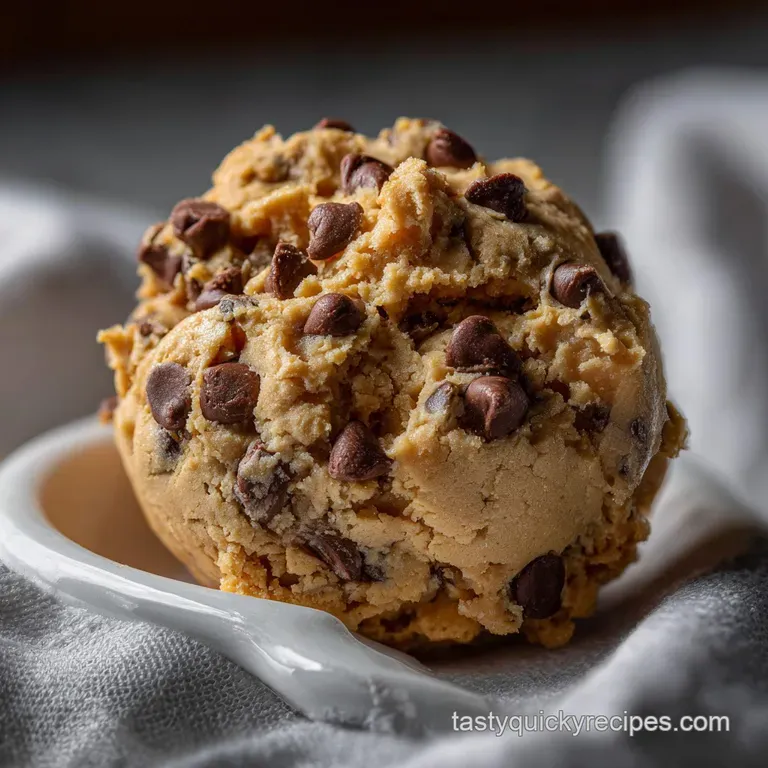
Choosing high-quality Pantry Staples
The Science Behind 225g Unsalted Butter
- What It Does
- Provides the primary fat source for flavor and mouthfeel.
- The Chemistry
- Through emulsification with sugars, it traps air bubbles that expand during leavening.
- Why This Matters
- high-quality butter (like Kerrygold) has lower water content, preventing excessive steam and keeping the crumb velvety.
The Science Behind 375g All-Purpose Flour
- What It Does
- Builds the skeletal structure of the cookie.
- The Chemistry
- When hydrated by the 100g of eggs, it develops a gluten network via protein denaturation.
- Why This Matters
- This specific weight ensures the cookie has enough "body" to support the 340g of chocolate chips without collapsing.
The Science Behind 5g Baking Soda
- What It Does
- Acts as a chemical leavening agent.
- The Chemistry
- It reacts with the acidic molasses in the 150g of brown sugar to produce carbon dioxide gas.
- Why This Matters
- This reaction creates the lift and "crinkle" top seen in classic cookie recipes from scratch.
The Role of Room Temperature Fats
Room temperature butter (around 65°F) is plastic enough to incorporate air. If it’s too cold, it won't cream; if it's melted, it won't hold air. This is the #1 reason cookie recipes easy instructions fail people rush the butter prep. If you’re looking for a different classic texture, try my Peanut Butter Cookies: Perfectly Chewy Classic Criss Cross Recipe which handles fats differently.
Reliable dairy-free and gluten-free Alternatives
| Original Ingredient | Substitute | Why It Works |
|---|---|---|
| 225g Unsalted Butter | Miyoko’s Plant Creamery Butter (225g) | Similar fat-to-water ratio. Note: Adds a slight fermented/tangy note. |
| 375g All-Purpose Flour | King Arthur Measure for Measure GF (375g) | Includes xanthan gum to mimic gluten. Note: Result is slightly grittier. |
| 2 Large Eggs | 1/2 cup Unsweetened Applesauce | Provides moisture and pectin for binding. Note: Creates a much cakier, softer cookie. |
| 340g Semi Sweet Chips | 340g Cacao Nibs | Provides crunch and intense bitterness. Note: Will not melt; lacks sweetness. |
Flavor Enhancers Beyond Vanilla Extract
While 15ml of Nielsen Massey Pure Vanilla Extract is standard, you can deepen the profile by adding 1 teaspoon of espresso powder. This doesn't make it taste like coffee; it simply intensifies the chocolate notes. If you want something smoky for a savory sweet twist, look at how flavors develop in Chipotle in Adobo Sauce Recipes: Smoky Slow Cooked Chicken and apply that logic to your spice cabinet.
step-by-step Instructions for the Perfect Batch
Creaming Butter and Sugar for Maximum Aeration
Beat 225g Kerrygold Unsalted Butter with 150g granulated sugar and 150g light brown sugar.Note: Use a KitchenAid stand mixer on medium high for 5 minutes until the mixture is pale and voluminous to create necessary air pockets.
Incorporate 2 large eggs (100g) and 15ml Nielsen Massey Pure Vanilla Extract.Note: Adding eggs one at a time ensures proper emulsification between the fat and the water based proteins.
Properly Incorporating Dry Ingredients and Mix-ins
Whisk 375g King Arthur All-Purpose Flour, 5g baking soda, and 6g Morton Fine Sea Salt.Note: Pre-mixing dry ingredients prevents "hot spots" of salt or soda in the final dough.
Combine dry and wet ingredients on the lowest speed.Note: Stop as soon as the last streak of flour disappears to prevent over developing the gluten network.
Fold in 340g Guittard Semi Sweet Chocolate Chips by hand.Note: Manual folding prevents the mixer from breaking the chips or toughening the dough.
Chilling the Dough for Depth of Flavor
- Refrigerate the dough for at least 50 minutes. Note: Chilling hydrates the flour and solidifies the fats, which is critical for cookie recipes fall weather or summer.
Portioning Your Dough for Consistent Baking
Scoop 24 rounded tablespoons onto a USA Pan Half Sheet.Note: Consistent sizing ensures all cookies reach the 246 kcal nutritional target and bake evenly.
Bake at 350°F (177°C) for 10 minutes. Note: The "sizzle" should be audible, and edges should be golden brown while the center looks slightly set but soft.
Cool on the pan for 5 minutes. Note: Residual heat continues the cooking process (carry over cooking) without burning the bottoms.
Expert Baking Tips and Common Mistakes to Avoid
| Problem | Why It Happens | The Fix | Pro Protocol |
|---|---|---|---|
| Flat Puddles | Butter was too warm or oven was too cool. | Chill dough for 1 hour minimum. | Use a Taylor Oven Thermometer to verify 350°F. |
| Dry/Crumbly | Too much flour (over 375g). | Spoon and level flour; don't scoop. | Use an Ozeri Digital Scale for exactly 375g. |
| No Browning | Oven temp too low; no Maillard reaction. | Increase temp or check baking soda freshness. | Test soda in vinegar; it should bubble violently. |
Myth: "You can use cold butter if you mix longer." Truth: Mixing cold butter won't incorporate air; it will just stay in chunks, causing greasy pockets in your cookie recipes.
Myth: "Baking soda and baking powder are interchangeable." Truth: Baking soda needs an acid (like brown sugar) to react. Using powder here would change the pH and the browning significantly.
Chef's Note: For a "bakery look," reserve a handful of the 340g chocolate chips and press them into the tops of the dough balls right before they go into the oven.
Storage and Freezing Guidelines for Cookie Recipes
How to Prevent Your Cookies from Spreading Too Thin
Yes, cookies spread when fat melts before the structure sets; chilling dough for 1 hour ensures the 225g of butter remains solid longer. If you find your cookie recipes easy to make but they always come out thin, try increasing the flour by just 10g or using a Silpat Silicone Mat to provide more friction.
Troubleshooting Dry or Crumbly Dough Textures
Dry dough usually stems from over measuring the 375g of flour or over mixing, which overworks the gluten network. Ensure your eggs are exactly 100g; if you use "medium" eggs, the dough will lack the moisture needed to bind the 375g of dry ingredients.
Freezing Pre-Portioned Dough for Instant Treats
You can freeze raw cookie dough balls for 3 months in airtight bags, allowing for fresh baking without thawing. Just add 2 minutes to the bake time. This is perfect for best cookie recipes small batch cravings where you only want two cookies at a time.
Maintaining Freshness in Airtight Containers
Stored at room temperature in a Rubbermaid Brilliance container, these stay fresh for 5 days. To soften a stale cookie, microwave it for 10 seconds next to a small cup of water to re-introduce moisture into the starch structure.
Curating the Perfect Cookie Dessert Board
Assemble your cookies with varied textures. Pair these chocolate chip versions with different cookie recipes like shortbreads or fruit bars. If you are looking for more party ideas, my Appetizer Recipes: Easy Finger Foods for Parties collection offers great savory counterpoints.
Professional Packaging Ideas for Homemade Gifts
For cookie recipes christmas gifting, use parchment paper lined tins to absorb excess oils. If you want to go the extra mile, include a printed card with the nutrition facts (246 kcal per serving) and the "best by" date.
Homemade gifts feel much more professional when the packaging matches the quality of the bake.
Whether you're looking for chewy cookie recipes without eggs (using the sub table above) or just want the standard gold standard batch, the key is the 1 hour investment in chilling.
It’s the difference between a "good" cookie and the cookie recipes people ask for every single year. Let's get baking!

Recipe FAQs
Why do my cookies spread too thin?
Melted butter causes excessive spreading. Butter temperature dictates how quickly the fat incorporates before the oven's heat liquifies it completely, overwhelming the flour structure.
- Use chilled, cubed butter
- Reduce sugar slightly
- Ensure oven calibration is correct
Can I substitute brown sugar for white sugar?
Yes, use a 1:1 swap for depth. Brown sugar contains added molasses, which retains moisture, yielding a chewier, darker cookie center. This recipe relies on balance, similar to ingredient needs in our Low Fodmap Chicken Recipes: Easy Delicious Dinner Ideas.
Is chilling the dough necessary?
Yes, chilling solidifies fat for better texture.
How do I achieve a fudgier center versus a crisp edge?
Increase the ratio of brown sugar to granulated sugar. Brown sugar’s inherent acidity promotes spread and moisture retention, while granulated sugar promotes crispness through faster evaporation. For an alternative slow cooking method, review Crock Pot Smoked Sausage Recipes: 10-Minute Prep Dinner regarding moisture control.
Must I use unsalted butter?
Unsalted butter for precision control. Salted brands vary wildly in sodium content, disrupting the delicate balance achieved by controlling hydration levels in the dough. Unsalted butter ensures your final 24 cookies meet the specified dense, fudgy outcome.
What is the ideal resting time on the sheet?
Immediately transfer to a cooling rack. Heat retention in the pan causes carryover cooking, drying the bottoms quickly.
Myth: Do I need to use parchment paper for non-stick baking?
Myth: Parchment paper is essential for every cookie. Reality: Silicone baking mats offer superior, reusable heat transfer and prevent sticking equally well; they are better for high fat recipes like Leftover Prime Rib Recipes: 30-Minute Stroganoff.
Master Batch Cookie Recipes
Ingredients:
Instructions:
Nutrition Facts:
| Calories | 246 kcal |
|---|---|
| Protein | 2.7 g |
| Fat | 11.9 g |
| Carbs | 33.5 g |
| Fiber | 1.4 g |
| Sugar | 21.6 g |
| Sodium | 150 mg |
