Indian Pudding: the Classic New England Cornmeal and Molasses Treat
- The History and Unique Comfort of Classic Indian Pudding
- Why This Recipe Achieves the Perfect Custardy Texture
- Essential Ingredients for Authentic New England Indian Pudding
- Preparing and Baking Your Sticky Indian Pudding
- Troubleshooting and Chef's Expert Indian Pudding Tips
- Serving and Storage Guide
- Recipe FAQs
- 📝 Recipe Card
The History and Unique Comfort of Classic Indian Pudding
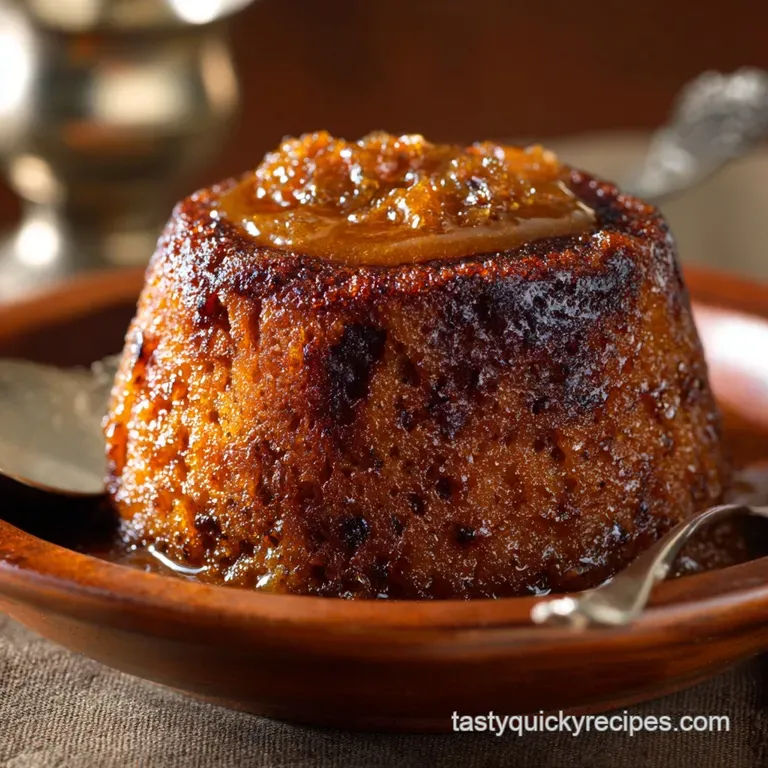
If I had to bottle up the scent of absolute, genuine comfort, it would smell exactly like this Indian Pudding baking slowly in the oven. It hits you with that deep, earthy molasses perfume, spiked aggressively with ginger and cinnamon.
The texture is what really hooks people: it's not quite cake, not quite custard, but a beautiful, sticky, spiced mash that screams "cozy kitchen."
Honestly, this recipe is a lifesaver, especially if you’re trying to stretch your pantry staples. We’re talking basic milk, cornmeal, and that jug of molasses sitting untouched in the cupboard it’s incredibly cheap, satisfying, and feels deeply luxurious when served warm.
Forget those complex, multi day desserts; this Classic New England Indian Pudding is simple and totally unfussy, proving that humble ingredients can make spectacular comfort food.
I know, I know, every blogger claims they have the best version, but trust me, after years of making versions that were either gritty or totally runny, I nailed the technique for that perfect custardy bottom and chewy top. This recipe fixes all those common pitfalls.
Let’s crack on and talk about the ancient magic of cornmeal and molasses.
Why This Recipe Achieves the Perfect Custardy Texture
More Than Mush: Understanding the Colonial Dessert's Roots
Why on earth is it called "Indian Pudding"? It’s simple, really. The colonists called the local staple, corn, "Indian corn." This dessert is merely a resourceful update on English baked puddings, swapping expensive wheat flour for readily available fine cornmeal .
It’s a wonderful piece of culinary history, showing us how people made do with what they had, resulting in a rich and unique dessert.
The Molasses Cornmeal Magic: A Resourceful Pairing
Molasses isn't just for gingerbread, folks; it is the heart of Traditional Indian Pudding. While most modern desserts rely on granulated sugar, this recipe uses dark molasses for both sweetness and that incredible, dark caramel flavor profile.
It gives the pudding its signature deep color and slightly bitter edge, which perfectly balances the richness of the milk.
A Proper Dessert for the Slow Cooker Era (Pre-Oven Techniques)
Think of this as the original slow cooker dessert. Historically, cooks baked this pudding in a ceramic pot placed near the low, dying heat of the hearth or the back of a slow burning brick oven.
We emulate this process by using an incredibly low oven temperature (300°F or 150°C) and baking it for a very long time. This patience is non-negotiable for the perfect result.
The Crucial Role of Scalding the Milk
You might be tempted to skip heating the milk, but don't you dare! Scalding the milk bringing it just to a simmer does two important things. First, it helps the cornmeal hydrate much faster when you whisk in the slurry, making it less likely to be grainy.
Second, the heat activates the milk proteins, setting the stage for that velvety custard we're aiming for.
Achieving the Dual Texture: Silky Bottom, Crusty Top
The dual texture is the hallmark of truly great Classic New England Indian Pudding . The hot milk/cornmeal base, when mixed with the molasses and egg, separates slightly as it bakes very slowly.
The thicker cornmeal rises to create a slightly chewy, darker crust on top, while the liquid sinks, creating a dense, silky, almost butterscotch like custard underneath.
The Science of the Slow Bake and Water Bath
While some recipes call for a water bath, I find maintaining a consistent, low oven temperature is more effective for this specific recipe, provided you stick to 300°F. The long cook time allows the complex starches in the cornmeal to break down slowly, transforming it from basic mush into that glorious, thick, almost fudgy consistency.
If your oven is prone to scorching, placing a shallow pan of water on the rack below the pudding can add ambient humidity, ensuring it doesn't dry out.
Essential Ingredients for Authentic New England Indian Pudding
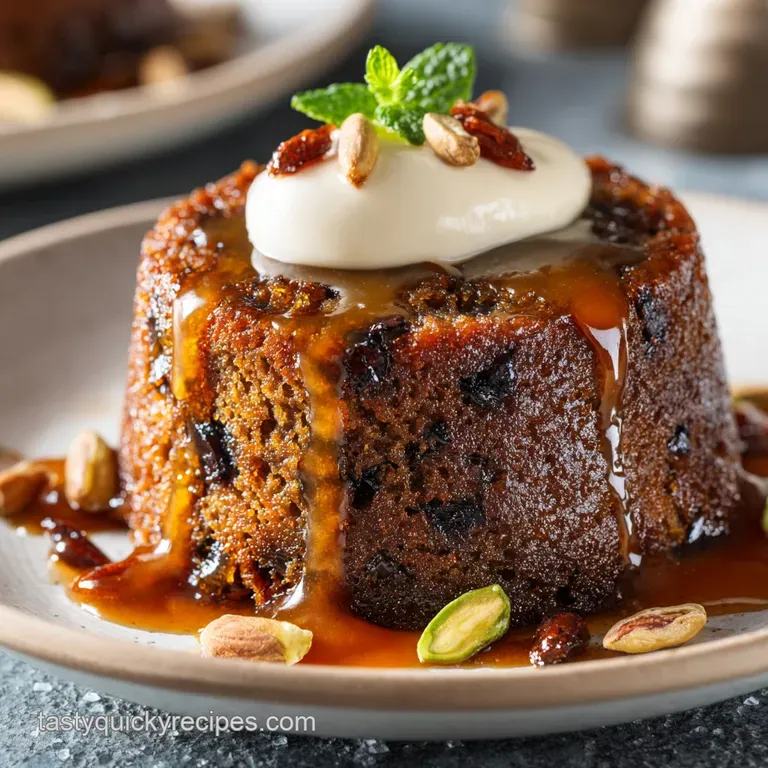
| Ingredient | Why it's Critical | Substitution Idea |
|---|---|---|
| Fine Yellow Cornmeal | Hydrates smoothly; provides the proper mouthfeel. | Fine White Cornmeal (Avoid coarse polenta/grits!) |
| Dark Molasses | Provides crucial deep flavor and color. | Half Maple Syrup, Half Golden Syrup (Flavor changes significantly!) |
| Whole Milk | Fat content ensures creaminess and prevents curdling. | Full fat Coconut Milk or Rich Oat Milk (for dairy-free) |
| Ginger (Ground) | Absolutely non-negotiable for the signature spice blend. | Freshly grated ginger (use half the amount) |
| Unsalted Butter | Adds richness and promotes a glossy texture. | Plant based butter stick or refined coconut oil |
Choosing the Right Cornmeal (Fine vs. Coarse Grind)
This is a rookie mistake I made early on: using regular old coarse cornmeal. You need fine yellow cornmeal for an authentic, smooth texture. If you use polenta or coarse grits, your pudding will be grainy and gritty, not that luscious, silky texture we are chasing.
Molasses Mastery: Blackstrap vs. Light Varieties
If you want the full, robust flavor that truly defines Traditional Indian Pudding , reach for blackstrap or a high-quality dark molasses. Light molasses or standard baking molasses is too mild here; we need that slightly bitter, deeply caramelized complexity to stand up to the spices and milk.
The Spice Blend: Ginger, Cinnamon, and Nutmeg Ratios
Don’t skimp on the spices! The ginger is the star here, giving that signature warmth that makes the pudding so cozy. I use equal parts ginger and cinnamon, plus a good pinch of freshly grated nutmeg. This ratio prevents the pudding from tasting like basic oatmeal and makes it truly special.
Dairy Choices: Whole Milk vs. Cream Blends
While you can technically use 2% milk, the fat in whole milk is essential for that rich, satisfying mouthfeel. It also acts as a buffer against the long heat exposure, reducing the chances of a weirdly thin or dry outcome.
If you want maximum richness, swap ¼ cup of the whole milk for heavy cream.
Preparing and Baking Your Sticky Indian Pudding
Phase 1: Preparing the Cornmeal Base on the Stovetop
First, get your oven ready for the long haul preheat to 300°F (150°C). Then, make your slurry! Whisk the ¾ cup of cornmeal with ¼ cup of cold milk until it's perfectly smooth and lump free.
Meanwhile, heat the remaining milk and cubed butter in a heavy saucepan until it just simmers and the butter melts completely.
Chef's Note: Scalding is key. If you add the cornmeal slurry straight into boiling milk, it will seize up instantly. Keep the heat controlled and remove it just as tiny bubbles form.
Phase 2: Combining the Wet and Dry Ingredients
Now for the tricky part: slowly stream the cold cornmeal slurry into the hot milk mixture while whisking vigorously. Return the pan to the heat and cook for 5 to 7 minutes, stirring constantly.
This phase creates a thick, heavy mush that should hold its shape slightly before removing from the heat. Stir in the molasses, sugar, and all those glorious spices.
Phase 3: Setting Up the Oven and Water Bath Method
Before adding the egg, we must temper it! Whisk your single egg in a bowl. Slowly pour about ½ cup of the hot pudding mixture into the egg, whisking quickly. I totally scrambled the egg once years ago because I rushed this step; it was horrifying, don't repeat my mistake!
Pour the tempered egg mixture back into the main pot and whisk until fully combined and glossy. Pour the batter into your prepared baking dish.
Monitoring Doneness and Cooling Procedure
Place the dish on the center rack and bake for a solid 1 hour 45 minutes to 2 hours. You know it’s done when the edges look dark and set, the top has developed a slight crust, and the very center still has a gentle, liquid wobble if you nudge the pan.
Do not overbake it. Remove the pudding and let it rest for at least 15 minutes before serving; this allows the internal custard to firm up beautifully.
Troubleshooting and Chef's Expert Indian Pudding Tips
Preventing Curdling: The Tempering Trick
Curdling happens when you cook the egg too fast, or when the milk separates under high heat. Our two-pronged defense? Use whole milk and always temper the egg as described in the instructions.
This gently raises the egg's temperature, integrating it smoothly into the hot base without turning it into breakfast scramble.
Why Is My Pudding Too Runny? (Bake Time Correction)
If your pudding is liquid in the center after the 2 hour mark, your oven temperature might be slightly lower than indicated, or you might have used too coarse of a cornmeal. Don't panic! Simply return it to the oven for 15 20 minute increments until only the very center jiggles.
If the crust is getting too dark, loosely cover the top with foil before continuing the bake.
Achieving a Deeper Caramelized Flavor
Want that intense, almost burnt caramel flavor? Make sure you are using Blackstrap Molasses . Also, ensure you cook the cornmeal mush long enough on the stovetop (Phase 1).
That initial thickening time is essential for developing the underlying savory, nutty flavor of the cornmeal before the long, slow bake begins.
Serving and Storage Guide
The Best Scoops: Vanilla Ice Cream and Whipped Cream Pairings
Indian Pudding must be served warm, but not piping hot, because the best part is the contrast between the dessert and the topping. A scoop of truly great vanilla ice cream melts slightly into the warm spices, creating a creamy, cool sauce.
A dollop of fresh, lightly sweetened whipped cream is also fantastic if you prefer something lighter.
How Long Does Indian Pudding Last in the Fridge?
This pudding keeps incredibly well, making it perfect for meal prep or Sunday baking. Store leftovers in an airtight container in the fridge for up to 4 days. The flavor actually deepens overnight as the spices meld.
Freezing, Thawing, and Reheating Leftovers
Yes, you can freeze it! Cool the pudding completely, cut it into individual serving squares, and wrap each tightly in plastic wrap before placing it in a freezer bag or container. It will last up to 3 months.
To reheat, thaw overnight in the fridge and then warm gently in the microwave or, ideally, in a 300°F (150°C) oven until warmed through. Don't blast it, or it might dry out!
Recipe FAQs
Why is my Indian Pudding too runny or too gritty?
Runniness is usually a sign that the pudding needs more time in the oven, as the cornmeal has not fully cooked and thickened the custard base. If the texture is gritty, it indicates that the cornmeal did not fully hydrate; ensure you use a fine ground cornmeal and allow it to slow cook for the full duration specified in the recipe.
Can I use regular stone ground cornmeal or polenta instead of fine ground cornmeal?
It is strongly recommended to use a fine ground yellow cornmeal (sometimes marketed specifically as 'Indian Head' or 'Indian meal'). Coarser varieties like standard polenta or stone ground cornmeal will result in a much chewier texture that lacks the silky, custardy consistency foundational to the classic dish.
Is it possible to make Indian Pudding dairy-free or vegan?
Yes, this recipe adapts well to dietary substitutions. Substitute the whole milk with full fat oat milk or canned coconut milk for richness, and replace the butter with a high-quality vegan butter substitute. The molasses and cornmeal base remain naturally vegan.
My recipe calls for a very long, slow bake. Can I speed up the baking process?
The lengthy, slow bake (often 2 to 3 hours) is essential and should not be rushed. This low heat allows the cornmeal to break down slowly, developing the required thick, custardy texture without curdling the milk or drying out the edges. High heat will result in a dry, firm crust and a dense interior.
What is the difference between dark molasses and blackstrap molasses for this recipe?
Dark (or regular) molasses is generally recommended, as it provides a deep, rich sweetness. Blackstrap molasses is a byproduct of the third boiling of cane sugar and has a noticeably bitter, highly concentrated flavor that can be overpowering in delicate desserts like this pudding.
How should I store and reheat leftover Indian Pudding?
Store leftovers tightly covered in the refrigerator for up to 4 days; the pudding will firm up considerably when chilled. To reheat, place individual portions in a baking dish, add a tablespoon of milk or cream over the top to restore moisture, and warm in a low oven (325°F) until heated through, or briefly in a microwave.
Can I make Indian Pudding ahead of time?
While Indian Pudding is best served warm, shortly after baking, you can certainly bake it completely one day in advance. Store it covered in the refrigerator and allow it to come to room temperature before reheating. It does not freeze well, as the cornmeal texture tends to become mealy upon thawing.
Classic Indian Pudding Recipe
Ingredients:
Instructions:
Nutrition Facts:
| Calories | 494 kcal |
|---|---|
| Protein | 10.4 g |
| Fat | 10.9 g |
| Carbs | 65.6 g |
