Twice Baked Potato Casserole: the Ultimate Cheesy Spud Bake
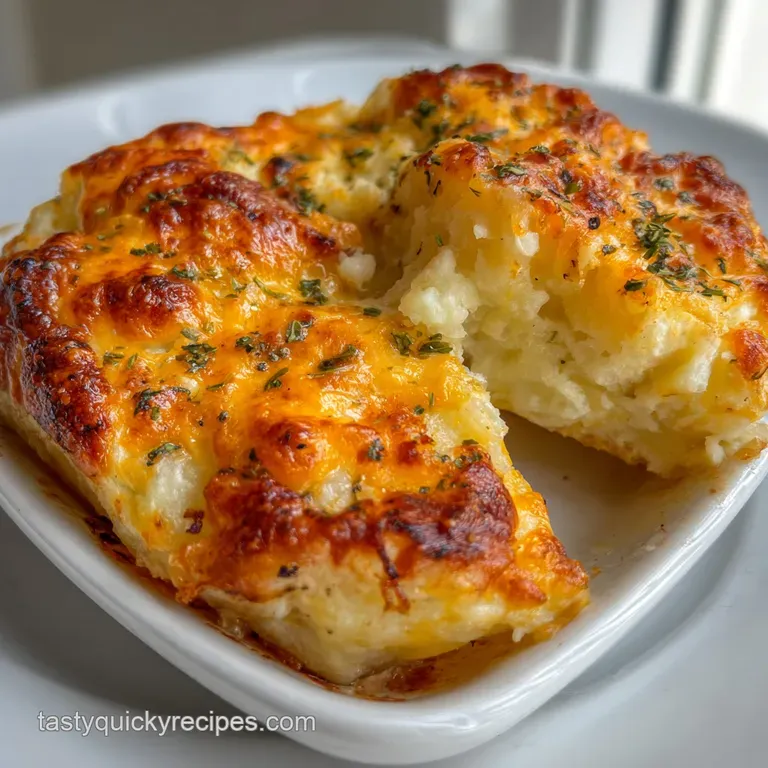
- The Ultimate Cheesy Spud Bake: Why This Casserole Outperforms Individual Spuds
- Achieving Peak Comfort: Texture and Flavor Science
- Sourcing Your Spuds: Essential Ingredients for the Creamy Base
- Mastering the Two Phases: Step-by-Step for the Twice-Baked Process
- The Chef's Troubleshooting Guide: Common Mistakes to Avoid
- Practical Prep: make-ahead, Storage, and Freezing Your Potato Casserole
- The Perfect Pairing: Best Mains to Serve Alongside the Spud Bake
- Recipe FAQs
- 📝 Recipe Card
The Ultimate Cheesy Spud Bake: Why This Casserole Outperforms Individual Spuds
There is no sound quite like the hiss and bubble of a piping hot Twice Baked Potato Casserole emerging from the oven. The smell that mix of caramelized butter, sharp cheddar, and smoky bacon is pure comfort code.
If you’ve been looking for the ultimate holiday side dish or just the most decadent Monday night dinner filler, this is it, hands down.
I adore individual twice baked potatoes, truly I do, but the labor involved in scraping out a dozen spuds, mixing the filling, and stuffing them back in? Frankly, I have better things to do, like eating the leftovers.
This casserole version takes all the beloved, creamy elements and throws them into a 9x13 dish, cutting the active prep time in half while retaining 100% of the delicious factor. It’s an easy casserole recipe that feels totally gourmet.
So ditch the tedious potato surgery. This approach to Twice Baked Potato Casserole is simpler, easier to serve, and frankly, feeds a crowd without causing a meltdown in your kitchen. Ready to make the best potato side dish of your life? Let’s crack on!
Achieving Peak Comfort: Texture and Flavor Science
Making the perfect Twice Baked Potato Casserole isn't just about mixing ingredients; it’s about understanding the texture. We aren’t making lumpy mashed potatoes here, nor are we making a dry potato bake. We are aiming for something rich, fluffy, and smooth almost fudgy.
Transitioning from Individual Servings to Family Style
The primary difference between individual servings and this family style Twice Baked Potato Casserole is consistency. When stuffing individual potato shells, you often need a slightly stiffer mixture to hold its shape.
Since we are baking this in a pan, we can afford in fact, we must aim for a much creamier, softer filling that settles beautifully into the dish. The deep, thick layer ensures even heat distribution and maximum velvety texture throughout.
Defining "Twice Baked": The Double Cooking Process
Why do we call it Twice Baked ? Because we cook the potato completely (Phase 1: roasting until tender), scoop out the flesh, mix it with loads of glorious dairy and cheese, and then bake it again (Phase 2: melting the cheese and setting the crust).
This second bake is what gives the dish its signature golden brown topping and integrates all those rich flavors deep into the potato base. Without that second stage, it's just mashed potatoes with stuff on top. This Twice Baked Potato Casserole relies on that golden crust.
The Core Components of a Perfect Potato Filling
The secret to keeping this Twice Baked Potato Casserole from turning into a gluey mess is incorporating fat (butter and sour cream) and warm liquid (milk) into the hot potato flesh immediately after ricing.
The fat coats the starch granules, preventing them from swelling excessively and releasing that unpleasant sticky, pasty consistency.
The Role of Russets in Starch Management
We use Russets, sometimes called baking potatoes, for a reason. They are high in starch and low in moisture. When cooked, their cellular structure breaks down easily, resulting in a light, fluffy, and dry interior that readily absorbs all the rich dairy we are about to add. If you’re ever tempted to try a waxy potato, check out my recipe for Purple Potato Recipes: Light Pillowy Gnocchi with Sage Brown Butter , but for this Twice Baked Potato Casserole , Russets are non-negotiable.
Binding Agents: Creating the Rich, Smooth Filling
The combination of sour cream and butter is what gives this dish its signature richness. Sour cream provides a crucial tang that cuts through the heaviness of the butter and cheese, balancing the flavor profile. Do not skimp on the fat here!
The fat is necessary to emulsify the mixture and create that smooth, cohesive filling we crave in a proper baked potato casserole recipe .
The Maillard Reaction: Browning the Cheese and Bacon
The final bake is all about the Maillard reaction that magical browning process. High heat causes the proteins and sugars in the cheese and bacon topping to react, creating hundreds of complex, savory flavors and that irresistible, crusty texture.
The melted, bubbling cheese provides a wonderful textural contrast to the soft, creamy filling beneath it.
Sourcing Your Spuds: Essential Ingredients for the Creamy Base
When making something this simple, every ingredient matters. Use good quality butter and a sharp cheese you'll taste the difference in this incredible Twice Baked Potato Casserole .
| Ingredient | Why It Works | Substitution Notes |
|---|---|---|
| Russet Potatoes | High starch, low moisture, ultimate fluffiness. | If truly desperate, use Yukon Gold, but they are waxier and require gentler handling. |
| Sour Cream | Richness and tang. Cuts through the fat. | Full fat Greek yogurt or crème fraîche works beautifully. |
| Sharp Cheddar | Bold flavor contrast. Melts perfectly. | Use aged Gouda, Monterey Jack, or even Pepper Jack for a spicy twist. |
| Milk/Half and Half | Moisture and smooth emulsification. | Buttermilk adds a lovely tang, or evaporated milk for extra richness. |
| Bacon | Smoke and crunch. Essential savory element. | Smoked ham or prosciutto bits, or skip entirely for a pure cheese bake. |
Selecting the Right Baking Potatoes (Russet vs. Yukon Gold)
As mentioned, Russets are the stars of this Twice Baked Potato Casserole . Yukon Golds are great for a regular mash because they hold their structure a bit more, but when you introduce all the butter and sour cream, they can become excessively dense.
For this specific baked potato casserole recipe , aim for Russets that are roughly the same size so they bake evenly during the first phase.
Dairy Decisions: Best Practices for Buttermilk, Cream, and Butter
My grandmother always insisted on using cultured dairy (sour cream or buttermilk) in her potato dishes. She was right. The acidity brightens the flavor profile, preventing the dish from tasting flat and heavy.
If you don't have buttermilk, you can make a quick substitute: mix 1 cup of whole milk with 1 tablespoon of white vinegar or lemon juice, let it sit for five minutes, and it will be ready to use. Crucially, make sure all your dairy is warm before adding it to the potatoes.
Elevating the Topping: Bacon, Chives, and Sharp Cheddar
The topping is where this Twice Baked Potato Casserole gets its visual appeal and final texture. We use sharp cheddar because its flavor is robust enough to stand up to the creamy filling. For the bacon, cook it until super crisp almost shatteringly so.
If it’s soft, it will turn mushy in the casserole. The chives add freshness and a mild onion bite; use fresh ones only!
Chef’s Note: Reserve half your bacon bits and half your chives to fold into the filling. This ensures flavor and color throughout the Twice Baked Potato Casserole , not just on top.
Mastering the Two Phases: step-by-step for the Twice Baked Process
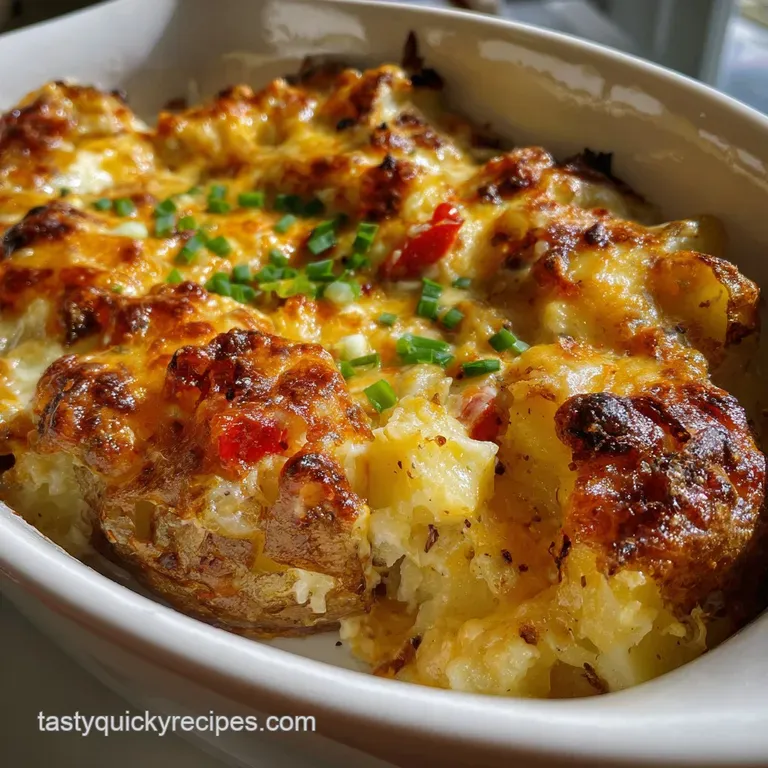
This recipe for Twice Baked Potato Casserole breaks down cleanly into three manageable phases: the bake, the mix, and the final roast. Precision matters here!
Phase 1: Roasting and Prepping the Potatoes
Preheat that oven to 400°F (200°C) straight away. A hot oven is key for a fluffy potato interior. Prick those spuds all over with a fork seriously, don't skip this, or you risk a potato explosion, which is not fun to clean up.
Rub them with oil and salt, which helps the skin crisp up and prevents them from drying out entirely. Bake until they are easily pierced. This usually takes about 60– 75 minutes. When they come out, your kitchen should smell wonderfully earthy and savory.
Let them cool slightly, just until they are easy to handle.
Mixing and Seasoning the Rich Potato Filling
The mixing phase is the most delicate part of preparing this amazing Twice Baked Potato Casserole . Scoop out the flesh while the potatoes are still hot . Immediately run the flesh through a potato ricer into your mixing bowl.
If you don’t have a ricer, use a heavy fork, but do not use a stand mixer or a food processor! That’s a guaranteed path to potato glue.
Next, pour in your warm dairy mixture (milk and melted butter), the sour cream, garlic powder, and paprika. Fold everything gently with a spatula. We are folding, not whipping! Once barely combined, add 1 cup of the cheese, half the chives, and half the bacon. Taste it now.
Adjust the salt and pepper. Remember, potatoes are hungry for salt.
Phase 2: The Final Bake and Golden Crust Finish
Grease your 9x13 dish and scoop the creamy potato filling in. This Twice Baked Potato Casserole should look thick and luxurious. Smooth the top with the back of a spoon. Sprinkle the remaining cheese and bacon generously over the top. This layer will become your crispy, golden crust.
Bake for 25– 30 minutes until that cheese is bubbly, melted, and beautifully browned.
The Chef's Troubleshooting Guide: Common Mistakes to Avoid
Even the best chefs have bad days. Here are the top three ways people mess up their Twice Baked Potato Casserole and how to avoid them.
Why Your Filling Might Be Too Gluey (Overmixing Warning)
This is the number one disaster scenario for any potato casserole. When you mix potatoes aggressively, you break down the starch molecules, which then bond together, creating a stretchy, gummy, glue like texture. The Fix: Use a ricer, not a mixer.
Fold the ingredients by hand with a spatula, mixing only until just combined. Stop the moment you don't see streaks of sour cream anymore.
Preventing a Dry Casserole: Ensuring Optimal Moisture
A dry casserole usually happens for one of two reasons: either the potatoes were overbaked the first time (losing too much moisture), or you skimped on the dairy. The Fix: If you notice your potato flesh feels dry right after scooping, add an extra splash of warm milk or a spoonful of softened butter to the mix.
It needs to be creamy before it goes into the final bake, as it will inevitably lose some moisture then. This style of Twice Baked Potato Casserole should be decadently moist.
Boosting Flavor: When to Adjust Salt and Pepper
Potatoes absorb seasoning like sponges, especially when hot. What tastes perfect right after mixing might taste bland once baked. The Fix: Always taste and season the filling generously before it goes into the pan.
If the dish tastes flat when you sample the mix, it will taste even flatter after baking. Don’t be shy with the salt; it’s the most important seasoning agent here!
Practical Prep: make-ahead, Storage, and Freezing Your Potato Casserole
One of the great joys of making a Twice Baked Potato Casserole is how well it handles advance prep. It's truly an easy casserole recipe that’s perfect for meal planning.
Preparing the Casserole 24 Hours in Advance
You absolutely can (and should!) make this ahead. Complete the entire assembly (steps 1 10, including the topping). Tightly cover the dish with foil or plastic wrap and refrigerate for up to 24 hours.
When you are ready to bake, remove it from the fridge while the oven preheats about 20 minutes to take the chill off. Bake as directed, adding 10– 15 minutes to the final cook time to account for the colder starting temperature.
Safe Freezing and Reheating Instructions
Does this Twice Baked Potato Casserole freeze well? You bet it does. Assemble the casserole fully, but do not bake it . Wrap the unbaked dish tightly in plastic wrap, then foil. Label and freeze for up to three months.
To bake from frozen: remove the plastic wrap but keep the foil on. Bake at 350°F (175°C) for 60– 75 minutes, or until thawed and heated through.
Remove the foil and increase the temperature to 400°F (200°C) for the last 15 minutes to achieve that desired golden crust.
Best Practices for Keeping Leftovers Fresh
Any remaining Twice Baked Potato Casserole should be covered tightly and refrigerated within two hours of baking. It will keep well for 3 4 days. For reheating, the best method is the oven (350°F / 175°C) until warm, loosely covered with foil. Microwave reheating is fast but will slightly compromise the glorious crust. If you're looking for more inspiration for make-ahead family dinners, you might enjoy my recipe for Chicken RiceaRoni Casserole: Ultimate Creamy Weeknight Bake , which is another terrific freezer option!
The Perfect Pairing: Best Mains to Serve Alongside the Spud Bake
This is a rich dish, so the pairings should either match the heartiness or offer a bright, acidic contrast. This fantastic Twice Baked Potato Casserole complements almost any traditional main.
Classic Dinner Companions (Roasts and Steaks)
A great potato casserole recipe belongs next to a big, beautiful cut of protein. Think slow roasted lamb shoulder, prime rib, or even simple grilled steaks. The earthy richness of the potato bake stands up perfectly to heavy sauces and meat juices.
This is exactly the kind of satisfying Twice Baked Potato Casserole that screams Sunday dinner.
Lighter Sides to Balance the Richness (Salads and Greens)
Because the filling of this Twice Baked Potato Casserole is so creamy, you need something green and light to cut through the density. A simple arugula salad with a bright lemon vinaigrette, or some quickly blanched asparagus tossed in flaky sea salt, works wonders.
The sharpness of the lemon or the slight bitterness of the greens provides the perfect counterpoint to the cheesy, buttery spuds.
Presentation Secrets: Garnishing Your Twice Baked Dish
Never serve a cheesy casserole without a garnish! It needs that pop of color and texture. Once your Twice Baked Potato Casserole is out of the oven and resting, shower it with the reserved fresh chives.
A final, tiny sprinkle of freshly cracked black pepper also adds visual appeal and a fresh aroma right before serving. Enjoy the best Twice Baked Potato Casserole you’ve ever had! It truly is a comforting masterpiece.

Recipe FAQs
Can I prepare the Ultimate Cheesy Spud Bake ahead of time?
Absolutely, this is a fantastic make-ahead dish. Assemble the entire casserole, cover it tightly with foil, and refrigerate it for up to 24 hours before baking. Remember to add an extra 10-15 minutes to the total baking time since you are starting from a chilled state.
Why did my casserole turn out dry instead of creamy?
This usually happens if you overbake the potatoes in the first stage, causing them to lose too much moisture, or if the filling lacks sufficient fat and liquid. Ensure you measure the sour cream, butter, and milk accurately, and if your potatoes seem particularly starchy, add an extra splash of milk or stock to the mash before baking.
What is the best potato variety to use for this recipe?
Russet potatoes (often labeled as baking potatoes) are the ideal choice due to their high starch content, which yields a light, fluffy, and absorbent mash perfect for the creamy filling. Avoid waxy varieties like new potatoes, as they tend to become dense or gluey when mashed thoroughly.
How do I ensure the cheese topping gets perfectly golden and bubbly?
If your topping is not browning after the suggested bake time, simply move the oven rack up slightly, or switch to the broiler (grill) for the final 1 to 2 minutes. You must watch it very closely under the broiler, as the transition from golden to burnt happens in mere seconds.
Can I freeze the Twice Baked Potato Casserole?
Yes, you can freeze the cooked casserole successfully. Cool it completely, cover it tightly with both plastic wrap and then foil, and freeze for up to three months. Thaw it overnight in the refrigerator and reheat covered at 350°F (175°C) until thoroughly warmed.
I don't have sour cream. What is a good substitute for the creamy filling?
Full fat plain Greek yogurt or softened cream cheese are excellent substitutes for sour cream, as they provide the necessary richness and tang to the potato mixture. If using cream cheese, ensure it is fully softened and whipped thoroughly into the potatoes to guarantee a smooth, even texture.
How can I adapt this recipe to be vegetarian?
To make this dish vegetarian, simply omit the bacon entirely. You can replace the savory, smoky dimension that bacon provides by incorporating smoked paprika into the potato mash mixture or by topping the casserole with crispy, deep fried shallots or caramelized onions instead.
Ultimate Twice Baked Potato Casserole
Ingredients:
Instructions:
Nutrition Facts:
| Calories | 782 kcal |
|---|---|
| Protein | 14.6 g |
| Fat | 37.1 g |
| Carbs | 97.6 g |
