Easy Recipes Using Sweet Peppers: Smoky Medley
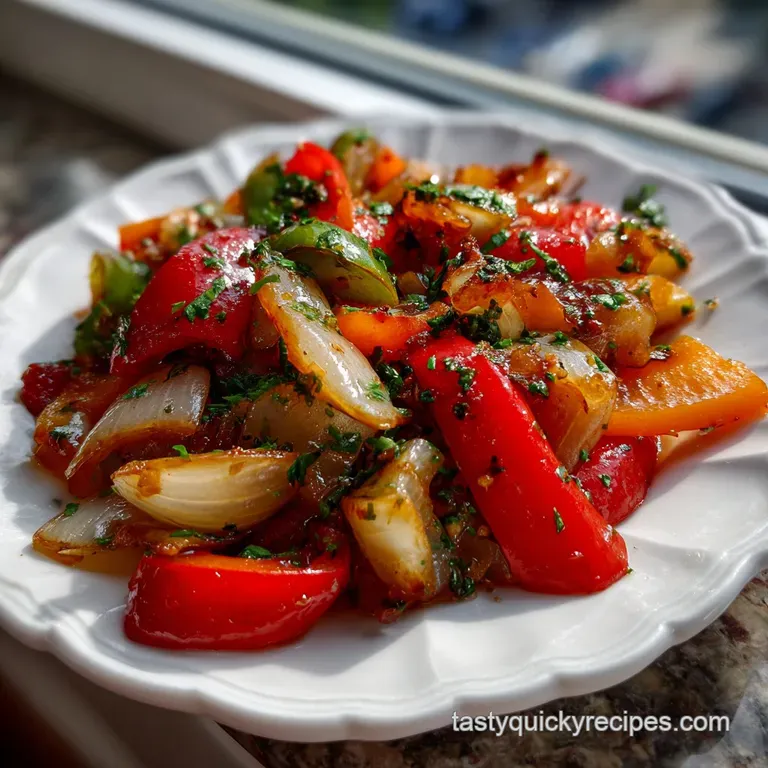
- Effort/Time: 15 minutes of active prep and 25 minutes of hands-on cooking.
- Key Flavor Hook: The "dry-pan sear" technique creates a smoky, charred finish without the grill.
- Perfect for: Healthy meal prep, topping grilled proteins, or filling gourmet sandwiches.
- The Ultimate Guide to Recipes Using Sweet Peppers
- Why This Mediterranean Medley Works: Flavor and Science
- Essential Ingredients & Smart Substitutions
- Step-by-Step Instructions for Our Signature Medley
- Expert Tips and Common Mistakes to Avoid
- Storage, Reheating, and Freezing Guidelines
- Creative Serving Suggestions for Recipes Using Sweet Peppers
- Sweet Pepper Recipe FAQs
- 📝 Recipe Card
The Ultimate Guide to Recipes Using Sweet Peppers
You know that sound? That high pitched, rhythmic tink tink-tink of a sharp chef’s knife hitting a wooden board? That’s the sound of me finally tackling that bag of mini peppers that’s been staring at me from the crisper drawer for three days.
We’ve all been there buying those adorable, multi colored mini peppers because they look like edible jewels, only to realize we need actual recipes using sweet peppers to move them from the fridge to the table.
Let me tell you, when you get the pan screaming hot and those peppers start to blister and snap, the smell is absolutely intoxicating. It’s sweet, it’s slightly smoky, and it’s the ultimate kitchen win.
I remember the first time I tried making a pepper medley like this. I dumped everything in at once, turned the heat to medium, and ended up with a soggy, grey mess that tasted like nothing. It was a total "sad desk lunch" moment.
But after years of tinkering, I realized the secret isn't just in what you cook, but how you layer the heat. This guide to recipes using sweet peppers isn't just a side dish; it’s a masterclass in texture.
We’re talking about peppers that still have a bit of "shatter" to the skin but are velvety and jammy on the inside. Whether you're a seasoned home cook or someone who just bought their first cast iron skillet, this guide is going to change how you look at those little peppers forever.
Finding good recipes using sweet peppers can revolutionize your weekly meal prep.
Why This Mediterranean Medley Works: Flavor and Science
This medley works because the natural sugars in sweet peppers and red onions caramelize at high heat, creating a deep sweetness that is perfectly balanced by the acidity of balsamic vinegar and the umami of cremini mushrooms.
By controlling the evaporation of moisture, we ensure the vegetables sear rather than steam, resulting in a complex flavor profile that feels much more sophisticated than its 40 minute cook time suggests. When you look for excellent recipes using sweet peppers, complexity should be the goal.
A Spectrum of Color and Nutrition
When we talk about recipes using sweet peppers, we aren't just looking for flavor; we're looking for that visual "wow" factor. Those vibrant reds, oranges, and yellows aren't just for show they represent different carotenoids and antioxidants.
From a culinary perspective, mini sweet peppers have thinner skins and higher sugar concentrations than their larger bell pepper cousins. This means they cook faster and achieve that beautiful char much more reliably.
When you combine them with the deep purple of red onions and the earthy brown of cremini mushrooms, you’re creating a plate that looks like a Mediterranean summer, even if you’re stuck in a rainy kitchen in November. This is why color is crucial in successful recipes using sweet peppers.
The Role of Natural Sugars in Sweet Peppers
Here’s the science: sweet peppers are packed with fructose and glucose. When we apply heat, specifically through the Maillard reaction and caramelization, these sugars break down and reform into hundreds of new flavor compounds.
The Maillard reaction occurs between amino acids and reducing sugars (usually starting around 285°F), creating those savory, toasted notes. Caramelization happens later, as the sugars themselves oxidize.
In recipes using sweet peppers, if you cook them too low and slow, you miss that window of complexity. You want that over high heat "sizzle" to kickstart these chemical transformations before the pepper loses its structural integrity and turns to mush.
Understanding the science helps you master the many recipes using sweet peppers you’ll attempt.
Balancing Acidity and Heat in Mediterranean Cooking
A great dish is a balancing act. The peppers and onions bring the sweet, the mushrooms bring the savory umami, and the garlic brings the aromatic pungency. But without acidity, the dish feels "heavy" or one-note. That’s where the balsamic vinegar comes in.
As you deglaze the pan with that 1 tbsp of balsamic, the acetic acid cuts through the richness of the olive oil. Meanwhile, the 0.5 tsp of red pepper flakes provides a back-of-the-throat warmth that doesn't overwhelm but makes the sweetness of the peppers pop.
It's a classic Mediterranean strategy: use acid to brighten and spice to ground. This layering is the hallmark of great recipes using sweet peppers.
Essential Ingredients & Smart Substitutions
The key ingredients for recipes using sweet peppers include mini sweet peppers, red onions, garlic, cremini mushrooms, and cherry tomatoes, all sautéed in extra virgin olive oil with dried oregano and fresh basil for a vibrant, healthy side dish.
Using high-quality fats and fresh aromatics is non-negotiable for achieving that authentic "bistro style" flavor at home. Learning these foundational ingredients is key to expanding your repertoire of recipes using sweet peppers.
Selecting the Best Mini Sweet Peppers and Onions
For this recipe, you need 1 lb of mini sweet peppers. Look for bags that feel firm to the touch; if they’re wrinkly, they’re past their prime and will be tough. For the 1 large red onion, I always go for one that feels heavy for its size that means it's still full of moisture and sugar.
If you find yourself out of red onions, a yellow onion works in a pinch, though you'll lose that beautiful color contrast. This is one of those recipes using sweet peppers where the onion is just as much a star as the pepper, so don't skip the thin slicing!
Pantry Staples: Oils, Herbs, and Aromatics
We’re using 3 tbsp of extra virgin olive oil. Don’t use your "finishing oil" here save the $40 bottle for dipping bread. Use a reliable, high smoke-point EVOO like California Olive Ranch.
For the garlic, 4 cloves might seem like a lot, but we’re slicing them thinly into "chips" rather than mincing. This prevents them from burning and gives you little pops of nutty flavor.
The 1 tsp of dried oregano is our base layer of flavor, while the 1/4 cup of fresh basil leaves (torn, never chopped!) provides that floral, peppery finish that ties everything together.
Protein Add-ons: From Chicken to Chickpeas
If you want to turn this from a side into a full meal, it’s incredibly easy. If you're looking for Low Fodmap Chicken Recipes: Easy Delicious Dinner Ideas, you could easily incorporate grilled chicken breast into this medley. Alternatively, a can of rinsed chickpeas added in the last 5 minutes of cooking provides a great plant based protein boost. If you're in the mood for something heartier, this pepper mix is the perfect bed for the spicy kick found in Chipotle in Adobo Sauce Recipes: Smoky Slow Cooked Chicken.
Dietary Swaps for Low-Carb and Vegan Options
| Original Ingredient | Best Substitute | Why It Works |
|---|---|---|
| 1 lb Mini Sweet Peppers | 3 Large Bell Peppers | Similar flavor profile. Note: Bell peppers have thicker walls; increase cook time by 5 minutes to ensure they soften properly. |
| 1 tbsp Balsamic Vinegar | 1 tbsp Red Wine Vinegar + 1 tsp Honey | Mimics the sweet tart balance. Note: Red wine vinegar is more aggressive; the honey is crucial to match the balsamic's viscosity. |
| 8 oz Cremini Mushrooms | 8 oz Shiitake Mushrooms | Provides a more intense, "woodsy" umami. Note: Shiitakes are less watery than creminis, so they brown faster. |
| 3 tbsp Extra Virgin Olive Oil | 3 tbsp Avocado Oil | High smoke point for searing. Note: You lose the peppery olive flavor, so add a pinch more oregano. |
| 1/4 cup Fresh Basil | 1 tbsp Fresh Thyme | Thyme offers an earthy, lemon like aroma. Note: Thyme is much more potent; use less to avoid overpowering the peppers. |
step-by-step Instructions for Our Signature Medley
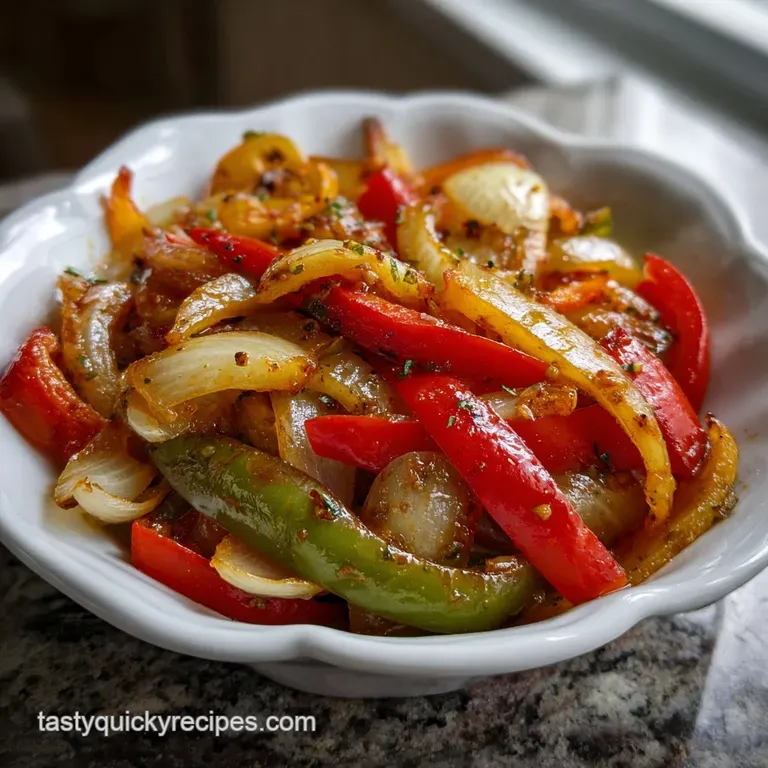
To make this dish, prep your vegetables into uniform slices, sear the peppers in a dry pan for depth, then sauté with onions and mushrooms before deglazing with balsamic vinegar and finishing with fresh basil and seasonings.
Following this specific order of operations ensures that each vegetable reaches its peak texture without becoming overcooked. Mastering this technique is crucial for all the recipes using sweet peppers you tackle next.
Prepping and Slicing for Even Cooking
First things first: take your 1 lb of mini sweet peppers and slice them into rings. I like to keep them about 1/4 inch thick. For the 1 large red onion, aim for thin half moons. Consistency is your best friend here.
If one pepper ring is a chunky half inch and another is paper thin, they won’t finish at the same time. Use a sharp Wüsthof or similar chef's knife to make clean cuts. Slice your 4 cloves of garlic into thin slivers think Paulie in Goodfellas—and halve those 1 cup of cherry tomatoes.
Having everything ready (your mise en place) makes the actual cooking process a breeze.
Sautéing Techniques for Deep Caramelization
Now, here is the "Chef's Expert Tip" I promised: The Dry Pan Trick. Heat your heavy bottomed skillet (a 12 inch Lodge Cast Iron is perfect) over medium high heat with nothing in it. Add the pepper rings to the dry pan for 2 minutes. You’ll hear them hiss and pop.
This sears the skins and creates a smoky aroma. Once they have some charred spots, add your 3 tbsp of olive oil and the sliced red onion. The onions will immediately start to pick up those brown bits (the fond) from the bottom of the pan.
Sauté for about 8 minutes until the onions are translucent and the peppers are softening.
Incorporating Tomatoes and Mushrooms
Add your 8 oz of sliced cremini mushrooms. Mushrooms are like sponges; they will soak up the oil and then release their own moisture. Don't panic if the pan looks dry for a minute just keep tossing.
Once the mushrooms have shrunken and turned golden brown, drop in your 1 cup of halved cherry tomatoes and the sliced garlic. We add the garlic now so it doesn't burn during the over high heat onion phase.
The tomatoes will begin to "slump" and release their juices, creating a light, natural sauce that binds the vegetables together.
Final Seasoning and Deglazing for Maximum Flavor
Sprinkle in your 1 tsp dried oregano, 1 tsp sea salt, 1/2 tsp cracked black pepper, and 0.5 tsp red pepper flakes. Now for the magic: pour in that 1 tbsp of balsamic vinegar. It will sizzle and steam, lifting all that concentrated flavor off the bottom of the pan.
Stir everything vigorously for 1 2 minutes until the vinegar has reduced to a glaze. Remove from heat and toss in your 1/4 cup of torn fresh basil. The residual heat will wilt the basil just enough to release its oils without turning it black.
Many other simple recipes using sweet peppers benefit from this deglazing step.
Chef's Note: If you're making this as a meal prep base, undercook the peppers by about 2 minutes. They will continue to soften as they cool and will reach perfect "al dente" status when you reheat them later in the week.
Expert Tips and Common Mistakes to Avoid
Avoid soggy peppers by using high heat and not overcrowding the pan; ensure even cooking by slicing all vegetables to a similar width and adding garlic only in the final stages to prevent bitter, burnt notes.
These small technical adjustments are what separate a mediocre stir fry from a restaurant quality Mediterranean medley. Mastering these nuances elevates all recipes using sweet peppers.
| Problem | Why It Happens | The Fix | Pro Protocol |
|---|---|---|---|
| Vegetables are soggy/steamed | Pan was overcrowded or heat was too low. | Cook in two batches or use a larger 14 inch skillet. | Use an Instant read Digital Thermometer to ensure pan surface is at least 375°F before adding oil. |
| Garlic tastes bitter/burnt | Garlic was added too early in the process. | Always add garlic in the last 3 5 minutes of sautéing. | Slice garlic into thicker "chips" rather than mincing to increase its thermal mass and prevent burning. |
| Dish is too watery | Tomatoes released too much juice too fast. | Increase heat to high for the final 2 minutes to evaporate excess liquid. | Salt the mushrooms separately 10 mins before cooking to draw out water, then pat dry before adding to pan. |
| Peppers are tough/chewy | Peppers weren't seared long enough or were old. | Use the "Dry Pan" trick to break down the skin's cellulose. | Add a tiny splash of water (1 tsp) and cover with a lid for 60 seconds to "steam snap" the fibers. |
Common Myths
Myth: You must peel mini peppers for a smooth texture. Truth: Unlike large bell peppers or poblanos, mini sweet pepper skins are incredibly thin and rich in flavor. Peeling them is a waste of time and actually removes the part of the vegetable that chars the best.
Myth: Dried herbs are "cheaper" and "worse" than fresh. Truth: For recipes using sweet peppers, dried oregano is actually superior during the cooking phase because its oils are concentrated and can withstand the high heat of the sauté.
Save the fresh herbs (like basil) for the very end to preserve their delicate aromatics.
Myth: Sautéing requires constant stirring. Truth: If you stir constantly, you prevent the vegetables from making sustained contact with the hot pan, which means no caramelization. Let them sit undisturbed for 60 90 seconds at a time to develop that golden crust.
Storage, Reheating, and Freezing Guidelines
Store leftover pepper medleys in an airtight glass container in the refrigerator for up to 4 days, or freeze for up to 3 months, reheating gently in a skillet to maintain the vegetables' structural integrity. Proper storage is essential for maintaining the vibrant colors and sweet flavors of the peppers over time.
Successfully storing these peppers makes following future recipes using sweet peppers easier.
Refrigeration Tips for Peak Freshness
Once your medley has cooled to room temperature, transfer it to a glass container (like Pyrex). Avoid plastic if possible, as the balsamic vinegar and oils can sometimes stain or absorb plastic odors. It will stay delicious for 4 days.
In fact, many people think recipes using sweet peppers taste better on day two because the flavors have had time to "marry."
Freezing Sweet Pepper Bases for Meal Prep
Can you freeze this? Yes! While the mushrooms might get a bit softer, the peppers and onions hold up surprisingly well. Freeze in a single layer on a baking sheet first (this prevents a giant frozen block), then transfer to a heavy duty freezer bag. They’ll last for 3 months.
This is a great trick if you find a sale on mini peppers and want to stock up. Freezing portions is a great strategy for anyone who loves cooking recipes using sweet peppers but doesn't always have time for prep.
Reheating for Best Texture
Please, for the love of all things holy, stay away from the microwave if you can. Reheating this in the microwave will turn your beautiful peppers into mushy, sad strips. Instead, toss them back into a hot non-stick skillet for 3 4 minutes.
The edges will crisp back up, and the flavors will wake up again. If you're in a rush, a toaster oven at 350°F for 5 minutes also works wonders.
Creative Serving Suggestions for Recipes Using Sweet Peppers
Serve these sweet peppers over toasted sourdough, tossed with al dente pasta, as a vibrant topping for grilled chicken, or even folded into a morning omelet for an instant Mediterranean style breakfast upgrade.
The versatility of this medley makes it a staple for any kitchen looking to add a burst of color and nutrition to daily meals.
Pairing with Grains, Grilled Meats, or Toasted Breads
One of my favorite ways to eat this is piled high on a piece of toasted sourdough that’s been rubbed with a raw garlic clove. The juices from the tomatoes and balsamic soak into the bread it’s heaven. If you're looking for a heavier dinner, this medley is the perfect companion to Crock Pot Smoked Sausage Recipes: 10 Minute Prep Dinner. The smokiness of the sausage plays beautifully with the sweetness of the peppers.
Innovative Ways to Use Leftover Pepper Medleys
If you have leftovers, don't just eat them as a side. Chop them up and stir them into a bowl of quinoa or farro for an instant grain salad. Or, do what I do on Sunday mornings: fold them into a three egg omelet with a little bit of feta cheese.
The sweetness of the peppers and the salty tang of the feta is a match made in brunch heaven. You could even use them as a pizza topping! Exploring these innovative uses ensures you maximize your efforts in trying new recipes using sweet peppers.
Final Thoughts on Using Sweet Peppers
The beauty of recipes using sweet peppers lies in their simplicity. You don't need fancy techniques or expensive ingredients just a hot pan, a little patience, and a respect for the natural sugars inside these tiny vegetables.
Whether you're making this as a quick weeknight side or a base for a larger meal, I promise it's going to become a frequent flier in your kitchen. Now, get that pan heating and let's get cooking!
- Recipe
- Mediterranean Sweet Pepper & Mushroom Medley
- Yield
- 6 servings
- Times
- Prep: 15 mins | Cook: 25 mins | Total: 40 mins
- Ingredients
- 1 lb mini sweet peppers (rings), 1 red onion (sliced), 4 garlic cloves (slivers), 8 oz cremini mushrooms (sliced), 1 cup cherry tomatoes (halved), 3 tbsp EVOO, 1 tbsp balsamic vinegar, 1 tsp oregano, 1/4 cup basil, salt/pepper/red pepper flakes.
- Key Technique
- Use the "Dry Pan" trick sear peppers for 2 mins without oil to build smoky depth.
- Flavor Profile
- Sweet, savory, tangy, with a hint of Mediterranean heat.
- Nutrition Note
- Approximately 111 kcal per serving, high in Fiber and Vitamin C.
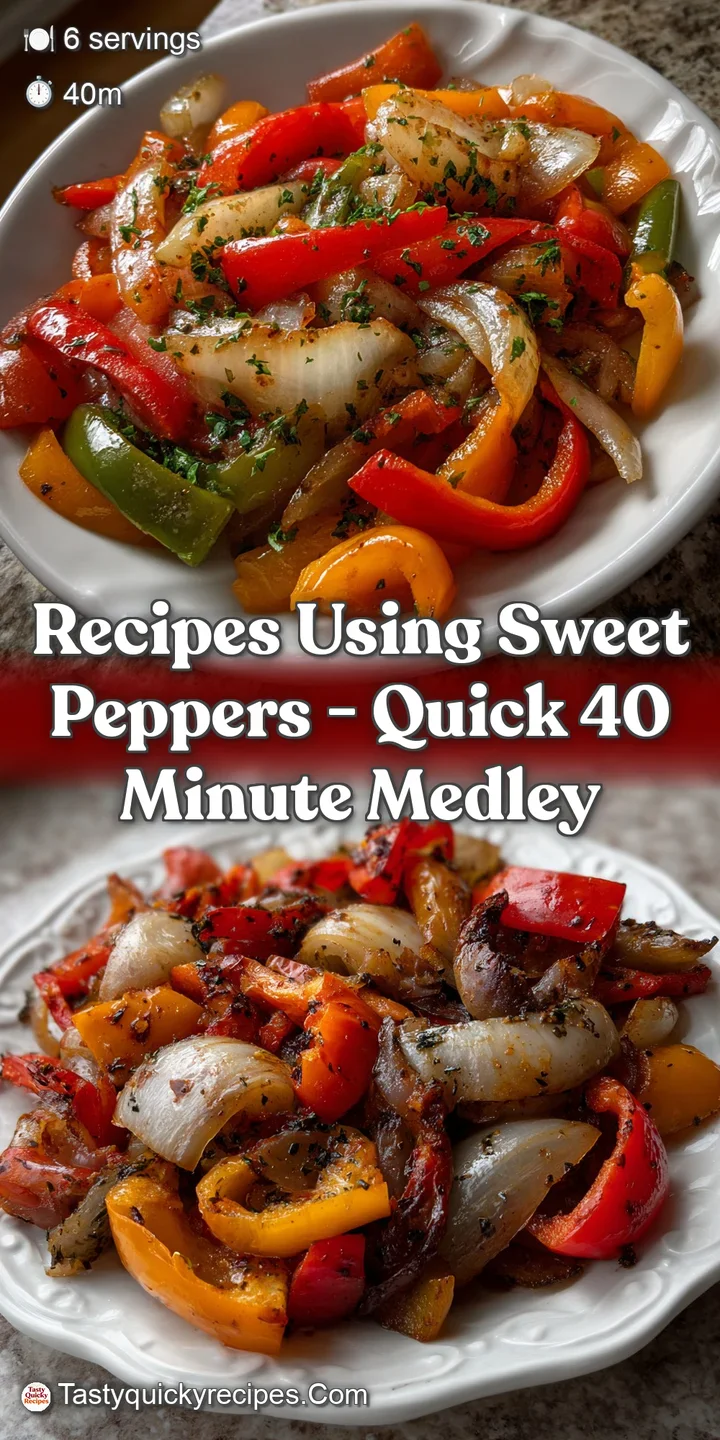
Sweet Pepper Recipe FAQs
What recipes use standard bell peppers?
Bell peppers (red, yellow, orange) are versatile fillers and bases for countless savory dishes. They are essential in stir fries, fajitas, stuffed peppers, and as aromatics in tomato based sauces. For instance, their sweetness balances acidity, similar to how fruits enhance sauces like in our Tomato Soup using frozen whole tomatoes Intense Flavor, No-Thaw Method.
- Stir Fries (use diced, high heat)
- Stuffed Pepper Casseroles
- Roasting for dips (like hummus)
How can I use up a large quantity of sweet peppers quickly?
The best method for volume is roasting or blanching and freezing. Roasting concentrates their flavor via caramelization of natural sugars, making them shelf stable for short periods. Blanching preserves color and texture if you plan on freezing them for later use in soups or stews.
What is the best way to use sweet heat peppers?
Sweet heat peppers, like Jimmy Nardello or specific Hungarian varieties, shine when their mild spice is highlighted, not masked. Because they have fewer seeds and less aggressive heat than jalapeños, they are excellent when finely minced and used as a garnish or incorporated into a dry rub. If you are looking for an easy snack utilizing sweetness, consider making a savory sweet mix similar to our White Trash Snack Mix with White Chocolate: The Easiest No-Bake Sweet Treat.
Why do my roasted sweet peppers become watery after cooling?
The wateriness results from cell wall breakdown during high heat cooking. The heat releases the internal water content; if not properly removed (or if cooled too slowly), the liquid pools around the softened pepper flesh.
To prevent this, use a "dry-pan sear" technique or strain them thoroughly after roasting on a wire rack over a sheet pan.
Is there a difference between using mini sweet peppers versus standard bell peppers?
Yes, mini sweet peppers are generally thinner walled and possess a higher sugar-to-water ratio than large bells. This means they caramelize faster and achieve deeper sweetness with less overall moisture loss during cooking.
Standard bell peppers require longer roasting times to reach the same sweetness level.
Can I freeze raw sweet peppers?
Yes, you can freeze them raw, but blanching first is highly recommended for quality retention. Raw freezing often results in mushy texture upon thawing because ice crystals rupture the cell walls.
If you must freeze them raw, slice them thinly and freeze them spread out on a tray before transferring to an airtight container, such as one sealed by a FoodSaver vacuum sealer.
Is it necessary to remove the seeds and membranes from sweet peppers?
No, it is not strictly necessary, but removing them improves texture and eliminates residual bitterness. The white pith (membrane) holds the highest concentration of capsaicinoids (which cause heat) and bitter compounds.
For the sweetest result, always remove the core, pith, and seeds, especially when making purees or sauces.
Sweet Pepper Mushroom Medley
Ingredients:
Instructions:
Nutrition Facts:
| Calories | 111 kcal |
|---|---|
| Protein | 2.3 g |
| Fat | 7.2 g |
| Carbs | 10.2 g |
| Fiber | 2.3 g |
| Sugar | 5.6 g |
| Sodium | 385 mg |
