Sugar Cookie: the Queens Reliable Cut-Out Recipe
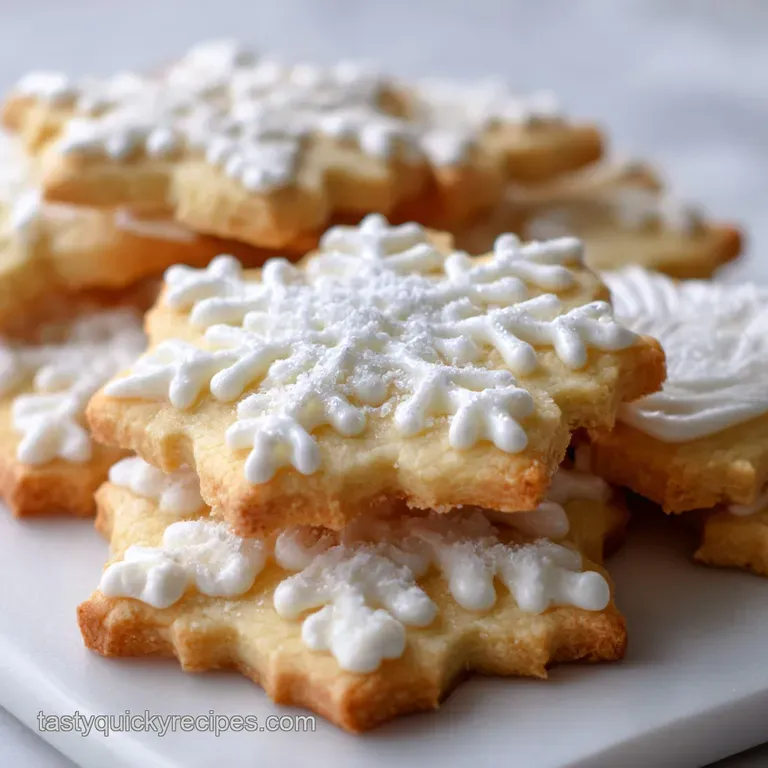
- Mastering the Art of Non-Spreading Cut-Out Cookies
- The Science Behind the Superior Sugar Cookie Dough
- Essential Provisions: What You Need for the Ultimate Dough
- The Baker’s Blueprint: Step-by-Step Guide to Perfect Baking
- Troubleshooting Your Dough: Tips from the Royal Test Kitchen
- Longevity: Storing Baked Cookies and Freezing the Dough
- Beyond the Bake: Finishing Touches and Royal Pairings
- Recipe FAQs
- 📝 Recipe Card
Mastering the Art of Non-Spreading Cut-Out Cookies
Can we just take a minute to talk about that smell? That aroma of pure butter and vanilla hitting the oven, promising a sturdy, slightly crisp edge and a tender center. This iconic scent is the hallmark of a truly great Sugar Cookie , and frankly, it smells like pure, nostalgic potential.
I know the frustration of spending an hour rolling and cutting only to watch your perfectly detailed reindeer melt into vaguely circular puddles. But listen, this specific Sugar Cookie recipe is the solution to your spreading woes, transforming the intimidating task of decorating into a joy.
It’s reliable, uses super cheap staples, and delivers an elegant, flawless canvas every single time.
We are leaving behind the days of baking uncertainty and embracing kitchen royalty. Let's crack on and discover the precise techniques needed to make the absolute best Sugar Cookie dough you will ever handle.
The Science Behind the Superior Sugar Cookie Dough
Why can some recipes handle a rigorous chilling session and hold their shape, while others give up the ghost the moment they feel the heat? It all comes down to the balance of fat, flour, and air.
This method focuses entirely on ensuring the dough remains stable, preventing that dreaded slumping while maintaining a delicate interior crumb. The secret to the perfect Sugar Cookie lies in control.
The Royal Promise: Consistency and Perfectly Defined Edges
This recipe guarantees consistency because we utilize a higher ratio of flour to fat than typical drop cookies, which usually spread easily. We are creating a matrix where the butter remains suspended, allowing the dough to firm up incredibly well when chilled.
This firmness ensures your Sugar Cookie cutouts stay sharp and true to form.
Why the 'Creaming' Method is Essential for a Tender Crumb
Creaming butter and sugar doesn't just mix them together; it literally injects tiny pockets of air into the mixture. These air bubbles are vital. During baking, they expand, providing the lift and tender structure that keeps the cookie from becoming dense or hockey puck hard.
You need to mix until the butter is noticeably pale and fluffy, maybe 3 or 4 minutes in a stand mixer.
A Versatile Canvas for Any Occasion's Icing
The texture we aim for is sturdy enough to hold a layer of royal icing the kind that takes hours to decorate perfectly. You need a stable base that won't crumble the second you pick it up, which makes this specific Sugar Cookie recipe the ultimate choice for elaborate holiday designs.
The Ratio: Balancing Flour and Fat for Zero Shrinkage
The amount of flour in this dough is intentionally high, and we use zero liquid besides the egg and vanilla. This high solids approach keeps the gluten development to a minimum and gives the dough the necessary body to resist spread.
Achieving the perfect balance is what elevates this from a merely good cookie to a truly great cut-out Sugar Cookie .
The Role of Vanilla and Subtle Almond in Layering Flavor
I’m a purist, but even I admit that a tiny splash of almond extract transforms the flavor profile dramatically, turning it from a simple sweet treat into a sophisticated bakery style delight.
Don't skip the pure vanilla extract, either; flavor is built in layers, even in something as simple as a homemade Sugar Cookie .
Temperature Control: Why Cold Butter is Non-Negotiable for Structure
While we start with soft butter for creaming, the subsequent chilling is the real magic. Cold butter molecules take longer to melt when they hit the hot oven, giving the flour structure time to set before the fat renders completely. If your dough is warm before baking, it will spread. Period.
Chef’s Note: Never eyeball the flour. If you simply scoop flour directly from the bag, you compact it, which adds significantly more flour than intended. This makes your dough dry, crumbly, and difficult to roll. Always use the "spoon and level" method for flour measurement!
Essential Provisions: What You Need for the Ultimate Dough
Simple ingredients are often the hardest to master because quality matters so much. When making a delicate Sugar Cookie , you can’t hide behind complex fillings or strong spices, so use the best butter you can afford.
| Ingredient | My Recommendation | Substitution Notes |
|---|---|---|
| Butter | Unsalted European Style (higher fat content) | high-quality plant based butter sticks or margarine (may require longer chill). |
| Flour | All-purpose (Gold Medal or King Arthur) | Use a good quality 1:1 gluten-free blend containing xanthan gum. |
| Leavening | Baking Powder | For denser, flatter cookies, replace with 1/2 tsp Baking Soda. |
| Vanilla | Pure Vanilla Extract | You can use vanilla bean paste for a more intense flavor. |
Choosing Your Fats: Butter vs. Shortening Considerations
I am firmly in the butter camp, mostly because the flavor is unmatched. However, if you are obsessed with absolutely zero spread, substituting up to half the butter with a high-quality shortening will yield the most rigid Sugar Cookie shape possible.
Just remember, you sacrifice some of that beautiful, creamy butter taste.
Flour Selection: The Secret to a Tender Crumb
All-purpose flour is the standard here, and that’s because its protein content is moderate. We want structure but not chewiness we are not making Chocolate Chip Cookies: The Ultimate Chewy, Caramel Edged Recipe here!
Avoid bread flour, as the high protein will activate too much gluten and result in a tough, unyielding cookie.
Adapting Extracts: Swapping Almond for Lemon or Coconut Notes
If almond isn't your jam, try using lemon extract along with the zest of one lemon for a bright, sunny flavor. Or, if you want something truly unique, coconut extract pairs wonderfully with vanilla. I recommend keeping the total amount of extract exactly the same (2 teaspoons total).
The Baker’s Blueprint: step-by-step Guide to Perfect Baking
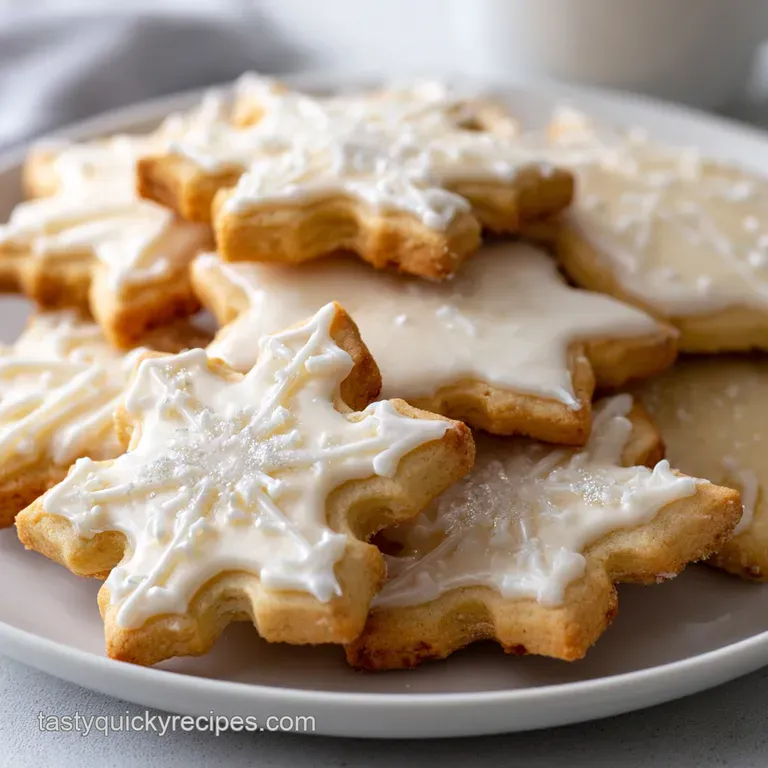
This process relies heavily on timing and temperature. Treat the dough gently, and it will reward you with perfection.
Bringing the Dough Together Without Overworking the Gluten
Once you add the flour mixture, use the mixer on the lowest setting, or pulse it carefully. The goal is to mix only until the flour streaks disappear that's it. As soon as it comes together into a shaggy, soft dough, stop. Overmixing develops gluten, and tough cookies are nobody's goal.
You can always finish incorporating the last bits of flour by hand with a spatula.
The Crucial Chill: How Long is Long Enough for Optimal Handling?
A minimum of 60 minutes is required, but honestly, 90 minutes is even better. I always shape my Sugar Cookie dough into two flattened discs, wrap them tightly, and slide them into the coldest part of the fridge.
This rest period not only firms up the butter but also allows the flour to fully hydrate, resulting in a more tender finished product.
Rolling Uniform Thickness for Even Baking Results
This is a step I learned the hard way. If one cookie is 1/8 inch thick and the next is 1/4 inch, one will burn while the other remains raw in the middle. Invest in a rolling pin with thickness guides or use two rulers along the edges of your dough. Aim for exactly 1/4 inch thickness across the board.
Baking Time Telltales: Recognizing the Golden Edge
Bake the Sugar Cookie at 350°F (175°C) for 10– 12 minutes. The center should look barely set, maybe even a tiny bit soft, but the very edges will take on the slightest hint of pale golden color. When you see that gold ring, pull them out!
They will continue to firm up on the hot tray.
Troubleshooting Your Dough: Tips from the Royal Test Kitchen
I’ve made every mistake in the book, so let me save you the heartache.
Rescuing Crumbly Dough vs. Overly Sticky Dough
If your dough is so crumbly you can't even roll it, you likely added too much flour (see my previous rant about scooping flour). Fix it by adding a teaspoon of milk or water, mixing it in quickly, and checking the consistency. Repeat if necessary.
If the dough is overly sticky, chill it longer, and when rolling, use the parchment paper trick to avoid adding more flour.
The Mystery of Too Much Spread: What Went Wrong?
If your cookies spread, the usual culprits are: 1) The butter was too soft or slightly melted when creaming; 2) The dough wasn't chilled long enough; or 3) Your oven temperature is lower than displayed, prolonging the melting time. If spread is your biggest challenge, ensure you use the second chilling step— 15 minutes in the freezer on the tray before baking works miracles. If you prefer a cookie where spreading is desired, try my recipe for Peanut Butter Cookies: Perfectly Chewy Classic Criss Cross Recipe !
Achieving the Perfect Soft vs. Crisp Cookie Texture
For a soft Sugar Cookie , roll them thicker (3/8 inch) and underbake slightly pull them out the second the edges turn pale. For a crisp snap, roll them to 1/8 inch thickness and bake until the entire cookie is visibly golden.
Longevity: Storing Baked Cookies and Freezing the Dough
This recipe is fantastic for making ahead, which is why it’s the only reliable Sugar Cookie I use during the holidays.
Pre-Baked: Keeping Cookies Fresh and Flavorful
Once completely cooled and undecorated, store your baked Sugar Cookies in an airtight container at room temperature for up to five days. If you’ve decorated them with royal icing, they will last even longer, sometimes up to a week, as the hard icing helps seal in the freshness.
The Ultimate Time Saver: Freezing Raw Dough Discs
My favorite trick! Make the dough, form the discs, wrap them well (a double layer of plastic wrap and then foil), and freeze for up to three months. This is perfect for when you need a batch of the best Sugar Cookie dough now .
Tips for Thawing and Immediate Baking
When you are ready to use the frozen dough, transfer the wrapped disc to the refrigerator and allow it to thaw slowly overnight. Attempting to roll frozen or partially frozen dough will cause it to crack and crumble. Once thawed, follow the rolling and baking instructions precisely.
You can usually skip the initial chilling step since the dough is already cold!
Beyond the Bake: Finishing Touches and Royal Pairings
This incredible Sugar Cookie is a truly blank slate. It’s perfect naked with a cup of coffee, but it shines when paired with a simple glaze or, for the dedicated, royal icing. If you need inspiration for using the perfect cut-out base, check out my tutorial on the Sugar Cookies Recipe: Ultimate Shape Holding Cutouts for detailed decorating ideas.
Whether you choose to ice them with intricate designs or simply sprinkle them with colored sugar, this recipe guarantees a reliable, delicious, and perfectly shaped Sugar Cookie . It’s the foundation upon which all great cookie memories are built. Now go forth and bake!

Recipe FAQs
Why did my sugar cookies spread and lose their cut-out shape during baking?
Spreading is usually caused by using butter that was too warm or not chilling the dough sufficiently. Ensure your butter is only room temperature, not soft or melted, and always chill the cut-out shapes for at least 15 minutes before they enter the oven.
Measuring too little flour can also disrupt the necessary cookie structure.
My cookies came out tough and dense. How do I achieve a tender crumb?
Toughness is a direct result of overworking the dough once the flour is incorporated, which develops too much gluten. Mix the dry ingredients in only until they are just combined, then stop stirring immediately.
If the cookies are crumbly rather than tough, the dough might have been too dry, so ensure your flour is properly measured (spooned and leveled).
How long must I chill the dough, and can I freeze it for later use?
The raw dough requires a minimum of 2 hours of chilling to properly solidify the fats and ensure the cookies hold their precise shape. You can wrap the dough tightly in plastic wrap (in a disc shape) and freeze it for up to 3 months. Thaw frozen dough overnight in the refrigerator before rolling and cutting.
Can I easily adapt this recipe to be gluten-free or dairy-free?
For a gluten-free variation, substitute the all-purpose flour cup-for-cup with a quality 1:1 gluten-free baking blend that contains xanthan gum. For a dairy-free cookie, you can substitute the butter with high-quality vegan butter sticks (those with a high fat content) or use shortening, though shortening will slightly diminish the buttery flavor.
What is the recommended thickness for the cut-out dough?
We recommend rolling the dough to exactly 1/4 inch thickness for the perfect balance of crisp edges and a tender center. Cookies rolled too thinly will be overly brittle and susceptible to burning. If you prefer a puffier cookie, you can roll them to 3/8 inch, but reduce the chilling time slightly.
Can I skip the creaming step to save time?
No, the creaming of the butter and sugar is a crucial chemical step that introduces necessary air and creates the signature tender texture of the cookie. If you skip this, your cookies will be dense, flat, and hard.
Ensure you cream the ingredients for the full time recommended until the mixture is visibly light and fluffy.
Reliable Cut Out Sugar Cookie Recipe
Ingredients:
Instructions:
Nutrition Facts:
| Calories | 100 kcal |
|---|---|
| Protein | 1.0 g |
| Fat | 4.5 g |
| Carbs | 14.0 g |
