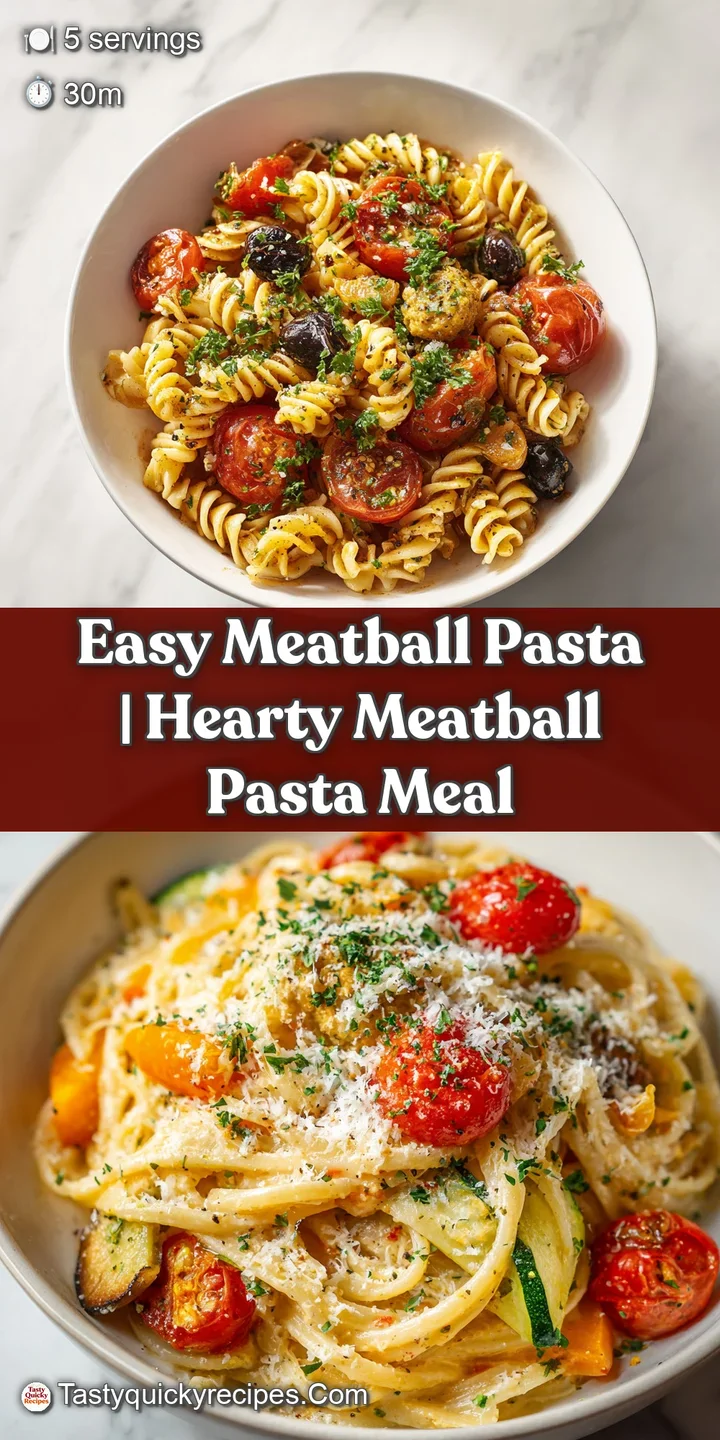
Meatball Pasta: Velvety Sauce & Seared Meatballs
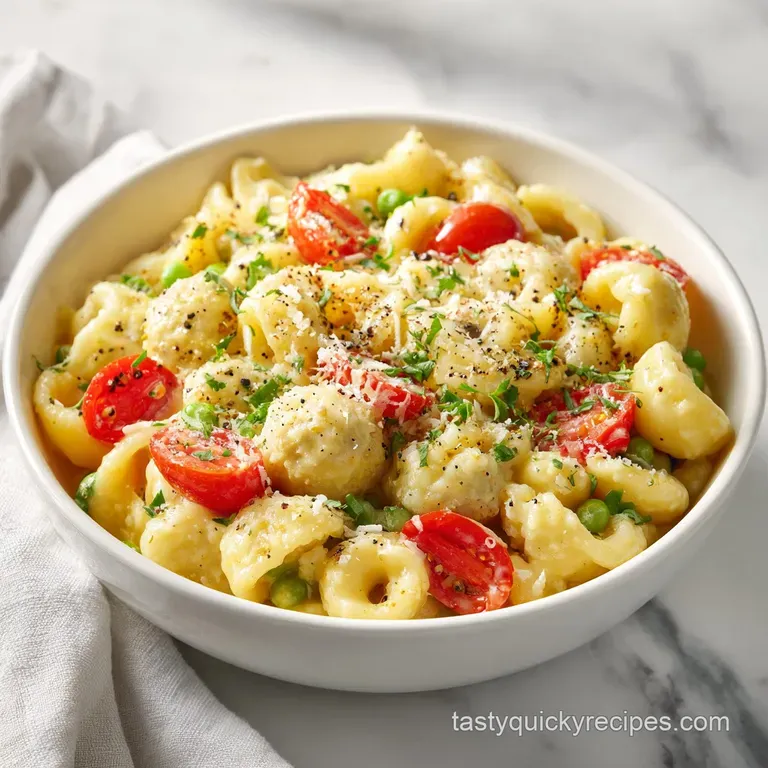
- Time: Active 15 minutes, Passive 15 minutes, Total 30 minutes
- Flavor/Texture Hook: Velvety tomato sauce with tender, browned meatballs
- Perfect for: Busy weeknights where you need comfort food fast
- The Science of Flavorful Bites
- Analyzing Our Primary Components
- Quality Elements and Smart Swaps
- Essential Tools for Success
- Executing the Plan Perfectly
- Solving Every Kitchen Hiccup
- Flavor Profiles and Adaptations
- Managing Leftovers and Scraps
- Creating a Complete Spread
- Myths Regarding Meatballs
- High in Sodium (⚠️)
- Recipe FAQs
- 📝 Recipe Card
The Science of Flavorful Bites
- Capillary Action: The panko and milk panade creates a structural mesh that traps moisture, preventing the meat proteins from tightening into a tough mass.
- The Maillard Reaction: Searing the meatballs at a high temperature creates a crust of complex sugars and amino acids that adds deep, savory notes the sauce alone can't provide.
- Starch Emulsification: Reserved pasta water contains amylose, which acts as a bridge between the watery tomato base and the fats in the meat, creating a sauce that clings rather than slides.
| Meatball Size | Internal Temp | Rest Time | Visual Cue |
|---|---|---|---|
| 1.5 inch (Golf ball) | 165°F | 3 minutes | Deep brown crust, no pink |
| 1 inch (Small) | 165°F | 2 minutes | Uniformly seared, firm touch |
| 2 inch (Jumbo) | 165°F | 5 minutes | Dark exterior, juices run clear |
When you're aiming for that glossy finish, the pasta water is your best friend. It’s a trick I use in almost all my dishes, including my Spaghetti Sauce Recipe, to ensure the texture is silky rather than thin.
Analyzing Our Primary Components
| Ingredient | Science Role | Pro Secret |
|---|---|---|
| 80/20 Ground Beef | Provides fat for flavor | Use cold meat to prevent fat from melting before the sear |
| Panko Breadcrumbs | Interrupts protein bonding | Soak in milk first to create a true panade |
| Fresh Garlic | Adds volatile aromatics | Grate it directly into the meat for even distribution |
| Crushed Tomatoes | Acidic base for balance | Look for "San Marzano style" for less bitterness |
If you ever find yourself craving a spicy kick instead of the classic Italian profile, you might want to try a Buffalo Chicken Pasta recipe. It uses a similar logic of balancing fat and acid but with a totally different heat profile.
Quality Elements and Smart Swaps
- 1 lb ground beef (80/20): The fat content is non negotiable for moisture.
- Substitute: Ground turkey (85/15). Why this? Leaner but still holds shape; add a teaspoon of olive oil.
- 0.5 lb ground pork: Adds a softer texture and fatty sweetness.
- Substitute: Bulk Italian sausage. Why this? Already seasoned, adds a massive punch of fennel and herbs.
- 0.5 cup panko breadcrumbs: Creates a lighter, fluffier meatball than standard crumbs.
- Substitute: Sourdough crumbs. Why this? Adds a slight tang that cuts through the rich beef fat.
- 0.5 cup grated parmesan: Acts as both a seasoning and a binder.
- Substitute: Pecorino Romano. Why this? Saltier and funkier, use slightly less than the recipe calls for.
- 1 lb spaghetti or bucatini: The vehicle for your sauce.
- Substitute: Rigatoni. Why this? The holes trap small bits of meat and sauce perfectly.
- 28 oz crushed tomatoes: The heart of your red sauce.
- 0.5 cup whole milk: Hydrates the breadcrumbs.
- 1 large egg, beaten: Binds the mixture together.
- 3 cloves fresh garlic, minced: Essential for that classic aroma.
- 2 tbsp fresh parsley, chopped: Adds a necessary burst of freshness.
- 1 small yellow onion, finely diced: Provides a sweet, foundational flavor.
Chef's Tip: Freeze your butter for 10 minutes and grate a tiny bit into the meat mixture. Those tiny pockets of fat will melt during cooking, creating internal steam that makes the meatballs incredibly light.
Essential Tools for Success
You don't need a professional kitchen to pull off a great meatball pasta. A heavy bottomed skillet or a cast iron pan is vital for getting that dark, crusty sear on the meat without burning the bottom. If your pan is too thin, the heat fluctuates too much and you'll end up steaming the meat instead of frying it.
A large pot for the pasta is a given, but make sure you have a glass measuring cup handy to scoop out that starchy water before draining. It's the liquid gold that turns a basic tomato sauce into a velvety coating. Honestly, don't even bother with a colander that doesn't let you easily save some of that water.
Executing the Plan Perfectly
- Hydrate the panade. Mix 0.5 cup panko with 0.25 cup whole milk in a small bowl. Note: This prevents the breadcrumbs from sucking moisture out of the meat.
- Combine the meat. Gently mix the beef, pork, soaked panko, egg, parmesan, garlic, parsley, salt, and pepper. Stop once just combined to avoid a dense texture.
- Form the spheres. Roll the mixture into 1.5 inch balls. Note: Wet your hands slightly to prevent the meat from sticking to your palms.
- Sear for flavor. Heat 2 tbsp olive oil in a skillet over medium high heat. Brown meatballs for 5 minutes until a crust forms on all sides.
- Sauté the aromatics. Remove meatballs from the pan and add the diced onion. Cook 3 minutes until translucent and soft.
- Build the base. Stir in the crushed tomatoes, oregano, and red pepper flakes. Bring to a gentle simmer.
- Simmer the meatballs. Nestled the meatballs back into the sauce. Cook for 10 minutes until the sauce thickens and meat is cooked through.
- Boil the pasta. Cook your spaghetti in salted water for 8 minutes until slightly firm to the bite (al dente).
- Combine and emulsify. Toss the pasta into the sauce with 0.5 cup reserved pasta water.
- Finish and serve. Stir vigorously over low heat for 1 minute until the sauce looks glossy and clings to the noodles.
Solving Every Kitchen Hiccup
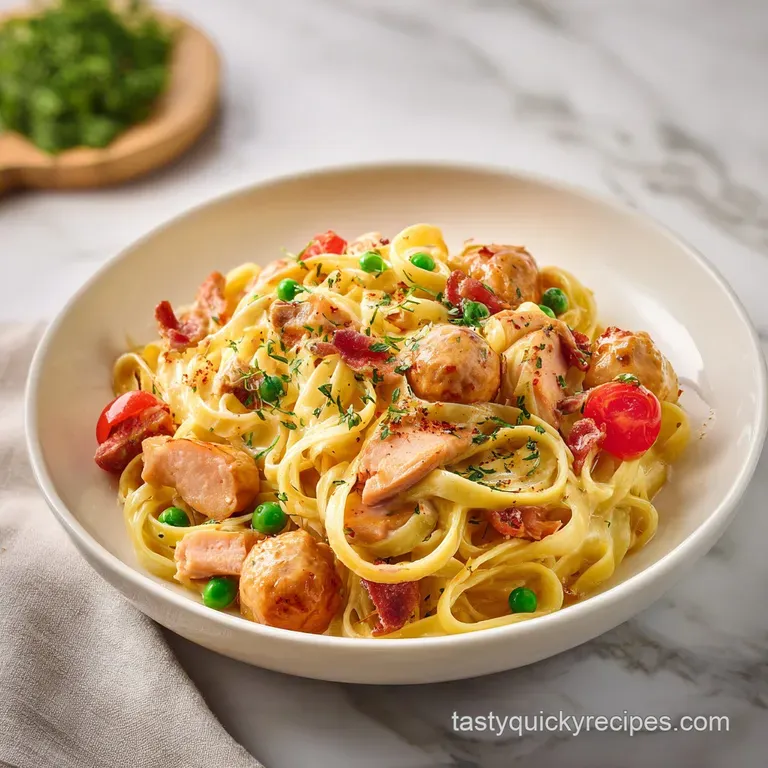
Why Your Meatballs Fall Apart
If the meatballs disintegrate the moment they hit the sauce, it's usually a binding issue. Either the egg was too small or you didn't let the panade hydrate long enough. Another culprit is moving them too early in the skillet; they need that initial crust to hold their structure.
To Fix a Thin, Watery Sauce
A watery sauce usually happens if the tomatoes haven't simmered long enough or you added too much pasta water too fast. The fix is heat and agitation. Increase the temperature slightly and toss the pasta vigorously; the starch needs friction to thicken the liquid.
| Problem | Root Cause | Solution |
|---|---|---|
| Rubbery meatballs | Overworking the meat | Mix by hand until just combined; don't squeeze |
| Bland sauce | Lack of salt/acid | Add a splash of balsamic vinegar or more salt |
| Dry interior | Lean meat used | Ensure 80/20 beef ratio or add a tablespoon of oil |
Common Mistakes Checklist ✓ Pat the meat surface dry if it seems wet before searing (improves browning). ✓ Never crowd the pan; work in two batches if your skillet is small. ✓ Use a cookie scoop for uniform meatballs so they cook at the same rate.
✓ Salt the pasta water until it tastes like the sea; it's your only chance to season the noodles. ✓ Don't rinse the pasta after draining; you'll lose the starch that helps the sauce stick.
Flavor Profiles and Adaptations
Scaling Down (2 servings) Use 0.5 lb of total meat and half an egg. For the egg, beat it in a cup and pour out half. Use a smaller 8 inch skillet to keep the sauce from evaporating too quickly. Reduce the simmering time by about 3 minutes as the smaller volume heats faster.
Scaling Up (10 servings) Double everything but keep the red pepper flakes at 1.5x to avoid overwhelming heat. You must sear the meatballs in at least three batches. Don't try to cram them all in or they will steam and turn gray. Use a large Dutch oven instead of a skillet to handle the volume of sauce.
- For a Swedish twist
- Swap the tomato sauce for a roux based beef gravy with a dash of allspice and nutmeg.
- For a cheesy bake
- Transfer the finished pasta to a dish, top with fresh mozzarella, and broil for 3 minutes until bubbly.
- For a quick fix
- Use high-quality frozen meatballs seared in a pan to save 10 minutes of prep time.
Managing Leftovers and Scraps
Storage Guidelines Keep the meatball pasta in an airtight container in the fridge for up to 4 days. The pasta will actually absorb more sauce as it sits, so it might be a bit thicker the next day. For the freezer, this dish stays great for 3 months.
I recommend freezing the meatballs and sauce together, then boiling fresh pasta when you're ready to eat.
Zero Waste Tips Don't toss those parsley stems! Finely chop them and sauté them with the onions for extra flavor. If you have leftover sauce but no meatballs, it makes a killer base for a pizza or a dipping sauce for garlic bread.
Even the parmesan rind can be tossed into the simmering sauce to add a deep, nutty richness just fish it out before serving.
Creating a Complete Spread
This dish is heavy and rich, so you need something bright to balance the table. A simple arugula salad with a lemon vinaigrette is my go to. The peppery bite of the greens cuts through the fat of the beef and pork beautifully.
If you’re feeling extra, a loaf of crusty bread is mandatory for "scarpetta" the Italian tradition of mopping up every last drop of sauce from the plate. I usually rub a raw garlic clove on toasted slices of sourdough for a quick garlic bread that isn't too greasy.
Myths Regarding Meatballs
Searing "seals in" the juices. This is one of the oldest lies in the book. Searing actually causes some moisture loss due to high heat. However, we do it for the flavor. The crust provides the savory depth that makes the dish, not because it keeps the inside wet.
The panade is what actually handles the moisture.
Milk makes the meat soggy. Actually, the protein in the milk helps tenderize the meat fibers. When combined with breadcrumbs, it creates a gel like structure that keeps the meatballs light and airy. Without it, you're just making small, dense hamburgers.
You must use only beef. Pure beef meatballs can be quite heavy and sometimes dry. Mixing in pork or even veal adds different fat melting points and textures. It’s the secret to that "pillowy" feeling you get in high end Italian restaurants.
High in Sodium (⚠️)
940 mg mg of sodium per serving (41% % of daily value)
The American Heart Association recommends limiting sodium intake to about 2,300mg per day for optimal health.
Tips to Reduce Sodium in Your Spaghetti Sauce
-
Lower Sodium Cheese-15%
Substitute the grated Parmesan with a lower sodium cheese alternative, such as part skim ricotta or fresh mozzarella. This swap can reduce sodium by approximately 15%.
-
Reduce Added Salt-25%
Decrease the amount of kosher salt added during cooking. Start by using only 0.75 tsp of salt and adjust to taste after the sauce has simmered. You can always add more, but can't take it away!
-
No-Salt Added Tomatoes-20%
Use no-salt added crushed tomatoes. Rinsing regular crushed tomatoes can help reduce sodium, but using the no-salt added version is even better, cutting sodium by up to 20%.
-
Leaner Meat Choices-10%
Opt for leaner ground beef (93/7) to reduce overall sodium and fat content. Ground turkey can be substituted for the ground pork to further reduce sodium.
-
Flavor with Herbs
Enhance the flavor of the sauce with fresh herbs and spices instead of relying on salt. Consider adding more fresh parsley, basil, or a pinch of garlic powder.
Recipe FAQs
What sauce goes with meatballs and pasta?
Classic marinara or a slow simmered Sunday gravy. The high fat content of the meatballs pairs perfectly with the acidity of crushed tomatoes to create a balanced sauce.
What kind of pasta goes well with meatballs?
Long, thick strands like spaghetti or bucatini are traditional and excellent. For a modern twist that captures more sauce, rigatoni or penne works well because the sauce clings inside the tubes.
How to make meatball pasta?
Gently combine your ground meat with a milk soaked panade, form into uniform balls, and sear them thoroughly in hot oil. After searing, simmer the meatballs in your tomato sauce until they reach an internal temperature of 165°F.
Can you eat meatballs with pasta?
Yes, this is one of the most popular and time honored combinations in Italian American cuisine. The starches from the pasta help emulsify the sauce, ensuring every bite is cohesive.
Is it true that overmixing the meatball mixture prevents them from being tender?
Yes, this is absolutely true. Overworking the meat develops the proteins too much, resulting in dense, tough meatballs. Mix only until the wet and dry ingredients are just barely incorporated.
What liquid should I use to make the sauce cling better to the pasta?
Reserve about one cup of the starchy pasta cooking water before draining the noodles. This water contains amylose, which acts as an emulsifier; if you need a creamy texture similar to our Marry Me Pasta recipe, this step is crucial.
Should I cook the meatballs entirely in the oven or on the stovetop first?
Sear them on the stovetop first to develop a proper Maillard crust, then finish cooking in the sauce. If you are prioritizing speed and cleanup, look into methods like our Meatballs Cooked in Oven with Garlic and Herbs, though the pan-sear adds superior exterior texture.
Quick Meatball Pasta Recipe
Ingredients:
Instructions:
Nutrition Facts:
| Calories | 868 kcal |
|---|---|
| Protein | 41 g |
| Fat | 33 g |
| Carbs | 84 g |
| Fiber | 6 g |
| Sugar | 8 g |
| Sodium | 940 mg |
