Potato Crusted Quiche: Crispy and Savory
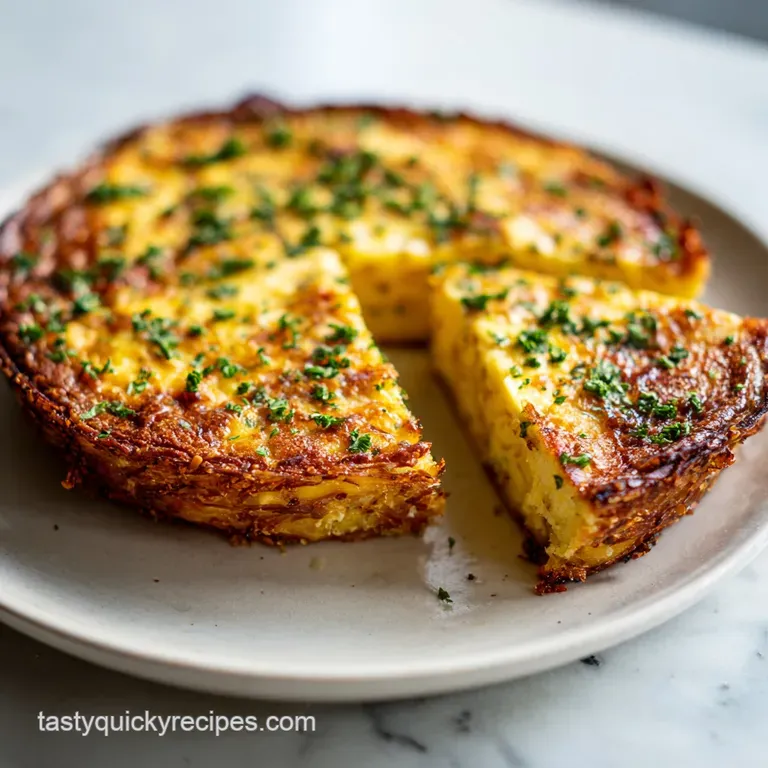
- Time: Active 20 minutes, Passive 50 minutes, Total 70 minutes
- Flavor/Texture Hook: Shatter crisp edges meets velvety, cheese rich custard
- Perfect for: Weekend brunch, gluten-free hosting, or an energizing morning meal
- Why Your Potato Crusted Quiche Stays Truly Crispy
- Comparing Oven Baking with Stovetop Frying
- Essential Components for Your Flavorful Brunch
- Tools for a Shatteringly Crisp Crust
- Step-by-Step Perfect Morning Quiche Guide
- Solutions for Common Potato Crust Issues
- Creative Flavors for Your Brunch Quiche
- Store and Reheat Your Leftover Quiche
- Pairing Ideas for Your Wholesome Meal
- Recipe FAQs
- 📝 Recipe Card
Why Your Potato Crusted Quiche Stays Truly Crispy
There is nothing quite like the sound of a fork cracking through a perfectly browned potato edge on a bright Sunday morning. I remember the first time I tried making this for a neighborhood brunch. I wanted something that felt more wholesome than a traditional flour crust but still had that satisfying, salty crunch.
The kitchen smelled like melting butter and toasted starch, and when I finally pulled it out of the oven, the contrast between the vibrant green spinach and the golden brown ridges was stunning. It is the kind of dish that makes everyone at the table wake up and pay attention.
The magic of this recipe lies in how we treat the potatoes before they ever touch the pie plate. We are looking for a specific kind of energy in our food, something that feels light but still sustains us through a busy morning.
By swapping the heavy pastry for Russets, we get a gluten-free base that feels earthy and rustic. The Gruyère adds a nutty richness that balances the bright, fresh pop of the baby spinach. It is a savory potato crust that feels like a celebration of simple, real ingredients.
But let's be honest, we've all had that version where the bottom is a weeping, pale mess of undercooked spuds. That usually happens because the potatoes weren't dry enough or the egg custard soaked right through. We are going to avoid all of that today.
I have spent a lot of time testing the exact timing for the par bake to ensure that the crust is fully set before the eggs are even whisked. This is how we get that "shatter" factor that makes this Potato Crusted Quiche stand out from the rest.
- Starch Concentration: Russet potatoes have high starch and low moisture, which allows them to crisp up into a solid structure rather than turning into a mash.
- Thermal Shielding: Par baking the potatoes at 400°F (200°C) initiates the browning process and sets the shape before the liquid custard is added.
- Protein Barrier: Brushing the hot crust with a thin layer of egg white creates a waterproof seal that prevents the egg mixture from making the potatoes soggy.
- Evaporative Cooling: Squeezing the potatoes until they are "bone dry" removes the water that would otherwise turn into steam and prevent browning.
| Servings | Potato Quantity | Pan Size | Total Bake Time |
|---|---|---|---|
| 4 People | 0.75 lbs Russet | 6 inch Deep Dish | 45 minutes |
| 8 People | 1.5 lbs Russet | 9 inch Deep Dish | 50 minutes |
| 12 People | 2.25 lbs Russet | 11 inch Deep Dish | 60 minutes |
Whether you are hosting a small family gathering or a larger brunch, adjusting the quantities is simple as long as you maintain the thickness of the crust. For a 9 inch plate, you want about a half inch of shredded potatoes pressed firmly into the bottom and sides.
This ensures every bite has the right ratio of crispy starch to creamy filling.
Comparing Oven Baking with Stovetop Frying
When we talk about a Potato Crusted Quiche, the oven is our best friend for getting an even, consistent cook. While you can technically make a "crust" in a skillet on the stove, it rarely gives you that deep dish experience where the sides are as crispy as the bottom.
The circulating heat of a 400°F (200°C) oven reaches every nook and cranny of the shredded potatoes, creating a structural shell that can actually hold the weight of the heavy cream and eggs.
| Method | Texture Result | Heat Control | Best For |
|---|---|---|---|
| Oven Baking | Uniformly crisp sides and bottom | Consistent 400°F (200°C) | Deep dish quiche and large crowds |
| Stovetop Pan | Very crispy bottom, soft top | High direct heat | Individual "frittata" style portions |
If you were to try this on the stovetop, you would likely end up with a burnt bottom before the custard even begins to set. The oven allows the potatoes to undergo a slow dehydration and browning process during the 20 minutes of par baking.
This is crucial for developing that savory potato crust flavor. Using the oven also means you can walk away and enjoy your coffee while the kitchen transforms into a fragrant, warm space.
Essential Components for Your Flavorful Brunch
Choosing the right ingredients is the difference between a mediocre breakfast and an energizing masterpiece. I always reach for pasture raised eggs because the yolks are a deep, vibrant orange that makes the custard look almost like liquid gold.
When paired with the earthy green of chopped spinach and the sharpness of freshly grated Gruyère, the flavor profile becomes complex and deeply satisfying.
| Ingredient | Science Role | Pro Secret |
|---|---|---|
| Russet Potatoes | Provides structural starch | Shred them coarsely to create more surface area for crisping. |
| Heavy Cream | Softens the egg proteins | Use full fat for a velvety mouthfeel that contrasts the crunchy crust. |
| Egg White | Forms a moisture seal | Apply it while the crust is piping hot to "cook" it onto the surface instantly. |
- 1.5 lbs Russet potatoes: Peeled and coarsely shredded. Why this? High starch content ensures the crust sticks together without needing flour.
- 3 tbsp unsalted butter: Melted. Why this? Facilitates browning and adds a nutty, rich flavor to the potatoes.
- 1/2 tsp kosher salt: For the crust and filling.
- 1/4 tsp cracked black pepper: Essential for seasoning the potatoes.
- 1 large egg white: Reserved for sealing.
- 6 large pasture raised eggs: The heart of the velvety custard.
- 1 cup heavy cream: Provides the classic quiche silkiness.
- 2 cups fresh baby spinach: Roughly chopped for a bright, energizing punch.
- 1 cup Gruyère cheese: Freshly grated for the best melt.
- 2 green onions: Thinly sliced for a mild, sharp bite.
- 1/4 tsp ground nutmeg: A classic addition that highlights the creaminess of the eggs.
For those looking for a different texture in their morning routine, you might consider using these ingredients for a creamy mashed potatoes side dish if you happen to shred too many spuds.
Tools for a Shatteringly Crisp Crust
You do not need a lot of fancy gadgets, but a few specific items will make your life much easier. The most important tool is actually a clean kitchen towel. You will use this to squeeze the shredded potatoes.
I have tried using paper towels, but they just tear and leave bits of paper in your crust, which is definitely not the energizing start we want. A sturdy box grater is also vital for getting those coarse, long shreds that interlock to form a strong potato pie recipe base.
A 9 inch deep dish pie plate is the standard for this recipe. If you use a shallow plate, you will likely have leftover egg mixture, and nobody likes wasting good pasture raised eggs. I prefer glass or ceramic because they hold heat well, helping the crust stay warm after it comes out of the oven.
A small pastry brush is also helpful for applying that egg white seal, but in a pinch, you can use the back of a spoon to spread it around.
Chef Tip: If you have a food processor with a grating attachment, use it! It saves your knuckles and ensures every shred of potato is exactly the same size, which leads to a more even bake.
step-by-step Perfect Morning Quiche Guide
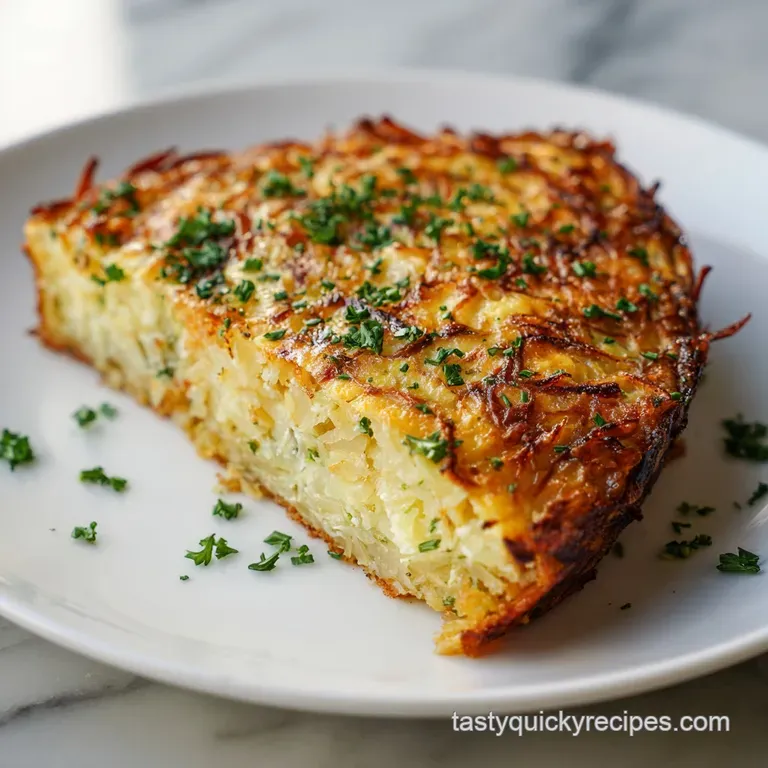
1. Prepping the Potato Base
Preheat your oven to 400°F (200°C). Peel and coarsely shred the 1.5 lbs of Russet potatoes. Place the shreds in a clean kitchen towel and squeeze firmly over the sink. Note: Keep squeezing until no more liquid drops out; the potatoes must be bone dry.
2. Forming the Crust
In a large bowl, toss the dried potato shreds with the 3 tbsp of melted butter, salt, and pepper. Press the mixture firmly into the bottom and up the sides of a greased 9 inch deep dish pie plate. Note: Pack them tightly so they don't shift during the bake.
3. Blind Baking for Structural Integrity
Bake the potato crust for 20 minutes until the edges begin to brown. Remove from the oven and immediately brush the bottom and sides with the reserved egg white. Note: This creates the essential moisture barrier.
4. Setting the Seal
Return the crust to the oven for 3 minutes to set the egg white. After this, lower the oven temperature to 375°F (190°C). Note: The lower temp ensures the custard cooks gently without curdling.
5. Whisking the Custard
While the crust is par baking, whisk together the 6 eggs, 1 cup heavy cream, nutmeg, and a pinch of salt. Ensure the mixture is completely homogeneous for a velvety texture.
6. Folding in the Flavors
Gently fold in the 2 cups of chopped spinach, 1 cup of grated Gruyère, and the sliced green onions. Note: Chopping the spinach small ensures it distributes evenly through every slice.
7. The Final Fill
Pour the egg mixture into the par baked crust. Be careful not to overflow the edges of your potato shell.
8. Achieving the Perfect Set
Bake for an additional 25-27 minutes until the custard is just set in the center and the top is golden brown. The center should have a slight jiggle when you gently shake the pan.
9. The Crucial Rest
Let the quiche sit for at least 10 minutes before slicing. Note: This allows the proteins to fully set, giving you clean, beautiful slices.
Solutions for Common Potato Crust Issues
The most common hurdle with any homemade quiche with potato crust is managing the moisture. If you notice your crust isn't crisping up, it is almost always due to the potatoes holding onto water. Think of it like a sponge; if it is full of water, it cannot absorb the butter or brown effectively.
Why Your Crust Is Sogginess
If the bottom of your quiche feels soft or wet, the moisture from the spinach or the eggs has likely seeped through. This happens if the egg white seal wasn't applied thoroughly or if the spinach wasn't dried after washing. Always make sure your greens are dry before they go into the custard.
| Problem | Root Cause | Solution |
|---|---|---|
| Burnt Edges | Oven rack is too high | Move the quiche to the center or lower third of the oven. |
| Rubbery Custard | Overbaking or too many eggs | Remove from oven while the center still has a slight jiggle. |
| Crust Falling Apart | Potatoes not squeezed enough | Use a kitchen towel to remove every drop of liquid before baking. |
A quick tip for another time: if you find yourself with extra potatoes and want a different style of breakfast, this potato soup recipe is a fantastic way to use up Russets in a more liquid form.
Common Mistakes Checklist:
- ✓ Squeeze the potatoes in a towel until your hands ache it is the only way to get them dry enough.
- ✓ Don't skip the egg white seal; it is the "raincoat" for your potato crust.
- ✓ Use freshly grated cheese; pre shredded cheese is coated in starch that can mess with the custard texture.
- ✓ Let the quiche rest after baking, or the first slice will just fall apart into a mess.
- ✓ Keep the spinach pieces small so they don't clump together and create watery pockets.
Creative Flavors for Your Brunch Quiche
One of the best things about this gluten-free quiche recipe is how adaptable it is. While the spinach potato crust quiche is a classic for a reason, you can easily swap the greens for roasted red peppers or sautéed mushrooms.
If you want something even more energizing, try adding a pinch of cayenne pepper to the custard to wake up your taste buds.
- dairy-free Adaptation: Use a high-quality cashew cream and a vegan cheese alternative. The potato crust is naturally dairy-free if you use olive oil instead of butter.
- Protein Boost: Add cooked, crumbled turkey sausage or smoked salmon for an extra hit of morning energy.
- Herb Variations: Swap the green onions for fresh chives or dill to change the aromatic profile.
| Variation | Ingredient Change | Flavor Impact |
|---|---|---|
| Mediterranean | Feta and Sundried Tomatoes | Tangy and bright, less creamy than Gruyère. |
| Garden Style | Sautéed Asparagus and Leeks | Very fresh and seasonal, perfect for spring. |
| Spicy Morning | Pepper Jack and Jalapeños | Adds a significant kick that pair well with the potatoes. |
If you want to try a different base altogether, some people love a smashed potato base. This involves boiling small potatoes first, then smashing them into the tin. It creates a thicker, heartier crust that feels more like a meal and less like a delicate quiche.
Store and Reheat Your Leftover Quiche
Leftover Potato Crusted Quiche is a gift for a busy Monday morning. It keeps remarkably well in the fridge for up to 3 days. To store it, let it cool completely to room temperature, then wrap it tightly in foil or place it in an airtight container.
Avoid plastic wrap while it is still warm, as this will trap steam and make that beautiful crust go limp.
For reheating, I strongly recommend avoiding the microwave if you want to keep the crunch. A microwave will turn your crispy potato crust recipe into a soft, chewy one. Instead, pop a slice into a 350°F (180°C) oven or toaster oven for about 10 minutes.
This will re crisp the edges and warm the custard through gently without making the eggs rubbery. You can also freeze individual slices for up to 2 months; just wrap them in parchment paper and then foil.
Zero waste tip: Don't toss those potato peels! Toss them with a little oil and salt and bake them right alongside your quiche for a crispy "chef's snack" while you wait for the main event.
Pairing Ideas for Your Wholesome Meal
To keep the morning energizing and bright, I love serving this quiche with a simple arugula salad dressed in lemon vinaigrette. The peppery bite of the greens cuts through the richness of the Gruyère and heavy cream perfectly.
If you are going for a full breakfast brunch recipes spread, a side of fresh seasonal fruit like sliced melon or berries adds a sweet contrast to the savory potato crust.
A cold brew coffee or a light herbal tea is the perfect beverage to wake up your palate alongside this dish. Because the quiche is so rich and satisfying, you don't need much else to feel full and ready for the day. If you are feeding a crowd that needs a bit more starch, these buttery boiled potatoes make a lovely, soft side dish that complements the crunch of the quiche crust without competing for attention.
Searing meat does not "seal in juices" in the way people think, and the same goes for potato crusts. The par baking isn't about sealing; it is about starch gelatinization and dehydration.
Without that initial 20 minutes of high heat, the potatoes simply won't have the structural integrity to hold the custard. Another myth is that you need a lot of flour to bind a potato crust actually, the natural starches in a Russet are more than enough to keep everything together once the moisture is gone.
Finally,, don't worry about the nutmeg making it taste like dessert; in small amounts, it functions more as a seasoning that makes the eggs taste "eggier" and the cream taste richer.

Recipe FAQs
Is it true I need to par-bake the potato crust before adding the filling?
Yes, this is essential for texture. Par-baking the shredded potato crust for 20 minutes ensures it becomes golden and crispy rather than soggy once you add the egg mixture.
How to ensure the potato crust doesn't become soggy?
Squeeze the shredded potatoes in a clean kitchen towel until bone dry before mixing with butter. Removing all excess moisture is the secret to a structural crust, a principle of moisture control you can also apply to our classic pot roast recipe when searing meat for a perfect crust.
Why is there an egg white brush-on step?
It acts as a moisture barrier to keep the crust crisp. Brushing the par-baked crust with the reserved egg white seals the surface so the custard doesn't soak into the potatoes during the final bake.
How to know when the quiche is perfectly cooked?
Look for a custard that is just set in the center. The top should be golden brown, and the center should have a slight jiggle but no longer appear liquid after the 25-27 minute baking period at 375°F.
Can I prepare the potato crust in advance?
Yes, you can prep the crust and keep it in the refrigerator. For the best results, assemble and bake fresh to maintain the integrity of the potato texture and the freshness of the green onions.
Is it necessary to use heavy cream in this recipe?
Yes, heavy cream is necessary for the proper custard consistency. It provides the fat content required to set the 6 large eggs into a rich, stable structure.
How to keep the spinach from releasing water into the quiche?
Chop the fresh baby spinach and fold it directly into the egg and cream mixture. Because the spinach is raw when added, it cooks perfectly within the custard without turning mushy or releasing excess liquid.
Potato Crusted Quiche
Ingredients:
Instructions:
Nutrition Facts:
| Calories | 320 kcal |
|---|---|
| Protein | 11.6 g |
| Fat | 22.6 g |
| Carbs | 11.5 g |
| Fiber | 1.1 g |
| Sugar | 1.2 g |
| Sodium | 278 mg |
