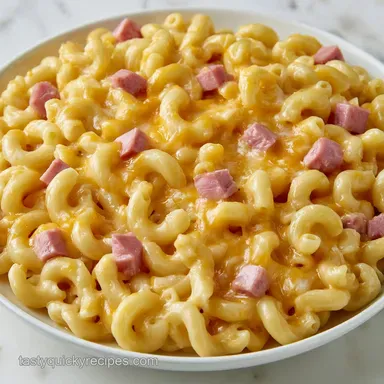
Mortadella Mac and Cheese Pasta Queen: Hearty and Creamy
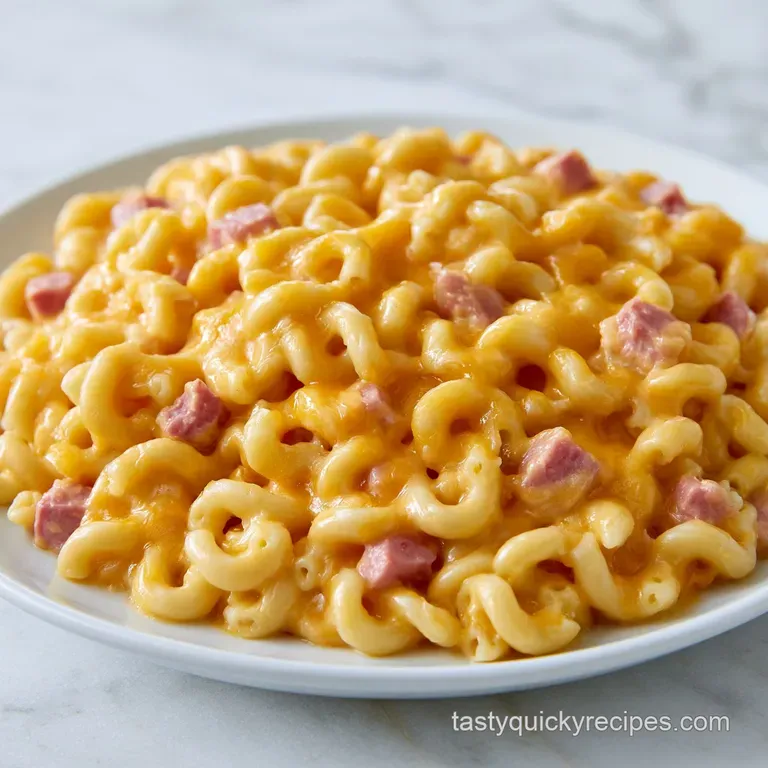
- Time: 10 min active + 20 min cook = 30 mins total
- Flavor/Texture Hook: Velvety four cheese emulsion with salty, seared mortadella bits
- Perfect for: A satisfying weekend dinner or fueling up for a long week
- The Best Mac and Cheese Pasta Queen
- Key Ingredient Analysis
- Essential Building Blocks
- Necessary Kitchen Gear
- Step by Step Guide
- Troubleshooting Sauce Mistakes
- Creative Flavor Variations
- Fact Checking Pasta Myths
- Storage and Freshness Tips
- Final Presentation Ideas
- High in Sodium
- Recipe FAQs
- 📝 Recipe Card
That aggressive sizzle of diced mortadella hitting hot olive oil is where the magic starts. I remember the first time I tried adding a cured meat base to a cheese sauce, and honestly, it changed my entire perspective on comfort food.
Most people just boil pasta and dump in some cheese, but this is about building a foundation of flavor that actually fills you up and keeps you satisfied for hours.
The goal here is to create something that feels like a hug in a bowl. We're not doing "light" or "minimal" here. This is about a rich, velvety sauce that clings to every curve of the pasta.
When you make this mac and cheese pasta queen version, you're not just making a side dish, you're making a meal that fuels your day and satisfies every craving.
Right then, let's get into the details. We're going to use four different cheeses to hit every note, from the sharp bite of cheddar to the nutty depth of Gruyère. Trust me on this, don't even bother with the pre shredded bags if you can avoid it.
The starch they add to keep the cheese from clumping is the enemy of a silky sauce.
The Best Mac and Cheese Pasta Queen
The real secret here is the mortadella. While most recipes rely solely on butter, rendering the fat from the mortadella first adds a layer of salty, porky richness that anchors the cheese. It's the difference between a sauce that tastes like melted cheese and a sauce that tastes like a professional Italian kitchen.
When the meat hits the pan, you'll see those tiny fat droplets release. That fat becomes part of your roux, which is the flour and butter mixture that thickens the milk. By incorporating the rendered meat oil, we're layering the flavors from the very first step.
It's a hearty approach that ensures the dish doesn't feel one dimensional.
If you're looking for other ways to bring a similar level of richness to your pasta nights, you might love my Cajun Chicken Pasta recipe, which also uses a velvety sauce base to keep things satisfying. But for pure, unadulterated comfort, this specific cheese blend is unbeatable.
Secret to Hearty Flavor
Fat Rendering: Sautéing mortadella first releases lipids that infuse the roux with a savory, cured meat base.
Starch Retention: Undercooking the pasta by 2 minutes allows it to finish cooking in the cheese sauce, absorbing the flavors directly into the noodle.
Cheese Layering: Combining four different melting points and flavor profiles creates a complex, velvety texture rather than a single note of salt.
Aromatic Balance: A pinch of nutmeg cuts through the heavy fats of the cream and cheese, brightening the overall profile.
| Method | Time | Texture | Best For |
|---|---|---|---|
| Stovetop | 30 mins | Velvety & Glossy | Weeknight fuel / Fast dinner |
| Baked | 50 mins | Crispy Top / Gooey | Sunday feast / Crowd pleasing |
Key Ingredient Analysis
Before we crack on with the cooking, let's look at what's actually happening in the pot. This isn't just a list of food, it's a system of components working together to ensure the sauce doesn't break or turn grainy.
| Ingredient | Science Role | Pro Secret |
|---|---|---|
| Unsalted Butter | Fat Base | Use European style butter for higher fat content and silkier mouthfeel |
| All Purpose Flour | Thickening Agent | Cook the roux until it smells like toasted nuts to remove the "raw" flour taste |
| Whole Milk | Liquid Medium | Room temperature milk prevents the butter from seizing and clumping |
| Gruyère Cheese | Flavor Depth | This is the "secret" to that authentic nutty, salty European profile |
Essential Building Blocks
For this recipe, precision matters. You want ingredients that can stand up to the heat without separating. I've found that using a mix of hard and soft cheeses provides the best "cling" factor, meaning the sauce stays on the pasta instead of pooling at the bottom of the bowl.
The Shopping List:
- 450g (1 lb) elbow macaroni or cavatappiWhy this? Ridges and tubes hold more sauce
- 1 tbsp saltWhy this? Essential for seasoning the pasta core
- 4 tbsp unsalted butterWhy this? Creates the creamy base
- 1/4 cup all purpose flourWhy this? Stabilizes the sauce
- 710ml (3 cups) whole milkWhy this? Higher fat equals more velvet
- 1 cup sharp cheddar, freshly gratedWhy this? Provides the classic punch
- 1 cup Gruyère, freshly gratedWhy this? Adds nutty sophistication
- 1/2 cup Parmesan Reggiano, finely gratedWhy this? Salty, umami finish
- 1/2 cup Mozzarella, shreddedWhy this? Creates the stretchy pull
- 1/2 tsp garlic powderWhy this? Subtle savory undertone
- 1/4 tsp ground nutmegWhy this? The secret "brightener"
- 170g (6 oz) Mortadella, finely dicedWhy this? The Italian flavor hero
- 1 tbsp olive oilWhy this? High smoke point for searing
- Fresh parsley, choppedWhy this? Freshness to cut the richness
| Original Ingredient | Substitute | Why It Works |
|---|---|---|
| Gruyère (1 cup) | Emmental (1 cup) | Similar melting properties. Note: Slightly milder, less "nutty" than Gruyère |
| Mortadella (6 oz) | Pancetta (6 oz) | Both are cured pork. Note: Pancetta is saltier and more aggressive |
| Whole Milk (3 cups) | Heavy Cream (2 cups) | More fat. Note: Makes the sauce much heavier; reduce butter by 1 tbsp |
| Elbow Macaroni | Shells or Rigatoni | Similar shapes. Note: Shells are even better for scooping sauce |
Necessary Kitchen Gear
You don't need a professional kitchen for this, but a few specific tools make it way easier. I always use a heavy bottomed saucepan for the sauce. If you use a thin pan, the milk can scorch at the bottom, and there's nothing worse than burnt milk bits in your mac and cheese pasta queen creation.
A whisk is non negotiable. You can't just stir a roux with a spoon if you want it silky. You need to break up those flour clumps quickly. Also, get a box grater. I've mentioned this before, but pre shredded cheese is coated in cellulose to stop it from sticking in the bag.
That same cellulose stops it from melting smoothly into your sauce, which is how you end up with a grainy texture.
Step by step Guide
Let's get to the actual cooking. Follow these steps closely, and pay attention to the sensory cues. If it smells nutty or looks glossy, you're on the right track.
Phase 1: Prepping the Pasta
- Bring a large pot of salted water to a rolling boil.
- Add the macaroni and cook for 2 minutes less than the package directions. Note: This ensures the pasta doesn't get mushy when it simmers in the sauce.
- Drain the pasta and set it aside. Checkpoint: The pasta should still have a slight "bite" (al dente) in the center.
Phase 2: Searing the Mortadella
- Heat olive oil in a large saucepan over medium heat.
- Add diced mortadella and sauté until the edges are golden and sizzling.
- Remove the meat with a slotted spoon, but leave all that liquid gold (the fat) in the pan.
Phase 3: Building the Gold Sauce
- Melt butter into the remaining mortadella oil.
- Whisk in flour and cook for 1-2 minutes until the mixture smells nutty and looks slightly golden.
- Slowly pour in milk, whisking constantly.
- Simmer until the sauce thickens enough to coat the back of a spoon. This is the crucial part don't rush it. According to the King Arthur Baking guide on roux, the cooking time of your flour determines the flavor and thickness.
Phase 4: The Final Fold
- Turn the heat to low.
- Fold in cheddar, Gruyère, Parmesan, and Mozzarella one by one. Stir until the sauce is velvety and completely smooth.
- Stir in garlic powder and nutmeg.
- Add the undercooked pasta and seared mortadella back into the sauce.
- Simmer on low for 2-3 minutes until the pasta is perfectly tender and coated.
- Garnish with chopped fresh parsley and serve immediately.
Chef's Note: If the sauce seems too thick after adding the pasta, splash in a tablespoon of warm milk or pasta water. It brings that glossy sheen back instantly.
Troubleshooting Sauce Mistakes
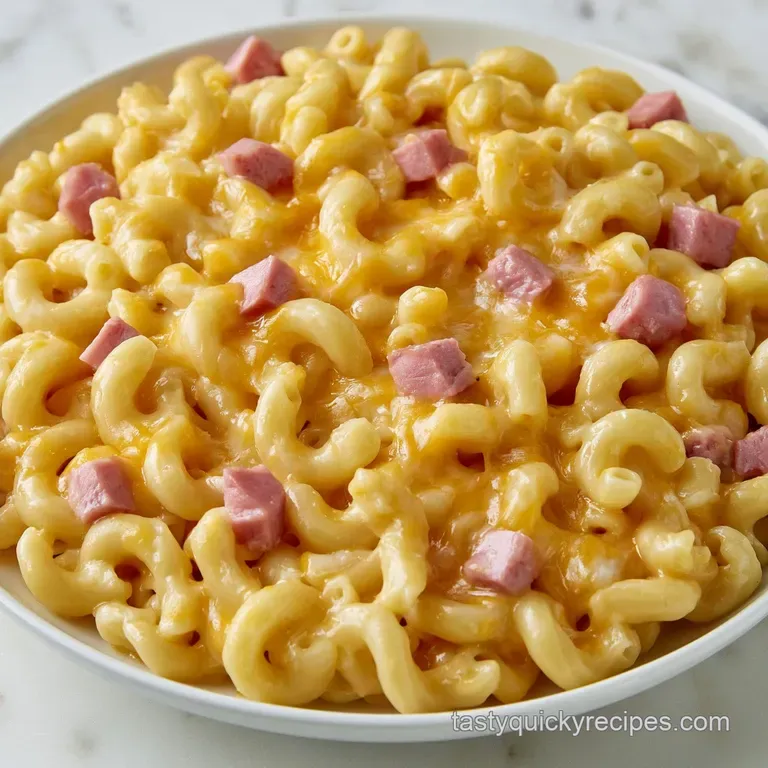
Even for the most obsessed cooks, cheese sauces can be temperamental. The main enemy is heat. If the pan gets too hot, the proteins in the cheese will tighten up and push the fat out, leaving you with a greasy mess and a grainy texture.
| Issue | Solution |
|---|---|
| Why Your Sauce Is Grainy | This usually happens because the cheese was added to a boiling sauce. The high heat causes the cheese to "break." To fix this, always drop your heat to the lowest setting before adding the cheese. If |
| Why Your Pasta Is Too Dry | If the sauce disappears into the pasta, you likely overcooked the noodles in the first step. The pasta absorbed all the moisture from the sauce. Next time, be strict about that 2 minute undercook rule |
| Why Your Sauce Separated | Separation happens when the fat and water based liquids stop bonding. This is often due to using low-fat cheeses or overheating. Keep the heat low and keep stirring. |
Common Mistakes Checklist:
- ✓ Did you grate your own cheese? (Pre shredded = Grainy)
- ✓ Did you undercook the pasta by 2 mins? (Overcooked = Mushy)
- ✓ Is the heat on LOW when adding cheese? (High heat = Separated)
- ✓ Did you cook the roux until it smelled nutty? (Under cooked = Flour taste)
- ✓ Did you stir constantly during the milk phase? (No stirring = Lumps)
Creative Flavor Variations
Once you've nailed the base mac and cheese pasta queen method, you can start playing with the profile. This recipe is designed to be a hearty foundation, meaning it can handle a lot of extra personality.
For a Baked Italian Mac and Cheese
If you want that crispy, shattered top, transfer the finished stovetop mac to a baking dish. Top it with an extra handful of Parmesan and a few breadcrumbs. Pop it under the broiler for 3-5 minutes until the top is bubbling and brown. This changes the texture from velvety to gooey.
For a Spicy Kick
I love adding a teaspoon of Calabrian chili paste or a pinch of cayenne pepper into the roux. The heat cuts through the richness of the four cheeses and complements the saltiness of the mortadella. It turns this from a comfort dish into something with a bit of an edge.
For a Truffled Vegetarian Twist
If you're skipping the mortadella, sauté some finely diced mushrooms in the olive oil first. Once the sauce is finished, stir in a teaspoon of white truffle oil. It keeps that hearty, earthy feel without the meat. For another rich pasta idea, you might check out my Classic Lasagna recipe which uses a similar layering technique for flavor.
Adjusting for Different Sizes
When you're cooking for a crowd or just yourself, you can't always just double the ingredients. Here is how I handle it:
Scaling Down (½ batch): Use a smaller saucepan so the milk doesn't evaporate too quickly. Reduce the simmering time by about 20%. If the recipe calls for an egg (in other variations), beat one egg and use half.
Scaling Up (2x-4x): Don't quadruple the salt or spices start at 1.5x and taste as you go. You can actually reduce the total liquid by about 10% because larger batches retain more steam and moisture.
Work in batches when searing the mortadella so you don't crowd the pan, which would cause the meat to steam instead of brown.
| Scaling Factor | Liquid Adjustment | Seasoning Adjustment | Pan Change |
|---|---|---|---|
| ½ Batch | Exact | Exact | Smaller saucepan |
| 2x Batch | Reduce 5% | 1.5x Spices | Large stockpot |
| 4x Batch | Reduce 10% | 2x Spices | Work in batches |
Fact Checking Pasta Myths
There are a lot of "rules" in the pasta world that are actually just myths. Let's clear a few up so you can cook with confidence.
The "Oil in Water" Myth: Many people add olive oil to the boiling pasta water to stop the noodles from sticking. This is useless. The oil just floats on top and then coats the pasta, which actually prevents the cheese sauce from sticking to the noodles. Just use a big pot and stir occasionally.
The "Cold Milk" Myth: You'll hear that you must use boiling milk for a roux. While it can speed things up, room temperature milk is actually safer for home cooks because it reduces the risk of the butter seizing into clumps.
As long as you whisk constantly, the temperature difference isn't a deal breaker.
Storage and Freshness Tips
This is a hearty meal, so it's inevitable that you'll have leftovers. The problem is that cheese sauces tend to "tighten up" in the fridge, turning into a solid block.
Fridge Storage: Store in an airtight container for up to 3 days. To reheat, don't just microwave it on high. Add a splash of milk and heat it in a pan over medium low, stirring constantly. This re emulsifies the fats and brings back that velvety texture.
Freezing: I don't typically recommend freezing mac and cheese because the emulsion can break, leaving you with a grainy sauce. However, if you must, freeze it in individual portions for up to 2 months. Thaw in the fridge overnight before reheating on the stovetop.
Zero Waste Tips: Don't throw away the Parmesan rinds! If you have a leftover rind from the Reggiano, toss it into the milk while it's simmering. It adds a massive amount of umami flavor. Also, any leftover mortadella bits can be tossed into an omelet the next morning for a quick, fueling breakfast.
Final Presentation Ideas
The way you serve this dish is the final touch. Because it's so rich, you need contrast. I always serve this in shallow bowls rather than deep ones it keeps the pasta from compressing and preserves the airiness of the sauce.
The fresh parsley isn't just for looks; the slight bitterness of the greens cuts through the heavy fats of the four cheese blend. If you want to go all out, serve it with a side of charred broccolini or a crisp arugula salad with a lemon vinaigrette.
The acidity of the lemon balances the creamy weight of the mac and cheese pasta queen style perfectly.
Right then, you're all set. This dish is about more than just ingredients it's about taking the time to build those layers of flavor. Whether you're fueling up for a big day or just banishing a bad mood with some comfort food, this hearty, velvety feast is the way to do it. Let's crack on and get cooking!
High in Sodium
840 mg 840 mg of sodium per serving (37% 37% of daily value)
The American Heart Association recommends a daily sodium limit of 2,300mg for most adults to reduce the risk of cardiovascular disease.
Tips to Reduce Sodium
-
Replace Mortadella-25%
Substitute the Mortadella with grilled chicken breast or diced lean turkey to avoid the high sodium content of processed cured meats.
-
Limit Pasta Water Salt-25%
Reduce or eliminate the 1 tbsp of salt used for boiling the pasta; much of this sodium is wasted or adds unnecessary salt to the dish.
-
Adjust Cheese Selection-15%
Swap the Parmesan or Gruyère for a low-sodium Swiss or increase the amount of Mozzarella to lower the overall salinity of the sauce.
-
Enhance with Spices
Add freshly cracked black pepper or a pinch of smoked paprika to create depth of flavor without relying on salt.
Recipe FAQs
Who is Pasta Queen in real life?
She is Nadia Caterina Muchnik. She is a food creator and social media personality known for her passion for authentic Italian culinary traditions.
Is the Pasta Queen sauce good?
Yes, it is highly regarded. Her recipes prioritize high-quality ingredients and traditional techniques to achieve professional, restaurant quality flavor profiles.
What is the world's best mac & cheese?
This version combining Mortadella with four premium cheeses. The blend of sharp cheddar, Gruyère, Parmesan, and Mozzarella creates unmatched depth. If you love these bold flavors, try our Roasted Beet Sauce for another vibrant, creamy meal.
Does the Pasta Queen have children?
No, she does not. Her public content focuses primarily on her culinary journey and her dedication to Italian heritage.
Why is my cheese sauce grainy?
The sauce was likely too hot when the cheese was added. High heat causes cheese proteins to tighten and separate from the fat. Always drop the heat to the lowest setting before folding in your cheeses.
How to cook the pasta for this recipe?
Boil in salted water for 2 minutes less than package directions. This allows the macaroni to finish cooking inside the cheese sauce for a perfect, velvety texture.
Is it true that you can freeze this mac and cheese for long term storage?
No, this is a common misconception. Freezing often breaks the emulsion, which results in a grainy sauce after thawing.
Mortadella Mac And Cheese Pasta Queen