Loaded Mashed Potatoes: Creamy & Hearty
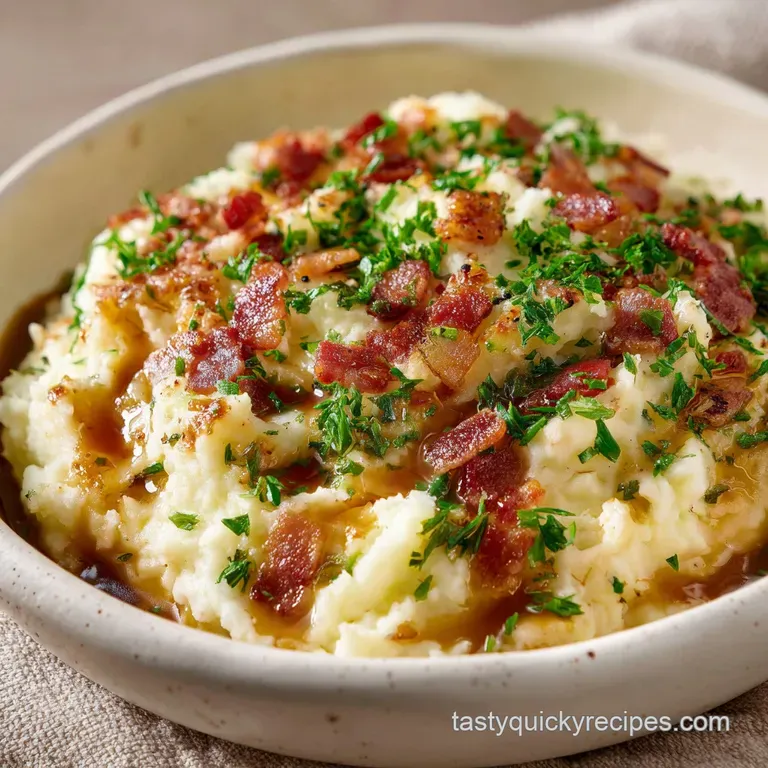
- Time: Active 10 minutes, Passive 20 minutes, Total 30 minutes
- Flavor/Texture Hook: Velvety, buttery base with a salty bacon shatter
- Perfect for: High energy lunches or a crowd-pleasing weekend brunch side
- Hearty Loaded Mashed Potatoes for Fueling Lunches
- Science Behind the Fluffiest Texture
- Component Analysis and Starch Breakdown
- Choosing Ingredients and Smart Substitutes
- Tools Needed for Velvety Potatoes
- Mastering the Step-by-Step Cooking Process
- Troubleshooting Texture and Flavor Issues
- Scaling Portions and Dietary Changes
- Storage Tips and Leftover Ideas
- Hearty Main Dishes for Pairing
- Recipe FAQs
- 📝 Recipe Card
Hearty Loaded Mashed Potatoes for Fueling Lunches
I still remember the first time I tried to make a "loaded" version of spuds for a big family lunch. I was so excited that I just threw everything into a blender, thinking it would be faster. Big mistake. I ended up with a literal bowl of potato glue that was so gummy we could have used it to wallpaper the dining room.
Since then, I've learned that the secret isn't just about what you add it's about how you treat the potato itself before the cheese and bacon even touch the bowl.
When you get that first whiff of thick cut bacon sizzling in the pan, you know you're in for something better than a standard side dish. This isn't just a snack; it's a fueling meal component designed to keep you energized without that heavy afternoon slump.
We’re going for a texture that is silky enough to melt but structured enough to hold up under a mountain of sharp cheddar and fresh green onions.
The aroma of the warm milk hitting the garlic powder and cracked black pepper is what always gets me. It smells like a professional steakhouse kitchen right in your own home. Trust me, once you see that butter melting into the golden Yukon Golds, you'll never go back to the boxed stuff.
We’re making something real here, something that actually sticks to your ribs and tastes like home.
Science Behind the Fluffiest Texture
Starch Retrogradation: Cooling potatoes slightly after boiling allows starches to stabilize, preventing that gluey texture when you start mixing.
Fat Coating: Adding butter before the milk coats the starch molecules, which creates a velvety mouthfeel and stops the liquid from making the mash gummy.
Emulsification Stability: Using room temperature cream cheese ensures it blends into the warm potatoes without breaking or leaving grainy white lumps.
| Thickness | Internal Temp | Rest Time | Visual Cue |
|---|---|---|---|
| 1 inch cubes | 210°F | 2 minutes | Fork slides through with zero resistance |
| 0.5 inch cubes | 210°F | 1 minute | Potato edges look slightly frayed and soft |
| Whole Spuds | 210°F | 5 minutes | Skin wrinkles and pulls away easily |
This timing ensures that the starch granules have fully hydrated and burst just enough to become soft without absorbing too much excess water. If you over boil, you end up with a watery mess that no amount of cheese can save.
Component Analysis and Starch Breakdown
| Ingredient | Science Role | Pro Secret |
|---|---|---|
| Yukon Gold Potatoes | Medium starch content | Don't peel after boiling; peel before to let excess steam escape during cooking. |
| Full fat Cream Cheese | Acidic stabilizer | It provides a tang that cuts through the heavy fat, keeping the dish from feeling too oily. |
| Whole Milk | Liquid hydration | Always warm it; cold milk shocks the potato starch and creates a grainy texture. |
| Sharp Cheddar | Protein structure | Hand shred your cheese so it melts smoothly without the gritty cellulose found in pre bagged packs. |
Choosing Ingredients and Smart Substitutes
To keep this recipe budget friendly, I always look at what's on sale in the produce aisle first. Yukon Golds are the gold standard because they’re naturally buttery, but you can definitely pivot if your local store has a deal on other varieties.
- 3 lbs Yukon Gold potatoes: These have a naturally creamy texture. Why this? They have the perfect balance of starch and moisture for a smooth mash.
- Substitute: Russet potatoes. Note: These will be fluffier but slightly drier, so you might need an extra splash of milk.
- 4 oz full fat cream cheese: Adds that signature rich tang. Why this? It acts as a thickener and flavor enhancer simultaneously.
- Substitute: Plain Greek yogurt. Note: Adds more protein but a much sharper tang.
- 6 slices thick cut bacon: For that essential salty crunch. Why this? Thicker slices hold their texture better when folded into the warm mash.
- Substitute: Turkey bacon or smoked tempeh bits. Note: Use a drop of liquid smoke if using turkey bacon to mimic the depth.
- 1.5 cups sharp cheddar cheese: The flavor backbone. Why this? Sharp cheddar has a lower moisture content, which prevents the potatoes from becoming runny.
- Substitute: Colby Jack or Monterey Jack. Note: These melt better but have a milder flavor profile.
- 0.5 cup sour cream: For a velvety finish. Why this? The fat content helps emulsify the butter and milk into the potatoes.
- Substitute: Crème fraîche. Note: Much richer and less tangy, which makes the dish feel more premium.
Tools Needed for Velvety Potatoes
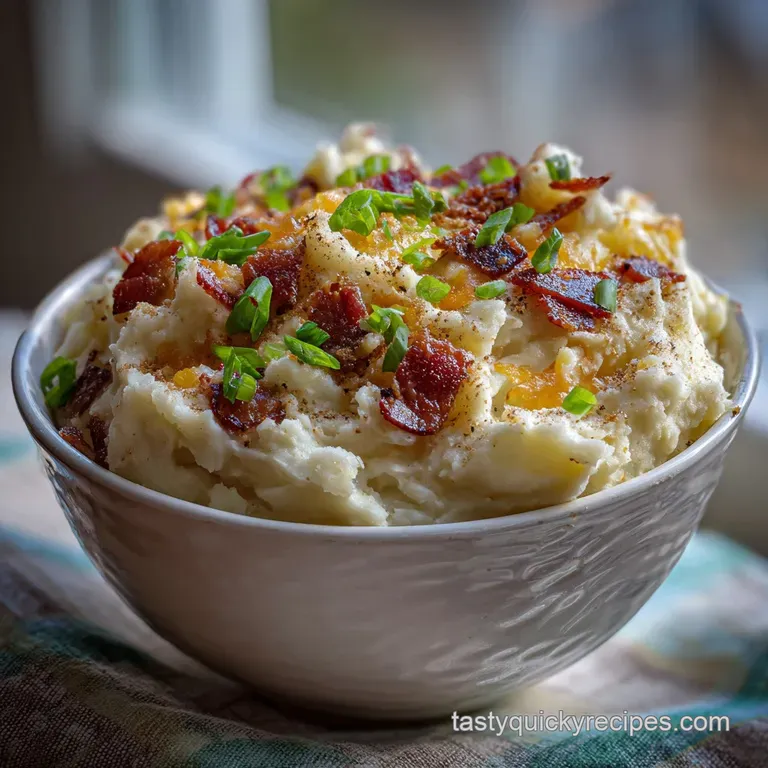
You don't need a high tech kitchen to get these right, but a few specific tools make the difference between "okay" and "incredible." First, skip the electric hand mixer. While it's tempting, the high speed can shear the starch molecules and turn your potatoes into a sticky paste.
I swear by a heavy duty potato masher or, if you really want that restaurant style silkiness, a potato ricer. The ricer forces the potato through tiny holes, ensuring zero lumps without overworking the mash.
You'll also want a large pot at least 5 or 6 quarts to give the potatoes plenty of room to dance in the boiling water.
Finally, grab a small saucepan to warm your milk and butter together. It’s a small step that most people skip, but it’s a total game changer for the final texture. Mixing cold dairy into hot potatoes is the fastest way to get a mediocre result.
Mastering the step-by-step Cooking Process
- Prep the spuds. Peel and cut the 3 lbs Yukon Gold potatoes into 1 inch cubes. Note: Keeping the sizes uniform ensures they all finish cooking at the exact same time.
- Boil in salted water. Place potatoes in a pot, cover with cold water, and add 1 tbsp sea salt. Boil 15-20 minutes until fork tender.
- Crisp the bacon. While potatoes boil, fry the 6 slices of bacon in a pan until deep brown and shattered crisp.
- Dry the potatoes. Drain the potatoes and return them to the hot pot for 1-2 minutes off the heat. Note: This "steam dry" step removes excess water, allowing the potatoes to soak up more butter.
- Warm the dairy. In a small pan, combine 0.5 cup whole milk and 4 tbsp unsalted butter until the butter is fully melted and shimmering.
- Mash the base. Use a ricer or masher to break down the potatoes while slowly drizzling in the warm milk mixture.
- Fold in richness. Stir in the 4 oz cream cheese and 0.5 cup sour cream until the mixture looks velvety and pale gold.
- Add seasonings. Gently fold in 0.5 tsp cracked black pepper and 0.25 tsp garlic powder.
- Load it up. Stir in 1 cup of the cheddar, most of the crumbled bacon, and 2 sliced green onions.
- Final garnish. Top with the remaining 0.5 cup cheddar, bacon, and the last green onion until the cheese begins to soften and glisten.
Troubleshooting Texture and Flavor Issues
Why Your Mash Is Gummy
If your potatoes feel like taffy, you likely overworked them or used a high speed blender. Once the starch is damaged this way, you can't really "un gum" it. However, you can save the flavor by spreading the mixture into a baking dish, topping with extra cheese, and turning it into a Twice Baked Potato recipe. The oven heat will help set the texture slightly.
Dealing with Excess Salt
It happens to the best of us sometimes the bacon is saltier than expected. If the dish tastes like a salt lick, don't panic. You can fold in an extra dollop of unsalted sour cream or a splash more warm milk. The extra fat and liquid will dilute the salt concentration without ruining the consistency.
| Problem | Root Cause | Solution |
|---|---|---|
| Watery Mash | Potatoes weren't drained or dried | Return to low heat for 3 minutes to cook off moisture |
| Lumpy Texture | Potatoes undercooked or mashed cold | Use a ricer and ensure dairy is steaming hot before adding |
| Bland Flavor | Not enough salt in boiling water | Add a pinch of sea salt and extra garlic powder at the end |
Common Mistakes Checklist
- ✓ Start with cold water when boiling potatoes (ensures even cooking from center to edge).
- ✓ Never use a food processor or blender (destroys starch structure instantly).
- ✓ Warm your milk and butter together before mixing (prevents a temperature shock).
- ✓ Add the cheese last so it doesn't over melt and become oily.
- ✓ Use room temperature cream cheese to avoid white "dots" in the finished dish.
Scaling Portions and Dietary Changes
If you're cooking for a larger crowd, like a holiday lunch or a neighborhood potluck, scaling this recipe is straightforward. For 16 servings, double everything but be careful with the seasonings. I usually only go to 1.5x on the garlic powder and black pepper, then taste and adjust.
Spices can sometimes intensify unexpectedly when doubled.
For those looking for a lighter version that still feels like Loaded Mashed Potatoes, try swapping half the potatoes for steamed cauliflower. You still get the "loaded" experience with the bacon and cheese, but it’s a bit lighter on the stomach for a midday meal.
Chef's Tip: If you're scaling down for just one or two people, use the leftovers to make potato pancakes the next day. Just add an egg and a tablespoon of flour to the cold mash, form into patties, and fry until crispy.
| If you want... | Then do this... |
|---|---|
| Extra Crunch | Use 2x the bacon and add toasted breadcrumbs on top |
| More Kick | Fold in 1 tbsp of canned diced jalapeños |
| Smoky Flavor | Use smoked gouda instead of cheddar |
Storage Tips and Leftover Ideas
Storage: Keep your leftovers in an airtight container in the fridge for up to 4 days. These potatoes actually hold their flavor quite well, making them a great meal prep option for a satisfying lunch during the week.
Just be sure the container is sealed tightly so the potatoes don't absorb other fridge odors.
Reheating: Avoid the microwave if possible, as it can make the dairy separate and turn the potatoes oily. Instead, place them in a small saucepan over low heat. Add a splash of milk or a tiny knob of butter and stir constantly until heated through.
If you must use a microwave, do it in 30 second bursts and stir in between.
Zero Waste: Never toss out those potato peels! Toss them with a bit of olive oil and salt, then bake at 400°F until they turn into crispy potato skins. They make a fantastic crunchy snack while you're waiting for the main mash to boil.
Also, the leftover bacon grease can be saved in a jar and used to sauté vegetables for your next meal.
Hearty Main Dishes for Pairing
These potatoes are quite rich, so they pair best with proteins that have a bit of a crust or a simple seasoning. I love serving them alongside a seared chicken breast or a thick cut pork chop. The creaminess of the mash acts as a built in sauce for the meat.
If you’re looking for a classic pairing, this recipe is a natural fit for a Beef Steak Side Dish recipe. The butter and garlic notes in both dishes complement each other without competing for attention.
For a slightly different texture, you might also enjoy comparing this to an Au Gratin Potatoes Recipe. While the loaded mash is all about that uniform, velvety consistency, the au gratin offers those beautiful, distinct layers. Both are incredible for keeping your energy levels high through a busy afternoon. Just remember to balance the plate with something green steamed broccoli or a sharp arugula salad cuts through the richness of the cheddar and sour cream perfectly.
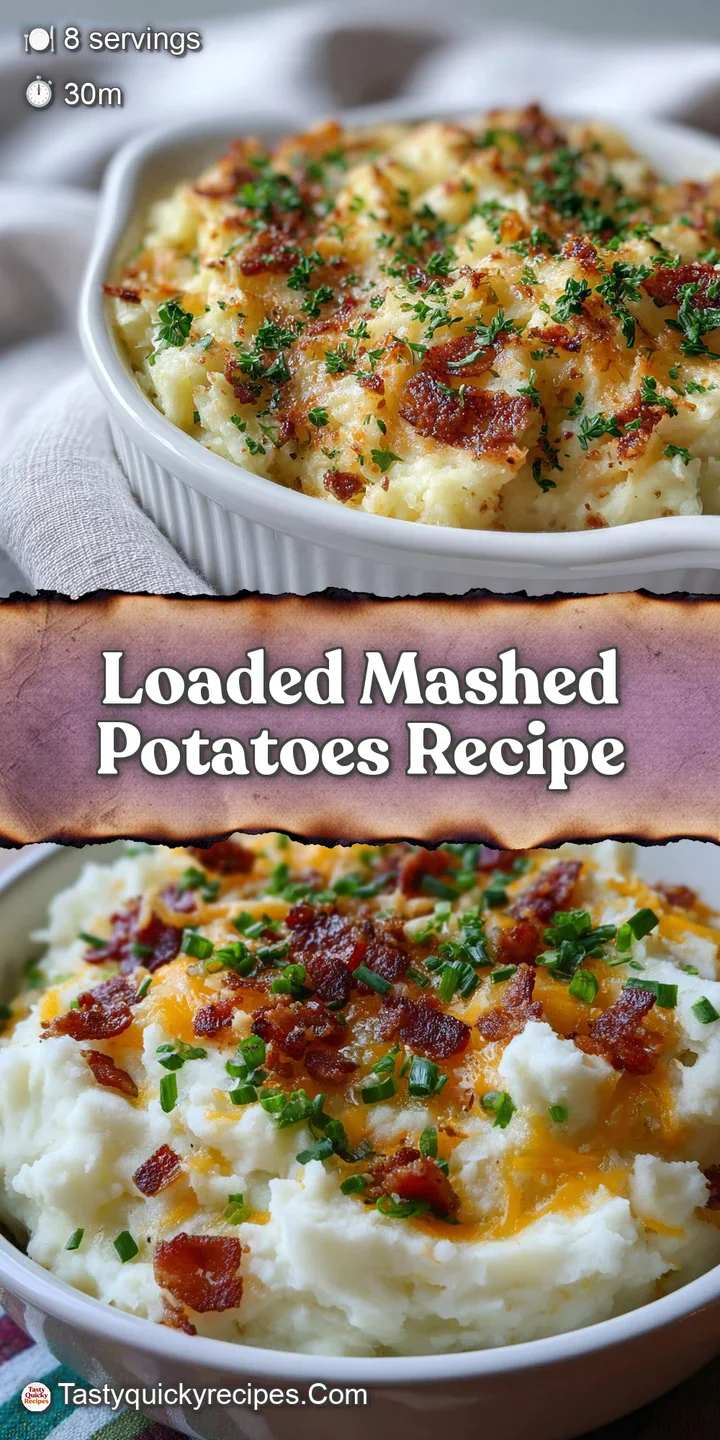
Recipe FAQs
What goes on loaded mashed potatoes?
Butter, cheese, sour cream, and bacon are the essentials. You need a rich fat base like butter and sour cream, sharp cheddar cheese for flavor, and crispy crumbled bacon for texture.
What are good things to add to mashed potatoes?
Sharp cheddar, cream cheese, chives, and roasted garlic are excellent additions. Cream cheese boosts richness and tang, while roasted garlic adds a subtle sweetness that balances the salt from the bacon.
What are the best toppings for mashed potatoes?
Crispy bacon bits, shredded sharp cheddar, and freshly sliced green onions are the best standard toppings. For an extra layer, try topping them with caramelized onions just before serving.
What can you add to loaded potatoes to make them creamier?
Add warm cream cheese or crème fraîche, not cold milk or yogurt. Warming the fat source before incorporation helps it emulsify smoothly into the starch, preventing a grainy or broken texture.
Can I use Russet potatoes instead of Yukon Golds for loaded mash?
Yes, but adjust your liquid content accordingly. Russets are starchier and fluffier, meaning they absorb more liquid, so you might need a splash more warm milk to maintain the velvety consistency.
Is it true that you should skip drying the potatoes after boiling?
No, this is a common misconception; always dry them first. Return the drained potatoes to the hot pot for 1-2 minutes off the heat to steam off excess surface water; this allows them to soak up butter instead of liquid.
How do I keep my loaded mashed potatoes from becoming gummy?
Mash them gently and avoid using a blender or food processor. Overworking the starch molecules causes them to release too much moisture, leading to gumminess; use a ricer or hand masher for optimal texture control, a technique also vital for achieving great texture in a Slow Cooker Chicken.
Loaded Mashed Potatoes Recipe
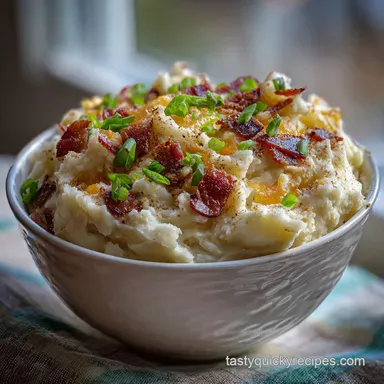
Ingredients:
Instructions:
Nutrition Facts:
| Calories | 378 kcal |
|---|---|
| Protein | 12.4 g |
| Fat | 23.2 g |
| Carbs | 31.8 g |
| Fiber | 3.2 g |
| Sugar | 3.1 g |
| Sodium | 485 mg |
