Christmas Cookies: the Best Jolly Holly Cut-Out Recipe

- Unlocking the Secret to Non-Spreading Holiday Cut-Outs
- The Science Behind the Perfect Christmas Cookie Texture
- Essential Components for Superior Sugar Cookie Baking
- Step-by-Step Guide: Crafting and Baking Your Festive Cookies
- Pro Baker Tips and Troubleshooting Common Christmas Cookie Errors
- Advanced Storage Solutions for Holiday Baking Efficiency
- Presentation and Pairing: Elevating Your Holiday Cookie Platter
- Recipe FAQs
- 📝 Recipe Card
Unlocking the Secret to Non-Spreading Holiday Cut-Outs
That buttery, sweet scent of vanilla mixed with warm nutmeg that's the real aroma of Christmas, isn't it? When those gorgeous, perfectly outlined Christmas Cookies come out of the oven, my entire kitchen instantly becomes a holiday haven.
Trust me, I’ve had my share of baking failures, but this is the foolproof recipe you need.
Look, holiday baking is stressful, right? You want beautiful results without the fuss. This specific recipe is a lifesaver because the dough is stable, requires minimal effort, and guarantees cut-outs that actually hold their shape.
Forget the frustration of floppy, burnt edge disasters; these truly are easy Christmas Cookies you can depend on, whether you’re a beginner or a seasoned baker.
I’ve tweaked this process for years sacrificing many trays of subpar dough so you don't have to experience the heartbreak of spreading. We’re going to nail the texture, keep the edges sharp, and master the shiny royal icing finish.
Let's dive into the logic behind making the best Christmas Cookies you will ever make.
The Science Behind the Perfect Christmas Cookie Texture
The Magic of Perfectly Shaped Holiday Biscuits
Achieving that sharp, crisp edge on your cut-outs is all about minimizing gluten development and strictly controlling the butter’s melt rate. We use a high ratio of cold fat and limit the liquid. This ensures the dough is firm and stable before it hits the heat.
Why Traditional Sugar Cookie Recipes Fall Short
Most sugar cookie recipes fail because they call for too much leavener (baking soda or powder) or they use softened butter that is too warm. That structure failure leads to sad, wide discs instead of the beautifully defined stars, bells, and trees we want.
We need solid structure for elegant Christmas Cookies .
An Overview of the Professional Royal Icing Component
Don’t be scared of royal icing! We use meringue powder here, which is key for stability and shine. It allows us to create two critical consistencies: a stiff outline dam and a liquid flood fill.
When it dries, it becomes rock hard and glossy, perfect for stacking and transporting these spectacular Christmas Cookies .
Chef’s Note: The stiffness of royal icing is measured by "consistency." Outline icing is stiff (holds a peak). Flooding icing is thin (a line drawn through it disappears in 10 seconds). You need both.
Balancing Flour and Fat for Zero Spread
The secret weapon for non-spreading cookies is the precise balance of flour and fat, coupled with minimal liquid. Make absolutely sure you are spooning and leveling your flour; too much dry ingredient results in a crumbly nightmare. This balance is what locks the butter in place while baking.
The Critical Role of Chilling in Maintaining Cookie Shape
Seriously, if you skip the chilling stage, you will get pancakes, not precise shapes. Chilling solidifies the fat, which means the butter takes much longer to melt in the hot oven. This buys essential time for the flour structure to set before the butter liquifies and tries to escape.
If you want consistently shaped Christmas Cookies , chill, chill, chill!
Infusing Festive Flavor: Vanilla and Nutmeg Depth
Vanilla is non-negotiable, obviously. Use the real stuff, not imitation. But that tiny pinch of nutmeg is what really screams "holiday." It adds a complex, warm depth that elevates these from plain sugar biscuits to truly festive Christmas Cookies .
Essential Components for Superior Sugar Cookie Baking
Why Cold Butter is Non-Negotiable for Structure
While we start by creaming softened butter with sugar, the rest of the process relies on keeping that fat cold. The moment the dough comes together, you need to flatten it and get it into the fridge.
If you are baking in a warm kitchen, you must chill the dough quickly after mixing to maintain the desired stiffness for cutting perfect Christmas Cookies .
Selecting the Right Flour for Tender Dough
Standard All-Purpose flour works perfectly for this job, but you must measure it correctly (spooned and leveled!). If you accidentally compact the flour, your cookies will be dense and tough. That density is great if you’re making chewy Chocolate Chip Cookies: The Ultimate Chewy, Caramel Edged Recipe , but it makes terrible cut-outs.
Ingredient Swaps for Common Dietary Needs
This recipe is forgiving on substitutions, thank goodness. If you need to cater to allergies, don’t stress.
| Ingredient to Substitute | Recommended Substitution | Notes |
|---|---|---|
| All-Purpose Flour | Measure for-Measure gluten-free Blend | Add ¼ tsp Xanthan gum if the blend does not include it. |
| Unsalted Butter | Plant Based Baking Sticks (e.g., Flora) | Must be a high-quality stick designed for baking; results may be slightly softer. |
Stocking Your Pantry for Professional Grade Royal Icing
The only ingredient you absolutely must source is Meringue Powder. Do not try to substitute this with liquid egg whites it’s crucial for food safety, superior structure, and that signature high gloss shine.
Also, skip the watery supermarket food dyes; use high-quality gel or paste food coloring, which won't mess up the consistency of your beautiful royal icing for your Christmas Cookies .
step-by-step Guide: Crafting and Baking Your Festive Cookies
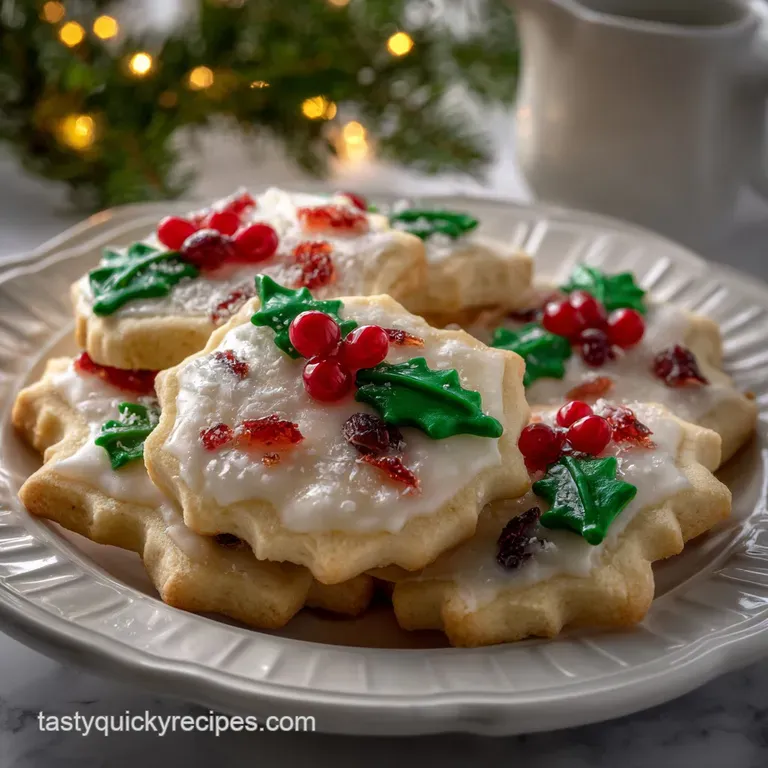
Phase I: Mixing the Dough (Avoiding Overworking)
Start by creaming your softened butter and sugar until the mixture is light, pale, and fluffy about four minutes. This incorporates air, giving the cookies a lovely lift. When adding the flour mixture, mix only until the flour streaks disappear. Stop the mixer immediately .
Overmixing wakes up the gluten, which leads to shrinking, tough Christmas Cookies .
Phase II: The Essential Chill and Rolling Technique
Once the dough is mixed, divide it into two discs and wrap them tightly. Flattening them slightly now makes rolling much easier later. They need at least two hours in the fridge until they feel rock hard. Roll the chilled dough to exactly 6 mm (or ¼ inch) thickness.
Use spacers on your rolling pin if you have them uneven thickness leads to uneven baking, which is a disaster.
Phase III: Achieving the Ideal Golden Baking Time
Preheat your oven properly! Place the cut-out shapes on a parchment lined baking sheet and, for insurance, toss the tray back into the freezer for 10 minutes before baking. Bake for 10– 12 minutes.
The cookies are done when the edges are set and just beginning to turn pale golden. The centers should remain very pale; this guarantees tenderness.
Mastering Two-Consistency Royal Icing (Flood and Outline)
First, beat the meringue powder, sifted sugar, and water for five minutes until the icing holds stiff peaks (Outline Consistency). Put about two-thirds of this in a piping bag. Take the remaining third, and slowly add a tiny bit more water until it reaches the 10 second flood consistency.
This two-part system is the difference between amateur looking and stunning Christmas Cookies .
Pro Baker Tips and Troubleshooting Common Christmas Cookie Errors
Preventing Ragged Edges on Your Delicate Shapes
Ragged edges happen because your dough is either too warm or your cutter is dragging. If the dough feels sticky, pop it back in the fridge for 15 minutes. Also, dip your cookie cutters in flour before each cut; this ensures a clean release every single time.
The Fix for Dough That’s Too Crumbly or Sticky
Humidity is often the culprit here. If your dough is too crumbly after mixing, add half a teaspoon of milk or water, beat briefly, and test the consistency. If it’s too sticky, work in a tablespoon of flour slowly until it’s manageable. My dough for Sugar Cookies Recipe: Ultimate Shape Holding Cutouts once seized up completely on a cold day, I added one splash of milk, and it was perfect.
Why Your Icing Might Be Cracking (Humidity Control)
Icing cracks because the surface dries too fast while the underneath is still wet. If you live somewhere dry or cold, this happens easily. To fix this, slightly reduce the water in your flooding consistency next time, or place the iced Christmas Cookies near a fan set on the lowest speed to encourage consistent drying.
Advanced Storage Solutions for Holiday Baking Efficiency
Freezing Unbaked Dough vs. Finished Christmas Cookies
Unbaked dough is definitely the better option for long term storage. Wrap the chilled discs tightly in plastic wrap, then foil, and freeze for up to three months. Thaw it overnight in the fridge before rolling.
Finished, iced Christmas Cookies can also be frozen, but you must allow the icing to cure fully for 24 hours first.
The Best Way to Store Finished Iced Cut-Outs
Once the royal icing is completely hard (give it a gentle tap it should sound hollow, not soft), you can stack them. Layer them carefully in an airtight container between sheets of parchment paper. Store them at a cool room temperature for up to a week. They stay crisp and delicious.
Making these reliable Christmas Cookies ahead of time is absolutely key to surviving December without stress.
Presentation and Pairing: Elevating Your Holiday Cookie Platter
Beverage Pairings: From Rich Coffee to Spiced Cider
The sheer sweetness of the royal icing needs a strong counterpoint. I love serving these with rich espresso or a dark roast coffee, or maybe a homemade salted caramel latte. If you want something cozy and non-alcoholic, pair your Christmas Cookies with a mug of warm, spiced cranberry cider.
These beautiful Christmas Cookies are meant to be shared.
This recipe eliminates the guesswork, the spreading, and the frustration that usually plagues holiday baking. Now go get your mixer out and fill your house with the unforgettable aroma of the best Christmas Cookies ever. Happy baking!

Recipe FAQs
Why did my sugar cookies spread and lose their shape during baking?
Spreading is usually caused by warm dough, too much leavening agent, or overworking the flour. Ensure your butter is cold and the dough is thoroughly chilled (at least 30 minutes) before cutting and baking, as cold fat melts slower, preserving the shape.
Also, measure your flour accurately using the spoon and-level method, as too little flour makes the dough runny.
My cookie dough seems very dry and crumbly; what can I do to fix it?
A crumbly dough suggests an incorrect flour-to-fat ratio or over mixing, which over activates the gluten. Try adding one teaspoon of cold milk or water at a time until the dough just barely comes together into a cohesive ball. Be careful not to add too much liquid, as this will lead to spreading during baking.
Can I prepare the cookie dough ahead of time and freeze it?
Yes, this sturdy dough freezes wonderfully, allowing you to prep well in advance of the holidays. Wrap the prepared dough disc tightly in two layers of plastic wrap and one layer of aluminum foil; it will keep perfectly for up to three months.
Thaw it overnight in the refrigerator before attempting to roll and cut your shapes.
How do I adapt this recipe to make it gluten-free?
You can successfully convert this recipe using a quality 1:1 gluten-free baking blend that contains xanthan gum. Note that GF doughs tend to be stickier than traditional dough, so increase the chilling time to at least two hours before attempting to roll them out.
The baking temperature and time generally remain unchanged.
What is the difference between "piping" and "flooding" royal icing consistency?
Piping consistency is thick, holds a firm peak, and is used for outlining borders and creating intricate details. Flooding consistency is thinner, reaches a 10 15 second consistency when dropped back into the bowl, and is used to fill in the outlined areas smoothly.
You adjust consistency by adding powdered sugar for thickness or small drops of water for thinning.
I don't have vanilla extract. What other festive flavors can I use?
Christmas cookies shine with warm, bold flavors! You can substitute the vanilla with almond extract for a marzipan like note, or add a teaspoon of finely ground cardamom or cinnamon directly to the dry ingredients for warmth.
Alternatively, incorporating the zest of one lemon or orange when creaming the butter and sugar provides a bright holiday lift.
How long can I store baked, decorated, and undecorated cookies?
Baked, undecorated cookies will stay fresh in an airtight container at room temperature for about 10 days. Once decorated with royal icing, the cookies can be stored similarly for up to three weeks, provided the icing is completely dry before stacking them.
Avoid refrigerating decorated cookies, as moisture can cause the icing colors to weep or bleed.
Jolly Holly Sugar Christmas Cookies
Ingredients:
Instructions:
Nutrition Facts:
| Calories | 150 calories |
|---|---|
| Fat | 7 g |
| Fiber | 0.5 g |
