Idleon Recipes: the Grand Gatherers Savoury Steak Stout Pie
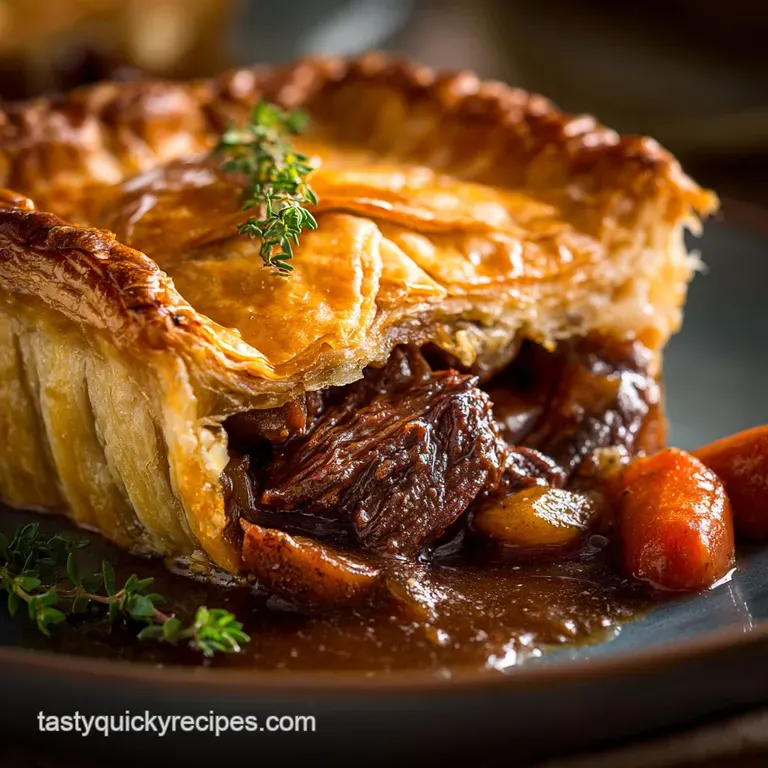
The Ultimate Comfort Craft: Mastering the Grand Gatherer’s Pie
That deep, earthy, slightly sweet smell of stout mixed with melting beef and savory thyme is pure magic. When you finally break through that golden, flaky pastry crust, releasing a cloud of steamy, rich gravy? Honestly, it’s unbeatable.
This idleon recipe is the definition of comfort food a proper hug in a dish that feels like leveling up your entire life.
Look, we spend hours grinding for those tricky idleon crafting recipes in the game, right? Well, this pie is the culinary equivalent of getting a massive resource drop without any frustration.
It requires initial effort, yes, but then it’s mostly hands off time while the magic slow simmers in the pot. It’s easy, budget friendly, and perfect for feeding a crowd of hungry crafters.
Forget those overly complicated guides promising quick results that fall flat. I’ve made this pie countless times and messed it up plenty, too so I’ve streamlined this Grand Gatherer’s Pie to be foolproof, tasty, and absolutely worthy of its coveted idleon recipes unlock .
Ready to master this World 1 classic? Let’s crack on with the ultimate idleon recipes guide .
What Makes a Recipe a True 'Drop'?
The secret to this pie isn't just the sheer quantity of meat; it’s the two-pronged approach to flavour and texture. We start by using the Maillard reaction that deep, dark crust on the beef to build a fundamental savoury base. You can’t skip the sear, people!
Next,, the stout does the heavy lifting. The low pH (the acidity) in the dark beer works slowly to break down the tough collagen in the stewing beef. This process tenderizes the meat until it’s fork tender, creating a sauce that is deeply malty, slightly bitter, and completely unctuous.
This is slow cooking at its finest; it's why this particular idleon food recipes combination works so brilliantly.
The Legacy of Idleon Recipes: A Culinary Journey
When I first attempted this, I used cheap, watery stock and rushed the braise. It was passable, but certainly not a "Grand Gatherer’s" quality. Understanding the source materials the quality of your beef and the depth of your stout is everything.
Think of it like cooking your resources to 100% capacity; we are maximizing the flavor profile here.
Brief History of the Steak & Stout Combination
This pairing is a British and Irish classic for a reason, rooted in maximizing cheap cuts of meat. The dark beer and heavy pastry turned humble ingredients into a celebratory meal. It’s warm, it’s filling, and it provided serious fuel for people working hard all day.
If you’re looking for proper heritage cooking in your idleon recipes list , this is it.
Ingredients You Need for idleon recipes
This isn’t about fancy ingredients; it's about making robust, comforting food. You need high-quality staples, especially the stout and the beef stock.
Main Ingredients Notes
- Stewing Beef: Chuck steak or brisket is your friend here. It’s tough and cheap, but the fat and collagen completely dissolve during the low and slow process, making it incredibly tender.
- Dark Stout: Please use an actual stout, like Guinness, not a lighter beer. The deep roasted barley notes are crucial for the gravy's colour and depth.
- Shortcrust Pastry Materials: Cold butter is non-negotiable! Warm butter equals flat, tough pastry.
Easy Substitutions and Swaps
Sometimes you don't have exactly what the idleon recipes guide calls for, and that's fine. We adapt!
| Ingredient | Why it's used | Viable Substitute |
|---|---|---|
| Stewing Beef | Robust flavour, tenderizes well. | Lamb shoulder (richer flavor) or firm Tofu/Seitan (Vegetarian option). |
| Dark Stout | Malty, acidic tenderizer. | 1 cup robust Dry Red Wine (Merlot/Cabernet) + 1 cup Beef Stock. |
| Beef Stock | The base of the gravy. | Mushroom or Vegetable Stock (for a vegetarian stew base, or if beef stock isn't on hand). |
| Shortcrust Pastry | Traditional structure and richness. | store-bought Puff Pastry (quicker, flakier, but less structural). |
| Carrots & Celery | Essential aromatics (mirepoix). | Diced Parsnips and Celeriac (adds a sweet, earthy depth). |
Essential Equipment
You absolutely need a good, heavy pot. I use my Dutch Oven because it holds heat so consistently, ensuring even braising. You'll also need a decent 9 inch deep pie dish . If you use a shallow one, the filling-to-crust ratio will be off, and that’s a tragedy.
CHEF'S NOTE: If you use a food processor for the pastry, only pulse a few times! The goal is to mix it just until it starts to clump. Overmixing guarantees a tough crust, and nobody wants that.
The Grand Gatherer’s Method: step-by-step Pie Construction
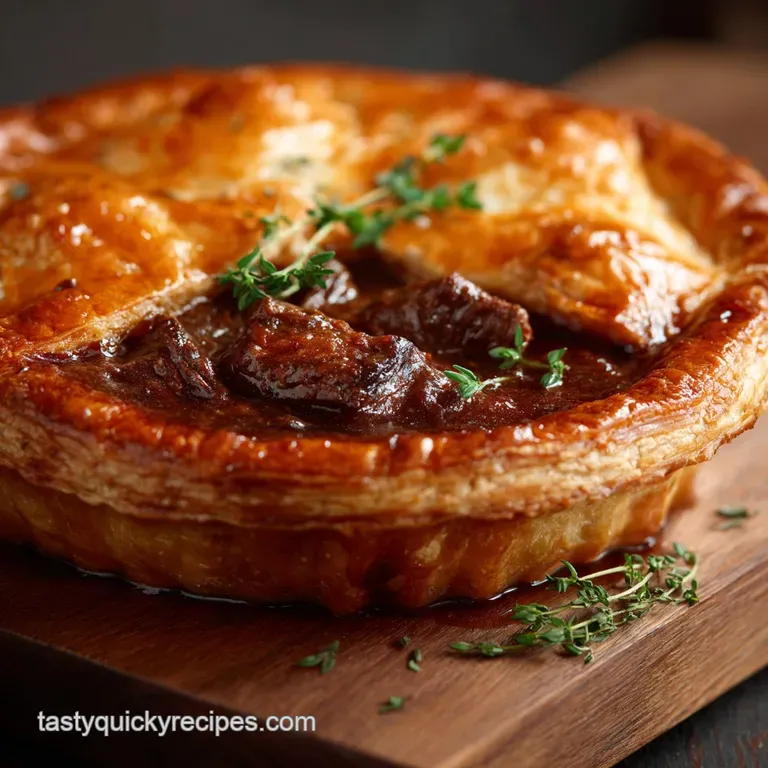
Browning the Beef and Building the Flavour Base
- Prep the Beef: Pat your 2 lbs of stewing beef bone dry. This is so important! Season it aggressively with salt and pepper.
- Sear Aggressively: Heat the oil in your Dutch oven over medium high heat until shimmering. Sear the beef in small batches until they have a seriously deep, dark crust we are talking mahogany brown. Remove the beef and set it aside; don't rinse the pot, we need those dark bits!
- Sauté Aromatics: Reduce the heat to medium. Add the onions, carrots, and celery and cook for about 8 minutes, scraping up all those glorious browned bits from the beef (that’s free flavor, baby!). Add the mushrooms and cook until their liquid is gone. Stir in the garlic and thyme for 1 minute until fragrant.
- Thicken: Sprinkle 2 tbsp of flour over the vegetables and stir continuously for 60 seconds. This cooks out the raw flour taste and builds your roux.
The Low and Slow Stout Braise (Achieving Melt-in-Your Mouth Consistency)
- Deglaze: Pour in the 1 cup of dark stout. Bring it to a boil and scrape the bottom of the pan one last time, making sure all the sticky bits are dissolved into the liquid.
- Simmer: Return the seared beef to the pot. Add the beef stock, bay leaf, and Worcestershire sauce. Bring everything back to a gentle simmer.
- Braise: Cover the pot tightly. You can either transfer it to a 300°F (150°C) oven or keep it low on the hob for about 1 hour 45 minutes. The goal is fork tender beef; if it still resists, give it another 15 minutes.
- Cool Down (Absolutely Critical): Stir in the fresh parsley. Remove the bay leaf immediately —you don’t want to serve that! Now, you must let the filling cool completely to room temperature. This takes at least 2 hours, sometimes more.
Assembling the Pie: Preventing the 'Soggy Bottom'
While the filling is cooling, make the pastry. Remember, cold butter, quick hands! Combine the flour and salt, cut in the cold, cubed butter until it looks like coarse breadcrumbs with some pea-sized chunks.
Drizzle in just enough ice water to bring it together, then wrap and chill the disc for 30 minutes.
- Prep: Preheat your oven to 400°F (200°C).
- Roll and Fill: Roll out your chilled pastry disc slightly larger than your pie dish. Spoon the completely cooled stew into the dish. If it’s warm, you will suffer the dreaded soggy bottom.
- Seal: Brush the rim of the pie dish with egg wash. Drape the pastry over the filling, trim the excess, and crimp the edges tightly to seal.
- Vent and Glaze: Cut three small slits in the center of the pastry to vent steam. Brush the entire top with the rest of your egg wash for maximum golden glory.
Perfecting the Bake: Times and Temperature
Bake for 25 to 35 minutes. You are looking for a pastry that is a deep, rich golden brown and filling that is aggressively bubbling up through those vents. If the edges start browning too quickly, use strips of foil to shield them. This ensures the top cooks evenly.
Let the pie rest for 10– 15 minutes after baking; this allows the gravy to settle and firm up slightly for clean slices.
Storage, Freezing, and Reheating
This is a massive comfort meal, so leftovers are usually inevitable and welcome! But does it freeze well? You bet.
How to Store Leftovers
If you have slices leftover, store them in an airtight container in the refrigerator. They are good for up to 3 days. The pastry might soften a bit, but the flavour is still magnificent.
Freezing Instructions
You can freeze this pie baked or unbaked. If baked, cool it completely, wrap it tightly in aluminum foil, and then place it in a large freezer bag. It will last for up to 3 months. For an unbaked pie, assemble it in a freezer safe dish, cover tightly with plastic wrap and foil, and freeze.
Do not egg wash until ready to bake.
Best Reheating Methods
Never microwave a pie! The pastry will turn into a chewy, sad sponge. Reheat individual slices in a 350°F (175°C) oven for about 15– 20 minutes until the crust is crisp again and the filling is piping hot.
If reheating from frozen, bake (uncovered) at 375°F (190°C) for 45– 60 minutes.
Serving Suggestions
What to Serve With This Dish
This dish is robust, so keep the sides simple and focused on cutting through the richness.
- Creamy Mash: A mountain of incredibly creamy mashed potatoes is traditional and perfect for soaking up any runaway gravy. I whip mine with just butter, milk, and maybe a pinch of nutmeg.
- Something Green and Tart: Steamed greens like broccoli or cabbage but dressed with a squeeze of lemon juice. The acidity provides a much needed contrast to the heavy stout gravy.
- The Condiment: A spoonful of good quality Branston Pickle or a tangy homemade chutney on the side is the perfect way to finish this Grand Gatherer’s Pie.
Recipe FAQs
Why is my pie filling too runny, even after simmering for hours?
A runny filling typically means the liquid has not reduced enough. Ensure you are simmering uncovered during the last hour to allow for evaporation. If the pie is about to go in the oven and the filling is still thin, remove a small amount of liquid and whisk in a cornstarch slurry (1 part cornstarch to 2 parts cold water) before stirring it back into the pot.
Can I use a substitute for the stout (dark beer) in the recipe?
Yes, if you wish to avoid alcohol, you can use high-quality, rich beef stock. To achieve the deep, malty flavour profile that stout provides, add a tablespoon of balsamic vinegar and a dash of Worcestershire sauce to the stock. This combination mimics the necessary acidity and depth.
How do I prevent the bottom pastry crust from becoming soggy?
Sogginess occurs when the pastry absorbs moisture from the filling. The two best techniques are: first, ensure the filling is cooled completely before assembly; and second, 'blind bake' the bottom crust for 10 12 minutes before adding the cooled filling and topping it with the lid.
Can I prepare the Grand Gatherer’s Pie filling ahead of time?
Absolutely in fact, the flavour benefits significantly from preparation ahead of time! Slow cooked dishes improve after a rest, as the ingredients fully marry. Prepare the filling completely, cool it, and store it covered in the refrigerator for up to three days before assembling and baking the pie.
I don't have shortcrust pastry. Can I use puff pastry instead?
You can certainly use puff pastry, but it will result in a lighter, flakier top rather than the traditional sturdy British pie crust. If using puff pastry, ensure you brush it with an egg wash for colour and dock it (prick with a fork) lightly to allow steam to escape during baking.
What is the best way to store leftovers, and can I freeze the pie?
Leftovers should be cooled completely and stored in an airtight container in the refrigerator for up to 3 days. This pie freezes exceptionally well, either whole or sliced. Wrap tightly in plastic wrap and foil; when ready to eat, thaw overnight in the fridge and reheat slowly in a 350°F (175°C) oven until piping hot throughout.
My stewing beef is still tough after the recommended cooking time. What went wrong?
Toughness is usually a sign that the beef hasn't had enough time at a gentle simmer. Stewing cuts (like chuck) require time and patience they break down fully into tender morsels around the 3 to 4-hour mark. If your beef is tough, simply return it to the hob and continue simmering slowly until fork tender.
Idleon Steak Stout Pie Craft
Ingredients:
Instructions:
Nutrition Facts:
| Calories | 650 calories |
|---|---|
| Fat | 40 g |
| Fiber | 5 g |
