Stovetop Chicken Noodle Soup Recipe
- Time: Active 15 minutes, Passive 25 minutes, Total 40 minutes
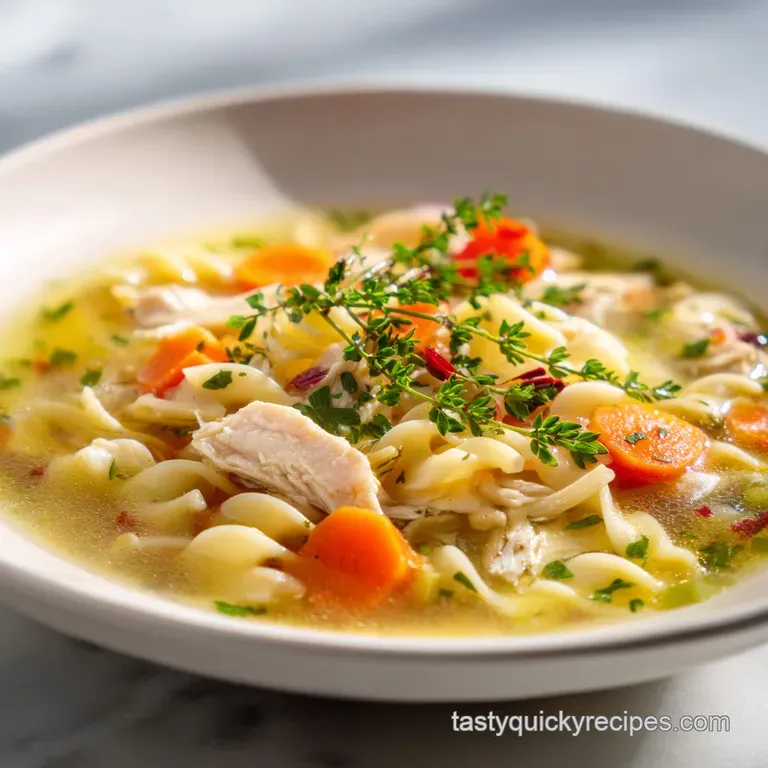
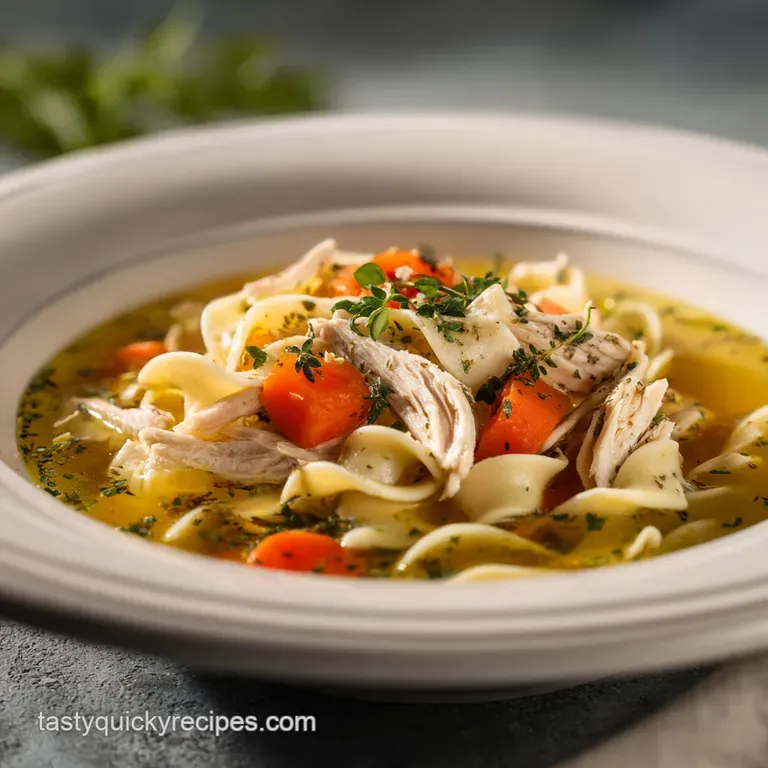
- Flavor/Texture Hook: Velvety golden broth with tender, hand pulled chicken and silky egg noodles.
- Perfect for: A fueling midday lunch that keeps you energized until dinner.
- Why This Hearty Chicken Noodle Soup Is My Ultimate Midday Fuel
- The Specific Physics of the Simmer
- Essential Components for the Broth
- Pantry Staples and Smart Substitutions
- Putting Together Your Soup
- Avoiding Common Soup Pitfalls
- Adjusting for Different Batch Sizes
- Deciphering Kitchen Lore
- Efficient Storage and Less Waste
- Completing the Midday Meal
- Recipe FAQs
- 📝 Recipe Card
Why This Hearty Chicken Noodle Soup Is My Ultimate Midday Fuel
The first thing you notice isn't the smell, it's the sound. It is that soft, rhythmic sizzle of diced onions and carrots hitting melted butter and olive oil in a heavy pot. I remember making this on a Tuesday last winter when I felt like I was running on empty by noon.
I wanted something that felt substantial but wouldn't leave me feeling heavy or sluggish for my afternoon meetings. That is when I realized the secret isn't just in the ingredients, it's in how you treat the aromatic base to get that deep, savory hum.
We have all had those watery, sad versions from a can where the noodles are mush and the chicken feels like pencil erasers. This version is the complete opposite. It is about building layers of flavor in under an hour.
We are using the "fond" - those little brown bits at the bottom of the pot - to create a broth that tastes like it has been simmering since yesterday. Trust me, once you see how easy it is to get this level of depth, you'll never look at a tin opener again.
This recipe is built for real life. It uses 1.5 lbs of chicken breasts and 8 cups of stock to ensure every spoonful is packed with protein. We are not just making a light snack here, we are making a meal that actually works as hard as you do.
Let's get into why these specific techniques change the game for your stovetop results.
The Specific Physics of the Simmer
Protein Osmosis: Poaching the chicken in the stock allows the liquid to season the meat from the inside out while preventing the fibers from tightening into a rubbery texture.
Starch Gelatinization: Adding the egg noodles directly to the pot at the end releases just enough starch to give the broth a velvety mouthfeel without making it cloudy.
Mirepoix Caramelization: Sautéing onions, carrots, and celery in a mix of butter and oil creates a complex flavor profile through the Maillard reaction, which water alone cannot achieve.
| Cooking Method | Total Time | Broth Texture | Best For |
|---|---|---|---|
| Stovetop (This Recipe) | 40 minutes | Clear & Velvety | Fresh, energizing lunch |
| Slow Cooker | 6 hours | Deep & Dark | Set it and forget it |
| Pressure Cooker | 30 minutes | Concentrated | Last minute cravings |
If you find yourself craving something even richer, you might want to try our Creamy Chicken Noodle recipe, which uses a slightly different technique to achieve a thicker base. Both methods are great, but the stovetop version we are doing today is much better for a quick, fueling midday meal.
Essential Components for the Broth
| Component | Science Role | Pro Secret |
|---|---|---|
| Unsalted Butter | Fat Carrier | Use butter for flavor and olive oil to raise the smoke point. |
| Dried Thyme | Aromatic Depth | Rub the herbs between your palms to release the oils before adding. |
| Fresh Lemon Juice | Acid Balance | Added at the very end, it "wakes up" the heavy savory notes. |
| Extra Wide Egg Noodles | Structural Carb | These hold their shape better in hot broth than thinner pasta varieties. |
Pantry Staples and Smart Substitutions
This recipe relies on the classic trio of onions, carrots, and celery, but I have learned over the years that you can be flexible if your crisper drawer is looking a bit empty.
- 2 tbsp unsalted butter: You can use salted butter, but reduce the added sea salt by half a teaspoon.
- 1 tbsp extra virgin olive oil: Any neutral oil like avocado or grapeseed works here.
- 1 large yellow onion: White onion or even a large shallot will do the trick.
- 3 large carrots: Parsnips add a lovely sweetness if you're out of carrots. Why this? Carrots provide the essential sweetness and beta carotene for that classic golden hue.
- 3 stalks celery: If you hate celery, use a pinch of celery seed for the flavor profile.
- 4 cloves garlic: Use 1 tsp of garlic powder if you are in a massive rush.
- 1.5 lbs chicken breasts: Thighs work too, but they take about 5-8 minutes longer to cook through.
- 8 cups low sodium chicken stock: Better than Bouillon mixed with water is a fantastic budget friendly swap.
- 1 tsp dried thyme: Fresh thyme is great, just use three times the amount (1 tbsp).
- 2 dried bay leaves: Don't skip these, they add a subtle woodsy note that rounds out the salt.
- 8 oz extra wide egg noodles: Rotini or fusilli work, but the texture will be denser.
- 1 tbsp fresh lemon juice: Apple cider vinegar is a solid backup if you have no citrus.
| Original Ingredient | Substitute | Why It Works |
|---|---|---|
| Chicken Stock (8 cups) | Vegetable Broth | Similar volume and savory base. Note: Lacks the gelatinous mouthfeel of chicken stock. |
| Egg Noodles (8 oz) | gluten-free Pasta | Provides the necessary bulk. Note: Can break down faster; add 2 minutes later than usual. |
| Fresh Parsley | Dried Parsley | Provides the herbal finish. Note: Use only 1 tbsp as dried herbs are more concentrated. |
Many people ask if they can use leftover rotisserie chicken instead of raw breasts. Absolutely! If you do that, just skip the poaching step and add the shredded meat at the very end with the noodles. It is a similar logic to our Chicken Soup Recipe, which focuses on using what you have on hand to save time.
Putting Together Your Soup
- Prep the base. Dice the yellow onion, slice the 3 carrots into rounds, and thin slice the 3 celery stalks. Note: Keeping the sizes uniform ensures they soften at the same rate.
- Sauté the aromatics. Melt the 2 tbsp butter and 1 tbsp olive oil in a large pot over medium heat. Add the onion, carrots, and celery. Cook 6 minutes until the onions are translucent and fragrant.
- Bloom the garlic. Stir in the 4 cloves of minced garlic. Cook 1 minute until you smell that toasted garlic aroma.
- Season the pot. Sprinkle in the 1 tsp dried thyme, 1 tsp sea salt, and 0.5 tsp black pepper. Stir well to coat the vegetables in the spices.
- Build the broth. Pour in the 8 cups of chicken stock and add the 2 bay leaves. Use a wooden spoon to scrape any browned bits off the bottom of the pot.
- Poach the chicken. Carefully submerge the 1.5 lbs of chicken breasts into the liquid. Increase heat to bring it to a boil, then immediately turn it down to a low simmer.
- Simmer for tenderness. Cover the pot and simmer for 12 to 15 minutes until the chicken reaches 165°F (74°C).
- Shred the protein. Remove the chicken to a plate. Use two forks to shred it into bite sized pieces while it is still hot. Note: Shredding while hot keeps the meat from getting tough.
- Cook the noodles. Bring the broth back to a gentle boil and add the 8 oz egg noodles. Cook 6 minutes until the noodles are al dente and tender.
- Final assembly. Stir the shredded chicken back into the pot. Add the 1 tbsp lemon juice and 0.25 cup chopped parsley. Remove from heat and serve immediately while the aroma is peaking.
Avoiding Common Soup Pitfalls
Why Your Noodles Get Mushy
This usually happens because the noodles are left in the hot broth for too long after they are done cooking. Pasta continues to absorb liquid as it sits. If you are not eating the whole batch right away, cook the noodles separately and add them to individual bowls.
What If My Broth Tastes Flat
If your soup tastes a bit boring, it's usually a lack of acid or salt. A tiny splash of lemon juice or a pinch more salt can brighten the whole pot. Sometimes, a dash of soy sauce (my secret trick!) adds that missing umami depth without tasting like "soy."
| Problem | Root Cause | Solution |
|---|---|---|
| Tough Chicken | Boiled too hard | Keep the broth at a low simmer, never a rolling boil. |
| Cloudy Broth | High heat/Starch | Don't let the soup boil aggressively once the noodles are in. |
| Bland Flavor | Under seasoned veggies | Sauté the vegetables until they are soft before adding liquid. |
Common Mistakes Checklist: ✓ Never boil the chicken - always simmer gently to keep it juicy. ✓ Don't skip the lemon juice at the end; it's the "brightener." ✓ Remove the bay leaves before serving; they are for flavor, not for eating.
✓ Sauté the veggies in both butter and oil for the best flavor/heat balance.
Adjusting for Different Batch Sizes
If you are cooking for one or two, you can easily cut this recipe in half. Just use a smaller pot and reduce the chicken poaching time by about 3 minutes. Since we are using 1.5 lbs of chicken, you can use one large breast instead of two.
When doubling the recipe for a crowd or meal prep, keep the spices at 1.5x the original amount first, then taste. Sometimes doubling salt and thyme can become overwhelming. You will also need a very large stockpot (at least 12 quarts) to handle the 16 cups of liquid.
Chef's Tip: If you are freezing this, do not add the noodles. Freeze the broth and chicken together, then boil fresh noodles when you are ready to eat. This prevents that "sponge" texture that frozen and thawed pasta often gets.
Deciphering Kitchen Lore
One big myth is that you need a whole carcass and 6 hours to make a "real" soup. While bone broth is great, poaching boneless breasts in high-quality store-bought stock gives you 90% of the flavor in 10% of the time. Another myth is that you must sear the chicken first.
In this specific dish, searing can actually make the exterior of the breast a bit tough. Poaching keeps the texture silky and velvety.
Finally, some people think you shouldn't use "low sodium" stock because it lacks flavor. The truth is, using low sodium stock gives you total control. You can add the exact amount of sea salt you want without the soup becoming a salt bomb.
Efficient Storage and Less Waste
Storage Guidelines:Fridge: This stays fresh for up to 4 days. The noodles will soak up more broth each day, so you might need to add a splash of water when reheating. Freezer: The broth and chicken last for 3 months.
Again, I recommend freezing without the noodles for the best results.
Zero Waste Tips: Don't throw away those parsley stems! Chop them finely and sauté them with the onions and carrots for extra flavor. If you have leftover carrot peels or celery ends, throw them into a freezer bag.
Once the bag is full, you can boil them with water to make your own vegetable scrap stock for the next time you make this recipe.
Completing the Midday Meal
This soup is a powerhouse on its own, but if you're really hungry, a piece of crusty sourdough bread is the ultimate tool for swiping up every last drop of broth. If I am looking for a bit of crunch, I love serving this with a simple side salad with a sharp vinaigrette to contrast the savory warmth of the chicken.
The goal of this meal is to leave you feeling energized. It is balanced with protein, healthy fats from the olive oil, and just enough carbs from the egg noodles to keep your brain sharp. It is the kind of cooking that feels like a hug but works like high octane fuel. Enjoy every spoonful!

Recipe FAQs
What is the best way to shred the chicken after poaching it?
Use two forks while the chicken is still hot. This method allows the fibers to separate easily with minimal effort, retaining the moisture absorbed during poaching.
How long should the egg noodles cook directly in the broth?
Cook for 6 minutes until al dente. Adding noodles directly to the broth releases starch, which slightly thickens the soup, similar to the principle used in our Chicken Tetrazzini Casserole recipe.
If I use leftover rotisserie chicken, when should I add it?
Add the shredded rotisserie chicken at the very end. Skip the poaching step entirely and stir the pre-cooked meat in with the noodles during the final two minutes of simmering.
Is it true that using bone broth provides substantially better flavor than store-bought stock?
Not necessarily, especially for a quick recipe. While bone broth offers more body, you can achieve deep flavor quickly by sautéing the mirepoix correctly, as detailed in our Chicken Stock recipe.
How can I make the broth taste richer if I am short on time?
Scrape up the fond after sautéing the vegetables. The browned bits that stick to the bottom of the pot contain concentrated savory flavor; deglazing them with a splash of stock creates immediate depth.
What liquid should I use if I am out of chicken stock entirely?
Use vegetable broth with added umami boosters. If you substitute vegetable broth, add 1 teaspoon of soy sauce or a small amount of dried mushroom powder to replicate the savory depth lost from the chicken.
Should I add salt before or after poaching the chicken?
Salt the broth before poaching but use low-sodium stock. This allows the chicken to season internally during cooking, but using low-sodium stock prevents over salting once the noodles and seasonings are added later.
Easy Stovetop Chicken Noodle Soup
Ingredients:
Instructions:
Nutrition Facts:
| Calories | 382 kcal |
|---|---|
| Protein | 33.8 g |
| Fat | 10.2 g |
| Carbs | 34.5 g |
| Fiber | 2.8 g |
| Sugar | 3.9 g |
| Sodium | 645 mg |
