Easy Crispy Chicken Bites
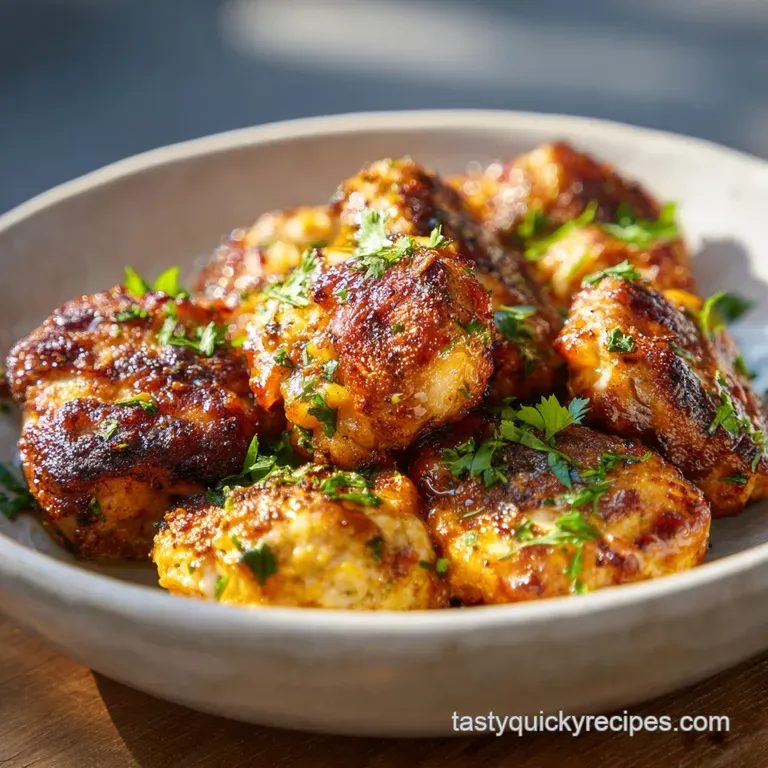
- Time: Active 10 mins, Passive 0 mins, Total 15 mins
- Flavor/Texture Hook: Shatter crisp exterior with a velvety garlic lemon finish
- Perfect for: Hectic weeknight dinners or high protein meal prep
- Gold Standard for Pan Seared Chicken Bites
- The Secret to the Crunch
- Deep Dive into Component Science
- Elements for Crispy Success
- Gear for Better Results
- Master the High Heat Sear
- Fixing Common Searing Issues
- Adjusting the Recipe Volume
- Debunking Searing Misconceptions
- Storage and Leftover Utility
- Flavors That Pair Best
- Recipe FAQs
- 📝 Recipe Card
Gold Standard for Pan Seared Chicken Bites
The moment that first cube of chicken hits the hot avocado oil, you hear it that aggressive, rhythmic sizzle that promises a world of texture. I remember the first time I tried making these during a particularly chaotic Tuesday.
I was trying to manage a phone call, a toddler who had discovered the joys of the "unroll the toilet paper" game, and a growing hunger that felt like a personal attack. I tossed the chicken in some cornstarch, cranked the heat, and hoped for the best.
What came out of the pan wasn't just "good enough" for a Tuesday; it was a revelation of what high heat and a little science can do. The outside was golden and crunched under my teeth, while the inside stayed moist and tender.
It’s the kind of fast, flavorful food that makes you feel like you've actually got your life together, even if the bathroom is currently a blizzard of Charmin. We’ve all been there, and honestly, a plate of these helps.
We are skipping the deep fryer today because we don't need the mess or the extra liters of oil. By using a clever dusting technique and a scream hot skillet, we get that sought after texture without the heavy cleanup.
You'll find that this method is far superior to standard sautéing, which often leads to gray, rubbery meat. Instead, we are aiming for browned, caramelized nuggets of joy that pair beautifully with almost anything in your pantry.
The Secret to the Crunch
The starch creates a microscopic barrier that dehydrates instantly upon contact with hot oil, resulting in a thin, brittle crust. This physical wall prevents the internal juices from escaping, ensuring the meat denatures slowly and remains tender.
- Surface Dehydration: Cornstarch absorbs lingering surface moisture that would otherwise cause the meat to steam rather than sear.
- Starch Gelatinization: When the starch hits the oil, it forms a rigid structure that provides that signature "shatter" texture.
- Maillard Acceleration: The dry surface allows the temperature to rise quickly enough for amino acids and sugars to react, creating deep brown color.
- Emulsification Bridge: The leftover starch in the pan helps the heavy cream and lemon juice bind into a silky, cohesive sauce.
| Method | Time | Texture | Best For |
|---|---|---|---|
| Stovetop Skillet | 5 minutes | Shatter crisp and browned | Maximum flavor and speed |
| oven-roasted | 15 minutes | Evenly cooked but softer | Large batches/hand off cooking |
| Air Fryer | 10 minutes | Very crunchy but drier | Healthy, oil free preference |
Choosing between the skillet and the oven usually comes down to how many people you are feeding. For a family of four, the stovetop is king because you get that immediate hit of heat that develops the best crust.
If you’re doubling the recipe for a crowd, the oven prevents you from standing over the stove in batches, though you’ll sacrifice that deep, buttery sear.
Deep Dive into Component Science
| Ingredient | Science Role | Pro Secret |
|---|---|---|
| Cornstarch (15ml) | Moisture Absorber | Toss until the chicken looks "dusty" but not pasty for the lightest crust. |
| Avocado Oil (30ml) | High Smoke Point | Use this instead of olive oil to avoid acrid flavors at high searing temps. |
| Heavy Cream (60ml) | Fat Emulsifier | Cold cream hits the hot pan to create an instant, thick reduction without flour. |
Getting the right fat in the pan is half the battle. If you love a deeper flavor, you could technically use my Chicken Stock recipe to deglaze the pan before adding the cream, which adds another layer of savory complexity.
Elements for Crispy Success
- 680g Chicken Breast: Cut into 1 inch (2.5cm) cubes. Why this? Uniform size ensures every piece finishes cooking at the exact same moment.
- Substitute: Chicken thighs (boneless) for more fat and a more forgiving cook time.
- 15ml Cornstarch: For the coating. Why this? It creates a crisper shell than all purpose flour.
- Substitute: Arrowroot powder works perfectly for a grain free option.
- 5ml Smoked Paprika: For color and depth.
- Substitute: Regular sweet paprika if you don't like the smoky notes.
- 5ml Garlic Powder: For base seasoning.
- Substitute: Onion powder (additional) if you are out of garlic powder.
- 5ml Onion Powder: Provides a savory back note.
- Substitute: Celery salt (reduce sea salt if using this).
- 2.5ml Sea Salt: To draw out flavor.
- Substitute: Kosher salt (use slightly more as it is less dense).
- 2.5ml Cracked Black Pepper: For a sharp bite.
- Substitute: White pepper for a more subtle, floral heat.
- 30ml Avocado Oil: The cooking medium.
- Substitute: Grapeseed oil or any oil with a smoke point above 400°F (200°C).
- 60ml Heavy Cream: For the finishing sauce.
- Substitute: Full fat coconut milk for a dairy-free version with a nutty twist.
- 2 cloves Garlic: Freshly minced for the sauce.
- Substitute: Garlic paste if you're in a massive hurry.
- 5ml Lemon Juice: To cut through the fat.
- Substitute: Apple cider vinegar provides a similar acidic punch.
- 15ml Fresh Parsley: For a burst of color.
- Substitute: Chives or cilantro depending on your side dishes.
Gear for Better Results
You don't need a professional kitchen, but a heavy bottomed pan is non negotiable here. A cast iron skillet (like a Lodge) or a high-quality stainless steel pan (like an All Clad) will hold onto heat much better than a thin aluminum one.
If your pan is too thin, the temperature will drop the second you add the meat, and instead of a sizzle, you’ll get a sad, watery hiss.
A good pair of locking tongs is also essential. You want to be able to flip these Chicken Bites individually and quickly. Using a spatula often just mashes the delicate starch coating before it has a chance to set.
Finally, have a small whisk or a wooden spoon ready for the sauce phase you'll want to scrape up every bit of that "fond" (the brown bits) from the bottom of the pan.
Master the High Heat Sear
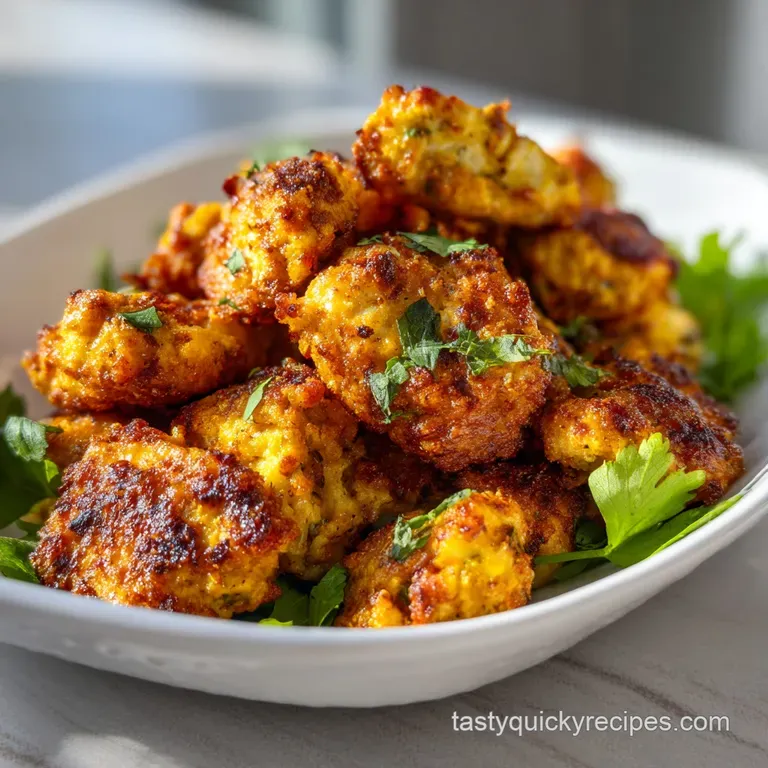
Phase 1: The Precision Prep
- Pat the 680g of cubed chicken completely dry with paper towels. Note: Any surface moisture will turn to steam and ruin your crunch.
- In a large bowl, whisk together the 15ml cornstarch, smoked paprika, garlic powder, onion powder, salt, and pepper.
- Toss the chicken in the spice mix until every piece is evenly coated and no damp spots remain.
- Shake off any excess starch; we want a veil, not a thick crust.
Phase 2: The over High heat Sear
- Heat 30ml avocado oil in your skillet over medium high heat until the oil shimmers and a tiny wisp of smoke appears.
- Place the chicken in the pan in a single layer, leaving space between pieces.
- Sear for 2-3 minutes without moving them until a deep golden brown crust forms on the bottom.
- Flip the pieces and cook for another 2 minutes until the chicken is opaque throughout and firm to the touch.
Phase 3: The Finishing Glaze
- Reduce the heat to medium and add the 2 minced garlic cloves, stirring for 30 seconds until the aroma fills the kitchen.
- Pour in the 60ml heavy cream and 5ml lemon juice, scraping the bottom of the pan to release the flavorful brown bits.
- Simmer for 1 minute until the sauce thickens and coats the chicken bites like a velvety blanket.
- Remove from heat immediately and garnish with 15ml chopped parsley before serving.
Fixing Common Searing Issues
Why Your Chicken Is Rubbery
If the chicken feels bouncy or rubbery, it’s usually a sign of overcooking or "woody" breast meat. However, in this recipe, it most often happens because the pan wasn't hot enough, causing the chicken to sit in its own juices and steam rather than sear. This toughens the proteins before the outside can brown.
| Problem | Root Cause | Solution |
|---|---|---|
| Coating is soggy | Too much moisture on meat | Pat chicken bone dry before dredging in starch. |
| Garlic tastes bitter | Burned during the sauce phase | Add garlic only after reducing heat; cook for 30 secs max. |
| Chicken is dry inside | Cut too small or cooked too long | Keep cubes at 1 inch and use a meat thermometer (165°F/74°C). |
The key to avoiding these pitfalls is all in the preparation. If you find yourself frequently having issues with dry chicken, you might enjoy the moisture retaining prep used in my Round Swamp Chicken Salad recipe, which uses a similar focus on texture and temp.
Common Mistakes Checklist
- ✓ Never crowd the pan; if the cubes are touching, they are steaming, not frying.
- ✓ Wait for the oil to "shimmer" if it doesn't dance when you tilt the pan, it's not ready.
- ✓ Avoid moving the chicken for the first 2 minutes to let the Maillard reaction work.
- ✓ Use a neutral, high smoke point oil; butter will burn before the chicken is done.
- ✓ Always add the lemon juice at the very end to keep the flavor bright and prevent the cream from curdling too much.
Adjusting the Recipe Volume
When scaling down for a solo dinner (using 340g of chicken), you can use a smaller 8 inch skillet. The cook time remains roughly the same, but keep a closer eye on the sauce reduction, as smaller volumes of liquid evaporate much faster. You might only need 30-45 seconds for the cream to thicken.
Scaling up is where things get tricky. If you are doubling this to feed a crowd, work in batches. If you dump 1.3kg of chicken into one pan, the temperature will plummet, and you'll end up with a pan full of gray liquid.
Cook the chicken in two separate goes, set the first batch aside on a plate, then bring all the chicken back into the pan only once you are ready to add the cream and garlic.
Chef's Tip: If you are doubling the spices, don't just double the salt. Start with 1.5x the salt and adjust at the end. Over salting a large batch is a mistake I've made more than once, and it’s hard to walk back!
Debunking Searing Misconceptions
One of the biggest myths is that you need to "seal in the juices." Science tells us that searing doesn't actually create an impermeable moisture seal. Instead, searing is all about the Maillard reaction creating new flavor molecules through heat.
The "juiciness" actually comes from not overcooking the internal proteins, which is why we keep the heat high and the time short.
Another misconception is that you must use butter for a "restaurant style" finish. While butter tastes great, its milk solids burn at the temperatures required for a proper sear. The real trick is to sear with oil and then add a splash of cream or a knob of butter at the very end when the heat is lower.
This gives you the flavor without the charred, bitter bits.
Storage and Leftover Utility
Fridge: Keep these in an airtight container for up to 3 days. To reheat, avoid the microwave if possible, as it turns the crisp coating into a rubbery mess. Instead, toss them in a dry pan over medium heat for 2-3 minutes or pop them in an air fryer at 350°F (175°C) for 4 minutes to revive the crunch.
Freezer: You can freeze the cooked bites for up to 2 months. Freeze them in a single layer on a baking sheet first so they don't stick together, then transfer to a freezer bag.
Zero Waste: If you have leftover sauce in the pan, don't wash it away! Toss in a handful of spinach or some leftover pasta to soak up every drop of that garlic lemon goodness. If you have extra raw chicken scraps, save them in a bag in the freezer to make a small batch of Buffalo Chicken Dip recipe later in the week.
Flavors That Pair Best
These Chicken Bites are incredibly versatile. Because of the creamy garlic sauce, they feel right at home nestled next to a pile of mashed potatoes or a simple bowl of buttered noodles.
If you want to keep things on the lighter side, a crisp arugula salad with a balsamic vinaigrette provides a beautiful peppery contrast to the rich sauce.
For a family style spread, I love serving these alongside roasted broccoli or charred asparagus. The lemon in the sauce acts as a built in dressing for the vegetables. If you’re feeling adventurous, these also make a killer protein addition to a Caesar salad, replacing the standard grilled strips with something much more textural and exciting.
Whatever you choose, make sure you have some crusty bread nearby to swipe up the extra garlic cream from the plate. It's the best part, trust me.

Recipe FAQs
Can I use frozen chicken instead of fresh for these bites?
No, completely thaw and pat them dry first. Frozen chicken releases excess moisture during cooking, which steams the starch coating instead of crisping it, leading to a gummy exterior.
How do I ensure the coating stays perfectly crisp when I add the sauce?
Add the sauce only after the chicken is fully cooked and you have reduced the heat significantly. The starch forms a barrier that protects the initial sear, but simmering it for too long in liquid will soften the crust.
What is the best oil to use if I need to maintain that high searing temperature?
Use avocado oil or refined grapeseed oil. These fats possess a high smoke point, allowing the pan to reach the necessary temperature for immediate crust formation without burning the oil.
How do I cut the chicken cubes so they all cook evenly in the same amount of time?
Aim for uniform 1 inch cubes for every piece. Precision cutting is crucial because variations in size mean thinner pieces overcook while thicker pieces remain raw, impacting the final texture.
Is it true that searing the meat seals in all the juices?
No, this is a common scientific misconception. Searing's primary function is flavor development via the Maillard reaction, not moisture retention; internal juiciness is controlled by not overcooking the internal proteins.
What can I serve these with that will contrast nicely with the rich sauce?
Serve them alongside something light and acidic to cut the richness. A sharp green salad or some simple roasted asparagus makes a perfect counterpoint to the creamy lemon finish.
How can I adapt this recipe if I want a similar crispy coating on a larger main dish, like a whole breast?
Apply the same cornstarch dusting, but finish cooking in the oven. If you master the high heat sear technique here, you can transfer larger pieces to a moderate oven to finish cooking gently, much like we prepare the larger bird in the Thanksgiving Soul Food recipe.
Easy Crispy Chicken Bites
Ingredients:
Instructions:
Nutrition Facts:
| Calories | 338 kcal |
|---|---|
| Protein | 39 g |
| Fat | 17 g |
| Carbs | 4 g |
| Fiber | 0.4 g |
| Sugar | 0.5 g |
| Sodium | 385 mg |
