Cottage Cheese Mousse Recipe with Honey
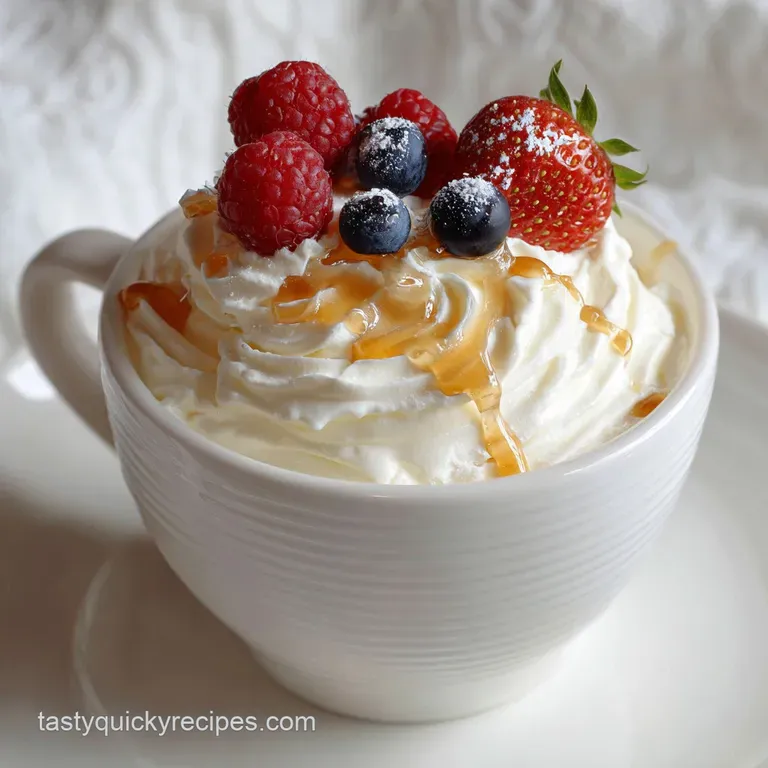
- Time: Active 5 minutes, Passive 1 hours, Total 1 hours 5 mins
- Flavor/Texture Hook: Velvety, honey kissed, and impossibly smooth
- Perfect for: Post workout fuel, a quick late night sweet fix, or kids' snacks
- Master the Irresistible Cottage Cheese Mousse Recipe with Honey
- The Science of Why it Works
- Understanding the Essential Recipe Specs and Timings
- Selecting the Best Ingredients for Your Honey Mousse
- Gathering the Essential Equipment for a Velvety Result
- Moving From Initial Prep to the Final Plate
- Pro Tips for Fixing Every Common Texture Problem
- Exploring Creative Flavor Variations for This Simple Base
- Troubleshooting Common Issues
- Practical Guidelines for Keeping Your Mousse Fresh
- Discovering the Best Pairing Ideas for This Treat
- Debunking Common Myths About Blended Cheese
- High in Sodium
- Recipe FAQs
- 📝 Recipe Card
Master the Irresistible Cottage Cheese Mousse Recipe with Honey
Have you ever looked at a tub of cottage cheese and thought "there is no way this can be a gourmet dessert"? I totally get it. For years, I avoided those lumpy curds like the plague, thinking they were strictly for sad office lunches. But then I stumbled upon the magic of high speed aeration.
When you take this Cottage Cheese Mousse Recipe with Honey and give it a whirl in the blender, something happens. The texture completely shifts from chunky to silky, and that slight tang starts to mimic a luxurious mascarpone or a light as-air cheesecake.
The first time I made this, I didn't tell my husband what was in it. He literally scraped the bowl clean and asked if I had made a white chocolate mousse. When I revealed it was just cottage cheese and honey, his face was priceless.
It's the ultimate kitchen hack for those days when you need something sweet and satisfying but don't want to turn on the oven or deal with a sugar crash later. It’s light, it's lush, and it’s about to become your new obsession.
We are keeping things incredibly simple here, focusing on the quality of the ingredients and the precision of the blend. Since there is no cooking involved, the success of this dish relies entirely on the emulsification process.
I’ve made every mistake possible from using the wrong fat percentage to over sweetening so you don't have to. Let’s get into the nitty gritty of why this works and how you can make it feel like a five star dessert in your own kitchen.
The Science of Why it Works
Protein Emulsification: High speed blending breaks down the casein protein structures in the curds, allowing them to bond with the fats and liquids into a stable, airy suspension.
Aeration Dynamics: Incorporating air during the blending process creates tiny bubbles that stay trapped within the fat globules, resulting in a mousse like volume rather than a liquid sauce.
| Preparation Route | Texture Outcome | Flavor Profile |
|---|---|---|
| Fresh (Full Fat) | Dense, velvety, and rich | Creamy with a mild tang |
| Shortcut (low-fat) | Airier but can turn watery | Sharper, more acidic note |
| Whipped (Hand mixer) | Slightly grainy or pebbly | Traditional cottage cheese |
Getting the texture right is all about that fat content. I tried making this with fat free cottage cheese once, and it was a total disaster it turned into a thin soup that never set up. You really need that 4% fat to give the mousse the body it needs to hold its shape. If you're looking for other smart uses for dairy heavy snacks, you might find inspiration in my School Lunch Idea recipe which uses cheese in a much more portable way.
Understanding the Essential Recipe Specs and Timings
This isn't just about mixing ingredients; it's about the transformation of textures. We are aiming for something that feels premium on the tongue. If you've ever tried my 7 Heartwarming Tips recipe for cheese boards, you know I’m all about the sensory experience of dairy. This mousse is the dessert equivalent of a perfectly aged brie unapologetically creamy.
| Component Analysis | Science Role | Pro Secret |
|---|---|---|
| Cottage Cheese (4%) | Structural Base | Use small curd for faster smoothing |
| Raw Honey | Hygroscopic Sweetener | Deepens flavor and aids the "set" |
| Vanilla Extract | Aromatic Bridge | Masks the "salty" dairy undertones |
Before you start tossing things into the blender, make sure your ingredients are at the right temperature. Room temperature honey flows better, but cold cottage cheese helps maintain the structure of the air bubbles you're about to create.
It's a delicate balance that makes the difference between a runny mess and a spoonable delight.
Selecting the Best Ingredients for Your Honey Mousse
The shopping list for this Cottage Cheese Mousse Recipe with Honey is short, so every single item needs to pull its weight. Don't go for the bargain bin honey here; a high-quality wildflower or clover honey adds floral notes that a processed syrup just can't match.
- 2 cups full fat 4% cottage cheese (approx. 450g): Stick to full fat for the velvety mouthfeel. Why this? The fat content provides the necessary viscosity to trap air during the high speed blending process.
- 3 tablespoons honey: This is our primary sweetener and flavor driver. Why this? Honey adds a complex sweetness that complements the tanginess of the cheese perfectly.
- 1 teaspoon vanilla extract: Use the real stuff, not the imitation essence. Why this? Vanilla acts as a flavor enhancer, making the mousse taste more like a traditional dessert.
- 1 pinch sea salt: Just a tiny bit to balance the sweetness. Why this? Salt suppresses bitterness and makes the honey flavors pop on your palate.
| Original Ingredient | Substitute | Why It Works |
|---|---|---|
| Honey | Maple Syrup | Thinner consistency; adds a woody, autumnal sweetness to the mousse |
| Vanilla Extract | Almond Extract | Much stronger; use only 1/4 tsp for a marzipan like finish |
| 4% Cottage Cheese | Greek Yogurt (5%) | Thicker initial texture but lacks the specific "cheesecake" tang |
If you find yourself with extra honey, it’s great for drizzling over other treats. But for this specific recipe, the ratio is key. Too much liquid and you'll lose that "shatter" of the surface if you decide to top it with something crunchy later.
Gathering the Essential Equipment for a Velvety Result
You don't need a professional kitchen, but a standard food processor won't always cut it if you want that truly "flawless" finish. A high powered blender (like a Vitamix or Ninja) is the MVP here because the blades spin fast enough to pulverize every single curd.
Chef Tip: Freeze your blender jar for 10 minutes before using. This keeps the friction heat from melting the fat in the cottage cheese, ensuring a much firmer, mousse like set.
If you only have a food processor, you'll need to run it for about twice as long. Listen for the sound to change it will go from a heavy "slapping" sound to a smooth, consistent hum once the curds are fully integrated.
I’ve found that even a stick blender can work in a pinch, but you’ll have to be patient to avoid those tiny white specks.
Moving From Initial Prep to the Final Plate
Let’s get cooking or rather, let’s get blending. This process is lightning fast, but the order of operations matters if you want to avoid air pockets at the bottom of your blender.
- Measure the cheese. Pour your 2 cups of cottage cheese into the blender base first. Note: Placing the heavy dairy at the bottom helps the blades catch immediately.
- Add the aromatics. Pour in the 1 teaspoon of vanilla and that pinch of sea salt.
- Drizzle the honey. Add your 3 tablespoons of honey directly over the cheese.
- Pulse to break. Start with 3 short pulses to break up the large curds. until the mixture looks chunky but combined.
- High speed blend. Turn the blender to its highest setting for exactly 60 seconds. until the texture is completely velvety and glossy.
- Scrape the sides. Use a rubber spatula to push down any stray curds. Note: These "strays" are what cause a grainy mouthfeel later.
- Final whip. Blend for another 30 seconds to incorporate maximum air. until you see small bubbles forming on the surface.
- Portion out. Transfer the mixture into two ramekins or glass jars.
- The Chill Factor. Place in the fridge for at least 1 hours. until the mousse feels firm and bounces back when touched.
Phase 1: How Do I Prep the Ingredients?
Start by ensuring your cottage cheese hasn't separated in the container. If there's a lot of "whey" (the liquid) on top, give it a quick stir before measuring. You want the ratio of solids to liquids to be consistent for this Cottage Cheese Mousse Recipe with Honey to set properly.
Phase 2: What is the Secret to the Perfect Blend?
The secret isn't just the speed; it's the duration. Most people stop blending as soon as the lumps disappear. Don't do that! Keep going for an extra 30 seconds after it looks smooth. This extra time builds the "structure" of the mousse by forcing more air into the fat molecules.
Phase 3: How Do I Set the Texture?
Don't skip the fridge time. While you can eat it straight from the blender, it will be more of a thick cream. The 1 hour chill allows the proteins to realign and the honey to slightly thicken the mixture, giving you that classic spoonable "lift" that defines a great mousse.
Pro Tips for Fixing Every Common Texture Problem
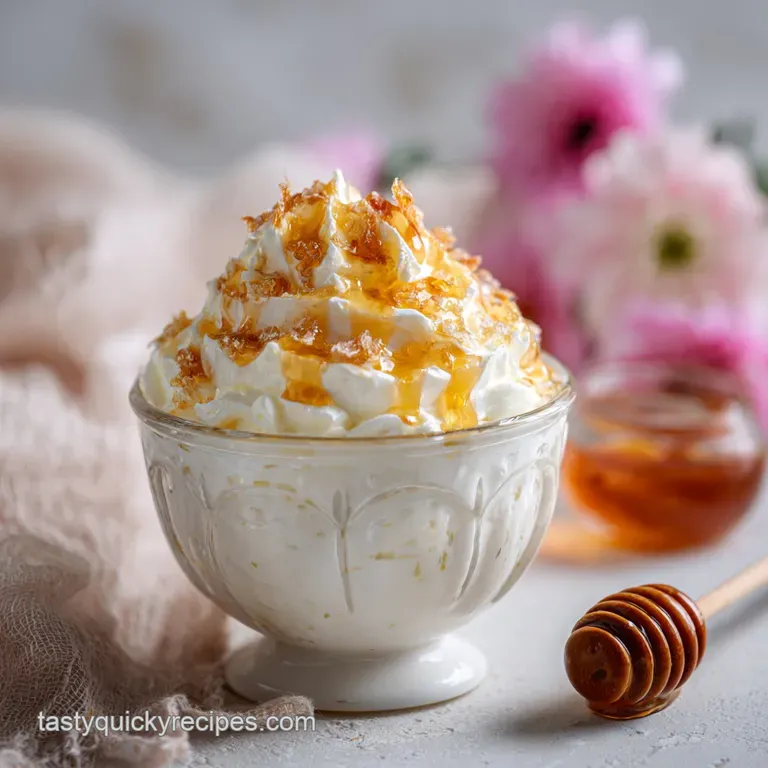
Even with a simple recipe, things can go sideways. The most common issue is a runny texture, which usually happens if the cheese had too much moisture or if you used a low-fat variety. If this happens, don't toss it! You can actually fold in a little bit of protein powder to soak up the excess liquid.
Why Is My Mousse Too Runny?
This usually happens if the cottage cheese was "soupy" to begin with. Some brands have more liquid whey than others. If your mousse looks like a smoothie, you might need an extra binder.
| Problem | Root Cause | Solution |
|---|---|---|
| Grainy texture | Under blended curds | Blend for another 45 seconds on high speed |
| Too salty | Brand of cheese used | Increase honey by 1 tsp to balance the brine |
| Won't set firm | low-fat content | Fold in 1 tbsp of almond flour or protein powder |
What If I Can Still See Small White Specks?
Small white specks are just unblended bits of curd. This happens if the blender blades aren't reaching the corners. Stop the machine, stir manually with a spoon to move the specks toward the center, and blend again. It's all about total homogenization.
Common Mistakes Checklist: ✓ Using "Dry Curd" cottage cheese (it lacks the creaminess needed for a mousse). ✓ Forgetting the salt (the mousse will taste "flat" and overly dairy heavy). ✓ Blending on low speed (this just stirs the cheese rather than emulsifying it).
✓ Eating it immediately (the flavors need time to meld in the fridge). ✓ Using a container that is too large (the blades won't catch the 2 cup volume).
Exploring Creative Flavor Variations for This Simple Base
Once you've mastered the basic Cottage Cheese Mousse Recipe with Honey, the world is your oyster. This base is incredibly forgiving and acts like a blank canvas for whatever flavors you're craving.
Troubleshooting Common Issues
| Issue | Solution |
|---|---|
| Make a Berry Cottage Cheese Mousse | To make a Berry cottage cheese mousse, simply toss half a cup of fresh raspberries or strawberries into the blender with the cheese. The acid in the berries helps the mousse set even firmer, and t |
| Turn This Into a Keto Cottage Cheese Mousse Recipe | For a Keto cottage cheese mousse recipe, swap the honey for a liquid monk fruit sweetener or allulose. You’ll lose that specific honey floral note, but the texture remains remarkably similar. Just |
| What About a Peanut Butter Twist | A Peanut butter cottage cheese mousse is my personal favorite for a post workout snack. Add 1 tablespoon of creamy peanut butter to the blender. It makes the mousse even denser and adds a salty sw |
Practical Guidelines for Keeping Your Mousse Fresh
Because this recipe uses fresh dairy, you have to treat it with a bit of respect. It doesn't have the preservatives of a store-bought pudding, so it won't last forever.
Storage: Keep your mousse in an airtight container in the back of the fridge (the coldest part). It will stay fresh and hold its texture for up to 3 days. After that, it might start to "weep" liquid, which you can just stir back in, though the texture won't be quite as airy.
Freezing: You can actually freeze this! If you freeze it in popsicle molds, it tastes like a high protein creamsicle. If you freeze it in a bowl, let it thaw for 15 minutes before eating so it regains that creamy "give."
Zero Waste Tip: If you have leftover mousse that's losing its fluff, don't throw it out. It makes an incredible base for a smoothie or can be dolloped onto pancakes the next morning. You can even use it as a fruit dip for sliced apples or pears.
Discovering the Best Pairing Ideas for This Treat
How you present this dish can change it from a "snack" to a "dessert." I like to think in three different levels of plating depending on who I'm serving.
| Plating Level | Serving Vessel | Topping Strategy | Vibe |
|---|---|---|---|
| Simple | Basic cereal bowl | A quick shake of cinnamon | Casual snack |
| Polished | Mason jar | Fresh berries and a mint leaf | Meal prep chic |
| Restaurant | Wide shallow coupe | Honeycomb, sea salt, and gold leaf | Fine dining |
Chef Tip: Add a drizzle of balsamic glaze if you're feeling adventurous. The acidity of the balsamic against the honey and creamy cheese is a flavor combination used by top pastry chefs to add "sophistication" to simple dairy desserts.
- 1. Blending Time
- Exactly 60 seconds on high to ensure total curd destruction.
- 2. Fat Content
- Must be 4% milkfat minimum for structural integrity.
- 3. Chill Time
- A minimum of 60 minutes at 40°F (4°C) or lower for the perfect set.
Debunking Common Myths About Blended Cheese
One big myth is that "blending cottage cheese makes it watery." This only happens if you use low-fat versions or if you add too much liquid sweetener. If you stick to the ratios in this Cottage Cheese Mousse Recipe with Honey, the high speed blades actually create a thicker, more cohesive structure than the original curds.
Another misconception is that you need gelatin to make a mousse set. While gelatin provides a "rubbery" set, the natural proteins in the cottage cheese, combined with the chilling process, provide a "creamy" set that is much more pleasant for this type of dairy forward dish.
You’re relying on physics and temperature, not chemical binders.
Finally, some people think this will just taste like "cold cheese." But once you add the honey and vanilla, the flavor profile shifts. The salt in the cheese actually works to enhance the sweetness, similar to how salted caramel works. It’s a sophisticated balance that surprises everyone who tries it.
Trust me, once you try this velvety version, you’ll never go back to eating cottage cheese with a spoon straight from the tub again. It’s just too good to ignore!
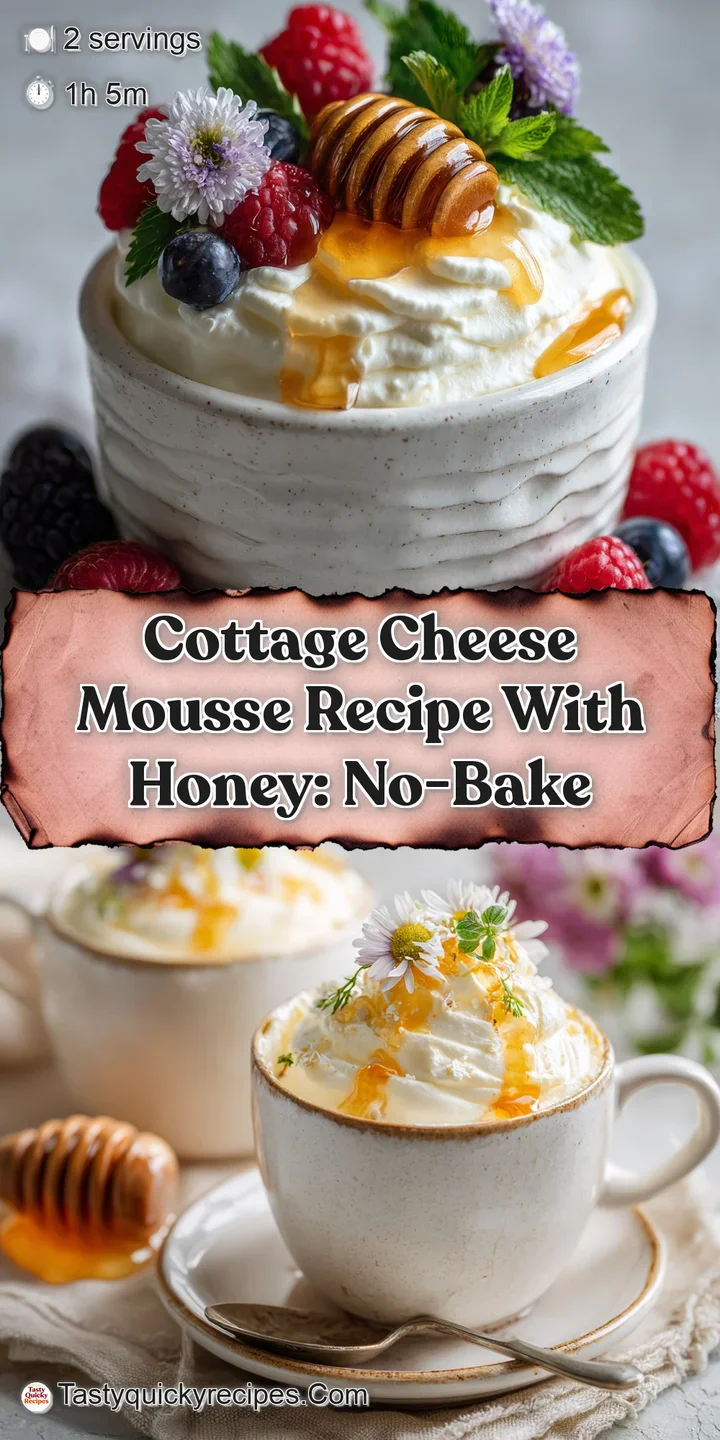
High in Sodium
848 mg mg of sodium per serving (37% % of daily value)
The American Heart Association recommends limiting sodium intake to about 2,300mg per day for most adults.
Tips to Reduce Sodium in Your Cottage Cheese Dessert
-
Low-Sodium Cottage Cheese-25%
Switch to a low-sodium cottage cheese. This single swap can significantly cut down the sodium, as regular cottage cheese is a major source.
-
Skip the Added Salt-15%
Eliminate the pinch of sea salt entirely. The cottage cheese already contains sodium, and the honey and vanilla provide plenty of flavor.
-
Rinse Cottage Cheese-10%
Rinsing the cottage cheese under water prior to serving can help to remove excess sodium. Gently rinse and drain to help reduce the amount of sodium.
-
Enhance Flavor Naturally
Experiment with sodium free flavor enhancers. Add more vanilla extract, a dash of cinnamon, or lemon zest for added flavor.
Recipe FAQs
What is the primary role of honey in this cottage cheese mousse?
To sweeten and enhance flavor. Honey provides a natural sweetness that complements the tang of the cottage cheese and adds a complex floral note, contributing to the overall dessert profile.
Can I use low-fat cottage cheese for this recipe?
No, stick with full fat (4%). low-fat versions lack the necessary fat content to create a stable, velvety texture, often resulting in a watery or unset mousse.
How long should I blend the ingredients for the perfect texture?
Blend on high for at least 90 seconds total. Start with about 60 seconds until smooth, then add another 30 seconds to incorporate air, ensuring a velvety, mousse like consistency and avoiding graininess.
My mousse is too runny. How can I fix it?
Fold in a small amount of protein powder or almond flour. This will help absorb excess moisture, similar to how binders work in other desserts. You can also try chilling it for longer.
How long does cottage cheese mousse last in the refrigerator?
Up to 3 days. Store it in an airtight container in the coldest part of your fridge to maintain its texture and flavor for the longest period.
Can I freeze cottage cheese mousse?
Yes, it can be frozen. For a treat, freeze in popsicle molds; if frozen in a bowl, let it thaw slightly before eating to regain its creamy texture.
What is the best way to add flavor variations to this base recipe?
Add flavorings directly to the blender with the base ingredients. For example, incorporate cocoa powder for chocolate, fruit purees for berry flavors, or nut butters for a richer profile, similar to how we might balance flavors in Creamy Beet Noodles.
Cottage Cheese Mousse With Honey
Ingredients:
Instructions:
Nutrition Facts:
| Calories | 316 kcal |
|---|---|
| Protein | 24.8 g |
| Fat | 9.7 g |
| Carbs | 33.5 g |
| Fiber | 0 g |
| Sugar | 31.8 g |
| Sodium | 848 mg |
