Buckeyes Recipe
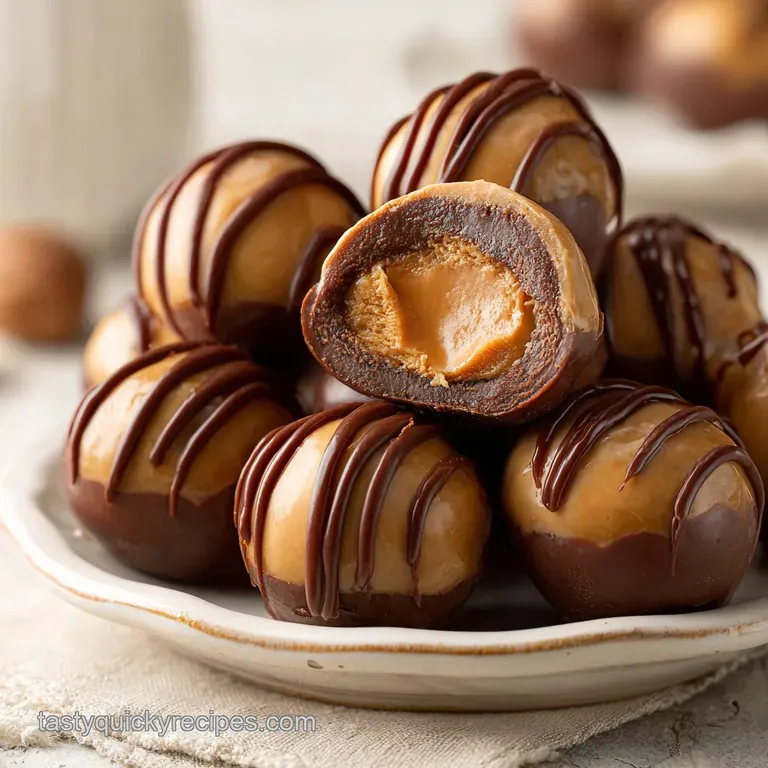
- Time: Active 30 minutes, Passive 40 minutes, Total 1 hour 10 mins
- Flavor/Texture Hook: Silky peanut butter with a dark mahogany snap
- Perfect for: Holiday gift tins and cozy winter gatherings
- Classic Ohio Style Homemade Buckeyes Recipe Guide
- The Science Behind Creamy Candy Centers
- Component Analysis for Optimal Texture
- Simple Pantry Staples for Chocolate Bliss
- Tools for a Seamless Dipping Process
- Walking Through the Dipping Method Safely
- Quick Fixes for Common Candy Mistakes
- Fun Variations for Your Peanut Butter
- The Myth of Room Temperature Dipping
- Best Practices for Chilled Candy Storage
- Displaying Your Treats With Festive Flair
- Common Questions for Perfect Buckeyes Results
- Recipe FAQs
- 📝 Recipe Card
Classic Ohio Style Homemade Buckeyes Recipe Guide
Listen, if there is one candy that defines my childhood winters, it's the buckeye. I remember standing on a stool, watching my grandmother sift mountains of sugar until the air smelled like a sweet cloud.
We've all had those versions that are basically just balls of sugar or, worse, so dry they crumble the moment you pick them up. I spent a whole December trying to figure out why mine weren't as silky as hers, and it turns out, I was rushing the chilling phase.
You want a candy that feels like a professional truffle but comes together in a bowl without turning on the oven for hours. This buckeyes recipe is about that specific balance of salty and sweet that makes it impossible to stop at just one.
We are aiming for a matte, golden center and a glossy, deep chocolate coating that doesn't melt the second your fingers touch it. It is pure, unadulterated nostalgia in a bite.
We are going to walk through this together so your kitchen doesn't end up covered in chocolate splatters. I have made every mistake possible, from using oily "natural" peanut butter that wouldn't set to burning the chocolate in a microwave.
Trust me, once you see how the refined coconut oil changes the way the chocolate behaves, you will never go back to plain melted chips. Let's get into the details of why this specific formula works so well.
The Science Behind Creamy Candy Centers
Lipid Stabilization: When we cream the softened butter and peanut butter together, we are creating a stable fat matrix that prevents the oils from separating during the chilling process. This ensures the candy remains smooth and cohesive rather than greasy.
Sugar Crystallization Control: Sifting the confectioners' sugar breaks up clumps and allows the tiny crystals to be evenly coated by the fats, resulting in a velvety mouthfeel instead of a gritty one.
Emulsification: Adding refined coconut oil to the semi sweet chocolate chips lowers the melting point slightly while increasing the gloss, creating a shell that shatters cleanly rather than bending.
Component Analysis for Optimal Texture
| Ingredient | Science Role | Pro Secret |
|---|---|---|
| Creamy Peanut Butter | Base Structure | Avoid "natural" brands; the stabilizer oils prevent the balls from sagging. |
| Unsalted Butter | Flavor Carrier | Use high fat European style butter for a richer, more luxurious mouthfeel. |
| Confectioners' Sugar | Structural Binder | Always sift twice to ensure the starch is aerated for a lighter bite. |
| Refined Coconut Oil | Viscosity Modifier | This creates a "magic shell" effect that sets faster and stays shinier. |
Before you start mixing, make sure your butter is truly softened at room temperature, not melted. If you melt the butter, the sugar will dissolve into a syrup rather than forming a moldable dough, and you'll end up with a sticky mess that won't hold its shape.
Simple Pantry Staples for Chocolate Bliss
For this recipe, we are keeping things focused on quality. You will need 1.5 cups creamy peanut butter and 0.5 cup unsalted butter, softened to the point where a finger leaves an easy indent. We'll also use 1 tsp pure vanilla extract and 0.25 tsp fine sea salt to cut through the richness.
The bulk of the structure comes from 3.25 cups confectioners' sugar, which must be sifted to avoid those annoying little white lumps. For the coating, grab 12 oz semi sweet chocolate chips and 1 tbsp refined coconut oil.
If you are out of something, check the table below for the best ways to pivot without ruining the texture.
| Original Ingredient | Substitute | Why It Works |
|---|---|---|
| Semi Sweet Chips | Dark Chocolate (60%) | Higher cocoa solids provide a less sweet, more intense flavor profile. |
| Refined Coconut Oil | Food grade Paraffin | Provides the same snap and shine. Note: Some find the texture slightly waxy. |
| Unsalted Butter | Salted Butter | Works well, just omit the additional sea salt in the recipe. |
If you are looking for a different kind of snack prep, you might find my Sourdough Hoagie Roll Recipe useful for your next lunch, but for now, let's stay focused on these sweets.
Tools for a Seamless Dipping Process
Having the right gear makes the difference between a relaxing afternoon and a kitchen disaster. You definitely want a stand mixer or a sturdy hand mixer because that peanut butter dough gets thick fast.
A fine mesh sifter is non negotiable for the sugar, and a small cookie scoop (about 1 tablespoon size) will keep your buckeyes uniform so they look professional.
For the chocolate, a double boiler is the safest bet, but if you don't have one, a heat proof glass bowl over a simmering pot of water works perfectly. You'll also need toothpicks for dipping and a parchment lined baking sheet to prevent sticking.
I've tried using wax paper, but parchment really is the gold standard here for an easy release.
| Method | Best For | Trade off |
|---|---|---|
| Stovetop (Double Boiler) | Consistent heat | Requires constant attention to prevent steam from entering the bowl. |
| Oven (Low & Slow) | Large batches | Risk of scorching if the oven has hot spots or if the door is opened. |
Using the oven for melting chocolate is a trick I learned when making huge holiday batches. Set it to 170°F and put your chocolate in a heavy cast iron pan. It melts incredibly slowly and stays at the perfect dipping temperature for a long time.
Walking Through the Dipping Method Safely
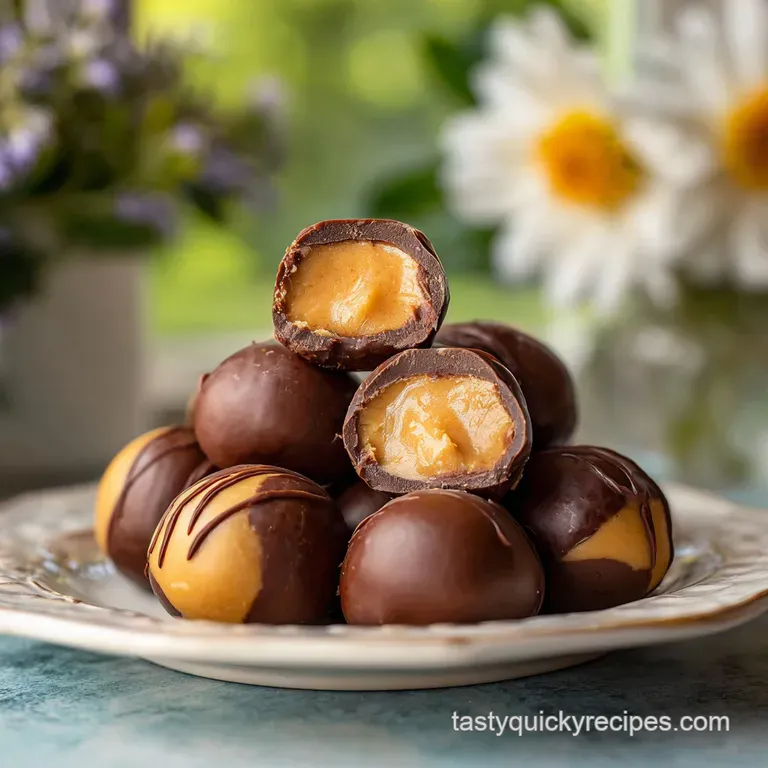
- Cream the fats. Place 1.5 cups creamy peanut butter and 0.5 cup unsalted butter in your mixer bowl. Beat for 3 minutes until the mixture is pale and light. Why this? Aerating the butter creates a fluffier center.
- Add aromatics. Mix in 1 tsp pure vanilla extract and 0.25 tsp fine sea salt. Note: Vanilla rounds out the harshness of the sugar.
- Incorporate sugar. Gradually add 3.25 cups sifted confectioners' sugar on low speed. Wait until the sugar is fully absorbed before adding more to prevent a dust cloud.
- Scoop the centers. Use a small scoop to portion the dough. Shape into smooth rounds by rolling them between your palms.
- Flash chill. Place the balls on a parchment lined sheet and freeze for 20 minutes. Chill until they are firm to the touch but not frozen solid.
- Prep the chocolate. Melt 12 oz semi sweet chocolate chips and 1 tbsp refined coconut oil together. Stir until the texture is silky and liquid.
- The mahogany dip. Insert a toothpick into a chilled ball and dip into the chocolate. Leave a small circle of peanut butter exposed at the top. Note: This creates the signature "eye" look.
- Set the coating. Place the dipped candy back on the parchment. Remove the toothpick and smudge the hole closed with your finger.
- Final garnish. While the chocolate is still slightly tacky, add a tiny pinch of sea salt to the top. Wait for the chocolate to lose its sheen before moving them.
- Set the batch. Refrigerate for 40 minutes until the shells are completely hardened.
For another decadent treat that pairs beautifully with these, you should try making an Eggnog recipe to serve alongside your candy platter. It really rounds out the holiday vibe.
Quick Fixes for Common Candy Mistakes
Why Your Buckeyes Are Dry and Crumbly
If your peanut butter mixture looks like sand rather than dough, you likely over measured the sugar or used a peanut butter that was too dry. This happens often with the "bottom of the jar" PB where the oils have migrated.
To fix this, add a teaspoon of melted butter at a time until the dough holds together when squeezed.
The Chocolate Keeps Sliding Off the Ball
This is the most frustrating part of the process! It usually means your peanut butter balls aren't cold enough or there is too much condensation on the surface. If they start sweating, the chocolate won't grip.
Pop them back in the freezer for 10 minutes and pat them dry with a paper towel before dipping.
| Problem | Root Cause | Solution |
|---|---|---|
| Lumpy coating | Overheated chocolate | Stir in a teaspoon of coconut oil to thin it out and smooth the texture. |
| Sticky centers | Too much butter | Add 1/4 cup extra sifted sugar to tighten the dough. |
| Dull chocolate | Moisture in bowl | Ensure all tools are bone dry; even a drop of water "seizes" chocolate. |
Chef's Note: Freeze your butter for 10 minutes before creaming if your kitchen is particularly warm. This helps the dough stay firm enough to roll without sticking to your hands.
Fun Variations for Your Peanut Butter
If you want a bit of a twist on the traditional recipe, you can easily adapt this base. Some people love a "buckeyes recipe with rice krispies" for an added crunch. Just fold in 1 cup of crisp rice cereal after the sugar is fully incorporated.
It changes the vibe to something more like a candy bar, which is honestly brilliant for bake sales.
For a healthy buckeyes recipe, you can swap the butter for a thick almond butter and use a keto friendly powdered sweetener. Be aware that the texture will be slightly more "chewy" and less "melt in-your mouth" than the original, but it satisfies the craving perfectly.
- For a Crunch: Add 1/2 cup of finely chopped toasted pecans to the dough.
- For a Dark Twist: Use 70% dark chocolate and top with a sprinkle of espresso powder.
- For the Kids: Use milk chocolate and add colorful sprinkles to the chocolate base before it sets.
If you enjoy making bite sized treats like this, you might also like my Strawberry Gelatin Gummy recipe for something fruity and fun.
The Myth of Room Temperature Dipping
Many people think you should dip the balls while they are at room temperature to prevent the chocolate from cracking. This is actually a myth. In reality, a cold center helps the chocolate set almost instantly, which prevents it from pooling at the bottom and creating "feet." The temperature shock is exactly what gives you that professional, clean finish.
Another common misconception is that you need a special dipping tool. While they are nice, a simple wooden toothpick is actually better because the hole it leaves is smaller and easier to repair. Plus, you probably already have toothpicks in your pantry!
Best Practices for Chilled Candy Storage
You should keep these in an airtight container in the refrigerator for up to 2 weeks. Because of the butter content, they can get a bit soft if left on the counter for more than a few hours. If you want to make these way in advance, they freeze beautifully for up to 3 months.
Just make sure to layer them with parchment paper so they don't fuse together into one giant chocolate peanut butter mass.
To use up leftovers, I love chopping up any "ugly" buckeyes and folding them into vanilla bean ice cream. You can also take any leftover dipping chocolate, spread it thin on parchment, and top it with crushed pretzels for a quick kitchen sink bark.
There is absolutely no reason to let a single scrap of this go to waste!
Displaying Your Treats With Festive Flair
When you are ready to serve, presentation is everything. I like to use the "color balance" strategy here. The deep mahogany of the chocolate, the golden ochre of the peanut butter "eye," and a sparkling white accent make these look irresistible.
For that third color, I usually use a tiny flake of Maldon sea salt or a very fine drizzle of white chocolate across the top.
- 1. Chilling
- Ensure the centers reach 40°F before dipping.
- 2. Chocolate
- Keep the coating between 88°F and 92°F for the best shine.
- 3. Sugar
- The final dough should weigh approximately 28 ounces total for a standard batch.
Arrange them on a white ceramic platter to let the dark chocolate pop. If you are gifting them, small cupcake liners prevent them from rolling around in the tin and keep the chocolate from scuffing.
Common Questions for Perfect Buckeyes Results
One thing people often ask is if they can use chunky peanut butter. You absolutely can! It makes for an old fashioned buckeyes recipe feel with more texture. However, you might need to roll them a bit more firmly to ensure the peanut pieces don't poke through the chocolate shell.
Another question is about the coconut oil does it make them taste like coconut? If you use "refined" coconut oil, there is zero coconut flavor. If you use "unrefined" or "extra virgin," you will definitely taste a tropical note.
I personally prefer the refined version so the peanut butter stays the star of the show.
If you find yourself with extra time during the holidays, these pair surprisingly well with a savory spread including my Blackeyed Peas recipe. It provides a nice earthy balance to all the sugar you'll be consuming! Enjoy your dipping, and don't worry if the first few aren't "perfect" they'll still taste amazing.
Recipe FAQs
What are the ingredients for buckeyes?
Creamy peanut butter, unsalted butter, confectioners' sugar, vanilla extract, sea salt, semi sweet chocolate chips, and refined coconut oil are the core ingredients.
You'll need about 1.5 cups peanut butter, 0.5 cup butter, 3.25 cups powdered sugar, 1 tsp vanilla, 0.25 tsp salt, 12 oz chocolate chips, and 1 tbsp coconut oil.
What are common buckeye recipe mistakes?
Using "natural" peanut butter, not chilling the centers enough, and overheating the chocolate are common mistakes. Natural peanut butter can cause the centers to be too soft, insufficient chilling leads to chocolate sliding off, and overheated chocolate becomes dull or seize.
What is the best chocolate to use for buckeyes?
Semi sweet chocolate chips are ideal, especially when combined with refined coconut oil for the coating. This combination melts smoothly, provides a good snap, and maintains a nice sheen. You can also use 70% dark chocolate for a more intense flavor.
What do you do with buckeyes?
Buckeyes are enjoyed as a sweet, no-bake confection, often served during holidays and gatherings. They are perfect for gift tins or as a delightful treat alongside coffee or tea. They can also be a fun addition to dessert platters, offering a unique salty sweet peanut butter and chocolate experience.
Can I use chunky peanut butter in buckeyes?
Yes, you can use chunky peanut butter for a more textured experience. Just be aware that you might need to roll the dough slightly firmer to ensure the peanut chunks don't create holes in the chocolate coating.
Why are my buckeye centers dry and crumbly?
This typically happens from using too much confectioners' sugar or a peanut butter that is too dry. If your dough is sandy, try mixing in melted butter a teaspoon at a time until it comes together. This technique is similar to how fat ratios affect texture in other baked goods.
Should I use a double boiler for melting chocolate?
No, a double boiler is not strictly necessary; a microwave at 50% power works well. Melt the chocolate chips and refined coconut oil in short 20-second intervals, stirring between each, until smooth. This method is faster and just as effective at preventing scorching if done carefully.
Buckeyes Recipe
Ingredients:
Instructions:
Nutrition Facts:
| Calories | 176 kcal |
|---|---|
| Protein | 3.0 g |
| Fat | 11.0 g |
| Carbs | 19.3 g |
| Fiber | 0.6 g |
| Sugar | 17.5 g |
| Sodium | 23 mg |
