Quick Brown Gravy Recipe
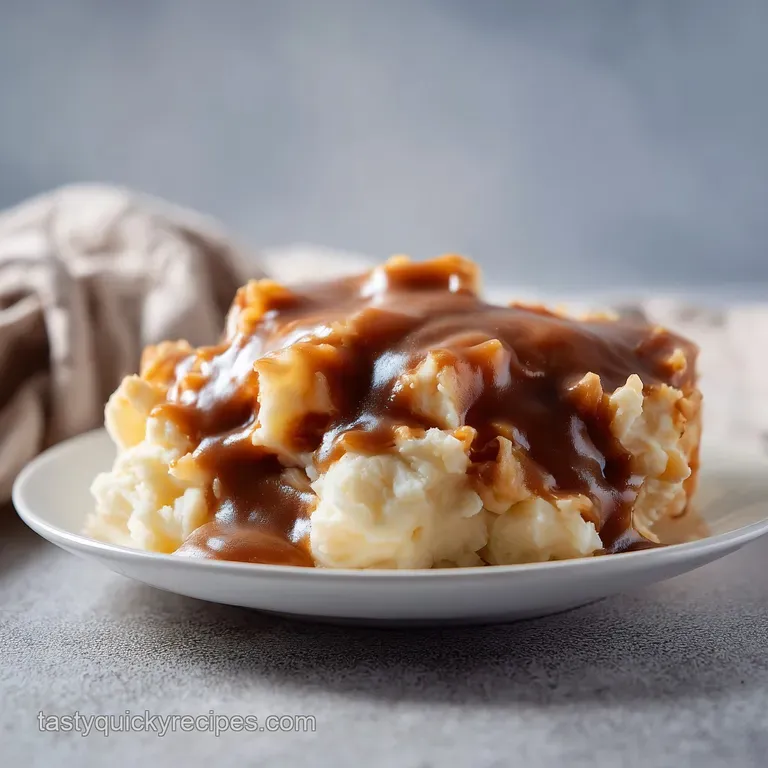
- Time: Active 2 mins, Passive 8 mins, Total 10 mins
- Flavor/Texture Hook: Velvety smooth with a deep, peppery umami finish
- Perfect for: Quick midday fuel, topping mashed potatoes, or dressing up leftovers
- The Science of a Silky Smooth Roux
- Essential Timeline for Your Midday Meal
- Simple Pantry Staples for Maximum Umami
- Minimal Tools for a Faster Cleanup
- Step by Step to Velvet Texture
- Fixing Lumps and Improving Thin Sauce
- Swaps for Every Dietary Need
- The "Healthier Version" Competitive Angle
- Keeping It Fresh
- Hearty Pairings to Keep You Energized
- Brown Gravy Recipe FAQs
- 📝 Recipe Card
The Science of a Silky Smooth Roux
To understand why this brown gravy recipe works so well, we have to look at the chemistry of the "Roux." When you whisk flour into melted butter, you're essentially coating every single starch granule in fat.
This prevents the flour from clumping together the second it hits the liquid, which is the secret to avoiding those dreaded "flour bombs" in your sauce.
Starch Gelatinization: As the beef stock heats up, the starch molecules in the flour swell and burst, creating a thick, stable network that traps the liquid.
The Maillard Reaction: Toasting the butter and flour together for two minutes creates new flavor compounds that add a nutty, savory depth you can't get from raw flour.
| Cooking Method | Active Time | Texture Outcome | Best For |
|---|---|---|---|
| Stovetop Whisk | 8 minutes | Velvety and glossy | Maximum control and flavor |
| Microwave | 5 minutes | Thin and erratic | Emergency fuel only |
| Slow Cooker | 4 hours | Thick but flat | Set and forget meals |
If you're looking for a hearty side to go with this, it pairs beautifully with my Homemade Corn Casserole Recipe. The sweetness of the corn balances the salty umami of the gravy perfectly. I usually whip both up together when I need a meal that really sticks to my ribs.
Essential Timeline for Your Midday Meal
This isn't a complex project; it's a 10 minute sprint. Because we're using a Beef Gravy Recipe base, you need to stay focused during the whisking phase. If you walk away to check your emails, that roux can go from "nutty" to "burnt" in about thirty seconds. I’ve made that mistake more times than I care to admit, and trust me, there's no saving a burnt roux.
| Component | Science Role | Pro Secret |
|---|---|---|
| Unsalted Butter | Fat Medium | Use high-quality butter for a silkier mouthfeel |
| All Purpose Flour | Thickening Agent | Toast until it smells like popcorn for better flavor |
| Beef Bone Broth | Liquid Base | Use room temp broth to prevent the fat from seizing |
| Worcestershire | Umami Booster | Adds acid to cut through the richness of the butter |
A quick tip for the busy cook: always measure your spices before you turn on the stove. When the butter is bubbling, you don't want to be fumbling with a garlic powder lid. Keeping everything within arm's reach is the difference between a relaxing cook and a kitchen disaster.
Simple Pantry Staples for Maximum Umami
The beauty of this brown gravy recipe lies in how it turns basic ingredients into something sophisticated. You likely have most of these in your cupboard right now.
- 4 tbsp unsalted butter: Provides the fat base. Why this? Using unsalted lets you control the final seasoning perfectly.
- Substitute: Beef drippings for a more traditional, intense meat flavor.
- 1/4 cup all purpose flour: The structural backbone. Why this? AP flour has the right protein content for a stable sauce.
- Substitute: Cornstarch (use half the amount), but it will be glossier and less nutty.
- 2 cups low sodium beef stock: The flavor carrier. Why this? Bone broth adds more gelatin, leading to a richer texture.
- Substitute: Vegetable stock for a lighter, though less hearty, version.
- 1 tsp Worcestershire sauce: The "secret" ingredient. Why this? It provides fermented depth and a hint of tang.
- Substitute: Soy sauce, which adds salt and a similar dark color.
- Spices (Onion/Garlic/Salt/Pepper): The flavor finishers. Why this? Powders dissolve instantly without changing the smooth texture.
Chef's Tip: Freeze your butter for 10 minutes before starting. Grating it into the pan allows it to melt instantly and evenly, preventing any hot spots that might scorch the flour.
Minimal Tools for a Faster Cleanup
We are keeping this lean. You don't need a stand mixer or a blender. For this brown gravy recipe, a simple heavy bottomed saucepan is your best friend. A cast iron skillet also works brilliantly because it holds heat so consistently, which helps in getting that flour toasted quickly.
You'll also need a sturdy balloon whisk. Don't try to use a fork; it won't incorporate the flour well enough, and you'll end up with lumps. If you’re worried about scratching your pans, a silicone coated whisk is a great investment.
Aside from that, a measuring cup and a set of spoons are all that stand between you and a satisfying meal.
step-by-step to Velvet Texture
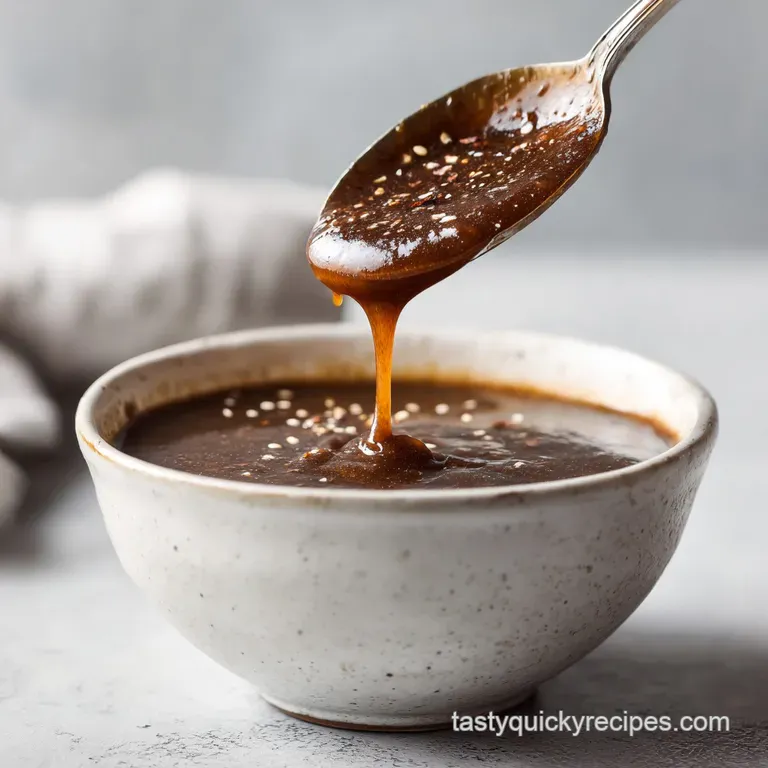
- Melt the butter. Place your 4 tbsp of unsalted butter in a small saucepan over medium heat. Wait for the sizzle to subside before moving to the next step.
- Whisk in flour. Add your 1/4 cup of all purpose flour all at once. Note: This creates your roux.
- Toast the mixture. Cook for 2 minutes while whisking constantly until the color turns a pale golden brown and smells nutty.
- Add stock slowly. Pour in about 1/2 cup of the beef stock first. Whisk vigorously until a thick paste forms with no visible lumps.
- Incorporate remaining liquid. Slowly stream in the rest of the 2 cups of stock while continuing to whisk.
- Season the pot. Stir in the 1 tsp Worcestershire sauce, 1/2 tsp onion powder, 1/4 tsp garlic powder, 1/4 tsp sea salt, and 1/8 tsp black pepper.
- Simmer to thicken. Let the mixture bubble gently for 3 to 5 minutes until it coats the back of a spoon.
- Final taste check. Dip a clean spoon in and adjust the salt or pepper if needed.
### For a Deep Mahogany Color
If you want that dark, rich look often found in Southern cooking, keep whisking your roux for an extra 2 or 3 minutes. It will move from golden to a "peanut butter" color. Just be careful once it hits that dark stage, it can burn in a heartbeat.
### For a Silkier Finish
For a truly professional texture, pour the finished gravy through a fine mesh strainer into your serving bowl. This catches any tiny bits of scorched flour or undissolved spices, leaving you with a liquid that is pure velvet.
Fixing Lumps and Improving Thin Sauce
Even the best cooks have "off" days where the gravy doesn't behave. Usually, it's a temperature issue. If your stock is ice cold and your roux is piping hot, the thermal shock can cause clumping.
### Help, My Gravy is Lumpy!
If you see lumps forming, don't panic. The fastest fix is a quick trip to the blender. Just be careful blending hot liquids only fill it halfway and hold the lid down with a towel. Alternatively, keep whisking over low heat; sometimes the starch just needs a little more time and friction to break down.
| Problem | Root Cause | Solution |
|---|---|---|
| Lumpy Texture | Adding liquid too fast | Whisk vigorously or use an immersion blender |
| Too Thin | Not simmered long enough | Continue simmering for 2 more minutes to reduce |
| Too Salty | Stock was high sodium | Add a splash of heavy cream or a pinch of sugar |
Common Mistakes Checklist
- ✓ Whisking too slowly: This allows the flour to settle and scorch on the bottom.
- ✓ Using high heat: Medium heat is the "sweet spot" for starch gelatinization without burning.
- ✓ Skipping the toast: Raw flour tastes like paste; you need those 2 minutes of toasting.
- ✓ Not resting: Let the gravy sit for 1 minute off the heat to fully set its texture.
Swaps for Every Dietary Need
Scaling this brown gravy recipe is straightforward, but remember that liquid evaporates differently in larger pans.
- To Scale Down (1/2 batch): Use a very small butter melter or saucepan. Reduce the simmer time by about 2 minutes so it doesn't turn into a thick glue.
- To Scale Up (2x batch): Use a wide skillet. A wider surface area helps the liquid reduce faster, but you'll need to whisk more surface area to keep it smooth. Keep the spices at 1.5x initially, then taste and add more; salt can become overwhelming quickly in large batches.
| Original Ingredient | Substitute | Why It Works |
|---|---|---|
| Butter (4 tbsp) | Beef Tallow (4 tbsp) | Provides a much deeper, meatier flavor profile |
| All Purpose Flour | Cornstarch (2 tbsp) | gluten-free. Note: Result will be more translucent and glossy |
| Beef Stock | Mushroom Broth | Keeps the earthy umami while being vegetarian friendly |
For more ideas on how to build a meal around this, check out this guide on How to Make recipe variations. It covers some of the more regional styles I've experimented with over the years.
The "Healthier Version" Competitive Angle
If you're watching your fat intake but still want that satisfying midday fuel, you can swap the butter for a high-quality olive oil. You won't get the same dairy rich flavor, but the Maillard reaction still happens with the flour, giving you a savory sauce that is lower in saturated fats.
Keeping It Fresh
Storing this is easy. Put any leftovers in an airtight glass container in the fridge for up to 4 days. It will thicken significantly as it cools this is normal! It might even look like jelly.
When you're ready for another midday boost, just pop it in a small pan with a splash of water or extra broth to loosen it up.
You can also freeze this for up to 3 months. I like to freeze mine in silicone ice cube trays. Once frozen, pop the "gravy cubes" into a freezer bag. Then, if you just need a little bit for a sandwich or a single serving of potatoes, you can just melt two or three cubes in the microwave.
It's a great zero waste hack for those leftover bits of stock.
Hearty Pairings to Keep You Energized
This brown gravy recipe isn't just for a traditional roast. It’s a workhorse for the busy home cook. I love drizzling it over a quick bowl of white rice with some sautéed mushrooms for a fast, filling lunch. It also turns a simple rotisserie chicken into a "Sunday style" feast in minutes.
Another great trick is using it as a base for a "poor man's poutine." Toss some frozen French fries in the air fryer, top them with a little cheese, and smother them in this hot gravy. It’s the ultimate comfort food when you need a little extra energy to get through a long afternoon.
Don't let the simplicity fool you; once you've mastered the roux, you'll never go back to the jarred stuff again. Right then, time to eat!

Brown Gravy Recipe FAQs
What is the 3 2 1 rule for gravy?
No, this rule does not strictly apply to flour thickened brown gravy. The 3-2-1 rule often refers to a slow cooker meat rub ratio or specific sauce cooling times; for gravy, focus on the roux ratio typically 1 part fat to 1 part flour by volume.
What is brown gravy made of?
It is fundamentally made from a brown roux, stock, and seasonings. A traditional brown gravy starts by cooking flour in fat (like butter or drippings) until nutty, then whisking in beef or chicken stock until thickened, often enhanced with Worcestershire sauce for depth.
What can I use if I don't have brown gravy mix?
You can easily make it from scratch using flour, fat, and broth. This method gives you better control over salt and flavor; just toast your flour in melted butter until it reaches a peanut butter color before adding liquid, similar to how we build flavor in our Chicken Spaghetti Recipe.
What is the secret to a rich brown gravy?
The secret is deeply toasting the roux and using high-quality, gelatinous stock. Cooking the flour and fat until it is a dark nut-brown (past the standard pale blonde) unlocks deep, savory Maillard flavors that mimic long simmered pan drippings.
How do I stop my homemade brown gravy from having a raw flour taste?
Toast the flour and butter mixture (the roux) for at least two full minutes. You must continue whisking until the raw flour smell dissipates and it smells distinctly nutty or like popcorn before adding any liquid.
Can I use cornstarch instead of flour for thickening brown gravy?
Yes, but the texture and flavor profile will change. Use half the amount of cornstarch as flour, and mix it with cold water first to create a slurry before adding it to your simmering liquid; this results in a shinier, more translucent sauce than a classic flour roux offers.
Why did my gravy seize up and become lumpy after cooling?
This is normal as the starches firm up upon cooling. To revive it, reheat slowly over low heat, incorporating small splashes of liquid (water or broth) while whisking constantly until the desired consistency returns.
10 Minute Brown Gravy Recipe
Ingredients:
Instructions:
Nutrition Facts:
| Calories | 72 kcal |
|---|---|
| Protein | 0.9 g |
| Fat | 5.8 g |
| Carbs | 4.1 g |
| Fiber | 0.1 g |
| Sugar | 0.4 g |
| Sodium | 145 mg |
