10 Delicious Black Eyed Peas Recipes: Pot Likker Perfection
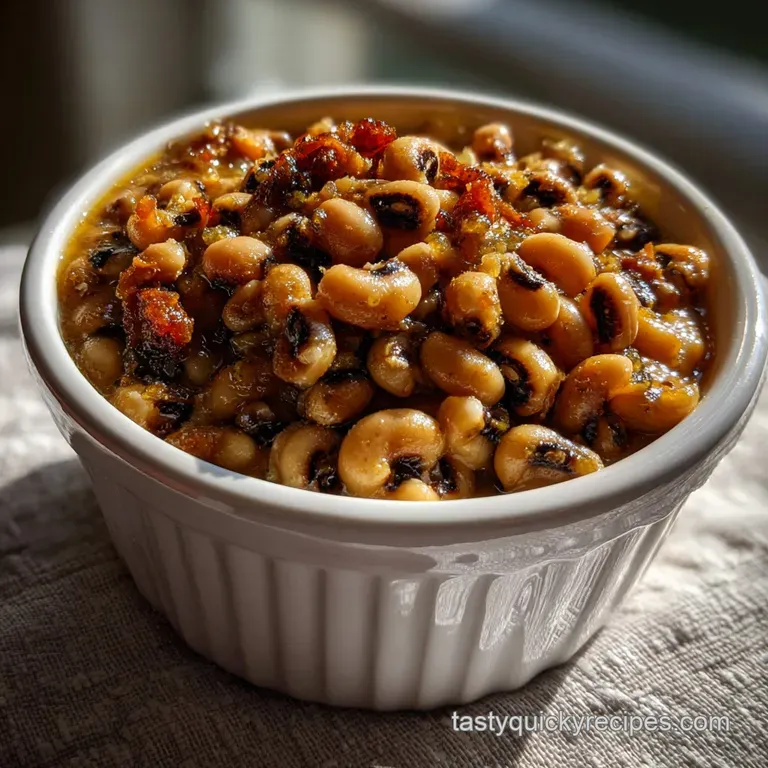
- Effort/Time: Intermediate / 1 hour 45 minutes
- Flavor Hook: Smoky, mahogany-rich "pot likker" with a cayenne-thyme kick.
- Perfect for: Low and slow Sunday suppers or high-protein meal-prep.
- Discovering the Perfect Textural Balance in 10 Delicious Black Eyed Peas Recipes
- The Molecular Synergy of Smoke, Fat, and Legume Starch
- Precision Engineering: Data for 10 Delicious Black Eyed Peas Recipes
- The Alchemy of Umami: Selecting Your Elements
- Essential Tools for Flavor Extraction and Heat Distribution
- Master Execution Protocol for 10 Delicious Black Eyed Peas Recipes
- Managing Textural Failures and Flavor Gaps
- ⚗️ The Scaling Lab: The Physics of Quantity
- Debunking the Myths of Legume Cookery
- Thermal Stability and Zero Waste Philosophy
- The Art of Plating and Texture Contrast
- Recipe FAQs
- 📝 Recipe Card
The Diamond Hook
There is nothing more demoralizing than spending two hours over a steaming pot only to serve legumes that have the texture of gravel. I’ve been there standing over a stove on New Year’s Day, watching guests politely push "bullets" around their plates while the ham hock sat mocks me with its unrendered fat.
It wasn't just a waste of a $15 hock; it was the loss of that soul warming promise that a batch of 10 Delicious Black Eyed Peas Recipes is supposed to deliver.
I destroyed at least five batches of dried beans before I stopped blaming the beans and started looking at the chemistry. I used to think a harder boil meant faster softening, but physics proved me wrong.
High velocity boiling actually toughens the outer skin while the interior remains starchy, leading to a structural collapse that looks like mush but feels like sand. It’s a frustrating paradox that turns a budget friendly staple into a kitchen nightmare.
The scientific revelation came when I stopped treating water as just a medium and started seeing it as a solvent. The secret to a velvety, shattering tender bean isn't more time; it’s managing osmotic pressure and collagen extraction.
By rendering the bacon fat first and then simmering the peas in a collagen rich environment provided by the ham hock, we create a viscous, mahogany colored liquor that coats every bite. This is how you achieve that signature creamy mouthfeel without adding a drop of heavy cream.
Discovering the Perfect Textural Balance in 10 Delicious Black Eyed Peas Recipes
When we talk about 10 Delicious Black Eyed Peas Recipes, we are really talking about the architecture of a "pot likker." This isn't just a side dish; it’s a study in liquid reduction and flavor concentration.
The goal is to move beyond the watery, thin broths of cafeteria style beans and move toward a rich, emulsified sauce that clings to the legumes. This transition happens through the slow breakdown of starches that leach into the chicken stock, combined with the rendered fats from our smoked meats.
The flavor profile here is a calculated balance of smoke, heat, and earthiness. By using a smoked ham hock, we aren't just adding meat; we are adding a flavor bomb of phenols and guaiacol (the compounds responsible for "smoky" notes).
When these interact with the earthy, nutty base of the peas and the pungent "holy trinity" of onion, celery, and bell pepper, the result is a complex umami profile that satisfies the deepest cravings for comfort food.
Building a repertoire of 10 Delicious Black Eyed Peas Recipes requires understanding that the bean is a blank canvas. While this specific recipe focuses on the smoky Southern tradition, the techniques used soaking for hydration, sautéing aromatics for the Maillard reaction, and the slow simmer for texture are the foundational pillars for any variation you might create.
Whether you're aiming for a spicy Cajun kick or a bright, herb forward finish, these principles remain your north star.
The Molecular Synergy of Smoke, Fat, and Legume Starch
- Collagen Hydrolysis: The smoked ham hock breaks down over 90 minutes, releasing gelatin that creates a silky, lip-smacking mouthfeel in the broth.
- Osmotic Equilibrium: Sorter and rinsed dried peas absorb the chicken stock slowly, ensuring the interior starch granules gelatinize without the skin rupturing.
- Maillard Aromatics: Sautéing the diced bacon and "holy trinity" at 300°F (150°C) creates complex flavor compounds that water based simmering alone cannot achieve.
- Capsaicin Diffusion: The cayenne pepper and smoked paprika dissolve in the bacon fat (lipids), distributing heat evenly across the tongue rather than in sharp, watery spikes.
Precision Engineering: Data for 10 Delicious Black Eyed Peas Recipes
| Metric | Specification |
|---|---|
| Yield | 8 Hearty Servings |
| Prep Time | 15 minutes |
| Cook Time | 1 hour 30 mins |
| Total Time | 1 hour 45 mins |
| Optimal Temp | 195°F (90°C) - Gentle Simmer |
The Alchemy of Umami: Selecting Your Elements
Selecting the right components is the difference between a mediocre meal and a masterclass in 10 Delicious Black Eyed Peas Recipes. I always reach for Diamond Crystal Kosher Salt because its hollow flakes dissolve instantly and offer better control over seasoning.
For the base, a Lodge 6 Quart Enameled Cast Iron Dutch Oven is non-negotiable; its thermal mass ensures that once you hit a simmer, the temperature remains rock steady, preventing the beans from agitated breaking.
- 1 lb dried black eyed peas: Sorted and rinsed. Why this? Dried beans offer superior texture and "pot likker" thickness compared to canned.
- 1 large smoked ham hock: The primary source of gelatin and smoke.
- 4 slices Smithfield Thick Cut Bacon: Diced. Why this? Higher fat-to-meat ratio provides the necessary lipids for sautéing aromatics.
- 1 medium yellow onion: Finely diced for even melting into the sauce.
- 2 stalks celery: Diced.
- 1 green bell pepper: Diced.
- 4 cloves garlic: Minced.
- 6 cups Swanson Chicken Stock: The liquid foundation.
- 1 tsp smoked paprika: For depth and color.
- 1/2 tsp dried thyme: Woody aromatic notes.
- 1/4 tsp cayenne pepper: Gentle back-of-the-throat heat.
- 2 bay leaves: Provides a subtle floral bridge between the fat and the earthiness.
- 1/2 tsp Diamond Crystal Kosher Salt: Adjust only at the end.
- 1/2 tsp black pepper: Freshly cracked for volatile oil brightness.
| Original Ingredient | Substitute | Why It Works |
|---|---|---|
| Smoked Ham Hock | Smoked Turkey Wing | Provides similar smoke and collagen but with a leaner profile. |
| Chicken Stock | Vegetable Stock + 1 tsp Soy Sauce | Maintains liquid volume while the soy sauce adds the missing umami. |
| Bacon | Smoked Paprika + Olive Oil | Replicates the smoky fat, though misses the textural bits of meat. |
Essential Tools for Flavor Extraction and Heat Distribution
To execute these 10 Delicious Black Eyed Peas Recipes properly, you need tools that manage heat effectively. A thin bottomed pot will create "hot spots," scorching the starches that settle at the bottom.
- Lodge 6 Quart Enameled Cast Iron Dutch Oven: Essential for maintaining a consistent simmer and preventing evaporation.
- Fine Mesh Sieve: For rinsing and sorting the peas to ensure no debris or stones enter the pot.
- Wooden Spoon or Silicone Spatula: For scraping the "fond" (browned bits) off the bottom of the pot after sautéing.
- Digital Instant Read Thermometer: To ensure the liquid stays just below a boil (around 195°F).
Master Execution Protocol for 10 Delicious Black Eyed Peas Recipes
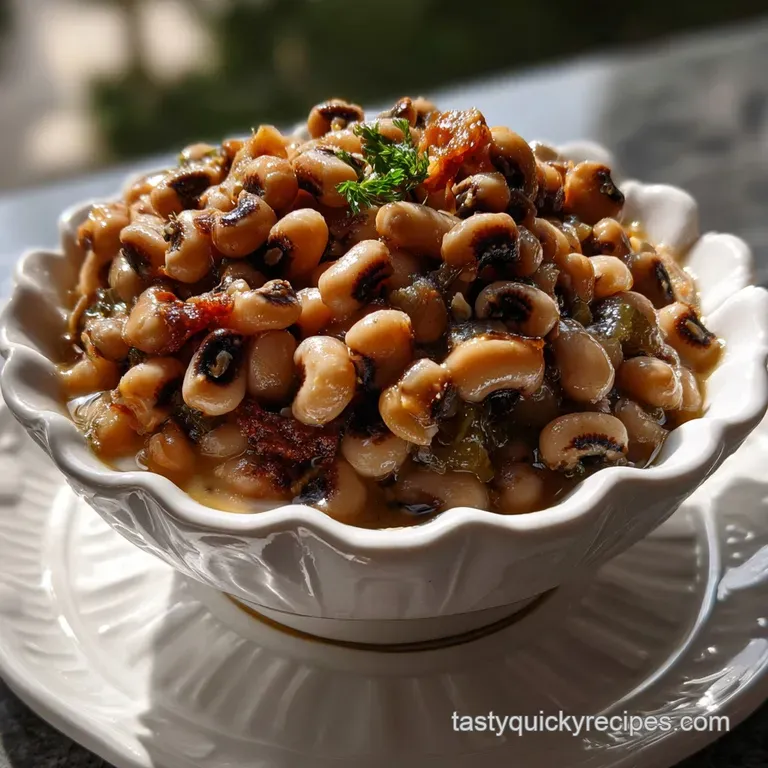
- Sort the 1 lb dried black eyed peas. Note: Remove any stones or shriveled peas that won't hydrate.
- Rinse the peas under cold water until the water runs clear.
- Render the 4 diced bacon slices in your Lodge Dutch oven over medium heat for 8 minutes until fat is translucent and edges start to crisp.
- Sauté the diced onion, celery, and bell pepper in the bacon fat for 6 minutes until the onion edges are pale golden and the smell shifts from pungent to sweet.
- Add the 4 minced garlic cloves and cook for 1 minute until fragrant but not browned.
- Deglaze by pouring in 1 cup of the chicken stock, scraping the bottom with a wooden spoon until all browned bits are incorporated.
- Introduce the remaining 5 cups chicken stock, smoked ham hock, smoked paprika, thyme, cayenne, and bay leaves.
- Stir in the rinsed black eyed peas and bring to a boil.
- Reduce heat to low and simmer, partially covered, for 1 hour 15 mins until peas are tender but still hold their shape.
- Remove the ham hock, shred the meat (discarding bone/fat), and return the meat to the pot.
- Season with salt and black pepper until the flavors pop and the "pot likker" tastes balanced.
Chef's Tip: If you want a creamier broth, use the back of your spoon to mash about 1/2 cup of the peas against the side of the pot during the last 10 minutes of cooking. This releases extra starch for a velvety finish.
Managing Textural Failures and Flavor Gaps
Why Your Peas Stay Crunchy
If your 10 Delicious Black Eyed Peas Recipes result in hard beans even after 90 minutes, you are likely dealing with "old beans" or "hard water." Older legumes lose their ability to absorb moisture because their cell walls have become overly lignified.
On top of that,, high calcium levels in hard water can bind to the pectin in the bean skins, preventing them from softening.
| Problem | Root Cause | The Fix | Pro Protocol |
|---|---|---|---|
| Crunchy Beans | Hard water or old crop | Add 1/8 tsp baking soda | Soda increases pH, helping to break down pectin faster. |
| Thin Broth | Insufficient starch release | Mash 10% of the peas | Creates an instant emulsion with the cooking fats. |
| Bland Flavor | Premature salting | Season at the very end | Salt can toughen skins if added too early; adjust after the simmer. |
⚗️ The Scaling Lab: The Physics of Quantity
When doubling this recipe for a crowd, do not simply double everything. Physics dictates that the larger the volume, the more heat is retained and the less liquid evaporates.
- The Evaporation Paradox: If you use two pounds of peas and 12 cups of stock in a standard pot, the surface area doesn't change much, but the volume does. Reduce the added liquid by 15% (use roughly 10 cups instead of 12) to ensure the broth doesn't turn out watery.
- Thermal Mass & Carry Over: A double batch in a single pot holds massive amounts of energy. Pull the peas off the heat 5 10 minutes earlier than a single batch, as they will continue to soften in the residual heat for much longer.
- Spices: Do not double the cayenne or salt initially. Scale spices to 1.5x and taste at the end. Capsaicin can become overwhelming when the liquid-to-solid ratio shifts in larger pots.
Debunking the Myths of Legume Cookery
Myth: You must soak black eyed peas overnight. Truth: Unlike kidney beans, black eyed peas have relatively thin skins. A 90 minute simmer from dry is sufficient for perfect hydration, and forgoing the soak often results in a deeper, more flavorful "pot likker" as no starch is lost to the soaking water.
Myth: Adding salt at the beginning makes beans tough. Truth: While excessive salt can slow the process, a small amount actually aids in softening the skins through ion exchange.
However, to be safe, always wait until the final 15 minutes to do your final seasoning for 10 Delicious Black Eyed Peas Recipes.
Thermal Stability and Zero Waste Philosophy
- Storage
- These peas are actually better the next day. The starches continue to thicken the liquid as it cools. Store in an airtight container in the fridge for up to 5 days.
- Freezing
- 10 Delicious Black Eyed Peas Recipes freeze beautifully. Use heavy duty freezer bags and remove all air. They stay peak quality for 3 months.
- Reheating
- Reheat on the stove over low heat. You may need to add a splash of water or stock to loosen the gelatinized broth.
💡 ZERO WASTE: Don't discard the ham hock bone after shredding the meat. Transform: Toss it into your next batch of Chipotle in Adobo recipe for a background hit of smokiness. Science: Even after simmering, the marrow and remaining connective tissue contain deep umami stores.
The Art of Plating and Texture Contrast
Serving these 10 Delicious Black Eyed Peas Recipes is all about contrast. The beans are soft, smoky, and rich, so they require something bright and crunchy to cut through the fat. A side of vinegar based slaw or a piece of crusty cornbread is the classic move. If you are looking for a more modern pairing, this Blackeyed Peas recipe works perfectly atop a bed of fluffy white rice.
For a different textural experience, try the Creamy Southern Black recipe which leans into a more emulsified, dairy influenced finish. Regardless of how you serve it, remember that the "pot likker" is the most valuable part of the dish never let it go to waste. It’s the liquid gold of the Southern kitchen, packed with all the vitamins and minerals that leached out during the long simmer.
Whether you're making these for a holiday tradition or just a Tuesday night meal, focusing on the science of the simmer ensures your 10 Delicious Black Eyed Peas Recipes are never "bullets," but rather the velvety comfort they were meant to be.
Trust the process, watch your heat, and don't be afraid to let that ham hock do the heavy lifting.
Recipe FAQs
What is the quickest way to tenderize dried black eyed peas?
Simmer gently just below boiling point. Excessive high heat actually toughens the skins while the interior cooks unevenly. This mild temperature allows steady hydration and collagen breakdown.
Can I substitute smoked turkey wings for the ham hock?
Yes, turkey wings offer smoke and collagen. They substitute well but provide less inherent fat than pork, so ensure you render enough bacon to cover the lipid requirement for your aromatics.
Why are my cooked peas grainy or sandy in texture?
Hard water high in minerals prevents adequate pectin softening. Calcium ions in the water react with the pectin in the bean skins, essentially creating a structural lock that resists heat penetration.
- Use distilled or filtered water
- Add 1/8 tsp baking soda cautiously
- Do not add salt until the final 15 minutes
Should I use canned peas instead of dried for speed?
Dried peas yield superior "pot likker" thickness. Canned legumes have already absorbed water and lack the necessary starch matrix to create the rich, viscous broth characteristic of great black eyed peas.
Is soaking the peas for 8 hours truly necessary?
No, an extended soak is optional for this recipe. Because the peas are simmered slowly with meat stock, they hydrate fully during the 90-minute cooking time, often resulting in better flavor infusion.
What is the primary function of sautéing the mirepoix before adding liquid?
Sautéing develops foundational flavor via the Maillard reaction. Browning the vegetables releases volatile aromatic compounds that cannot be achieved through simple boiling, adding depth missing in watery preparations.
Is it better to use smoked bacon or smoked paprika for the smoky flavor?
Bacon provides fat-soluble smoke flavor, paprika adds surface color. Bacon dissolves flavorful lipids into the cooking fat, whereas paprika's flavor compounds are mostly water soluble, making both essential for layered taste.
Velvety Black Eyed Peas Masterclass
Ingredients:
Instructions:
Nutrition Facts:
| Calories | 294 calories |
|---|---|
| Protein | 19.4 g |
| Fat | 6.9 g |
| Carbs | 39 g |
| Fiber | 6.2 g |
| Sugar | 3.1 g |
| Sodium | 890 mg |
