Valentines Food Idea with Heart Shaped Pasta
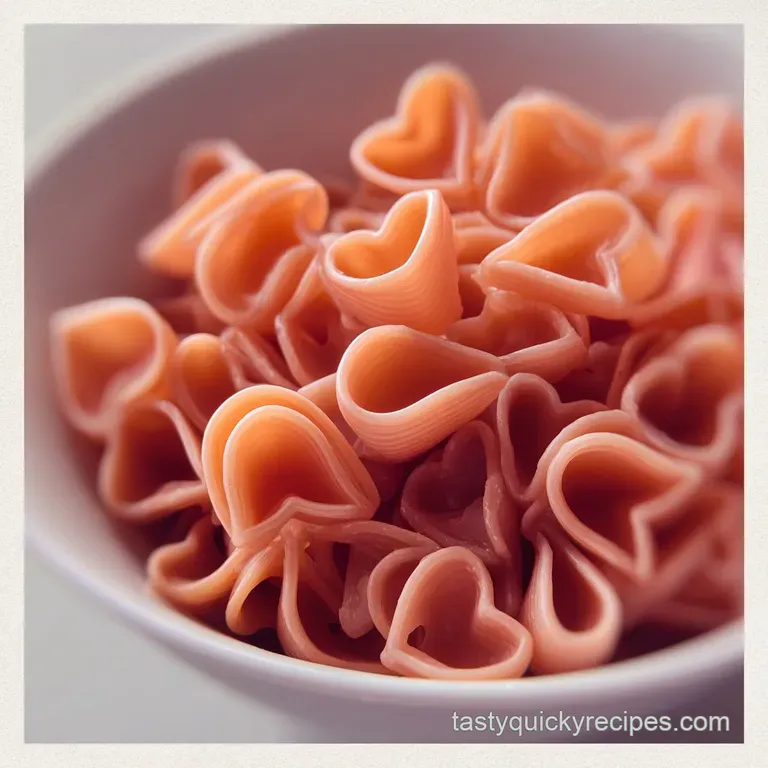
- Time: Active 10 minutes, Passive 15 minutes, Total 25 minutes
- Flavor/Texture Hook: Velvety garlic cream with toothsome, al dente pasta hearts
- Perfect for: A stress free weeknight date or a festive Galentine's dinner
- Smarter Techniques for Shaped Pasta
- Essential Specs for Success
- Sourcing Quality Base Ingredients
- Minimal Tools for Effortless Cooking
- The Step-by-Step Cooking Method
- Troubleshooting Common Kitchen Issues
- Customizing Your Romantic Meal
- Handling Leftovers and Reducing Waste
- Perfect Sides and Pairings
- Debunking Common Kitchen Myths
- Answers to Common Questions
- Recipe FAQs
- 📝 Recipe Card
Honestly, there is something so satisfying about the hiss of a boiling pot when you know you are minutes away from a gorgeous meal. Life is usually a bit of a scramble, and I’m often juggling a hundred things at once, so I need recipes that look like a million bucks but actually take zero effort.
This Valentines Food Idea with Heart Shaped Pasta is exactly that, providing a high impact visual with about the same work as a standard mac and cheese.
Whip up a charming Valentines Food Idea with Heart Shaped Pasta for a simple, romantic dish. I first tried making this a few years ago when I was tired of over priced restaurant menus and long wait times on February 14th.
I wanted something that felt special but didn't require me to spend four hours over a hot stove while the kids were finally, mercifully, asleep.
What you are getting here is a masterclass in flavor efficiency. We aren't making a complex roux or roasting vegetables for hours; instead, we are using the science of fat and starch to build a silky, pink sauce in the time it takes the pasta to boil.
It is fast, it is flavorful, and it brings everyone to the table with a smile.
Smarter Techniques for Shaped Pasta
When we talk about this Valentines Food Idea with Heart Shaped Pasta, the success lies in how we treat the pasta itself. Shaped pasta, especially those with intricate folds like hearts, can be temperamental. If you boil them too aggressively, they lose their definition or, worse, they shatter.
I’ve had many "broken heart" dinners where the pasta ended up looking like a pile of pink scraps, so trust me when I say the gentle simmer is your friend.
The sauce depends heavily on a technique called "fat in-water" emulsification. We are taking the rich fats from the heavy cream and butter and binding them to the starchy pasta water. This creates a glossy finish that doesn't just sit at the bottom of the bowl. It coats every surface of the heart, ensuring every bite is consistently aromatic. Much like the balanced heat in a Jalbiteworldfood Recipe, we are aiming for a harmony where no single element overpowers the delicate pasta.
Why Does Pasta Water Matter?
Pasta water is often called "liquid gold" for a reason. As the pasta cooks, it releases amylose and amylopectin starches into the liquid. When we add a splash of this cloudy water to our heavy cream and butter mixture, the starch molecules act as a bridge.
They hold the fat and water together, preventing that greasy separation that ruins a good cream sauce. It’s the difference between a sauce that slides off the noodle and one that grips it tightly.
The Science of the "Blush"
The vibrant pink color comes from a single tablespoon of fresh beet juice. The science here is fascinating because the pigments in beets, known as betalains, are water soluble and heat sensitive. By adding the juice at the very end of the sauce making process, we preserve the brilliance of the color.
If you boil the beet juice too long, it can turn a dull, muddy brown. We want that bright, "blush" pink that makes the Valentines Food Idea with Heart Shaped Pasta pop against a white plate.
Why We Al Dente?
Cooking the pasta "to the tooth" isn't just a culinary preference; it's a structural necessity for shaped pasta. Because heart shaped noodles often have thicker edges where the dough is folded, the centers can get mushy before the edges are done.
I always pull my pasta about 60 seconds before the package says it's ready. This allows the pasta to finish cooking in the sauce, absorbing the garlic infused cream without losing its structural integrity.
- - Emulsification
- Starch from the pasta water acts as a stabilizer, binding the heavy cream and butter into a smooth, cohesive glaze.
- - Aromatic Infusion
- Smashing the garlic cloves increases the surface area, allowing the allicin and essential oils to seep into the cream without the bitterness of burnt minced pieces.
- - Pigment Retention
- Adding beet juice at the residual heat stage prevents the degradation of betacyanin, keeping the color vivid and fresh.
Essential Specs for Success
Before we get the water boiling, let's look at what we are actually building here. This is a two person meal designed for intimacy and speed. You aren't going to be left with a mountain of dishes, which is the real gift of a minimal tools recipe.
| Feature | Specification | Why it matters |
|---|---|---|
| Serving Size | 2 Servings | Perfectly portioned for a date night without excessive leftovers |
| Active Prep | 10 minutes | Quick enough for a busy weeknight juggle |
| Pasta Type | 8 oz Heart Shaped | High surface area for sauce retention and festive visual |
| Total Heat | 15 minutes | Minimal cooking time preserves the delicate cream and beet color |
Chef's Note: If you can't find heart shaped pasta at your local shop, any high-quality ridged pasta like rigatoni or fusilli will work, though you'll lose the "Valentines" aesthetic. The ridges are the key for the sauce!
Sourcing Quality Base Ingredients
For a recipe with so few components, the quality of each one matters immensely. I always reach for the best butter I can find something like Kerrygold because that fat is carrying all the flavor of the garlic and nutmeg.
For the Pasta
The star is the 8 oz heart shaped pasta. I prefer the varieties that have a rougher texture (bronze cut), as they hold onto the sauce better. You'll also need 1 tbsp of sea salt for the water. Don't be shy with the salt; it’s the only chance you have to season the pasta itself from the inside out.
For the Blush Silk Sauce
- 1 cup Heavy Cream: Use full fat here. Lower fat versions will break and won't give you that velvety mouthfeel.
- 2 tbsp Unsalted Butter: Unsalted allows you to control the final seasoning perfectly.
- 1 tbsp Fresh Beet Juice: You can get this by grating a small piece of beet and squeezing it through a paper towel. Why this? Provides a vibrant, natural pink hue without artificial dyes.
- 2 cloves Garlic: Smashed and peeled. We want the essence, not the chunks.
- 1 pinch Nutmeg: This is the "secret" ingredient that makes cream sauces taste professional.
For the Finishing Flourish
- 0.5 cup Parmigiano Reggiano: Freshly grated is a must. The pre shaken stuff in the green can won't melt properly into the sauce.
- 3 leaves Fresh Basil: Chiffonade (thinly sliced). Why this? Adds a fresh, peppery contrast to the rich cream.
- 0.25 tsp Cracked Black Pepper: For a little bite at the end.
| Ingredient | Science Role | Pro Secret |
|---|---|---|
| Heavy Cream | Fat Base | Simmer gently to reduce water content for a thicker cling |
| Parmigiano Reggiano | Protein/Salt Emulsifier | Grate it on the smallest holes for an instant melt |
| Beet Juice | Natural Colorant | Add at the very end to keep the pink from turning brown |
| Pasta Water | Starch Binder | Save a full cup even if you think you don't need it |
Minimal Tools for Effortless Cooking
You don't need a kitchen full of gadgets for this. In fact, I prefer using a simple wide bottomed skillet for the sauce because it allows for faster evaporation and better tossing.
- Large Pot: For boiling the pasta (at least 4 liters of water).
- Lodge Cast Iron Skillet or Wide Sauté Pan: To build the sauce and toss the pasta.
- Microplane or Fine Grater: Essential for that snowy Parmigiano Reggiano.
- Tongs or a Spider Strainer: Much better than a colander for moving pasta directly into the sauce.
The step-by-step Cooking Method
- Boil water. Fill your large pot with water and add 1 tbsp sea salt. Wait for a rolling boil.
- Cook pasta. Drop the 8 oz heart shaped pasta into the water. Cook 2 minutes less than the box instructions until it has a firm bite.
- Infuse cream. While pasta cooks, place 1 cup heavy cream, 2 tbsp butter, and 2 smashed garlic cloves in your skillet. Simmer gently until small bubbles form around the edges.
- Season base. Add a pinch of nutmeg and 0.25 tsp cracked black pepper to the cream. Note: This builds the flavor profile before the pasta arrives.
- Reserve water. Before draining, scoop out about 1 cup of the starchy pasta water. Do not skip this step!
- Drain pasta. Remove the garlic cloves from the cream and discard them. Add the drained pasta directly into the skillet.
- Color the sauce. Pour in 1 tbsp fresh beet juice. Stir immediately until the white cream turns a beautiful, uniform pink.
- Add cheese. Sprinkle in 0.5 cup freshly grated Parmigiano Reggiano. Toss vigorously to melt the cheese into the sauce.
- Emulsify. If the sauce looks too thick, add a splash of the reserved pasta water. Toss until the sauce is velvety and glossy.
- Garnish. Top with the chiffonade of 3 fresh basil leaves and serve immediately while the steam is rising.
Troubleshooting Common Kitchen Issues

Even the simplest recipes can go sideways. I remember once I forgot to save the pasta water and ended up with a clumpy, dry mess. It was a disaster, but I learned how to fix it!
How Do I Keep My Hearts from Breaking?
The biggest culprit is a "hard boil." When the water is churning too violently, the pasta hearts knock against each other and the sides of the pot. Turn the heat down to a gentle simmer once the pasta is in. Also, don't stir too aggressively just a gentle nudge every few minutes to keep them from sticking.
Why is My Sauce Separating?
If you see oil pooling at the bottom, your heat was likely too high. High heat can cause the proteins in the cream to clump and the fats to separate. To fix this, remove the pan from the heat and whisk in a tablespoon of cold pasta water. The starch and the drop in temperature will help pull the emulsion back together.
| Problem | Cause | Fix | Pro Tip |
|---|---|---|---|
| Dull Pink Color | Beet juice boiled too long | Add a tiny drop of fresh juice at the end | Keep juice raw until the very last minute |
| Gummy Pasta | Overcooked in water | Pull pasta 2 mins early; it finishes in the sauce | Always taste a "test heart" at 8 mins |
| Clumpy Cheese | Added to a boiling sauce | Turn off heat before stirring in the Parm | Grate cheese into a fine powder, not shreds |
Customizing Your Romantic Meal
I love this recipe because it is a canvas. If you want a more substantial meal, you could easily add some grilled shrimp or scallops on top. For a different vibe, check out this Galentines Party Food recipe which uses similar heart themed visuals but in a crispy bruschetta format.
The "Short Cut" King
If you don't have time to juice a beet, you can use a tiny drop of red food coloring, but the flavor won't have that subtle earthiness. Another option is using a teaspoon of tomato paste, though that will give you an orange pink "vodka sauce" look rather than the true Valentine's pink.
The Vegan Valentine
You can swap the heavy cream for full fat coconut milk and the butter for a vegan alternative. Coconut milk: Same fat content but adds nutty/tropical notes. Use nutritional yeast instead of Parmigiano Reggiano to keep that savory, "cheesy" depth.
- If you want a thicker sauce, let the cream simmer for 3-4 minutes longer before adding the pasta.
- If you want more zing, add a teaspoon of lemon zest right at the end.
- If you want a spicy kick, toss in a pinch of red pepper flakes with the garlic.
Handling Leftovers and Reducing Waste
Storage: This pasta is best eaten fresh because cream sauces tend to soak into the pasta as they sit. However, you can keep leftovers in an airtight container in the fridge for up to 2 days.
Reheating: Avoid the microwave! It will turn the sauce into a greasy puddle. Instead, put the pasta in a small skillet over low heat and add a splash of milk or cream. Stir gently until it’s creamy again.
Zero Waste: Don't throw away that leftover beet! Roast the rest of it for a salad the next day, or blend it into a smoothie. The garlic cloves we removed? If they aren't too soft, I mash them onto a piece of toast with a bit of salt chef's snack!
Perfect Sides and Pairings
Because this Valentines Food Idea with Heart Shaped Pasta is quite rich and creamy, you want sides that offer acidity or crunch to balance the palate. A simple arugula salad with a sharp lemon vinaigrette is my go to. The bitterness of the greens cuts right through the heavy cream.
If you're looking for a vegetable forward side that still feels hearty, you might consider these Stuffed Spaghetti Squash Recipes. They provide a nice textural contrast to the soft pasta. For a complete "Soul Food" experience, you could even look at a Thanksgiving Soul Food recipe for inspiration on rich, comforting side dishes like braised greens.
| Fast vs Classic | Speed | Texture | Cleanup |
|---|---|---|---|
| This Fast Version | 25 mins | Velvety, light | 2 pots |
| Classic Pink Sauce | 1 hour+ | Thick, heavy | 3-4 pots |
| store-bought Sauce | 15 mins | Often sugary/flat | 1 pot |
Debunking Common Kitchen Myths
Myth: Adding oil to pasta water prevents sticking. Actually, oil just floats on the surface or coats the pasta, making it too slippery for the sauce to stick. The only way to prevent sticking is to use a large enough pot of water and to stir the pasta occasionally during the first few minutes of cooking.
Myth: You must rinse pasta after draining. Never rinse your pasta unless you are making a cold pasta salad! Rinsing washes away the precious starch that helps the sauce cling to the noodles. For this Valentines Food Idea with Heart Shaped Pasta, that starch is your best friend.
Answers to Common Questions
Can I use dried beet powder?
Yes, you can! Use about half a teaspoon. It’s very concentrated, so start small and whisk it into the cream thoroughly to avoid any clumps. It provides a similar color but lacks the fresh brightness of the juice.
How do I stop the cheese from clumping?
The secret is the temperature. If the sauce is boiling when you dump the cheese in, the proteins in the cheese will seize and create rubbery clumps. Turn the heat down to low or off entirely, then gradually stir in your finely grated Parmigiano Reggiano.
Is heart shaped pasta always pink?
Actually, most heart shaped pasta sold in stores is plain durum wheat (white/yellow). That's why the beet juice trick is so clever it allows you to take standard shaped pasta and give it that festive Valentine's look without hunting for pre colored versions which can sometimes have a weird aftertaste.
This meal is all about the table bringing someone you love together for something fast, flavorful, and beautiful. Don't stress the small stuff, just enjoy the process! If you find yourself juggling a million things, just remember that a great dinner doesn't have to be a chore. Happy cooking!

Recipe FAQs
Can I use dried beet powder instead of fresh beet juice for the pink color?
Yes, you can use dried beet powder. Start with about half a teaspoon, as it's very concentrated, and whisk it thoroughly into the cream to avoid clumps. It provides a similar color but lacks the fresh brightness of the juice.
How do I stop the cheese from clumping when making the sauce?
Turn off the heat before adding the cheese. If the sauce is boiling when you add the Parmigiano Reggiano, the proteins can seize, creating rubbery clumps. Gradually stir in your finely grated cheese once the heat is off or very low.
Is heart shaped pasta always pink?
No, most heart shaped pasta is a standard color. The vibrant pink hue in this recipe comes from the beet juice, a clever way to add a festive look without relying on pre-colored pasta that might have an unusual taste.
How do I prevent the heart shaped pasta from breaking during cooking?
Cook the pasta at a gentle simmer, not a rolling boil. Aggressive boiling can cause the pasta shapes to collide and break. Stir occasionally to prevent sticking, and don't stir too vigorously.
Why is my sauce separating or looking greasy?
This usually happens if the heat was too high. High heat can cause the cream's proteins to clump and fats to separate. To fix it, remove the pan from the heat and whisk in a tablespoon of cold pasta water to help re-emulsify the sauce.
What are good side dishes to pair with this rich pasta?
Opt for sides with acidity or crunch to balance the richness. A simple arugula salad with a lemon vinaigrette is excellent, or consider trying Stuffed Spaghetti Squash Recipes for a complementary texture and flavor.
How should I reheat leftovers of this pasta?
Avoid the microwave, as it can make the sauce greasy. Instead, gently reheat the pasta in a small skillet over low heat, adding a splash of milk or cream and stirring until it becomes creamy again.
Valentines Heart Pasta

