The Ultimate Prime Rib Recipe: Perfect Reverse Sear
- Mastering the Ultimate Prime Rib Roast Recipe (The Reverse Sear Method)
- The Science of Tenderness: Why Reverse Searing Creates the Perfect Roast
- Essential Ingredients for the Best Prime Rib Recipe & Herb Rub Variations
- How to Cook Prime Rib: Detailed Reverse Sear Instructions
- Common Mistakes and Pro Tips for a Flawless Prime Rib Roast
- Storing, Reheating, and Freezing Leftover Prime Rib
- Classic Pairings and Serving Suggestions
- Recipe FAQs
- 📝 Recipe Card
Mastering the Ultimate Prime Rib Roast Recipe (The Reverse Sear Method)
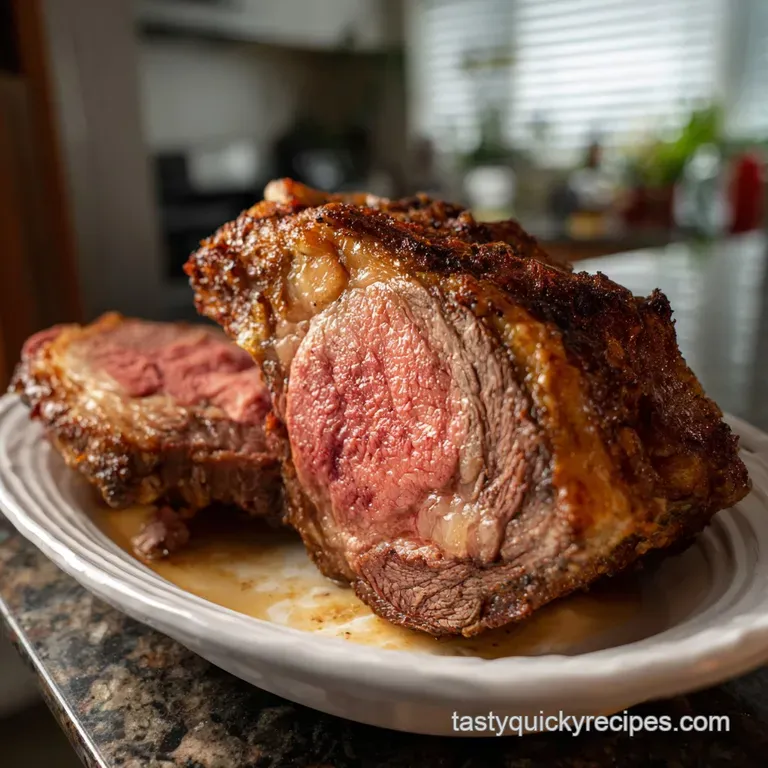
Forget everything you’ve heard about prime rib being complicated. When that massive roast hits your cutting board, glistening with a deep mahogany crust, and the entire kitchen smells like a savory herb dream you know you nailed it.
This is the prime rib recipe that delivers that shatteringly crisp exterior and the velvety, edge-to-edge medium rare interior you see in fancy steakhouses. I've ruined enough expensive roasts to figure out the absolute best way, and trust me, it’s all about the reverse sear.
We’re talking easy prep, minimal fuss, and a show stopping result that makes you look like a total culinary genius. This prime rib recipe focuses on technique, ensuring your next holiday roast is flawless.
This isn't just about throwing salt on meat. The secret to this specific method which accounts for the mandatory 15 hour dry-brine and resting time, ensuring every ounce of flavor is locked in is precise temperature control.
We are avoiding the dreaded gray band, where the edges are cooked to death and only the center is pink. By utilizing a specific two-stage cooking method, we guarantee moist results every single time.
Get ready to impress, because this is the easiest and the best prime rib recipe you will ever make. Even perfecting this prime rib recipe requires patience.
The Science of Tenderness: Why Reverse Searing Creates the Perfect Roast
Understanding the Benefits of Reverse Searing
We are using the reverse sear method for this prime rib recipe because it addresses the single biggest fear when cooking a large roast: uneven internal temperatures. Unlike the traditional over high heat first method, the reverse sear starts low (around 225°F).
This slow, gentle heating gives the temperature gradients time to even out, meaning the meat cooks uniformly from the center all the way to the edge. The result? A perfectly rosy pink from side to side. Following this prime rib recipe guarantees even cooking.
The Maillard Reaction and Developing the Flavor Crust
After the slow roast, we pull the meat out to rest. Crucially, we then blast it with extreme heat (450°F) for the last 10- 15 minutes. This is where the magic happens: the Maillard Reaction.
The high heat, combined with the dry, seasoned exterior, causes the amino acids and sugars on the surface to rapidly caramelize and react, creating hundreds of complex new flavor compounds. This gives you that deep brown, audibly crunchy crust the part everyone fights over.
Mastering this sear is central to any great prime rib recipe .
The Importance of Resting the Prime Rib
I cannot stress this enough: Rest the roast! After the initial low cook and before the final sear, you must let it sit for at least 30 minutes. After the final over high heat sear, you must let it rest for another 15- 20 minutes.
As the meat heats up, the muscle fibers contract and push moisture toward the center. Resting allows those fibers to relax and redistribute the juices throughout the meat. If you skip this step, all that glorious flavor runs onto the cutting board, leaving you with dry meat.
This rest is non-negotiable for this prime rib recipe .
For an extra touch of tradition, this magnificent roast needs the perfect side. You should definitely check out my Yorkshire Pudding: Ultra Crisp High Rising Recipe to catch all those savory pan drippings!
Essential Ingredients for the Best Prime Rib Recipe & Herb Rub Variations
This prime rib recipe is built on the philosophy that great beef needs very little interference. We’re using a classic garlic and herb mixture that creates a thick, protective layer over your Prime Rib Roast .
| Ingredient | Quantity | Function in Recipe |
|---|---|---|
| Prime Rib Roast (Bone-in or Boneless) | 10 12 lbs | The star of the show! Rich beef flavor and high marbling. |
| Kosher Salt (coarse) | 3 Tbsp | Essential for dry-brining, pulling moisture from the surface to create a dry crust. |
| Black Pepper (freshly cracked) | 2 Tbsp | Provides necessary heat and sharp aromatic notes. |
| Garlic (minced or paste) | 4 Tbsp | Creates savory foundation and helps the crust stick. |
| Dried Rosemary & Thyme | 1 Tbsp each | Earthy and piney notes crucial for traditional roast flavor. |
| Olive Oil (or butter) | 3 Tbsp | Binder for the rub; over high heat fat helps kickstart the sear. |
Substitutions for Common Prime Rib Rub Ingredients
Sometimes you realize you’re out of fresh rosemary right before guests arrive. Don’t panic! Use this chart to keep your cooking momentum going. Adjusting ingredients is key when executing this complex prime rib recipe .
| Original Ingredient | Best Substitute | Scientific Function |
|---|---|---|
| Fresh Garlic (minced) | Garlic Powder (1 Tbsp) | Provides the pungent sulfur compounds. Note: Powder works well but lacks the deep caramelized flavor of fresh garlic. |
| Dried Rosemary | Dried Oregano or Marjoram | Provides similar woodsy, slightly bitter notes. Note: Oregano is stronger; use sparingly to avoid overpowering the beef. |
| Kosher Salt | Fine Sea Salt (Use ⅔ the volume) | Provides mineral structure necessary for dry-brining. Note: Sea salt is denser; reduce the amount to prevent over salting the Easy Prime Rib Roast . |
| Olive Oil | Melted Unsalted Butter | High fat binding agent. Note: Butter adds dairy flavor, which is delicious but can burn faster during the final over high heat sear if not monitored closely. |
How to Cook Prime Rib: Detailed Reverse Sear Instructions
Total Time: 15 hours (includes dry-brine and resting) | Prep Time: 10 minutes | Cook Time: 90 minutes | Yield: 12 servings
This is the most critical part of achieving that perfect prime rib recipe . Follow these steps closely, especially the resting periods! Every stage ensures the success of this prime rib recipe .
1. Prepping and Dry-Brining (12 14 Hours)
About 12– 14 hours before you plan to roast, pat the beef dry with paper towels. Mix the salt, pepper, herbs, and garlic into a thick paste with the oil/butter. Rub the paste aggressively over the entire surface of the Prime Rib Roast .
Do not skip the bottom. Place the roast UNCOVERED on a wire rack set inside a rimmed baking sheet. Refrigerate overnight. This dry-brining process is essential for drawing out moisture and guaranteeing a crisp crust later.
2. Tempering (1 Hour)
One hour before cooking, remove the roast from the fridge. Place it on the counter to allow it to reach room temperature. This is called tempering and ensures the meat cooks evenly. Preheat your oven to a low 225°F (107°C).
3. Slow Roasting (Approx. 60 75 Minutes)
Place the tempered roast (still on the rack) into the preheated 225°F oven. Roast until the internal temperature reaches 120°F for rare/medium rare. This should take roughly 60– 75 minutes for a 10 12 lb cut. Always use a probe thermometer.
4. First Rest and Temperature Crank
When the roast hits 120°F, remove it from the oven immediately. Loosely tent it with foil and let it rest on the counter for 30– 45 minutes. Do not skip this rest! During this time, crank your oven temperature up to 450°F (232°C).
5. The Final Sear (10 15 Minutes)
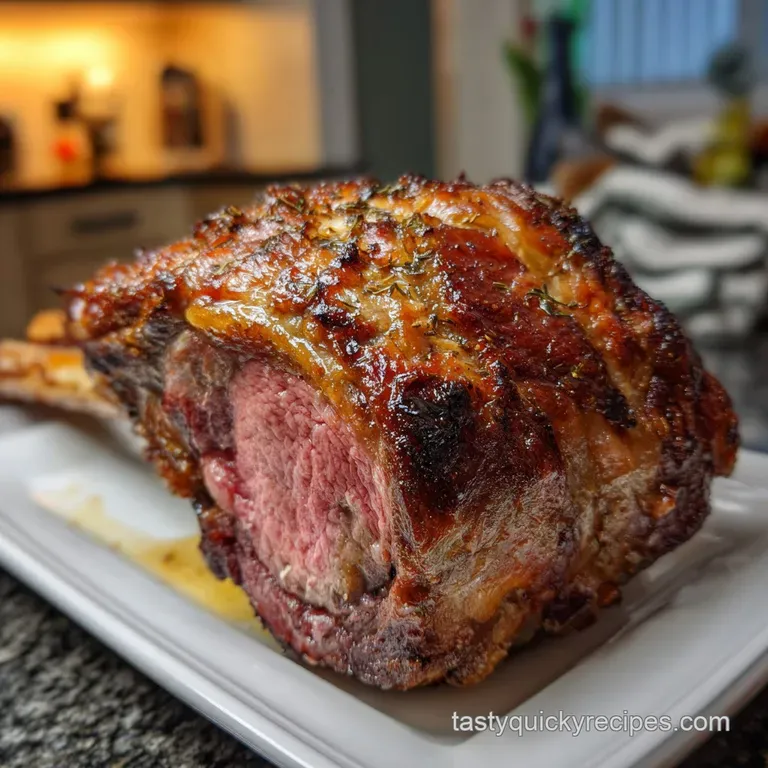
Once the oven is screaming hot, remove the foil tent and put the oven-roasted Prime Rib back in the oven. Sear for 10– 15 minutes until the exterior is a deep, gorgeous mahogany color and looks shatteringly crisp. This is where the Maillard reaction hits its peak!
6. Final Rest and Carving (20 Minutes)
Remove the roast from the oven. Let it rest again, loosely tented, for a full 20 minutes before carving. Slice thinly against the grain. Serve immediately. Following all steps results in the ultimate prime rib recipe .
This beautiful centerpiece pairs perfectly with my Creamy Potatoes Au Gratin Recipe Easy Potatoes Au: Velvety Baked Side .
Common Mistakes and Pro Tips for a Flawless Prime Rib Roast
We all mess up, especially when cooking expensive beef. Here are the top three ways people derail their Best Prime Rib Roast Recipe and how to fix them before it’s too late.
| Common Mistake | Root Cause | The Fix |
|---|---|---|
| Dry/Overcooked Edges | Failure to temper or cooking the roast at too high a temperature initially. | Always allow the roast to sit at room temp for 1 hour before cooking. Stick to 225°F for the slow roast phase. |
| No Crispy Crust | The surface was wet when it went into the oven, preventing the Maillard reaction. | Ensure the roast is dry-brined uncovered overnight. Pat dry thoroughly right before searing. |
| Gray Band Around the Outside | Skipping the crucial resting periods or carving immediately after searing. | Rest for 30 minutes after the slow cook, and 20 minutes after the sear. This allows juices to redistribute. |
Storing, Reheating, and Freezing Leftover Prime Rib
Leftover Prime Rib Roast is a gift, but only if you handle it correctly! Making sure you master this prime rib recipe means you get great leftovers too.
Best Practices for Refrigerating Cooked Roast Beef
Once cooled, slice any remaining prime rib and store the slices in an airtight container. If you saved the pan drippings or made an Au Jus Recipe Easy: 15 Minute Rich Savory Dipping Sauce , pour a thin layer of the liquid over the slices to keep them moist. Refrigerated leftovers are safe for 3 4 days.
Freezing Leftover Prime Rib Safely (Slicing vs. Whole)
If you have a large amount left, I recommend slicing it before freezing. This speeds up the defrosting and reheating process. Wrap individual slices tightly in plastic wrap, then aluminum foil, and store in a freezer bag. Frozen prime rib is best used within 3 months.
How to Reheat Prime Rib Without Drying It Out
Never microwave prime rib it turns the fat rubbery and the edges tough. The best method is gentle oven reheating:
- Preheat the oven to 300°F.
- Place the sliced roast beef in an oven safe dish.
- Pour a few tablespoons of beef broth or au jus over the slices to introduce steam and moisture.
- Cover the dish tightly with foil and heat for 10– 15 minutes, or until the meat is just warmed through (around 100°F internal temp).
Classic Pairings and Serving Suggestions
This magnificent prime rib recipe calls for hearty, rich companions. Along with the traditional Yorkshire Puddings, a creamy, horseradish spiked sauce or a simple, savory Au Jus is essential. Don’t forget the greens! A crisp salad cuts through the richness beautifully.
This Easy Prime Rib Roast makes every dinner feel like a holiday.
Recipe FAQs
What is the ideal internal temperature for medium rare prime rib?
For a perfect medium rare, pull your prime rib out of the oven when the internal temperature reaches 120-125°F before the resting and searing phase. This accounts for carryover cooking during the final crust development.
Why is the reverse sear method recommended for prime rib?
The reverse sear ensures the roast cooks slowly and evenly from edge to edge, minimizing the gray, overcooked band often found just under the crust. It allows you to develop a deep, flavorful crust without overcooking the interior.
How long should I let the prime rib rest before carving?
Allow the prime rib to rest tented loosely with foil for at least 20 to 30 minutes after it comes out of the oven. This crucial resting period lets the juices redistribute throughout the meat, resulting in a much more tender and moist final product.
Can I season the prime rib the night before cooking?
Yes, seasoning the roast generously with salt, pepper, and herbs the night before is highly recommended. This dry brining process allows the salt to penetrate deeper into the meat, enhancing overall flavor and aiding in a better crust formation.
How should I store leftover prime rib?
Store leftover prime rib tightly wrapped in foil or in an airtight container in the refrigerator for up to 3 to 4 days. For the best texture when reheating, slice it thinly against the grain first.
What is the proper way to achieve the mahogany crust mentioned?
The crust is developed during the final high heat sear after the slow cooking phase, often aided by a fat like butter or beef tallow mixed with herbs. Ensure the roast is completely dry before applying this final blast of heat.
Ultimate Prime Rib Recipe Reverse Sear
Ingredients:
Instructions:
Nutrition Facts:
| Calories | 647 kcal |
|---|---|
| Protein | 36.3 g |
| Fat | 44.9 g |
| Carbs | 0.3 g |
| Sodium | 1400 mg |
