The Ultimate Beef Tenderloin Recipes Grilled
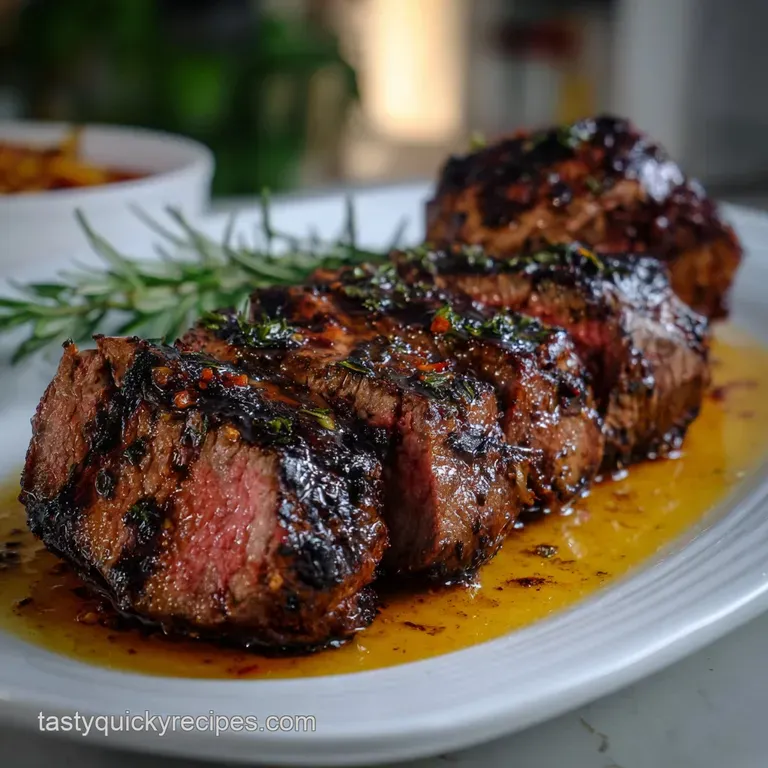
- The Ultimate Reverse-Seared Grilled Beef Tenderloin Recipe
- The Science Behind Perfect Beef Tenderloin Texture
- Essential Ingredients and Expert Substitutions
- Step-by-Step Instructions for the Best Grilled Beef Tenderloin
- Expert Tips and Common Mistakes to Avoid
- Storing and Freezing Leftover Grilled Beef Tenderloin
- Complementary Sides and Sauces
- Recipe FAQs
- 📝 Recipe Card
The Ultimate Reverse Seared Grilled Beef Tenderloin Recipe
That initial sizzle when a pristine cut of meat hits the screaming hot grill grates? That sound is the promise of perfection. For years, I thought making beef tenderloin recipes grilled was only for fancy chefs or people with unlimited cooking time, terrified I’d turn that expensive cut into shoe leather.
But once I figured out the secret the reverse sear it became one of my easiest, most satisfying main courses.
This isn’t just a grilling guide; this is the cheat code to achieving a shatteringly crisp crust while the center remains velvety, blushing pink, and juicy. We are talking about maximum flavor payoff with minimal fuss.
In less than 10 minutes of hands-on prep, you’ll be on your way to grilling the best beef you’ve ever tasted. Seriously, ditch the oven method for a night and try these beef tenderloin recipes grilled .
The Science Behind Perfect Beef Tenderloin Texture
Why Low and Slow Grilling Prevents Drying Out
The secret to mastering high end cuts like this lies in respecting the delicate nature of the meat. Beef tenderloin is naturally lean, meaning there's not much connective tissue or fat to rely on for moisture.
If you blast it with high heat right away (the traditional searing method), the exterior cooks way too fast, drying out the surface cells before the center even starts to warm up.
By employing the reverse sear, we start low (around 225°F). This slow, gentle heat cooks the beef uniformly from edge to edge, reducing the gray, overcooked band beneath the crust. This is crucial for truly beautiful grilled beef tenderloin recipes .
Achieving a Deep Maillard Reaction Crust
Once the meat hits an internal temperature of about 120°F, we yank it off, crank the grill, and hit it with intense, direct heat (500°F+). This short, aggressive sear about 2 minutes per side triggers the Maillard reaction, creating that deep, savory, mahogany crust that makes great seared beef tenderloin unforgettable.
The Critical Importance of Resting Time
You have to let it rest. I know, it’s hard when the smoky aroma is driving you crazy. But when meat cooks, the muscle fibers contract, squeezing all the valuable moisture to the center. If you slice it right away, all those juices flood your cutting board.
Resting for 15– 20 minutes allows those muscle fibers to relax and reabsorb the moisture, ensuring every slice of your BBQ beef tenderloin recipes stays juicy.
Essential Ingredients and Expert Substitutions
This recipe is designed to let the quality of the beef shine, so the ingredients list is incredibly short. We’re focusing on a simple salt and pepper crust.
| Original Ingredient | Best Substitute | Why It Works |
|---|---|---|
| Whole Beef Tenderloin (4 5 lbs) | Beef Sirloin Tip Roast | Offers a similar roast shape for even grilling, though sirloin is leaner and requires closer temp monitoring. Expect a slightly chewier texture. |
| Coarse Kosher Salt | Sea Salt Flakes (Fine Ground) | Essential for flavor penetration and crust formation. Fine salt dissolves faster; use about 1/4 less to avoid over salting. |
| Coarse Ground Black Pepper | Smoked Paprika + Garlic Powder Blend | Adds depth and aromatic complexity. Excellent for variations on beef tenderloin recipes grilled . |
| Olive Oil (High Smoke Point) | Grapeseed or Avocado Oil | These high smoke point oils prevent scorching during the final sear. Olive oil may burn and impart bitter notes at 500°F. |
Yield: 12 servings Prep Time: 10 Minutes Cook Time: 30 Minutes Total Time: 1 Hour 45 Minutes (Includes preheating and 20 minute rest) Category: Main Dishes Cuisine: American
step-by-step Instructions for the Best Grilled Beef Tenderloin
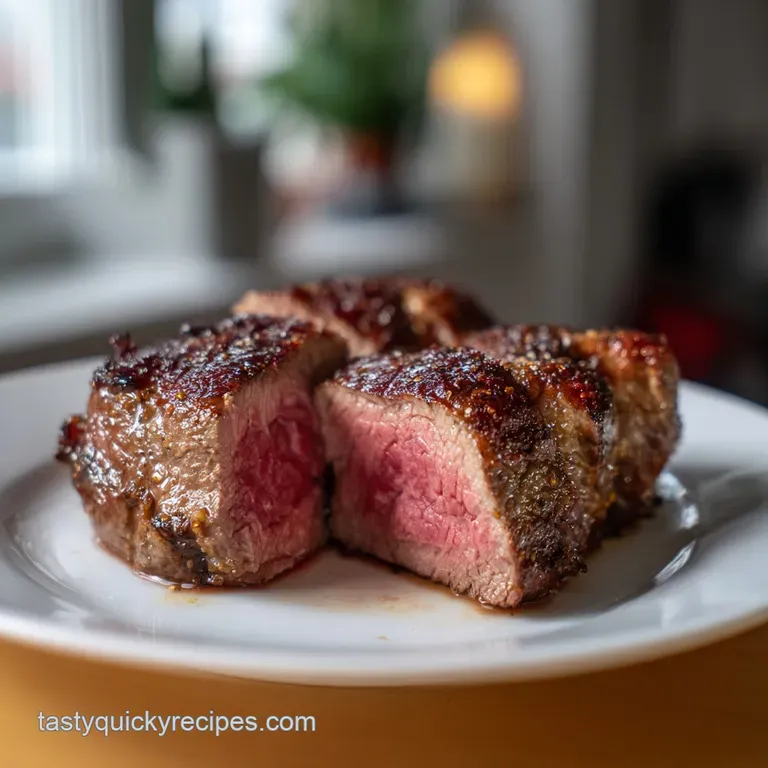
This recipe uses a whole, trimmed tenderloin, often referred to as a "Chateaubriand," which serves 12 people easily.
1. Trimming and Tying the Tenderloin for Even Cooking (10 M Prep)
- Prep the Meat: If your tenderloin isn't fully trimmed, remove the silver skin (the tough, iridescent membrane) by gently sliding a knife underneath and pulling it off. Trim away the chain (the extra fatty muscle piece) and the tapered tail end.
- Season Heavily: Brush the whole tenderloin with 1 2 tablespoons of your high smoke-point oil (like avocado). Then, liberally coat the entire roast with coarse salt and pepper. Don’t be shy! This is your only crust.
- Tie It Up: Using butcher twine, tie the roast tightly every 1.5 to 2 inches. This keeps the thinner sections from cooking faster than the middle, ensuring uniform slices for your next grilled beef fillet recipes . If you love the smoky flavor, this roast pairs perfectly with my Brisket Leftover Recipes: Flaky Stilton Pasty Comfort Grub — the flavor profiles complement beautifully.
2. Setting Up Your Grill for Dual Zone Cooking
This is the most critical step for any good beef tenderloin recipes grilled . You need two zones:
- Cool Zone (Indirect Heat): Set burners to low or banking coals to one side, aiming for an ambient temperature of 225°F 250°F.
- Hot Zone (Direct Heat): Set remaining burners to high, or have a screaming hot pile of coals ready for the sear.
3. Reverse Searing the Beef Tenderloin: Temperature Guide (30 M Cook)
- Low and Slow: Place the seasoned, tied tenderloin on the cool zone (indirect heat). Close the lid immediately. Maintain the grill temperature between 225°F and 250°F.
- Monitor: Cook until the internal temperature reaches your target, checking every 8– 10 minutes. For Medium Rare, pull it at 120°F. For Medium, pull it at 130°F. This typically takes 25– 30 minutes, depending on the thickness of your roast and grill consistency.
- Rest & Preheat: Once pulled, let the tenderloin rest off the grill for 5– 10 minutes on a cutting board, covered loosely with foil. While it rests, crank the entire grill up to maximum heat (500°F+).
4. Final over High heat Sear and Target Internal Temperatures
The Sear: Move the tenderloin to the screaming hot zone (direct heat). Sear for 1.5 to 2 minutes per side. You are listening for a loud, intense sizzle, and watching for the crust to turn deep, dark brown.
Final Temp Check: After searing all sides, check the internal temperature one last time.
- Rare: 125°F
- Medium Rare: 130°F 135°F (Recommended for best results)
- Medium: 135°F 140°F
The Final Rest: Transfer the seared roast back to the cutting board. Tent tightly with foil and let it rest for a full 15 minutes. This rest is non-negotiable for juicy results.
Slice and Serve: Slice the tenderloin into thick, beautiful medallions, removing the butcher twine as you go. Serve immediately with your favorite sauces or a quick compound butter.
Expert Tips and Common Mistakes to Avoid
The reverse sear method is simple, but execution matters. These common pitfalls separate the pros from the average home cook when making great beef tenderloin recipes .
| Common Mistake | Why It Happens | The Fix |
|---|---|---|
| Dry or Uneven Roast | Using only high, direct heat, or failing to tie the roast evenly. The thin ends cook way too fast. | ALWAYS use the dual zone reverse sear method. Tie the roast tightly every 2 inches with butcher twine to ensure a uniform diameter. |
| No Crispy Crust | The grill wasn't hot enough for the sear, or the sear time was too short. The Maillard reaction requires intense heat. | Crank the grill to 500°F+ for the final stage. Pat the meat dry with paper towels before searing to remove surface moisture. |
| Flavorless Interior | The seasoning was applied just before cooking, or not applied heavily enough. | Season the roast at least 30 minutes before grilling, or ideally, 4 hours ahead. Use coarse salt it penetrates better and draws out less moisture than table salt. |
| Cutting Too Soon | Skipping or shortening the required 15 minute rest period. | The juices need time to redistribute. Use the resting time to finish up your side dishes. If you prefer roasting over grilling, you should definitely try my Beef Tenderloin: Perfect Garlic Herb Oven Roast Recipe ! |
Storing and Freezing Leftover Grilled Beef Tenderloin
It's rare to have leftovers of these amazing beef tenderloin recipes grilled , especially if you're serving a small group, but if you do, here’s how to handle them to preserve that beautiful texture.
Safely Storing Cooked Beef in the Refrigerator
- Prep: Once the meat is cool (within two hours of cooking), slice any remaining roast into serving portions. This makes future reheating much easier and faster.
- Storage: Place slices in an airtight container with a paper towel on the bottom (to absorb any residual moisture).
- Duration: Keeps well for 3 4 days in the fridge.
Best Practices for Freezing Cooked Tenderloin Slices
- Method: Wrap individual slices tightly in plastic wrap, then place them in a heavy duty freezer bag or vacuum seal them. Slicing first minimizes the reheating time.
- Duration: Frozen beef tenderloin is best used within 3 months.
- Thawing: Thaw overnight in the refrigerator.
Reheating Without Drying Out
Do not microwave leftover beef unless you enjoy dry meat. The best method for reheating beef tenderloin recipes grilled slices is slow and gentle:
- Place slices on a baking sheet.
- Add a teaspoon of beef stock or water to the tray.
- Heat gently in an oven or toaster oven set to 300°F until warmed through (about 5– 8 minutes). This prevents the dreaded gray ring from reappearing.
Complementary Sides and Sauces
Since this grilled beef tenderloin is the star, you want simple, fresh sides that won't overwhelm the delicate flavor. Think seasonal roasted vegetables, a creamy potato gratin, or a bright green salad.
A classic Béarnaise sauce or a simple compound butter (garlic and herbs) melting slowly over the warm slices of your beef tenderloin recipes grilled is truly divine. And if you find yourself with an abundance of high-quality cooked meat, try incorporating it into robust comfort food! I often use slices in lieu of traditional brisket for a decadent meal, much like my favorite Brisket Leftover Recipes: Flaky Stilton Pasty Comfort Grub — a great way to use premium leftovers.
This reverse sear technique guarantees the most tender, crusty, and juicy results every single time. It truly is the ultimate method for making delicious beef tenderloin recipes grilled .
Recipe FAQs
What is the best internal temperature to aim for when grilling beef tenderloin?
For medium rare, which is recommended for maximum tenderness, pull the tenderloin off the heat when it reaches 125°F internally. Allow it to rest before slicing, as the temperature will continue to rise by about 5-10 degrees.
Why is the reverse sear method recommended for grilled beef tenderloin?
The reverse sear cooks the tenderloin slowly and evenly at a lower temperature first, preventing the outer edges from overcooking. The final quick sear on high heat develops a beautiful, flavorful crust without drying out the interior.
Do I need to tie or truss a beef tenderloin before grilling?
Yes, tying the tenderloin with butcher's twine is highly recommended to ensure a uniform cylindrical shape. This promotes even cooking, preventing the thinner ends from finishing much faster than the thick center section.
How long should I rest the beef tenderloin after grilling?
You should allow the grilled tenderloin to rest tented loosely with foil for a minimum of 10 to 15 minutes after removing it from the heat. This resting period allows the juices to redistribute throughout the muscle fibers, keeping the meat moist.
Can I marinate a beef tenderloin before grilling?
While a dry rub is often preferred to preserve the crust, a short marinade (2-4 hours) can add flavor if you are careful. If you do marinate, ensure you thoroughly pat the entire surface dry before applying the rub and placing it on the grill.
How should I store leftover grilled beef tenderloin?
Store leftovers in an airtight container in the refrigerator within two hours of cooking. When properly stored, grilled tenderloin is best consumed within three to four days for optimal quality.
Ultimate Grilled Beef Tenderloin
Ingredients:
Instructions:
Nutrition Facts:
| Calories | 388 kcal |
|---|---|
| Protein | 35.2 g |
| Fat | 28.2 g |
| Carbs | 0 g |
| Sodium | 712 mg |
