Top 25 New Years Eve Party: Sparkling Wine Braised Chicken
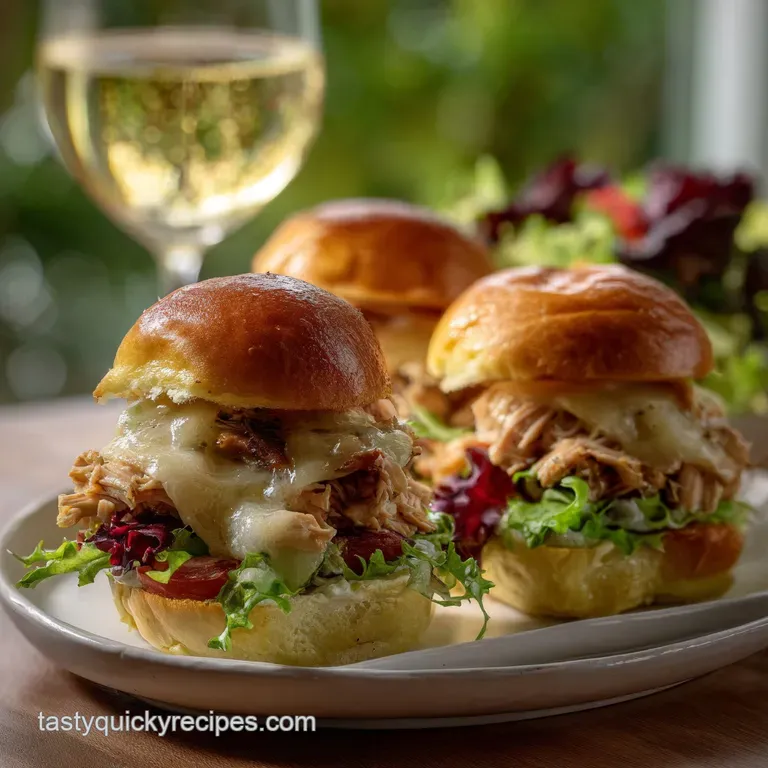
- Effort/Time: 25 minutes prep, 6 hour low-intervention braise.
- Flavor Hook: A complex balance of crisp acidity, deep caramel notes, and sharp Dijon undertones.
- Perfect for: High-volume hosting and make-ahead holiday entertaining.
- The Science of Flavor Saturation in Your Top 25 New Years Eve Party
- The Essential Elements for Your Top 25 New Years Eve Party
- Professional Tools for Achieving Culinary Consistency
- Mastering the Multi-Stage Braise and Reduction Protocol
- Solving Structural Failures and Flavor Imbalances
- ⚗️ The Scaling Lab: The Physics of Quantity
- Common Myths in Holiday Poultry Preparation
- Preserving Texture and Flavor Integrity for make-ahead Success
- Architecting the Ultimate Buffet Experience for Guests
- Recipe FAQs
- 📝 Recipe Card
The Technical Evolution of Your Holiday Spread
There is nothing more frustrating than investing $60 in organic, skin-on chicken only to have it emerge from the oven as a pile of gray, flavorless string. Most home cooks treat braising as a "set it and forget it" task, but without understanding the thermal mass of your vessel or the pH balance of your liquid, you risk ending up with meat that is simultaneously dry and greasy.
This is the ultimate technical failure of a New Years Eve Party: a main dish that lacks the structural integrity to stand up to a slider bun.
I learned this the hard way during a chaotic "New Years Eve Party Recipes - Plain Chicken" prep three years ago. I rushed the reduction phase of the Champagne glaze, pouring the liquid over the meat while it was still too watery. The result? A soggy brioche mess that fell apart before the midnight countdown.
I spent the rest of the night apologizing for the texture instead of celebrating. It was a humbling lesson in the physics of evaporation and the importance of viscosity in "Top 25 New Years Eve Party" planning.
The scientific revelation that changed everything was understanding the "The Collagen-to-Gelatin Transformation." By using 3 lbs bone-in, skin-on chicken thighs, we aren't just cooking meat; we are conducting a slow motion hydrolysis of connective tissue.
When these proteins break down at exactly 190°F (88°C), they release gelatin, which coats the muscle fibers in a velvety, mouth coating film.
This, combined with a sharp gastrique made of 1/4 cup apple cider vinegar and 1/2 cup light brown sugar, creates a mahogany colored glaze that shatters expectations. This technique elevates the entire menu for any Top 25 New Years Eve Party.
The Science of Flavor Saturation in Your Top 25 New Years Eve Party
- Collagen Hydrolysis: Low-temperature braising over 6 hours converts tough connective tissue into gelatin, providing a rich, viscous mouthfeel without added thickeners.
- Osmotic Pressure Management: Applying 1 tbsp Diamond Crystal Kosher Salt early allows the seasoning to penetrate the deep muscle fibers via osmosis, ensuring internal seasoning.
- Acid Sugar Balance (The Gastrique Principle): Combining 1 cup dry Champagne with 1/2 cup light brown sugar creates a chemical equilibrium that cuts through the 5.6 g of fat per serving.
- Maillard Reaction Synergy: The 1/2 cup light brown sugar undergoes pyrolysis during the final over high heat glaze phase, creating hundreds of new aromatic compounds.
- Emulsion Stability: The 1 tbsp Dijon mustard acts as a natural emulsifier, binding the fat from the chicken with the water based cider reduction.
For a complete holiday spread, these sliders are often served alongside high impact appetizers like Cheese Ball Recipes, which provide a sharp dairy contrast to the sweet champagne glaze, making this Top 25 New Years Eve Party centerpiece truly memorable.
| Ingredient | Chemical/Physical Role (Science) | The Pro Secret (Why This Matters) |
|---|---|---|
| Bone-in Chicken Thighs | Gelatin extraction via collagen hydrolysis | Creates a velvety mouthfeel that boneless cuts cannot replicate. |
| Dry Champagne | Tartaric acid for protein denaturation | Breaks down tough fibers while providing a bright, acidic counterpoint to sugar. |
| Light Brown Sugar | Substrate for Maillard reaction and pyrolysis | Ensures the glaze becomes tacky and mahogany colored rather than just sweet. |
| Dijon Mustard | Glucosinolates and lecithin emulsification | Prevents the glaze from breaking into a greasy mess during the reduction. |
The Essential Elements for Your Top 25 New Years Eve Party
To execute this "Top 25 New Years Eve Party" perfectly, you must adhere to the specific ratios provided in the official data. Each component serves a distinct structural purpose in the final architecture of the dish.
Why this recipe remains a perennial favorite for the Top 25 New Years Eve Party list is its structural reliability.
- 3 lbs bone-in, skin-on chicken thighs: Why this? Higher collagen content ensures the meat remains succulent during a 6 hour braise.
- 1 tbsp kosher salt: (Preferably Diamond Crystal for consistent crystal size).
- 1 tsp cracked black pepper: Provides localized bursts of heat.
- 2 cups sparkling dry hard cider: Why this? Malic acid provides a different flavor profile than the tartaric acid in wine.
- 4 cloves garlic, smashed: Releases allicin slowly over the long cook time.
- 3 sprigs fresh rosemary: High oil content survives the 6 hour thermal exposure.
- 1 cup dry Champagne or Prosecco: The backbone of the festive glaze.
- 1/2 cup light brown sugar, packed: Why this? Molasses content adds depth and facilitates faster browning.
- 1/4 cup apple cider vinegar: Balances the 6.5 g of sugar per serving.
- 1 tbsp Dijon mustard: Emulsifies the final sauce.
- 24 mini brioche slider buns: Why this? High egg/butter content stands up to the heavy glaze without dissolving.
- 1 cup microgreens or baby arugula: Provides a peppery, fresh contrast.
- 1/2 cup pickled red onions: Essential for cutting through the richness.
| Original Ingredient | Substitute | Why It Works |
|---|---|---|
| Champagne (1 cup) | Dry Sparkling White Grape Juice | Maintains the celebratory profile but removes the ethanol content. |
| Chicken Thighs | Pork Butt (same weight) | Similar fat and collagen levels. Note: Increase cook time by 2 hours. |
| Brioche Buns | Potato Rolls | High starch content provides a similarly soft but resilient structure. |
Professional Tools for Achieving Culinary Consistency
- Lodge Enameled Cast Iron Dutch Oven: The high thermal mass of cast iron ensures consistent heat distribution, preventing hot spots during the long braise.
- KitchenAid Stand Mixer (Paddle Attachment): For rapid, uniform shredding of the 3 lbs of chicken without over processing the fibers.
- Stainless Steel Fat Separator: Crucial for removing excess lipids from the braising liquid before creating the reduction.
- over High heat Silicone Spatula: Necessary for scraping the fond from the bottom of the pot during the deglazing phase.
Mastering the Multi Stage Braise and Reduction Protocol
Success in this "Top 25 New Years Eve Party" depends on patience and sensory cues. Follow these atomic steps for the "Party Recipes - Plain Chicken" of your dreams.
- Pat chicken dry with paper towels until the skin feels tacky. Note: Removing surface moisture allows for immediate Maillard browning rather than steaming.
- Season chicken with 1 tbsp kosher salt and 1 tsp pepper on all sides.
- Sear chicken in a Lodge Dutch oven over medium high heat for 8 minutes until skin is mahogany brown and releases easily from the pan.
- Deglaze pan with 2 cups sparkling hard cider, scraping the bottom for 2 minutes until the nutty aroma of the fond fills the air.
- Add garlic and rosemary to the liquid and return the chicken to the pot.
- Braise at 300°F for 6 hours until the bone slides out of the meat with zero resistance.
- Whisk 1 cup Champagne, 1/2 cup brown sugar, 1/4 cup vinegar, and 1 tbsp Dijon in a separate saucepan.
- Simmer glaze for 15 minutes until the liquid coats the back of a spoon and bubbles become large and viscous.
- Shred chicken into large chunks using two forks or a stand mixer.
- Toss chicken with the reduction and 1/2 cup of the strained braising liquid until every fiber is glistening and mahogany.
- Assemble sliders on brioche buns with pickled onions and microgreens.
If you find yourself needing more variety for your event, many hosts include a Buffalo Chicken Dip recipe as a spicy alternative to the sweet and savory sliders.
Solving Structural Failures and Flavor Imbalances
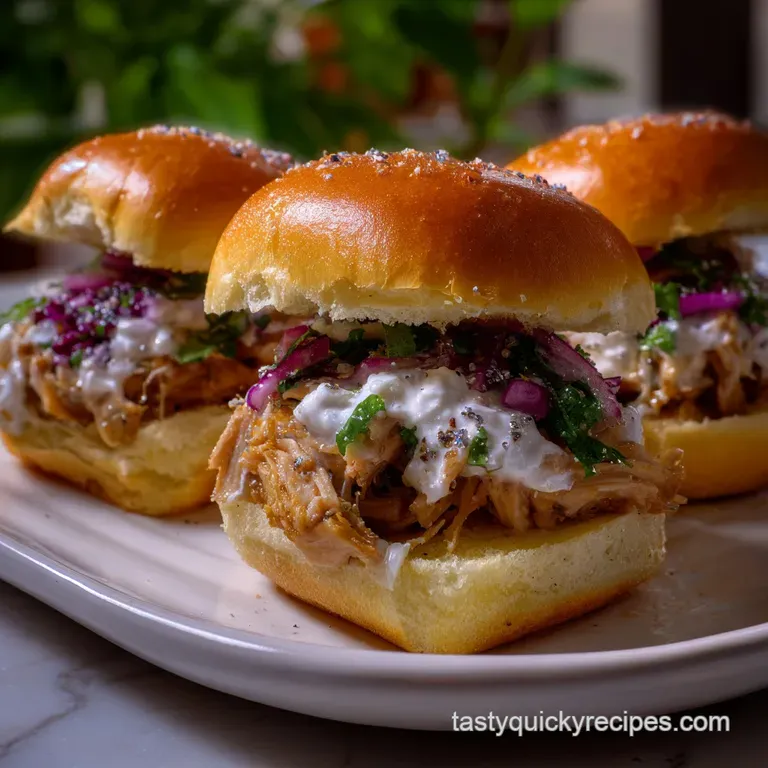
The most common issues in "25 New Years Eve Party Recipes - Plain Chicken" usually stem from moisture management. This section details how to rescue your Top 25 New Years Eve Party sliders if things go slightly awry.
Why Your Braise is Greasy
When the chicken thighs render their fat, it can emulsify into the sauce if not properly separated. This results in a heavy, slick mouthfeel that masks the acidity of the champagne.
| Problem | Root Cause | The Fix | Pro Protocol |
|---|---|---|---|
| Greasy Sauce | Excessive fat rendering | Use a fat separator before reducing the liquid. | Chill the liquid for 20 mins to solidify the fat cap for easy removal. |
| Dry Meat | Over shredding | Hand shred into large chunks rather than fine threads. | Shred while the meat is warm (140°F) to retain internal moisture. |
| Soggy Buns | Thin glaze | Increase reduction time for the Champagne mixture. | Toast the brioche buns with a thin layer of butter to create a moisture barrier. |
⚗️ The Scaling Lab: The Physics of Quantity
When doubling this "New Years Eve Party Recipes - Plain Chicken" for a larger crowd, standard math fails.
- The Evaporation Paradox: If you use two Dutch ovens, you're fine. If you use one giant pot, the surface area-to-volume ratio drops. Reduce the added cider by 15% to avoid a watery braise that takes hours to reduce.
- Thermal Mass Recovery: Adding 6 lbs of cold chicken to a pan will drop the temperature instantly. Searing must be done in three batches. If the pan temp drops below 300°F, you will steam the meat, losing that crucial Maillard crust.
- Flavor Saturation: Do not double the rosemary. Spices and aromatics accumulate non-linearly. Use 1.5x the rosemary (4 5 sprigs) for a double batch to avoid a medicinal flavor.
- Carry Over Heat: A 6 lb mass of shredded chicken holds significantly more energy than 3 lbs. Pull the meat from the oven 15 minutes earlier, as it will continue "cooking" itself in the pot.
Common Myths in Holiday Poultry Preparation
- Myth: All the alcohol burns off during the 6 hour braise.
Truth: While much evaporates, roughly 5 10% of the ethanol can remain trapped in the fat and fibers. For a strictly alcohol free "Top 25 New Years Eve Party," use the substitution table above.
Myth: You must use expensive vintage Champagne for the glaze.
- Truth: over High heat reduction destroys the delicate nuances of expensive wine. A standard, dry $15 Prosecco or Cava provides the necessary acidity and sugar without wasting money.
Preserving Texture and Flavor Integrity for make-ahead Success
For a "25 New Years Eve Party Recipes - Plain Chicken" to be successful, you need a storage strategy. The chicken actually tastes better on day two because the flavors have time to undergo "Cold Maturation," where the seasonings redistribute evenly.
This make-ahead quality is why this dish belongs in the Top 25 New Years Eve Party echelon.
- Fridge: Store shredded meat in its glaze in an airtight container for up to 4 days.
- Freeze: This recipe freezes beautifully for 3 months. Freeze the meat and sauce together to prevent freezer burn and fiber desiccation.
- Reheating: Reheat in a covered pan over low heat with a splash of cider to restore the 19.2 g of carbohydrates' moisture.
💡 ZERO WASTE PHILOSOPHY: Don't discard the chicken skins if you remove them after searing. Transform: Roast them at 400°F for 10 minutes until they become "chicken cracklings." Science: The rendered fat leaves behind a pure protein matrix that is incredibly crunchy.
Also, save the braising liquid! It is essentially a concentrated bone broth. Transform: Use it as the base for a soup or to cook "Vasilopita bread recipe" sides. Science: The gelatin content provides a rich body to any secondary dish.
Architecting the Ultimate Buffet Experience for Guests
The "Top 25 New Years Eve Party" experience isn't just about the food; it's about the flow. When serving 24 sliders, the temperature is your enemy.
Use a warming tray or a slow cooker on the "warm" setting to keep the shredded chicken at a safe 145°F. Place the brioche buns, pickled onions, and microgreens in separate bowls.
This "Deconstructed Slider Bar" allows guests to customize their acid-to-fat ratio, perfecting their individual Top 25 New Years Eve Party slider.
For a sweet conclusion to your "Top 25 New", I highly recommend the traditional Vasilopita bread recipe. The citrusy, dense loaf acts as a perfect palate cleanser after the savory, champagne laden sliders. Trust me, the combination of a sticky, mahogany chicken slider followed by a slice of spiced New Year's bread is exactly how you want to welcome the next year. Let's crack on with the prep your guests are going to be obsessed with that "shatter crisp" skin and velvety finish.

Recipe FAQs
What is the ideal internal temperature to achieve maximum gelatin release during the braise?
88°C (190°F) is the target zone for hydrolysis. Collagen conversion to gelatin occurs optimally around this temperature, coating muscle fibers for succulence. If you enjoyed mastering this temperature control, apply the same sensory precision when cooking proteins in our Prime Rib Roast Recipe: Perfect Reverse Sear for Medium Rare.
Can I substitute the Champagne with a sweet sparkling wine like Asti?
No. Too much residual sugar burns during reduction. Sweet wines contain higher fructose levels, which caramelize too quickly and create a bitter, dark glaze instead of a balanced gastrique.
Is it necessary to sear the chicken thighs before braising for this recipe?
Yes, searing initiates the Maillard reaction. Searing at high heat creates the foundational brown, savory flavor compounds that simmered liquid cannot replicate alone.
My glaze is separating and looks oily after adding the mustard; how do I fix it?
Re-emulsify using low, steady whisking off heat. The mustard lecithin stabilizes the oil-water interface, but rapid temperature change causes droplet coalescence, breaking the emulsion.
- Increase heat slightly to reactivate the emulsifiers
- Whisk vigorously in a figure eight pattern
- Introduce one teaspoon of cold water drop by drop
Should I use skin-on or skinless chicken thighs for the best flavor?
Skin-on thighs provide superior flavor and texture. The fat layer renders during the long braise, basting the meat internally while the skin contributes depth to the final sauce.
Myth: Using boneless chicken thighs saves significant cooking time for the sliders.
Myth: Boneless cuts lack the collagen needed for structural integrity during low-and-slow cooking. Reality: They dry out faster and result in stringy meat rather than rich, shreddable texture.
What appetizer pairs best with the sweet and savory sliders?
A sharp, cheese forward appetizer contrasts perfectly. The richness of the chicken glaze is balanced by a salty, savory bite rather than another sweet component. Try our Sausage Balls Recipe: The Perfect Moist Party Nibble for a contrasting texture.
Top 25 New Years Eve Party
Ingredients:
Instructions:
Nutrition Facts:
| Calories | 172 calories |
|---|---|
| Protein | 10.4 g |
| Fat | 5.6 g |
| Carbs | 19.2 g |
| Fiber | 0.8 g |
| Sugar | 6.5 g |
| Sodium | 318 mg |
