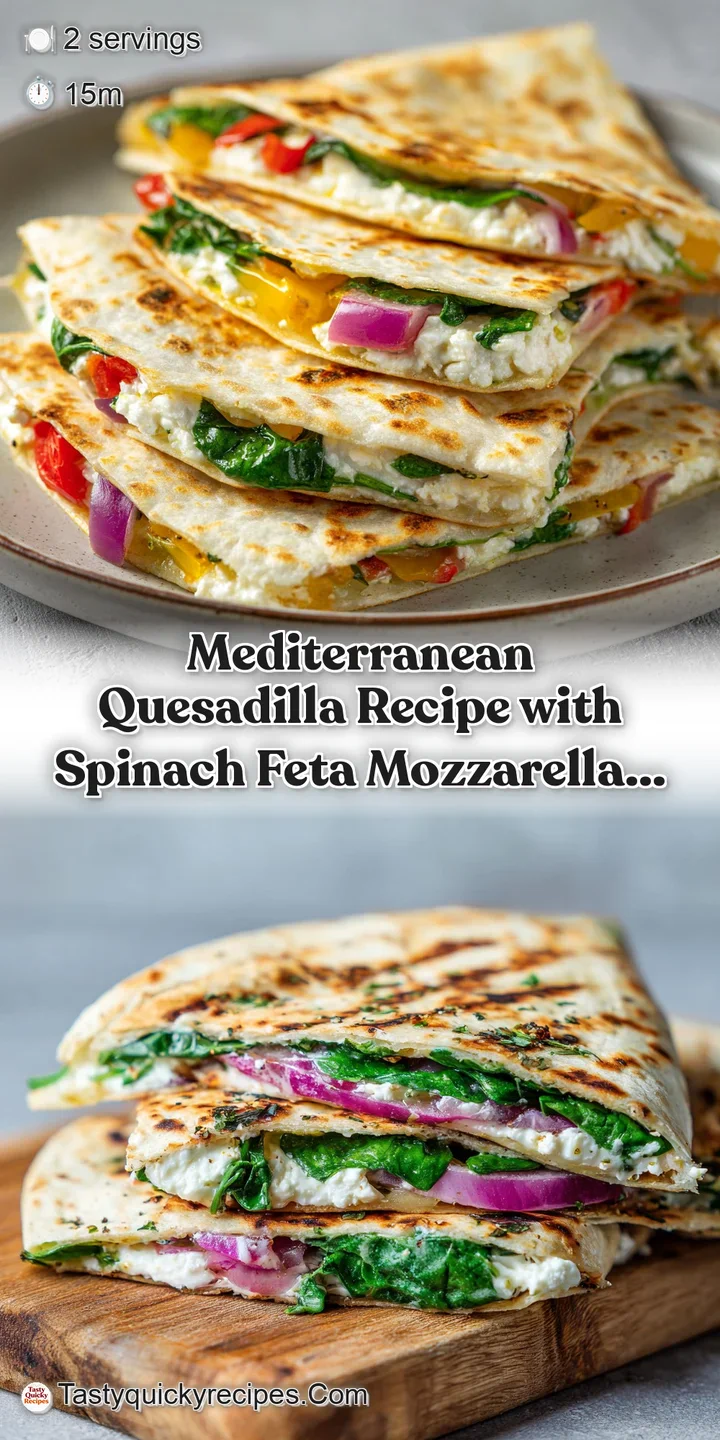
Mediterranean Quesadilla: Spinach, Feta, and Mozzarella
- Time: Active 10 minutes, Passive 5 minutes, Total 15 minutes
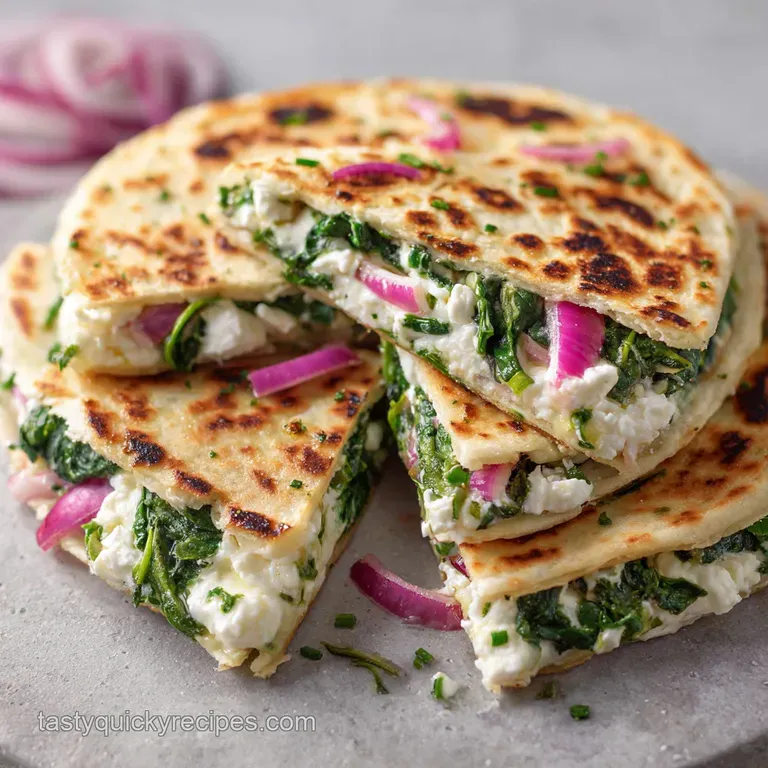
- Flavor/Texture Hook: Shatter crisp exterior with a tangy, molten feta and spinach core
- Perfect for: Juggling a busy weeknight schedule or a fast, flavorful lunch
- Mastering This Mediterranean Quesadilla Recipe with Spinach Feta Mozzarella Red Onion
- Essential Timing and Texture Data
- A Fast and Flavorful Victory
- Ingredient Deep Dive
- Selecting Fresh Mediterranean Elements
- Tools for a Shattering Crust
- Precision Cooking Flow and Steps
- Resolving Common Cooking Hiccups
- Adapting Flavors for Every Table
- Long Term Storage Strategies
- Refreshing Sides for the Table
- Very High in Sodium
- Recipe FAQs
- 📝 Recipe Card
Mastering This Mediterranean Quesadilla Recipe with Spinach Feta Mozzarella Red Onion
Picture this: the butter hits the pan and starts that gentle, rhythmic foam. You lay the folded tortilla down, and within seconds, the aroma of toasted flour and dried oregano begins to drift up, hitting you with that "I'm about to eat something incredible" feeling.
This article features a standout Mediterranean Quesadilla Recipe with Spinach, Feta, Mozzarella, and Red Onion that has become my absolute go to when I'm tired of the same old rotation but need dinner on the table in under 15 minutes.
Honestly, the first time I tried making a veggie heavy quesadilla, it was a literal swamp. I didn't realize that spinach is basically a water balloon in disguise. But after a few failed attempts and some very soggy lunches, I figured out the secret to that mahogany brown, shattering crust that houses a velvety, tangy center.
It’s all about the prep flow and the way you stack your layers.
If you’re juggling work calls or kids' homework, this recipe is your best friend. It feels like fancy bistro food but it’s really just about smart assembly and heat management.
We’re going to walk through exactly how to keep that tortilla crunchy while making sure the red onion softens just enough to lose its bite but keep its sweetness. Right then, let's get into why this method actually works.
Essential Timing and Texture Data
When you're aiming for that perfect melt to crunch ratio, timing isn't just a suggestion; it's the difference between a golden masterpiece and a charred mess. Because the spinach and feta filling is relatively dense, we need to ensure the heat penetrates the center before the outside gets too dark.
I've found that a medium low heat is the sweet spot it gives the mozzarella enough time to turn into molten "glue" while the tortilla slowly dehydrates and crisps up.
The way we treat the red onion also matters here. By slicing it paper thin, we ensure it softens during that short 5 minutes in the pan. If the slices are too chunky, you’ll end up with a raw, sharp onion taste that overpowers the delicate oregano and feta.
Trust me, the thin shave is worth the extra thirty seconds of knife work.
| Thickness of Filling | Pan Temp | Cook Time per Side | Visual Cue |
|---|---|---|---|
| 1.5 cm (Standard) | Medium Low | 2.5 minutes | Deep mahogany brown |
| 2 cm (Extra Stuffing) | Low | 4 minutes | Tortilla sounds hollow when tapped |
| 1 cm (Thin/Crispy) | Medium | 1.5 minutes | Bright golden with brown spots |
Finding the right balance of heat is the biggest hurdle for most home cooks. If you go too high, you’ll have a burnt exterior and cold cheese inside. If you go too low, the tortilla just soaks up the butter and becomes greasy instead of crisp.
Always look for that shimmering butter before you drop the tortilla in.
A Fast and Flavorful Victory
The logic behind this dish is actually quite clever once you break it down. We aren't just throwing things between bread; we're managing moisture and structural integrity. Most people struggle with quesadillas because they use too many high moisture ingredients without a plan.
By utilizing specific techniques, we can pack in the greens without the mess.
- Moisture Shielding: Layering mozzarella directly against the tortilla creates a fat based barrier that prevents the spinach juices from soaking into the flour.
- Osmotic Squeezing: Removing the liquid from the spinach before it hits the bowl prevents the steam from blowing the quesadilla apart during cooking.
- Feta Integration: The crumbled feta doesn't melt like traditional cheese; instead, it provides "tangy pockets" of flavor that contrast with the creamy mozzarella.
- The Weight Factor: Pressing down with a spatula increases surface contact, ensuring the Maillard reaction happens evenly across the entire tortilla.
If you're looking for a refreshing side to cut through the richness of the cheese, this Basil in 10 Minutes recipe is a fantastic 10 minute companion. The acidity of the tomatoes balances the saltiness of the feta perfectly.
Ingredient Deep Dive
Before we start chopping, let's look at why these specific ingredients make the cut. Not all cheeses are created equal, and the type of tortilla you choose can make or break the "shatter" factor.
I always recommend a high-quality flour tortilla because they have a higher fat content than corn, which leads to a flakier, more pastry like crust when fried in butter.
| Ingredient | Science Role | Pro Secret |
|---|---|---|
| Shredded Mozzarella | Structural Adhesive | Use low moisture part skim for a better stretch |
| Fresh Baby Spinach | Fiber & Volume | Firmly squeeze in a kitchen towel to remove "green water" |
| Feta Cheese | Flavor Acidifier | Buy the block in brine and crumble it yourself for better moisture |
| Red Onion | Aromatic Sweetness | Slice against the grain to break down fibers faster |
You might be tempted to use frozen spinach here, but honestly, don't even bother unless you're in a total pinch. Frozen spinach is often blanched and has a much mushier texture. Fresh baby spinach maintains a slight "tooth" even after it's cooked, which provides a much better mouthfeel alongside the creamy cheeses.
Selecting Fresh Mediterranean Elements
Having your "mis en place" (everything in its place) is the secret to not stressing out in the kitchen. For this Mediterranean Quesadilla Recipe with Spinach Feta Mozzarella Red Onion, you want everything ready to go before the pan even gets warm.
- 2 large (10 inch) Flour Tortillas: Why this? They provide the perfect surface area for a hearty, foldable meal.
- 1 cup (112g) Shredded Mozzarella Cheese: Why this? It acts as the "glue" that keeps the spinach and feta inside.
- 2 cups (60g) Fresh Baby Spinach: Why this? Chopped and squeezed dry to prevent a soggy tortilla.
- 1/2 cup (75g) Feta Cheese: Why this? Provides the signature Mediterranean tang and saltiness.
- 1/4 cup (40g) Red Onion: Why this? Adds a sharp, sweet crunch that cuts through the fat.
- 1/2 tsp (1g) Dried Oregano: Why this? The essential herb for that authentic Greek/Mediterranean aroma.
- 1/4 tsp (0.5g) Black Pepper: Why this? Adds a subtle heat without overwhelming the other flavors.
- 1 tbsp (14g) Unsalted Butter: Why this? For that classic, golden brown toasted flavor and crunch.
| Original Ingredient | Substitute | Why It Works |
|---|---|---|
| Unsalted Butter | Olive Oil | Higher smoke point; adds a fruity, peppery note to the crust. |
| Red Onion | Shallots | Provides a milder, more delicate garlic onion hybrid flavor. |
| Mozzarella | Provolone (Mild) | Similar melting point but with a slightly sharper, smoky finish. |
| Spinach | Arugula | Peppery flavor profile. Note: Squeeze extra hard as it wilts faster. |
If you find yourself out of spinach but still want that creamy, herb forward vibe, you can actually pivot this into a Creamy Tuscan Chicken Pasta style filling by adding some sun dried tomatoes and pre cooked chicken strips. It uses many of the same flavor profiles but in a different format.
Tools for a Shattering Crust
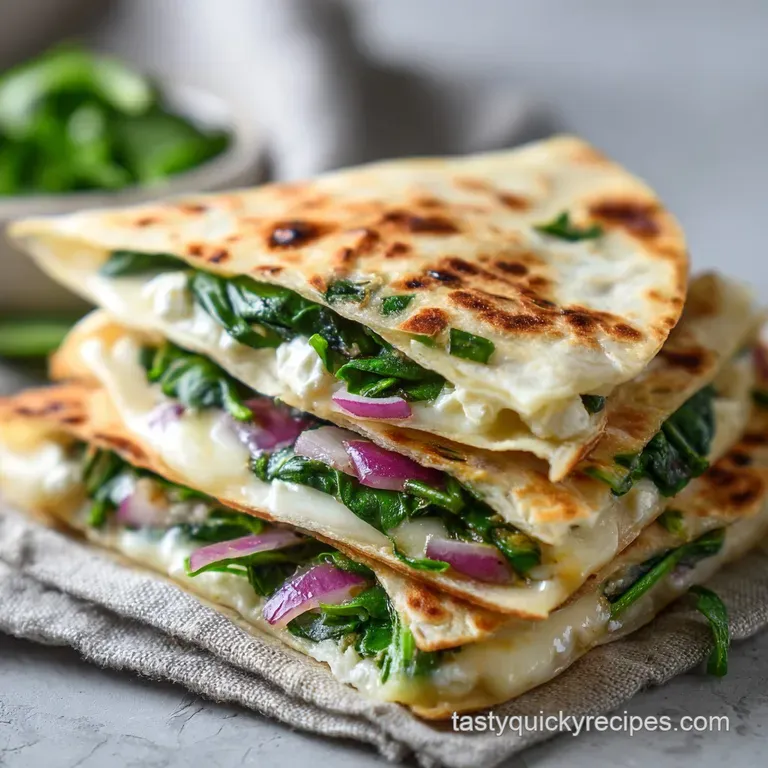
You don't need a professional kitchen, but a few specific tools will make your life much easier. I’ve made these in everything from a cast iron skillet to a cheap camping pan, and while the heat retention varies, the technique remains the same.
Non Stick Skillet Essentials
A large (12 inch) non stick skillet is your best friend here. It allows you to flip the quesadilla without worrying about the cheese sticking to the pan if a little bit leaks out. If you prefer a more "rustic" charred look, a well seasoned cast iron skillet (like a Lodge) works beautifully because it holds heat so consistently.
Sturdy Metal Spatula
You want something thin enough to slide under the tortilla without tearing it, but sturdy enough to press down firmly. Pressing is key to getting that even, mahogany brown color. I also recommend having a pizza cutter handy it’s the only way to get those clean, cafe style wedges without dragging the cheese out of the center.
Precision Cooking Flow and Steps
- Prep the greens. Grab your baby spinach and chop it roughly. Place it in a clean kitchen towel and squeeze with all your might. You'll be shocked at how much water comes out.
- Mix the core. In a large mixing bowl, combine the squeezed spinach, crumbled feta, thinly sliced red onion, dried oregano, and black pepper. Toss it thoroughly so the feta is evenly distributed.
- Create the shield. Lay your tortillas flat. Sprinkle exactly 1/4 cup of mozzarella over one half of each tortilla. This is our moisture barrier!
- Load the filling. Distribute the spinach feta mixture evenly over the mozzarella layer. Make sure you don't go too close to the edge or it will tumble out.
- Seal the deal. Sprinkle the remaining mozzarella over the filling. This "top glue" ensures the folded tortilla stays shut. Fold it over into a half moon shape.
- Heat the pan. Add your butter to the skillet over medium low heat. Let it melt and start to shimmer, but don't let it turn brown yet.
- Sizzle and press. Place the folded quesadillas in the pan. Use your spatula to press down gently for about 2–3 minutes. We are looking for a deep mahogany brown color.
- The final flip. Carefully flip the quesadilla. Cook for another 2 minutes. You’ll know it’s done when the cheese at the edges is bubbling and the crust sounds "hollow" or crispy when tapped.
- The rest period. Remove from the heat and let it sit for 1 minute on a cutting board. This allows the cheeses to set so they don't slide out when you cut them.
- Slice and serve. Use a pizza cutter to slice each half moon into three wedges. Serve while the cheese is molten and the crust is shattering crisp.
Chef's Tip: If you want an even crispier exterior, grate a tiny bit of parmesan cheese directly into the butter in the pan just before you lay the tortilla down. It creates a "cheese crust" on the outside of the flour.
Resolving Common Cooking Hiccups
Even the simplest recipes can go sideways. The most common issue people face with this Mediterranean Quesadilla Recipe with Spinach Feta Mozzarella Red Onion is the "slide." This happens when the filling isn't anchored properly, or the heat is too high, causing the cheese to liquify and run before it has a chance to bind with the veggies.
The Dreaded Soggy Middle
If your tortilla feels limp or wet, it’s almost always a moisture issue. Either the spinach wasn't squeezed enough, or you skipped the mozzarella "shield" layer. To fix this mid cook, turn the heat up slightly and cook for an extra minute uncovered to let the steam escape.
Filling Falling Out
If your spinach is jumping ship every time you flip, you might be overstuffing or not using enough "glue" cheese. Remember, the mozzarella is there for more than just flavor it's the mortar. Always ensure there is cheese on the very top and very bottom of the filling.
| Problem | Root Cause | Solution |
|---|---|---|
| Burnt outside, cold inside | Heat is too high | Lower heat to medium low and cover the pan for 60 seconds to trap steam. |
| Greasy texture | Pan wasn't hot enough | Ensure butter is shimmering before adding the tortilla; use less butter next time. |
| Filling is bland | Not enough salt/acid | Add a squeeze of fresh lemon juice or an extra pinch of salt to the spinach mix. |
Common Mistakes Checklist
- ✓ Skipping the "squeeze" step for the spinach (results in a soggy mess).
- ✓ Using "pre crumbled" feta that is too dry (it won't integrate as well).
- ✓ Flipping too early before the first layer of mozzarella has melted.
- ✓ Crowding the pan with too many quesadillas at once (lowers the temp too much).
- ✓ Slicing immediately instead of letting the cheese "set" for 60 seconds.
Adapting Flavors for Every Table
One of the best things about this recipe is how easy it is to scale up for a crowd or scale down for a solo snack. If you’re making this for a big family dinner, I suggest using two pans simultaneously or keeping the finished quesadillas on a wire rack in a 200°F (95°C) oven to stay crisp while you finish the rest.
Adding Hearty Chicken Strips
If you have leftover grilled chicken, shred it and toss it into the spinach mixture. It turns a light meal into a protein heavy dinner. If you're looking for a specific chicken based pasta to match these vibes, check out my Tuscan Chicken Pasta for another night this week.
A Spicy Harissa Kick
For those who like a bit of heat, spread a thin layer of Harissa paste on the inside of the tortilla before adding the cheese. It adds a smoky, chili forward depth that plays beautifully with the cooling feta.
Stovetop vs Oven Comparison
While I always prefer the stovetop for that direct contact crunch, sometimes the oven is more practical for large batches.
| Method | Time | Texture | Best For |
|---|---|---|---|
| Stovetop | 5 minutes | Shatter crisp and buttery | Maximum flavor and texture |
| Oven (400°F/200°C) | 12 minutes | Evenly toasted but less "fried" | Large groups (sheet pan style) |
| Air Fryer | 6 minutes | Extremely crunchy | Individual portions |
Long Term Storage Strategies
While these are definitely best eaten fresh out of the pan, you can absolutely save leftovers. The key is knowing how to revive that crunch. If you put a leftover quesadilla in the microwave, it will turn into a rubbery, sad version of its former self. Don't do it!
Freezing Your Prep
You can actually assemble these quesadillas (before cooking) and freeze them! Wrap each folded, uncooked quesadilla in parchment paper and then foil. They will stay fresh for up to 2 months.
When you're ready to eat, you can cook them directly from frozen just lower the heat and add about 2 minutes to each side to ensure the center thaws and melts.
Reviving the Shatter Crisp
To reheat a cooked quesadilla, use a dry skillet over medium heat for about 2 minutes per side. This pulls the moisture back out of the tortilla and melts the cheese again.
Alternatively, an air fryer at 350°F (180°C) for 3 minutes works like a charm.
Zero Waste Tip: Don't throw away those red onion scraps or spinach stems! Throw them into a freezer bag. Once the bag is full, boil them with some peppercorns and water to make a quick vegetable scrap stock for soups or risotto.
Refreshing Sides for the Table
To turn this into a full Mediterranean feast, you need a little bit of contrast. Since the quesadilla is warm, salty, and crispy, you want something cool, acidic, and fresh to go with it. A simple dollop of Greek yogurt mixed with a little lemon zest and dried dill makes a perfect dipping sauce.
For a Refreshing Contrast
A cucumber and tomato salad is the classic choice. The watery crunch of the cucumber cleanses the palate between bites of the rich, cheesy quesadilla. If you're hosting a larger gathering, you might even consider serving these alongside an Italian Pasta Salad to round out the meal with some hearty grains and more fresh veggies.
For a Complete Meal
If you want to go the "soup and sandwich" route, these wedges are incredible when dipped into a bowl of Olive Garden Pasta Fagioli. The beans and broth provide a rustic, earthy backdrop that makes the tang of the feta really pop.
Debunking Kitchen Myths
One big myth is that you need "quesadilla cheese" or Mexican blends for a good melt. In reality, a good quality Mozzarella is almost identical in melting properties to Queso Oaxaca. Another myth is that you shouldn't use butter because it burns.
While butter can burn, using medium low heat allows the milk solids to brown (becoming "beurre noisette") which adds a nutty, toasted flavor that oil simply can't match. Just keep an eye on your flame!
Very High in Sodium
1125 mg 1125 mg (49% 49% of daily value)
The American Heart Association recommends limiting sodium intake to 2,300mg per day.
Tips to Reduce Sodium
-
Choose Lower Sodium Cheeses-20%
Feta cheese is a significant sodium contributor. Opt for a lower sodium feta or a part skim mozzarella for a noticeable reduction.
-
Boost Flavor with Herbs and Spices
Amplify the taste of your dish by generously using fresh herbs, garlic powder, onion powder, or chili flakes instead of relying on salt.
-
Use Unsalted Butter
This recipe already calls for unsalted butter, which is great! If you ever see salted butter in similar recipes, always switch to unsalted.
-
Control Added Salt-10%
The recipe doesn't explicitly list added salt, but if you typically add it, omit it entirely. The cheeses provide enough saltiness.
Recipe FAQs
Is it necessary to squeeze the baby spinach before adding it to the mixture?
Yes, this is critical. Failing to squeeze the water out of your chopped spinach will result in a soggy quesadilla instead of a crisp one.
How to ensure the quesadilla gets that signature shattering crisp crust?
Cook over medium low heat and press down gently with a spatula. This technique ensures the exterior achieves a mahogany brown color without burning the tortilla before the cheese melts inside. If you enjoyed achieving this precise crust texture here, you can apply similar heat control logic to other searing recipes.
Is it true that I should slice the quesadilla immediately after taking it out of the pan?
No, this is a common misconception. You must let the quesadilla rest for exactly 1 minute before slicing so the molten cheeses can set slightly, preventing them from oozing out during cutting.
How to keep the mozzarella from sliding out while flipping?
Place a layer of mozzarella on the bottom of the tortilla first. This acts as a moisture barrier and a "glue" that anchors the spinach feta mixture to the tortilla, keeping everything intact when you turn it.
Can I cook multiple quesadillas at once in the skillet?
How to tell when the quesadilla is ready to flip?
Wait 2 3 minutes until the bottom is mahogany brown. If you try to flip before this visual cue is met, the cheese will not have softened enough to act as a binder, and the filling may shift.
Is it better to use pre-crumbled feta for this recipe?
No, try to avoid pre-crumbled feta if possible. Pre-crumbled varieties are often too dry and don't integrate as well with the other ingredients; using a block of feta that you crumble yourself provides a better texture.
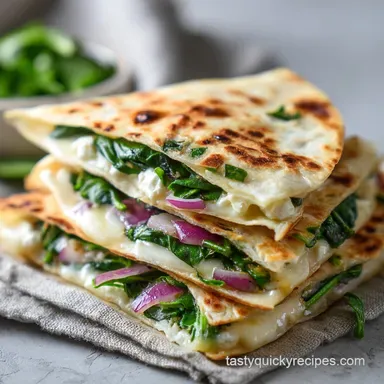
Spinach Feta Mediterranean Quesadilla
Ingredients:
Instructions:
Nutrition Facts:
| Calories | 552 kcal |
|---|---|
| Protein | 25 g |
| Fat | 31 g |
| Carbs | 43 g |
| Fiber | 3.2 g |
| Sugar | 3.5 g |
| Sodium | 1125 mg |
