Apple Butter: Silky and Caramelized
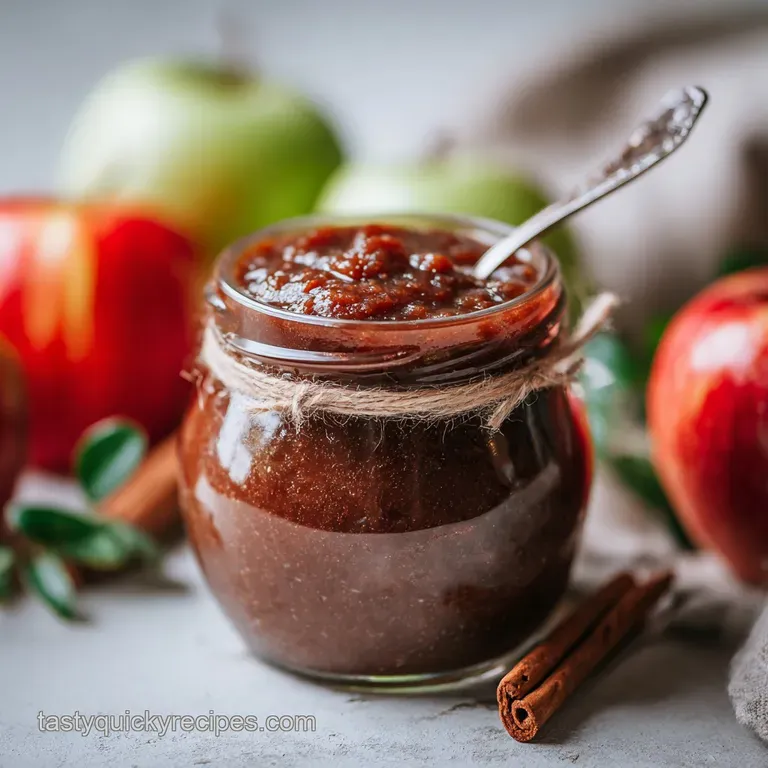
- Time: Active 10 minutes, Passive 25 minutes, Total 35 minutes
- Flavor/Texture Hook: Deeply caramelized mahogany spread with a silky, concentrated apple essence and warm spice notes.
- Perfect for: Juggling busy weeknights, holiday gifting, or a speedy weekend brunch addition.
- Transform Simple Applesauce Into Rich Silky Apple Butter Fast
- Performance Metrics for This Quick Skillet Fruit Reduction
- Choosing Quality Components for Maximum Flavor Intensity
- Essential Kitchen Tools for Efficient Fruit Butter Production
- Mastering the Reduction Process for a Velvety Spread
- Fixing Texture Flaws and Rescuing Overcooked Fruit Sugars
- Modifying the Base for Specific Dietary Requirements
- Preserving the Harvest with Smart Storage Solutions
- Beyond the Toast: Creative Ways to Use Apple Butter
- Debunking Fruit Butter Misconceptions
- Recipe FAQs
- 📝 Recipe Card
Transform Simple Applesauce Into Rich Silky Apple Butter Fast
Have you ever wondered why that tiny jar of artisanal fruit spread at the farmers market costs more than a decent bottle of wine? It’s usually because traditional recipes require hours of hovering over a bubbling cauldron, waiting for the fruit to surrender its moisture.
I used to think the same, spending my Saturdays stirring a slow cooker until my arm went numb, only to end up with something that tasted more like burnt sugar than bright, autumnal fruit.
The secret to a truly great spread isn't actually time; it's physics. By swapping the deep, narrow pot for a wide, shallow skillet, we change how moisture leaves the pan. When I first tried this "speedy apple butter" method while juggling a toddler and a mountain of laundry, I was skeptical.
But the moment the sugars hit that mahogany stage in under thirty minutes, I knew I’d never go back to the old way. It's fast, it's flavorful, and it actually tastes like the fruit it was made from.
Right then, let's get into what makes this work. We aren't just heating things up; we're performing a controlled reduction. Using unsweetened applesauce gives us a massive head start because the fruit is already broken down.
We're just here to concentrate the flavors and create that signature velvety mouthfeel that makes Apple Butter so irresistible on a hot piece of toast. Trust me on this: once you see the "trench test" in action, you'll feel like a total pro.
What Actually Makes It Thick and Glossy
The transition from watery sauce to thick butter relies on three specific things happening simultaneously in your skillet. We aren't just boiling off water; we're rearranging the structure of the fruit itself to create that glossy finish we all crave.
- Surface Area Maximization: A wide skillet allows steam to escape much faster than a deep pot, cutting the reduction time by nearly 70% while keeping the fruit flavor bright.
- Sugar Concentration: As water evaporates, the ratio of sugar to liquid increases, creating a natural syrup that binds the apple solids into a spreadable paste.
- Acid Stabilization: Adding apple cider vinegar at the very end doesn't just add tang; it cuts through the heavy sweetness and helps "set" the texture so it isn't cloying.
| Method | Time | Texture | Best For |
|---|---|---|---|
| Wide Skillet | 30 minutes | Velvety and glossy | Quick batches, intense flavor |
| Slow Cooker | 10 hours | Dark and chunky | Hands off bulk cooking |
| Dutch Oven | 2 hours | Rustic and thick | Larger family portions |
The choice of method significantly impacts how much water is retained in the final product. A skillet is the champion of evaporation. Because the liquid is spread thin, the heat can reach every molecule of water and turn it into steam almost instantly.
In a deep pot, the steam has to fight its way through layers of heavy sauce, which is why it often ends up "plopping" and making a mess of your stovetop.
Component Analysis
| Ingredient | Science Role | Pro Secret |
|---|---|---|
| Unsweetened Applesauce | Provides the pectin base | Use a "chunky" style for more texture or "smooth" for a butter like finish. |
| Dark Brown Sugar | Adds molasses and moisture | Pack it tight to ensure the molasses content is high enough for deep color. |
| Ground Cloves | Chemical heat and depth | A tiny amount goes a long way; it provides the "bass note" to the cinnamon. |
| Apple Cider Vinegar | pH balance and brightness | Always add this off heat to preserve the volatile aromatic compounds. |
Choosing the right base is essential for the final mouthfeel. I always reach for unsweetened sauce because it gives us total control over the sweetness level. If you use a sweetened version, the final product will likely be too sugary once it reduces.
This is a budget friendly way to get high end results without peeling a single apple.
Performance Metrics for This Quick Skillet Fruit Reduction
When we talk about making a great fruit spread, we need to be precise. Unlike a soup where a little extra liquid doesn't hurt, fruit butters rely on a specific concentration of solids. If you stop too early, you have spiced sauce. If you go too long, you have apple leather. We want that sweet spot right in the middle where it holds its shape on a knife but melts into the nooks and crannies of a Peanut Butter Cookie if you're using it as a filling.
For this recipe, we are looking for a total yield of about 32 servings, which equates to roughly 2 cups of finished butter. The prep time is a mere 5 minutes because we aren't peeling, coring, or chopping. The heavy lifting happens during the 30 minutes of cook time.
You’ll spend about 20–25 minutes of that time actually simmering and stirring. It’s a very active process, but the results are far superior to the "set it and forget it" methods that often lead to uneven cooking or scorched bottoms.
| Metric | Target Value | Visual Cue |
|---|---|---|
| Simmer Temp | Medium Low | Small, consistent bubbles, not a violent boil |
| Color Stage | Mahogany | The color of an old penny or dark maple syrup |
| Reduction | 50% Volume | The sauce should sit much lower in the pan than when you started |
Consistency is everything here. We use 4 cups (900g) of unsweetened applesauce as our starting point. By the time the 30 minutes are up, you’ll have concentrated that down into a dense, flavorful spread.
The addition of the sugars 0.5 cup (100g) of dark brown and 0.25 cup (50g) of granulated doesn't just sweeten the mix; it aids in the preservation and texture development.
Choosing Quality Components for Maximum Flavor Intensity
The grocery list for this is short, but the quality of your spices makes or breaks the dish. Since we are concentrating everything, any stale flavors in your spice cabinet will be amplified. I once used cinnamon that had been sitting in the back of my pantry for three years, and the result was dusty and flat.
Now, I always do a "sniff test" before starting. If the spice doesn't hit you with a sharp, clear aroma, it’s time to replace it.
- 4 cups (900g) Unsweetened Applesauce: Look for one where the only ingredients are apples and water. Avoid anything with added corn syrup or preservatives.
- 0.5 cup (100g) Dark Brown Sugar, packed: The "dark" part is non negotiable if you want that deep, molasses rich undertone. Why this? The higher molasses content speeds up the darkening of the butter through caramelization.
- 0.25 cup (50g) Granulated White Sugar: This provides a clean sweetness that doesn't compete with the apple flavor.
- 1.5 tsp Ground Cinnamon: Use a high-quality Cassia cinnamon for that classic "red hot" spice profile.
- 0.5 tsp Ground Cloves: This adds a sophisticated, slightly medicinal heat that balances the sugars.
- 0.25 tsp Ground Allspice: Often described as a mix of cinnamon, nutmeg, and cloves, it rounds out the spice profile.
- 0.125 tsp Fine Sea Salt: Salt is the most overlooked ingredient in fruit spreads; it makes the apple flavor "pop" instead of just being sweet.
- 1 tsp Apple Cider Vinegar: This provides the necessary acidity to balance the sugars. Why this? It mimics the natural tartness of fresh cider apples which is lost during the sauce making process.
- 1 tsp Pure Vanilla Extract: Adds a creamy, floral finish that ties all the spices together.
| Original Ingredient | Substitute | Why It Works |
|---|---|---|
| Dark Brown Sugar | Light Brown Sugar + 1 tsp Molasses | Replicates the moisture and deep flavor profile of dark brown sugar. |
| Apple Cider Vinegar | Lemon Juice | Provides necessary acidity. Note: Lacks the apple on-apple flavor depth of ACV. |
| Ground Allspice | Equal mix of Nutmeg and Mace | Provides a similar warm, earthy complexity to the spice blend. |
One mistake I often see is people skipping the salt. Honestly, don't even bother making this without it. A tiny pinch of fine sea salt acts as a flavor magnifier. It suppresses bitterness and enhances the perception of sweetness without needing to add more sugar.
It's the difference between a flat, one note spread and something that tastes like a professional pastry chef made it in a high end kitchen.
Essential Kitchen Tools for Efficient Fruit Butter Production
The most important tool in your arsenal for this recipe is the pan. If you use a high sided saucepan, you are fighting a losing battle against steam. You want a wide skillet or a sauté pan something with a lot of surface area.
I prefer using a heavy bottomed stainless steel skillet because it allows me to see the color change of the sugars more clearly than dark cast iron.
Chef's Tip: Use a silicone spatula instead of a wooden spoon. The flexible edge allows you to scrape every millimeter of the pan’s surface, which is vital for preventing the "sugar crust" that can form and then burn.
You’ll also want a balloon whisk for the initial stage to break up any spice clumps. If the spices aren't evenly distributed at the beginning, they can form bitter pockets in the finished butter. Once the mixture starts to thicken, switch to the spatula.
The goal is to keep the mixture moving just enough so it doesn't scorch, but not so much that you're splashing it all over your stovetop.
The Role of Heat Conductors
A heavy pan is crucial because it distributes heat evenly. Thin, cheap pans often have "hot spots" where the sugar will burn while the rest of the sauce is still watery. If you're using a gas stove, keep an eye on the flame spread; you want the heat to cover the bottom of the pan as much as possible without licking up the sides.
For a smoother than silk finish, some people like to use an immersion blender at the very end. While the applesauce is usually smooth enough, a quick 30 second zap with a blender can incorporate the vanilla and vinegar more thoroughly and create a truly professional, "whipped" texture.
It isn't strictly necessary, but it's a nice touch if you're planning on using this as a gift.
Mastering the Reduction Process for a Velvety Spread
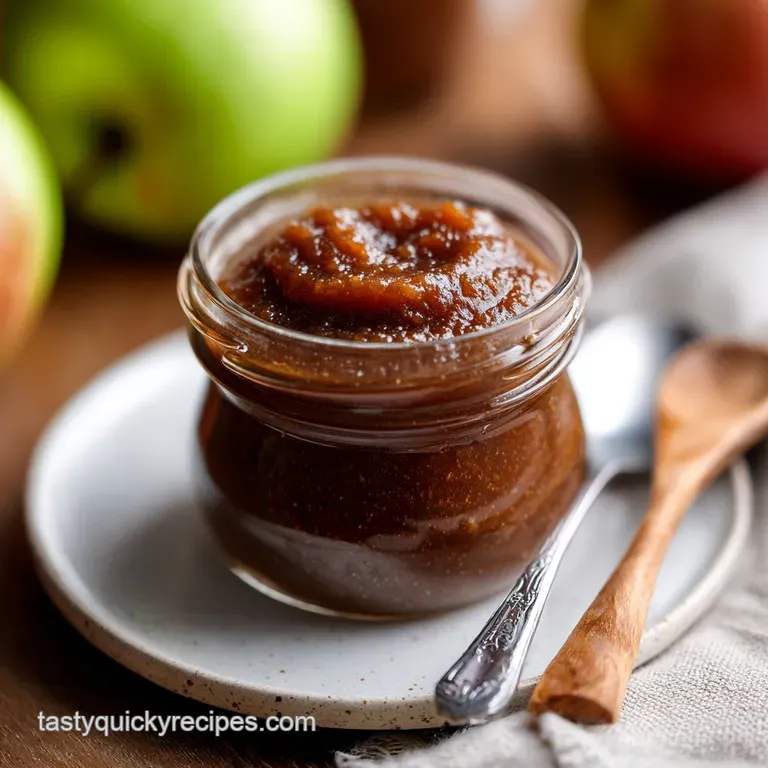
- Place a wide skillet or sauté pan over medium high heat. Add the unsweetened applesauce, dark brown sugar, granulated sugar, cinnamon, cloves, allspice, and sea salt.
- Whisk the mixture briefly to ensure spices are evenly distributed and sugars begin to dissolve. Note: Doing this while the sauce is still cool prevents the spices from clumping in the heat.
- Bring the mixture to a gentle boil until large, lazy bubbles begin to break the surface.
- Immediately reduce the heat to medium low. You want a consistent simmer, not a violent eruption.
- Simmer for 20–25 minutes, stirring frequently with a silicone spatula. Ensure you scrape the bottom and sides to prevent scorching as the sugars concentrate.
- The butter is ready when it reaches a dark mahogany color and passes the 'trench test.'
- To perform the 'trench test,' drag your spatula through the center of the pan. The butter is done if the "trench" stays open for at least 3 seconds before the sauce slowly creeps back together.
- Remove the pan from the heat immediately to prevent over reduction.
- Stir in the apple cider vinegar and pure vanilla extract until the mixture becomes glossy and fragrant.
- Let the mixture cool in the pan for 10 minutes before transferring to a clean glass jar.
During step 5, you'll notice the sound of the simmer change. It starts as a watery "hiss" and evolves into a thicker, muffled "thump." This is the sound of the water leaving and the sugars taking over. It's a great sensory cue to start stirring more frequently.
If you notice the mixture start to "spit" or "pop" aggressively, your heat is too high. Drop it down a notch and keep that spatula moving.
Fixing Texture Flaws and Rescuing Overcooked Fruit Sugars
One of the biggest hurdles with any fruit reduction is the risk of burning. Because we are working with high concentrations of sugar, the transition from "perfectly caramelized" to "burnt" can happen in under a minute. If you smell even a hint of bitterness or see dark flecks that aren't spices, you need to act fast.
Why Your Apple Butter Scorched
If you see dark, acrid bits at the bottom of the pan, the heat was likely too high for the volume of sauce. As the mixture reduces, it becomes more sensitive to heat. What was a safe "medium low" at the 10 minute mark might be too hot at the 25 minute mark because there is less water to buffer the temperature.
| Problem | Root Cause | Solution |
|---|---|---|
| Grainy Texture | Sugars didn't fully dissolve or crystallized | Add 1 tbsp of water and whisk over low heat until smooth. |
| Too Runny | Not enough evaporation | Simmer for another 5 minutes; check with the trench test. |
| Bitter Aftertaste | Spices scorched or over reduced | Add an extra 1/2 tsp of vanilla or a pinch more salt to mask. |
Common Mistakes Checklist
- ✓ Never walk away from the pan during the last 10 minutes of cooking.
- ✓ Don't use a lid; we need the steam to escape to thicken the sauce.
- ✓ Avoid using light brown sugar if you want that classic dark color.
- ✓ Always add the vanilla and vinegar after removing from heat to keep their flavors bright.
- ✓ If the butter looks "dull," add a tiny pat of butter (about 1 tsp) at the end for a professional sheen.
If your butter ends up too thick (almost like a paste), don't panic. You can whisk in a tablespoon of warm apple cider or water to loosen it back up. The goal is a spread that holds its shape but still has a "give" to it.
It will also thicken significantly as it cools, so aim for a texture that is just slightly looser than you want the final result to be.
Modifying the Base for Specific Dietary Requirements
One of the best things about this recipe is how adaptable it is for different needs. Because it's based on fruit and spices, it's naturally vegan and gluten-free. But what if you’re watching your sugar intake or want a different flavor profile?
The basic mechanics of the reduction remain the same even if you swap out the sweeteners.
If you are looking for a refined sugar-free version, you can substitute the sugars with maple syrup or honey. However, keep in mind that these are liquids. You will need to increase the simmer time by about 10 minutes to account for the extra moisture.
The flavor will also shift maple syrup adds a lovely woody note that pairs beautifully with the apples. If you want to use a dry sugar substitute like monk fruit or erythritol, use about 2/3 of the suggested amount, as they can sometimes leave a cooling aftertaste when concentrated.
For a fun twist, you could try a spiced chai variation. Replace the allspice and cloves with a teaspoon of cardamom and a pinch of ground ginger. This version is incredible when spread on Apple Pie Biscuits. The floral notes of the cardamom play perfectly off the buttery layers of the biscuit.
Scaling the Batch Size
If you find yourself with an abundance of applesauce, you can easily double this recipe. However, the "speedy" part of this "speedy apple butter recipe" depends on the surface area.
If you double the ingredients but use the same size pan, the sauce will be twice as deep, and it will take much longer than 30 minutes to reduce.
- Use two pans
- If you have the stovetop space, two skillets will keep the cook time at 30 minutes.
- Increase spices carefully
- Spices don't always scale linearly. For a double batch, start with 1.5x the spices, taste, and add more if needed.
- Salt stays low
- Only increase the salt by a tiny pinch; it’s very easy to over salt a reduction.
Preserving the Harvest with Smart Storage Solutions
Once you've achieved that perfect mahogany color and the aroma of cinnamon is filling your house, you need to store it properly. This isn't a shelf stable canned product unless you go through the full water bath canning process. For most of us, fridge storage is the way to go.
Store your finished butter in a clean glass jar with a tight fitting lid. It will stay fresh in the refrigerator for up to 3 weeks. The flavors actually continue to meld and deepen after a day or two, so it often tastes even better on Monday than it did on Sunday.
If you see any liquid separating on top (we call this syneresis), just give it a quick stir.
Freezing and Zero Waste
If you’ve made a large batch and can't finish it in three weeks, this butter freezes beautifully. I like to freeze it in silicone ice cube trays. Once frozen, pop the cubes into a freezer bag.
This way, you can grab a single serving whenever you want to brighten up your morning oatmeal or swirl it into some yogurt. It will keep in the freezer for up to 6 months.
Don't let any of that goodness go to waste! If you have a jar that’s almost empty, don't wash it out yet. Pour in some warm milk or a bit of heavy cream, shake it up, and you’ve got an instant spiced apple latte base. You can also use the last tablespoon or two as a glaze for roast pork or chicken.
The sugars and acidity in the butter make for a fantastic quick pan sauce.
Beyond the Toast: Creative Ways to Use Apple Butter
While a thick layer of this spread on a piece of sourdough is a classic for a reason, its utility in the kitchen goes way beyond breakfast. Because this is essentially a concentrated fruit essence with high sugar and acid content, it acts as a powerful flavor booster in both sweet and savory applications.
In the savory world, this butter is a secret weapon for grilled cheese sandwiches. Try pairing it with a sharp cheddar or a creamy brie. The sweetness of the apple cuts through the richness of the cheese in a way that is absolutely addictive. It also makes a brilliant base for a BBQ sauce.
Whisk a quarter cup of the butter into your favorite tomato based sauce for a smoky, fruity depth that is perfect for ribs or pulled pork.
The Sweet Side of Things
For dessert, try using it as a filling for thumbprint cookies or as a layer in a parfait. It’s also a great fat replacement in some baking recipes. You can swap out half the butter in a spice cake recipe for apple butter; it adds incredible moisture and a built up flavor profile that you just can't get from oil or plain butter.
The Versatility of the Spread
- As a Glaze: Brush it over carrots or sweet potatoes during the last 10 minutes of roasting.
- In Vinaigrettes: Whisk 1 tablespoon with olive oil and Dijon mustard for an autumnal salad dressing.
- With Charcuterie: It’s the perfect companion for salty meats like prosciutto or aged salami.
Debunking Fruit Butter Misconceptions
There is a common belief that you must use whole apples to get "real" fruit butter. This simply isn't true. Applesauce is just apples that have already been cooked and pureed. By using a high-quality, unsweetened sauce, you are skipping the most tedious part of the process without sacrificing any of the flavor.
In fact, because the sauce is already homogenized, you often get a smoother, more consistent result than you would by processing whole fruit at home.
Another myth is that fruit butter contains actual dairy butter. It’s called "butter" because of its thick, spreadable consistency, not its ingredients. This recipe is completely dairy-free (unless you add that optional pat of butter at the end for shine).
This makes it a fantastic option for vegan guests or those with dairy sensitivities who still want that rich, indulgent mouthfeel on their morning toast.
Finally, don't believe the idea that you need a specialized "copper kettle" to get the right color. The mahogany hue comes from the Maillard reaction and the caramelization of the sugars, both of which happen perfectly well in a standard stainless steel skillet.
As long as you have enough surface area and maintain a steady, low heat, your results will be indistinguishable from the "old-fashioned" versions that take all day to make.
Recipe FAQs
How to know when the apple butter is finished cooking?
Look for a dark mahogany color and the "trench test" result. The butter is ready when dragging your silicone spatula through the center leaves a clean trail that doesn't immediately fill back in with liquid.
Is it necessary to use a slow cooker for this recipe?
No, this is a common misconception. A wide skillet is significantly more efficient because its surface area promotes faster evaporation, allowing you to reach that deep, concentrated texture in just 30 minutes.
How to keep the mixture from burning during the reduction?
Stir frequently while scraping the bottom and sides of the pan. Since we are concentrating sugars rapidly over medium low heat, consistent movement is key to preventing scorched spots.
Can I store this for later use?
Yes, store it in the refrigerator for up to one week. If you enjoyed the deep, caramelized results here, you can apply similar heat control techniques to achieve perfectly creamy potatoes by managing your moisture levels effectively.
How to adjust the sweetness level?
Use the specified dark brown and granulated sugar amounts to ensure proper caramelization. The sugars act as the foundation for the texture; changing these ratios will impact how quickly the mixture achieves the necessary spreadable consistency.
When should I add the vinegar and vanilla extract?
Stir them in immediately after removing the pan from the heat. Adding these ingredients at the very end preserves their aromatic qualities and helps balance the deep sweetness of the reduced sugars.
Why is the mixture sputtering while it boils?
This occurs as moisture escapes during the initial boil phase. Reduce the heat to medium low promptly once you reach a gentle boil to keep the reduction manageable and safe while you continue stirring.
Speedy Homemade Apple Butter
Ingredients:
Instructions:
Nutrition Facts:
| Calories | 30 kcal |
|---|---|
| Protein | 0.1 g |
| Fat | 0 g |
| Carbs | 8 g |
| Fiber | 0.3 g |
| Sugar | 7.2 g |
| Sodium | 9 mg |
