Pork Butt Rub: Smoky Carolina-Style Seasoning Blend
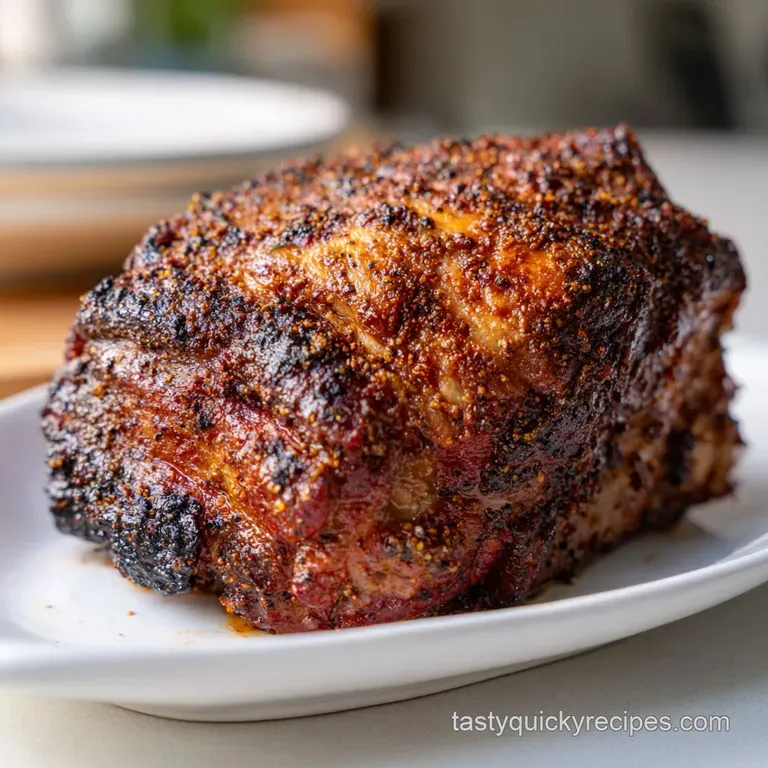
- The Foundation of Flavor: Mastering the Ultimate BBQ Pork Bark
- The Science of the Bark: How This Blend Delivers Depth
- Breaking Down the Blend: Essential Components of the Dry Rub
- Customizing Your Blend: Ingredient Swaps for Dietary Needs
- Crafting Your Signature Seasoning: Step-by-Step Guide to the Pork Butt Rub
- From Preparation to Pit: Professional Tips for Maximizing the Rub
- Preserving Potency: Handling and Storing Homemade Dry Rub
- The Final Touches: Complementary Pairings for Pulled Pork
- Recipe FAQs
- 📝 Recipe Card
The Foundation of Flavor: Mastering the Ultimate BBQ Pork Bark
There is nothing quite like the smell of low and slow barbecue on a weekend morning. That aroma, that intoxicating promise of smoke and spices, truly defines the whole experience. Forget complicated marinades or fancy injections; the real magic of smoked pulled pork, that juicy masterpiece, lies in the intense, flavorful crust we call the bark.
This Homemade Pork Butt Rub is cheap, unbelievably easy, and it’s the secret weapon you need for tackling a massive pork shoulder. It transforms a relatively inexpensive cut of meat into pure gold, making you look like a certified pitmaster in the process.
It's truly a lifesaver when you realize Sunday is smoking day and you’re completely out of the store-bought stuff.
Ready to stop guessing and start creating the best, deepest bark you've ever tasted? This Smoky Carolina style blend balances the essential four pillars of great barbecue: sweetness, salt, spice, and deep, lingering smoke. Let's crack on with mixing up your new favorite Pork Butt Rub .
The Science of the Bark: How This Blend Delivers Depth
A dry rub isn't just seasoning; it’s a chemical reaction waiting to happen. We are playing a long game here, where the rub needs to penetrate the meat while simultaneously creating a sturdy exterior that withstands 12+ hours of heat and smoke.
This specific combination ensures maximum adhesion and flavor development.
What Makes a Carolina Style Rub Unique?
Carolina BBQ favors a high ratio of brown sugar to paprika, often leaning into a sweeter, slightly tangier profile compared to Texas rubs. We use the sweetness here to promote caramelization, which helps the color deepen and the crust stick firmly to the fatty pork. Trust me, don’t skimp on the sugar.
The Essential Role of the Dry Rub in Smoking
The salt component is non-negotiable. Kosher salt starts drawing moisture out of the pork immediately, dissolving some of the spices and creating a super saturated layer of flavor on the surface. That briny liquid gets reabsorbed, seasoning the meat deep inside while helping the remaining spices stick like glue.
This isn't just surface seasoning, it’s a dry brine effect.
Equipment Check: Tools for the Perfect Blend
Honestly, you don't need much, but precision matters. Use proper measuring spoons instead of eyeballing everything, especially the cayenne. I once messed up a batch by using a too-big spoon for the chili powder, and the resulting pork needed a fire extinguisher (a lesson I learned the hard way).
A simple non-reactive bowl and a small whisk are all you truly require to make this Best Pork Butt Rub .
Balancing Sweetness and Salt for Optimal Cure
The key ratio in this specific recipe is about 2:1 for sugar to salt. Too much salt, and your pork will taste cured and dry out too quickly during the cook. Too much sugar, and the rub will burn during the long smoke, leading to a bitter crust instead of a sweet, dark bark.
The Maillard Reaction: Smoke, Sugar, and Spice
The brown sugar is the MVP of the bark. When exposed to heat and smoke, it melts, mixing with the rendered fat and activating the amino acids in the meat (the Maillard reaction). This combination creates the incredible deep mahogany color and the signature smoky, savory flavor we crave.
The paprika adds that gorgeous, reddish brown hue right from the start.
Achieving the Ideal Texture and Coverage
We use coarse Kosher salt and freshly coarsely ground black pepper for a reason. Fine spices tend to dissolve and disappear, but coarser grains provide textural stability, ensuring that delicious crust holds up during the long, damp environment of the smoker.
Breaking Down the Blend: Essential Components of the Dry Rub
Every ingredient in this recipe serves a distinct purpose. It’s not just about throwing random things together; it’s about creating layers of flavor that evolve over 14 hours.
| Ingredient | Primary Function | Flavor Contribution |
|---|---|---|
| Brown Sugar | Caramelization & Crust | Sweet, Molasses, Rich |
| Kosher Salt | Brining & Seasoning | Essential Salinity |
| Smoked Paprika | Color & Smoke Depth | Deep Smokiness |
| Garlic/Onion Powder | Aromatics & Savory Base | Umami, Depth |
| Cayenne Pepper | Heat Balance | Back End Kick |
Customizing Your Blend: Ingredient Swaps for Dietary Needs
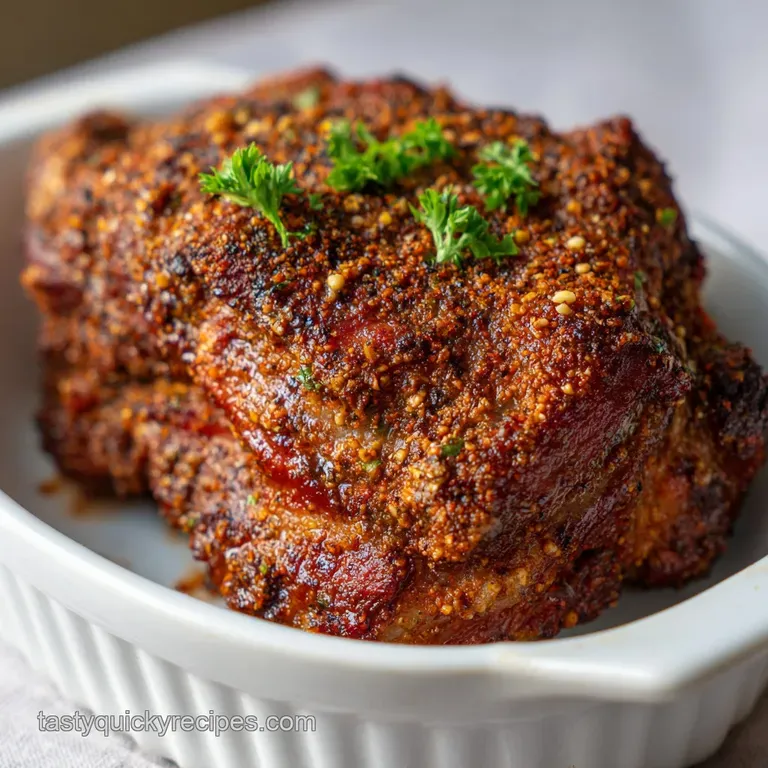
Making your own Homemade Pork Butt Rub means you have complete control over the flavor profile and dietary restrictions. Feel free to tweak these components based on what you have in your pantry or what your family prefers.
The Role of Brown Sugar vs. Granulated Sugar
Brown sugar is crucial here because of its molasses content, which raises the burning point slightly and adds depth. If you only have granulated sugar, you can use it, but try adding a teaspoon of dark molasses or maple sugar to your binder for a similar effect.
Selecting Your Smoke: Paprika Variety Deep Dive
Don’t grab just any paprika; the smoked variety is mandatory for deep flavor. I prefer Sweet Spanish Smoked Paprika for its mild, robust flavor profile.
If you only have standard paprika, you need to add a pinch of chili powder or ground chipotle powder to compensate for the lost smoky notes.
Adjusting the Heat: Cayenne Pepper Ratios
I specify half a teaspoon of cayenne, which provides a lovely background warmth that doesn't overwhelm the flavor. If you’re cooking for heat lovers, you can easily push this to a full teaspoon of cayenne or substitute it with hotter chili flakes. If you're sensitive to heat, simply omit the cayenne entirely.
Making the Rub sugar-free: Alternatives to Molasses Based Sweeteners
For those reducing carbs, substitutes like erythritol or monk fruit sweetener can be used in place of brown sugar. Be aware that these substitutes won't caramelize the same way, so your bark might be lighter in color and slightly less sticky. You might need to rely more heavily on your binder.
Sodium Control: Reducing Salt Without Losing Flavor
If you need to reduce sodium, halve the Kosher salt measurement, but do not skip the salt completely . Salt is vital for penetration and moisture retention. To compensate for the reduced seasoning, try adding more granulated garlic and onion powder, as these provide savory flavor without sodium.
Finding the Right Grind: Consistency Matters
If your spices feel like dust, they're too fine. If you can, use a mortar and pestle or a small spice grinder for the black pepper to achieve a coarse, cracked texture. This coarse grind prevents all the pepper from being dissolved away during the initial sweat phase of the smoking process.
Crafting Your Signature Seasoning: step-by-step Guide to the Pork Butt Rub
This Pork Butt Dry Rub is simple to assemble, but the mixing phase is critical.
Preparation: Measuring Spices by Weight vs. Volume
While volume measurements (cups and tablespoons) work fine, if you are serious about consistency, measure your spices by weight. This is especially true for salt and brown sugar, as humidity can drastically change their volume based density.
The Blending Technique: Ensuring Homogeneity
- Start with the Base: Add the brown sugar, Kosher salt, and all powders (paprika, garlic, onion, chili) to a clean, dry bowl.
- Whisk Thoroughly: Use a whisk and mix everything vigorously for a full two minutes. You must break up any lumps in the brown sugar and ensure the salt and cayenne are evenly distributed. There should be no visible stripes of white salt or concentrated sugar.
- Add Coarse Spices: Finally, stir in the coarse black pepper and any dried herbs like thyme or oregano.
Immediate Use vs. Resting the Blend
You can use the rub immediately, of course! However, for optimal flavor melding, let the blend sit in an airtight container for at least 24 hours. This allows the essential oils in the powdered spices to exchange and deepen their profiles before they hit the meat.
Chef’s Note: Never mix your dry rub in a bowl that has recently contained liquid. Even a small amount of residual moisture can activate the sugar and ruin the storage life of the whole batch.
From Preparation to Pit: Professional Tips for Maximizing the Rub
We’ve made the rub; now we have to apply it right. Application is where most home cooks stumble, resulting in patchy, inconsistent bark.
The Binder Debate: Oil, Mustard, or Straight Dry?
I am firmly in the yellow mustard camp for pork butt. Use a very thin layer of cheap yellow mustard (not Dijon, it’s too strong). The vinegar content in the mustard helps tenderize the surface slightly, and the thick texture acts as the perfect adhesive.
Don’t worry; you won’t taste the mustard after a 12 hour smoke.
Rookie Mistake: Applying Too Much (or Too Little) Rub
People often apply too little, afraid of "over seasoning." For a pork butt, you need a thick, even layer the meat should look completely covered in a dark red blanket. You cannot see the pink meat underneath. If you see patches, you need more rub.
This is how you guarantee that deep, crusty bark.
How Long to Let the Rub Penetrate the Pork Shoulder
After applying the generous coating of Smoked Pork Butt Rub , place the pork butt on a wire rack, uncovered, in the refrigerator. Let it rest for a minimum of 6 hours, and ideally overnight (12– 24 hours).
This rest allows the salt to penetrate the muscle and encourages the exterior to dry out slightly, which is crucial for forming that incredible bark quickly in the smoker.
Preserving Potency: Handling and Storing Homemade Dry Rub
A homemade rub is only as good as the freshness of its ingredients. Proper storage ensures your hard work doesn't go stale.
Shelf Life and Best Practice Container Choices
Because this blend contains brown sugar, which loves to clump, you must store it in a completely airtight container. Glass jars with tight fitting lids are my go-to choice. Kept in a cool, dark pantry, this BBQ Rub for Pork Shoulder will retain its peak flavor for about six months.
After that, the spices start losing their essential oils, and the taste dulls dramatically.
Identifying Spoilage: When to Discard the Batch
The primary sign of spoilage is a lack of aroma or a noticeable change in texture. If the sugar has hardened into an impenetrable brick, it’s still likely fine, just difficult to use. If it smells dusty, musty, or chemically weak, it’s time to toss it. You want bright, pungent spices, not tired powder.
Can You Prepare the Rub in Bulk?
Absolutely! I always quadruple this recipe since I smoke pulled pork often. Making a large batch means you’re always ready for an impromptu cookout. Just remember that the shelf life clock starts ticking the moment you mix it.
The Final Touches: Complementary Pairings for Pulled Pork
This spectacular pulled pork needs sides that can handle big, bold flavor. Since the rub is sweet and smoky, you want sharpness and acidity to cut through the richness.
A classic sharp, vinegary coleslaw is mandatory; it provides the perfect textural and acidic foil. For dessert, you need something warming and buttery to cap off the meal. I often make my Apple Pie Biscuits: Flaky Laminated Dough with Brown Butter Glaze — that brown butter glaze works perfectly after the smoky pork.
This Pork Butt Seasoning Blend is truly the cornerstone of great barbecue. Go mix it up, get that pork resting overnight, and get ready for the best pulled pork you’ve ever served.
Recipe FAQs
How far in advance should I apply the rub to the pork butt?
For the best results, you should apply the rub at least 12 hours, but ideally 24 hours, before the meat hits the heat. This extended time allows the salt to dry brine the meat, drawing out moisture and then reabsorbing the spices for deeper flavor penetration and a superior bark.
Do I need a binder (like mustard or oil) before applying the rub?
A binder is not strictly required, but it is highly recommended. Yellow mustard or a light coating of olive oil provides a sticky surface for the rub to adhere evenly, ensuring complete coverage and aiding in the development of a thick, crusty bark during the smoke.
Why is my bark not forming properly and looks sticky or wet?
This is usually due to high humidity, insufficient initial heat, or the premature application of mop sauces or sprays. The sugars in the rub need several hours of heat to caramelize and dry out; avoid introducing excess moisture until the bark is fully set (typically 4 5 hours into the cook).
How long can I store this pork butt rub once it is mixed?
When stored properly in a sealed, airtight container, away from direct light and moisture, the rub will maintain optimal freshness for about six months. After this period, the volatile oils in ingredients like paprika, pepper, and garlic powder will begin to lose their potency.
My finished pulled pork tastes too salty; did I use too much rub?
Yes, excessive saltiness is almost always a result of over application or pre-brining the meat. You should apply the rub until the meat is fully coated, but ensure the layer is even and that the spices are not caking or clumping thickly in any single area.
Can I use this Carolina style rub on other meats besides pork shoulder?
Absolutely. This flavor profile is versatile and works wonderfully on pork spareribs, thick cut pork chops, or even whole chicken. If using it on poultry, monitor the temperature closely as the high sugar content can cause the skin to blacken quickly.
I don't have a smoker. Can I still use smoked paprika for flavor?
Using smoked paprika (Pimentón de la Vera) is highly recommended, especially if cooking in an oven or gas grill. This ingredient provides a deep, authentic smoke note that compensates significantly for the lack of actual wood smoke, ensuring a richer overall profile.
Smoky Carolina Pork Butt Rub
Ingredients:
Instructions:
Nutrition Facts:
| Calories | 293 kcal |
|---|---|
| Protein | 5.4 g |
| Fat | 6.9 g |
| Carbs | 59.8 g |
