Blackeyed Peas: Classic Smoky Simmer Recipe
- Elevating the Humble Cowpea: A History of Flavor and Fortune
- The Science of Savor: Achieving Deep, Smoky Flavors
- Essential Provisions for the Perfect Pot: Ingredients and Sourcing
- The Black Watch Method: Crafting the Legendary Blackeyed Peas
- Expert Secrets from the Stove: Troubleshooting and Advanced Techniques
- Making Peace with Leftovers: Proper Storage and Preservation
- Culinary Companions: The Best Pairings for Smoky Peas
- Recipe FAQs
- 📝 Recipe Card
Elevating the Humble Cowpea: A History of Flavor and Fortune
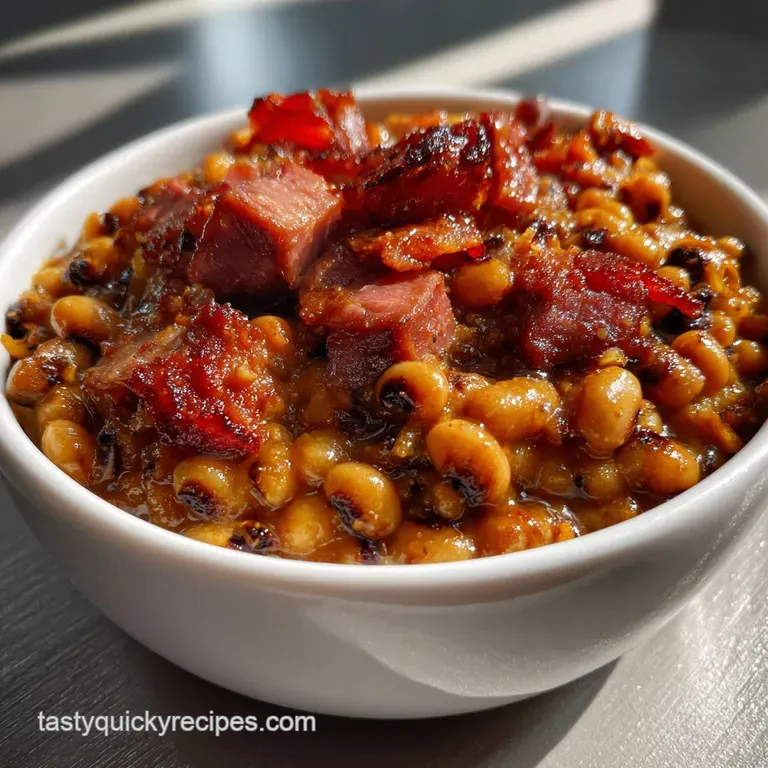
When that deep, smoky scent of slow cooked pork hits the air, you know exactly what’s happening: a proper batch of creamy Blackeyed Peas is bubbling away. It’s an earthy, comforting aroma that promises good fortune and serious flavor.
I’m talking about that rich, velvety broth, the "pot liquor," which is the true star of the show here.
I used to think making truly delicious, non-mushy Blackeyed Peas was difficult, but honestly, this recipe is a culinary lifesaver. It’s dirt cheap, requires minimal active effort, and provides endless comfort while packing a serious nutritional punch.
This is the kind of satisfying comfort food you need on rotation, not just reserved for holidays.
We’re not just dumping ingredients in a pot here, though. We're meticulously building flavor layer by layer, mastering the pot liquor, and guaranteeing tender, non-mushy Blackeyed Peas every single time. Ready to learn the real secrets to the Black Watch method?
The Science of Savor: Achieving Deep, Smoky Flavors
The Culinary Significance of the Blackeyed Pea
Many people only make Blackeyed Peas once a year for good luck, usually served with rice as Hoppin’ John, but I firmly believe this flavor profile deserves year round recognition.
This classic Southern Black Eyed Peas Recipe balances earthiness and smoke perfectly, making it much more than just a tradition; it’s brilliant cooking. The humble cowpea transforms into something magical when given proper attention.
Why Ham Hocks are Non-Negotiable for True Depth
If you want that deep, velvety broth the famous "pot liquor" you must use a smoked ham hock. It is absolutely essential. The collagen in the hock melts slowly into the cooking liquid, naturally thickening the broth and infusing the Blackeyed Peas with irreplaceable savoriness and texture.
Trust me on this; skipping the hock is skipping 80% of the flavor.
A New Year Tradition, Reimagined for Any Season
While this dish is eternally tied to prosperity and the New Year, my technique ensures these tender Blackeyed Peas are perfect for any weeknight dinner. They are incredibly versatile. Why wait for January 1st to enjoy something this comforting, high in fiber, and deeply nourishing?
The Power of the Rendered Pork Foundation
We start by rendering bacon or salt pork until you hear that satisfying sizzle and the kitchen smells wonderfully smoky and sweet. This rendered fat forms the flavor foundation. This pork fat acts as a vehicle, carrying the intense flavors of the onion and garlic deep into the Blackeyed Peas as they simmer for hours.
Low and Slow: The Starch Breakdown Process
Cooking low and slow isn't just a suggestion; it’s pure cooking science. High, aggressive boiling will cause the delicate skins of the Blackeyed Peas to burst prematurely, resulting in unevenly cooked legumes.
A gentle, lazy simmer, however, allows the internal starch to soften evenly, creating truly Creamy Black Eyed Peas without turning them into a paste.
Balancing Acidity and Smoke for a Complex Finish
The final secret weapon in this Blackeyed Peas recipe is the splash of acidity apple cider vinegar. That smoky, rich pot liquor needs a counterpoint; otherwise, it can feel heavy.
The vinegar cuts through the richness, lifting the entire flavor profile and making them taste brighter and far more complex than you’d expect from such a simple dish.
Essential Provisions for the Perfect Pot: Ingredients and Sourcing
Selecting Your Ham Hocks and high-quality Stock
Always choose smoked ham hocks over fresh ones for this particular recipe, as the smoke is key. For the liquid, use quality low-sodium stock, but don’t panic if you’re out. If you only have water, that’s fine, but definitely add a bouillon cube or two for some quick depth.
| Ingredient | Viable Substitute |
|---|---|
| Smoked Ham Hocks | Smoked Turkey Wings/Legs (Healthier option) |
| Chicken Stock | Water + Chicken or Vegetable Bouillon Cube |
| Bacon/Salt Pork | Olive Oil + 1 Tbsp Liquid Smoke (for Vegan Blackeyed Peas) |
The Aromatics: Building the Southern Trinity Base
The magic trio of onion, celery, and green bell pepper the Holy Trinity is the core of so many great Southern dishes, and Blackeyed Peas are certainly no exception.
Take your time sweating these down in the rendered fat until they are floppy and translucent; you absolutely cannot rush this stage if you want maximum flavor.
Preparation Pointers: To Soak or Not to Soak the Cowpeas
I am a big believer in rinsing the peas thoroughly until the water runs completely clear; this is non-negotiable to remove any dust. While soaking overnight is ideal, I often use the quick soak method (boil for 2 minutes, cover for an hour).
Soaking the Blackeyed Peas ensures a beautifully even cook and helps with digestion, too, meaning fewer complaints later!
Seasoning Spotlight: Maximizing Smoke and Savory Notes
The main spices here are dried thyme and bay leaves, simple but incredibly effective companions for the peas. Remember that the salt content from the ham hock is variable! Only add half the recommended kosher salt initially.
We hold back on the full salt until the very end, ensuring perfect seasoning for your smoky Blackeyed Peas .
The Black Watch Method: Crafting the Legendary Blackeyed Peas

Step 1: Initiating the Smoke (Rendering the Pork Fat)
Dice your bacon or salt pork finely and place it into a heavy Dutch oven over medium heat. Start rendering the fat slowly. Cook and stir until those little cracklings are dark brown and satisfyingly crunchy. Remove the cracklings with a slotted spoon and set them aside they are your secret garnish later!
Step 2: Sweat the Aromatics and Bloom the Spices
Drop the finely chopped Holy Trinity (onion, celery, pepper) into that beautiful rendered fat. Sauté them for a good 8– 10 minutes until they soften, wilt, and the entire mixture smells rich and savoury.
Now, stir in the minced garlic, dried thyme, and cayenne (if you dare), cooking for just one minute until the aromas bloom intensely.
Step 3: The Long Simmer and Flavor Fusion
Add the rinsed Blackeyed Peas , ham hock, bay leaves, stock, and water to the pot. Stir everything well to combine, and add the initial amount of salt and pepper.
Bring the liquid up to a rolling boil, then immediately turn the heat way down to the lowest setting possible, aiming for the laziest simmer you can maintain. Cover it partially and let the magic happen.
Step 4: Final Seasoning and Consistency Check
After about 90 to 120 minutes, check the tenderness. Once they are soft but still holding their shape, retrieve the ham hock, shred the meat, and return it to the pot. This is the moment for the apple cider vinegar splash and the final salt check.
If the "pot liquor" around the Blackeyed Peas is too watery, mash a few peas against the pot side to thicken it naturally.
Chef's Note: If you used a particularly large ham hock, you might need to skim some of the rendered fat off the top before serving. I usually just leave it, but sometimes it can be excessive!
Expert Secrets from the Stove: Troubleshooting and Advanced Techniques
The Critical Role of Salt Addition Timing
Adding a large amount of salt too early can actually toughen the exterior of the Blackeyed Peas , making them cook unevenly, often referred to as "hard shells." Wait until the peas are nearly tender (the last 30 minutes) before adding the final seasoning adjustments.
You want the salt to season the final product, not interfere with the softening process.
Avoiding the Mushy Pea: Managing Simmer Temperature
If you see a heavy, rolling boil, you’re cooking too hot! Turn the heat down immediately. Keep the temperature incredibly gentle the surface should just tremble lightly.
A slow, gentle simmer keeps the individual Blackeyed Peas intact, preventing the skin from sloughing off and creating a mushy texture.
What to Do if Your Broth is Too Thin
If the broth is watery after the peas are fully cooked, follow my secret tip: scoop out a half cup of the cooked peas and mash them completely into a smooth paste. Stir the starch paste back into the main pot. Instant, natural thickening!
You want that creamy, velvety consistency when serving these delicious Blackeyed Peas .
Making Peace with Leftovers: Proper Storage and Preservation
Refrigeration Guidelines for Maximum Freshness
Store leftover Blackeyed Peas in an airtight container in the fridge for up to 4 days. Always keep them submerged in the pot liquor, as this prevents them from drying out and helps them retain moisture and flavor. They almost always taste better the next day, once the flavors have fully melded!
Best Practices for Freezing Cooked Legumes
But does it freeze well? You bet. Cool the cooked Blackeyed Peas completely, then transfer them (pot liquor and all) to freezer safe bags or containers. They will last 4 to 6 months in the deep freeze. For easier thawing and single portions, use small containers.
Reheating Without Sacrificing Texture
To reheat frozen Blackeyed Peas , the best method is to thaw them overnight in the fridge first. Reheat gently on the stove over low heat. Add a splash of fresh stock or water if the pot liquor seems too thick after thawing.
Avoid blasting them in the microwave if you can, as that rapid heating can sometimes make the edges of the cowpeas tough.
Culinary Companions: The Best Pairings for Smoky Peas
These rich, smoky Blackeyed Peas demand sharp, textural companions to complete the meal. They are classic Black Eyed Peas Side Dishes in the South, paired most often with cornbread which is non-negotiable for soaking up that beautiful pot liquor.
Try them alongside a crisp, slightly bitter side like Braised Collard Greens to contrast the richness. For a lighter meal, serving them next to something like the Spring meals: Flaky Tart with Lemon Ricotta Fresh Peas makes for a beautiful pairing (just avoid using peas in both dishes!). This particular blackeyed pea recipes works perfectly for a comforting, hearty main dish. Don’t forget to serve them with your favorite hot sauce and those reserved crispy cracklings for texture!

Recipe FAQs
Is soaking the blackeyed peas necessary?
While not strictly mandatory, soaking the peas overnight is highly recommended as it drastically reduces the required cooking time by about 45 minutes to an hour. Soaking also aids in more even cooking and helps make the peas easier to digest.
If you skip the soak, be sure to cover the dried peas with adequate liquid and plan for a much longer simmer.
Why are my blackeyed peas still tough or hard after simmering for hours?
Peas that remain hard often indicate that they are very old, or that salt was added too early during the cooking process. Adding salt prematurely can prevent the pea skins from softening, resulting in a tough texture.
Always wait until the peas are nearly tender before adding your final seasoning and checking for doneness.
The recipe uses salty ham hocks. How do I manage the overall sodium level?
Do not add any salt until the ham hock has simmered for at least an hour and the peas are fully cooked. Taste the finished broth first, as the hock usually imparts a significant amount of salinity. If additional seasoning is needed, add salt in very small increments until the balance is achieved.
Can I make this Classic Smoky Blackeyed Peas recipe vegetarian or vegan?
Absolutely. Replace the ham hocks with a generous tablespoon of smoked paprika and a few dashes of liquid smoke to maintain the smoky flavour profile. Use rich vegetable broth instead of water, and consider adding dried mushrooms, like shiitake, to the broth for an added layer of savoury, umami depth.
My finished dish is too watery. How can I thicken the broth?
The broth naturally thickens as the starches from the peas release during the cooking process. If you prefer a heartier, thicker texture, remove about a half cup of cooked peas, lightly mash them with a fork, and stir the mash back into the pot.
Alternatively, simmer the pot uncovered for the last 15 minutes to allow some liquid to evaporate and reduce.
How should I store leftover blackeyed peas, and can I freeze them?
Leftovers should be stored in an airtight container in the refrigerator and are best consumed within 3 to 4 days. Blackeyed peas freeze exceptionally well; cool them completely before transferring them to freezer safe bags or containers. They will maintain their quality in the freezer for up to 6 months.
What are traditional accompaniments for blackeyed peas?
For the traditional New Year’s meal, blackeyed peas are served with collard greens (representing paper money) and cornbread (representing gold). In terms of flavour, they are beautifully complemented by a dash of vinegar (like apple cider vinegar or white wine vinegar) or a hearty splash of your favourite pepper sauce for heat and acidity.
Smoky Blackeyed Peas Recipe
Ingredients:
Instructions:
Nutrition Facts:
| Calories | 365 kcal |
|---|---|
| Protein | 30.0 g |
| Fat | 7.5 g |
| Carbs | 43.4 g |
