Anasazi Beans: Smoky Southwestern Sunset Stew
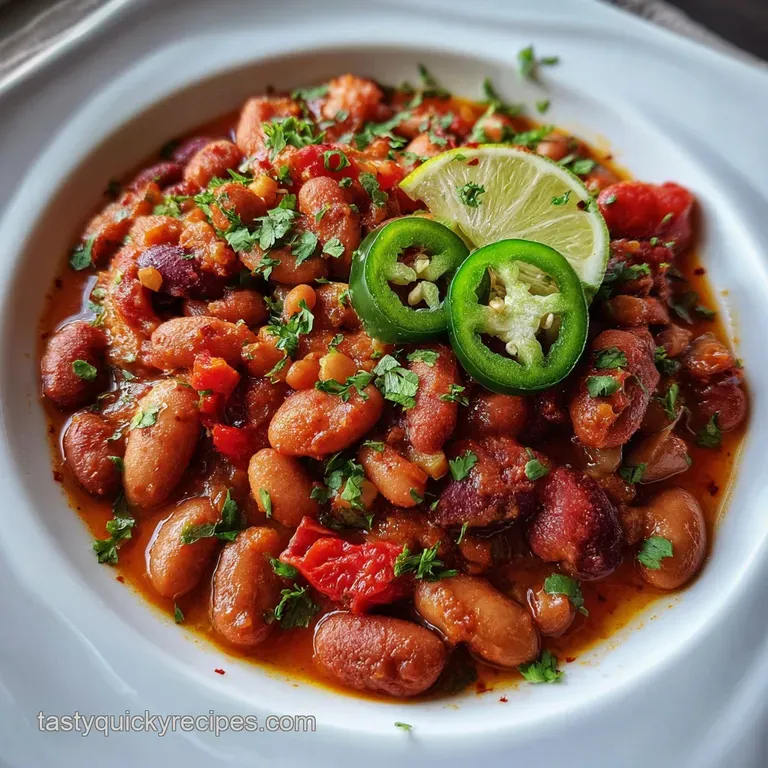
- Capturing the Taste of the Ancients: Meet the Anasazi Bean
- The Science of the Sunset Stew: Maximizing Creaminess and Smoke
- Essential Provisions for a Southwestern Frijoles Dish
- Adjusting the Recipe: Swaps for Heat and Sweetness
- Cooking the Anasazi Beans to Perfection: The Six Stages of Simmer
- Expert Tips for the Best Southwestern Sunset Stew
- Extending the Shelf Life of Your Cooked Anasazi Beans
- Culinary Pairings: What to Serve Alongside the Hearty Stew
- Recipe FAQs
- 📝 Recipe Card
Capturing the Taste of the Ancients: Meet the Anasazi Bean
If there is one scent that screams "comfort" in my kitchen, it’s the rich, smoky aroma of slowly simmering heirloom legumes. This recipe for Anasazi Beans delivers that comforting experience without the usual fuss.
These beautiful beans cream and maroon patterned are simply brilliant, cooking up sweeter and less starchy than their pinto cousins, perfect for a cozy, rustic stew.
Look, we all have those days when time is short and the grocery budget is tighter. This Anasazi Beans recipe is a total lifesaver, proving that the deepest, most satisfying food often comes from the simplest, cheapest ingredients.
It requires minimal active time, just patience while the kitchen gods (aka the stove) do the heavy lifting.
I’m going to walk you through exactly how to avoid grainy, tough beans and how to build a flavor foundation so rich, people will think you simmered this for days. Let's crack on and transform this humble pantry staple into a hearty Southwestern bean stew.
The Science of the Sunset Stew: Maximizing Creaminess and Smoke
The magic in making perfect Anasazi Beans isn't about fancy ingredients; it's about technique. Specifically, when you add the heat, when you add the stock, and when you absolutely, positively add the salt.
Getting these timing steps right ensures that the finished product is silky and creamy, not chalky.
The Mild Magic of the Heirloom Bean
I love working with Anasazi Beans because their flavour profile is naturally sweeter and milder than kidney or black beans. You won't have the heavy, earthy starchiness that sometimes dominates other bean dishes.
This mildness allows the spices the smoked paprika and chipotle to really shine through and define the stew, rather than fighting the bean itself.
A Culinary History of the Southwest Starch
Did you know these tiny treasures are genuine heirloom beans, traced back to archaeological digs in the American Southwest? That’s where the name comes from! This deep Anasazi beans history means you’re cooking something truly traditional.
It connects you directly to ancient cooking practices. This heritage is why I prefer using the dried variety; the texture and flavour just cannot be replicated by opening a can.
Why Anasazi Beans are a Pantry Essential
If you’re building a kitchen for efficiency and flavor, Anasazi Beans need to be in your rotation. They’re packed with fiber (check out the incredible Anasazi beans nutrition stats!), store indefinitely, and adapt beautifully to nearly any spice blend.
They are the backbone of incredible weeknight meals.
Achieving the Perfect Bean Texture (No More Chalkiness!)
The secret to creaminess is consistent, low heat and managing the liquid. We aren't aiming for a rolling boil here. We want a shy bubble, a whisper of heat. This slow simmer coaxes the starches out of the Anasazi Beans , naturally thickening the broth while keeping the bean structure intact until the very end.
The Power of Bloom: Developing Smoky Depth
We "bloom" the spices paprika, oregano, and chipotle powder in the hot oil right after the onions and peppers are soft. This moment is critical! As the spices toast, they release their fat-soluble flavor compounds, making the whole dish taste infinitely deeper and richer.
When the aromatics hit the heat, your kitchen should instantly smell like a delicious campfire.
Balancing Earthiness with Citrus Brightness (Lime)
A rich, long simmered stew needs a little kick of acidity at the end to lift it up. That final squeeze of fresh lime juice is absolutely non-negotiable for this particular heirloom beans recipe .
It cuts through the smoky earthiness of the chipotle and paprika, making the whole pot feel brighter and more vibrant. Trust me, don't skip the lime!
Essential Provisions for a Southwestern Frijoles Dish
| Ingredient | My Recommended Swap | Why? |
|---|---|---|
| Dried Anasazi Beans | Pinto or Cranberry Beans | Similar mildness and size, but Pintos need longer cooking time. |
| Olive Oil | Avocado or Canola Oil | Needs a high smoke point neutral oil for the sauté base. |
| Yellow Onion | White Onion or Shallots | Provides necessary sweetness and aromatic foundation. |
| Red Bell Pepper | Yellow or Orange Pepper | Avoid green, as it adds too much bitterness to this smoky Anasazi stew . |
| Vegetable Stock | Water + Bouillon Paste | Bouillon provides the savory depth lost when using plain water. |
| Smoked Paprika | Liquid Smoke + Regular Paprika | Mimics the smokiness without the sweet undertones of paprika. |
Adjusting the Recipe: Swaps for Heat and Sweetness
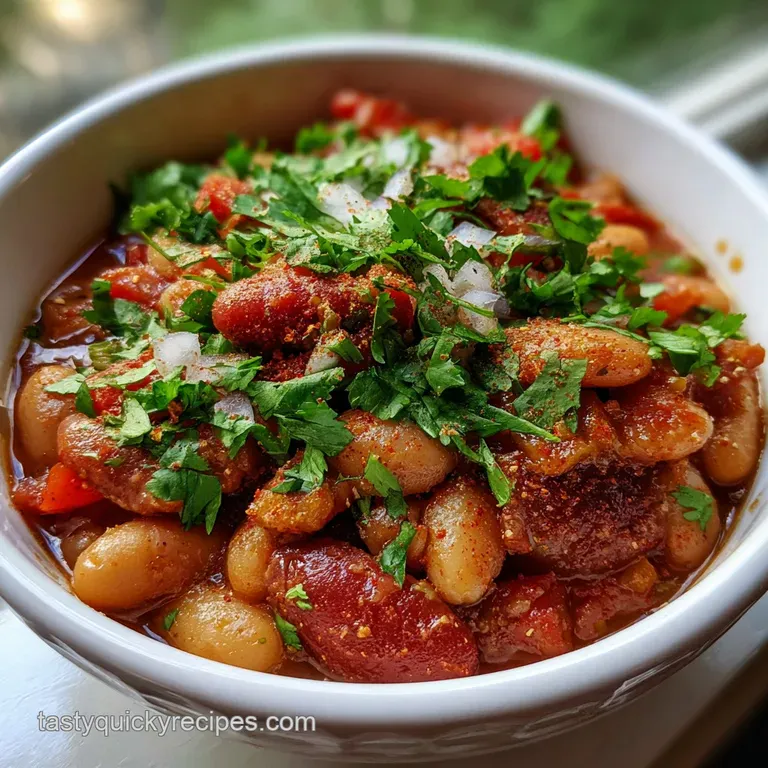
Sometimes you need to dial up the heat, or perhaps you’re cooking for someone who can’t handle chili. This recipe is wonderfully flexible.
Choosing Quality Dried Beans vs. Canned
Always, always choose dried for this Anasazi Beans recipe . Canned beans are already cooked, and they won't release the necessary starch to create the thick, comforting stew consistency we’re chasing.
If you must use canned, you’ll need to add a thickening agent like cornstarch at the end.
Mastering the Broth Base (Stock vs. Water)
Using stock, whether chicken or vegetable, adds essential layers of savoury depth that water simply cannot provide. This depth of flavour makes the Southwestern bean stew taste slow cooked even if you take the Anasazi bean recipe instant pot shortcut later!
Don't use standard salted broths, though; always opt for low sodium.
Spices That Deliver the Smoky Chipotle Kick
Chipotle powder provides that signature, earthy heat from dried, smoked jalapeños. It's fantastic. If you want pure heat without the smoke, swap it entirely for cayenne pepper. If you want smoke without the heat, try adding a few drops of liquid smoke instead.
Fresh Aromatics and Zesty Finishers
I love using fresh coriander and lime, but if you're one of those people who thinks cilantro tastes like soap (my brother, I’m looking at you!), swap it for fresh parsley or even chopped chives. They still offer that necessary fresh green bite against the richness of the stew.
Replacing Smoked Paprika for Milder Flavors
If the rich smoke of the paprika is too intense, you can substitute it with equal parts regular sweet paprika and a pinch of cumin. You lose some depth, but you gain a lovely, traditional earthy flavour.
Alternative Legumes for the Recipe Base
As noted above, Pinto beans are the most common swap, but truly, any medium sized heirloom bean will work perfectly. Think about Great Northern beans or even large Navy beans. Just remember that the cooking time for the Anasazi Beans is naturally shorter, so check other varieties for doneness earlier.
Cooking the Anasazi Beans to Perfection: The Six Stages of Simmer
This is where the magic happens. Grab your Dutch oven; its heavy bottom is your best friend here because it prevents scorching and provides consistent heat.
Prepping the Beans: Mandatory Rinse and Optional Soak
Rinsing the beans is mandatory. Place the dried Anasazi Beans in a sieve and sift through them carefully to remove any small rocks or broken pieces. Once, I skipped this step and chipped a tooth. Learn from my painful mistake!
Soaking is optional, but it definitely cuts 30 minutes off the cooking time and often aids in digestion.
Creating the Flavor Foundation (Sautéing the Aromatics)
Heat your oil over medium heat until it shimmers slightly. Add the diced onion and red bell pepper. Sauté these for 5 to 7 minutes until they are soft and translucent, but not browned. Now, toss in the minced garlic, followed by the smoked paprika and chipotle.
Stir constantly for 60 seconds. You’re looking for a nutty aroma and a deepening colour. That’s the bloom, and that’s the flavor!
The Gentle Boil: Initial Cook Time for Heirloom Varieties
Add the rinsed Anasazi Beans and the bay leaves to the pot. Pour in the stock. Make sure the liquid covers the beans by a solid two inches. Bring the pot to a rapid, rolling boil. This quick heat shock helps tenderize the beans. Immediately, turn the heat way, way down.
Low and Slow: Achieving the Signature Creamy Stew Consistency
Place the lid on the pot, slightly ajar so steam can escape, and let it go. Simmer for 90 minutes to 2 hours. Start tasting around the 90 minute mark.
The perfectly cooked Anasazi Beans should be soft all the way through; if the centre is still firm or chalky, keep simmering. Always keep the liquid level consistent by adding boiling water or hot stock if the stew starts looking dry.
Expert Tips for the Best Southwestern Sunset Stew
Salting Strategy: When to Add and Why It Matters
This is my biggest rule in bean cookery, learned the hard way: NEVER add salt until the beans are completely tender. Salt, and other acidic ingredients like vinegar or tomato, will toughen the skin of the Anasazi Beans , locking moisture out and preventing them from ever getting that creamy texture.
Wait until they collapse when pressed before adding that finishing pinch of salt and pepper.
Troubleshooting Undercooked or Exploded Beans
If your beans are still hard after two hours, they are likely either very old (the older the bean, the longer the cook), or you added salt too early. If they are exploding and turning mushy, your heat was too high; next time, reduce the heat to an even lower setting.
If they are slightly mushy, scoop out a cup of the stew and mash it, then stir it back in. This will magically thicken the broth while disguising the overcooked beans.
Achieving a Thicker, Restaurant Quality Broth
If your stew tastes amazing but is too watery after the beans are tender, you have two options: 1) Remove the lid and let it simmer rapidly for 10- 15 minutes to reduce, or 2) Use the optional method listed in the recipe: scoop out a cup of the beans, mash them vigorously, and stir the resulting paste back into the stew.
This is my favorite trick for a perfect, hearty broth.
Extending the Shelf Life of Your Cooked Anasazi Beans
Cooling and Refrigeration Guidelines
As soon as the stew is finished, remove the bay leaves and any large pieces of debris. Allow the Anasazi Beans stew to cool slightly on the counter (no more than an hour) before transferring it to an airtight container. It will keep beautifully in the refrigerator for 4 to 5 days.
Best Practices for Freezing Cooked Legumes
Cooked Anasazi Beans freeze exceptionally well. Cool them completely, then portion them into freezer safe bags or containers, ensuring you leave about half an inch of headspace if using rigid containers (the liquid will expand). They maintain quality for up to 6 months.
Reheating Without Sacrificing Texture
When ready to reheat, thaw the beans in the fridge overnight. Reheat gently on the stovetop over low heat, adding a splash of fresh stock or water if the stew seems too thick. Do not boil rapidly during reheating, as this can cause the tender beans to split.
Culinary Pairings: What to Serve Alongside the Hearty Stew
This Anasazi Beans recipe is so satisfying, it truly works as a meal on its own. However, if you want a complete spread, you have great options.
Chef’s Note: The texture of a simple grain or a slightly crispy side dish provides a wonderful counterpoint to the soft, creamy beans.
For a comforting carbohydrate, serve this smoky Anasazi stew alongside warm cornbread or simple Basmati rice. The fluffy cornbread is ideal for soaking up all that incredible smoky liquid. If you’re looking for a great vegetable side with some crunch and acidity, you absolutely need to try my Crack Green Beans: Sticky Smoky Bacon Recipe in the Oven . The savory, sticky bacon pairs perfectly with the deep spice of the stew.
And don't forget the toppings bar! Offer a bowl of shredded cheese (cheddar or cotija), a dollop of sour cream, and extra chopped coriander. This truly is the best Anasazi beans recipe I’ve perfected over the years. Enjoy!

Recipe FAQs
Do Anasazi beans require soaking before cooking?
Soaking is highly recommended, though not strictly required, as it significantly speeds up cooking time and promotes an even, creamy texture. A standard overnight soak (8-12 hours) or a quick soak method (boil 1 minute, rest 1 hour) will suffice.
If you skip the soak, plan to add an additional 1-2 hours to the simmering duration.
Why are my Anasazi beans still hard after several hours of simmering?
Hard beans often indicate either very old beans or the early addition of acidic ingredients, which prevents the skins from softening. Always avoid adding tomatoes, lime juice, or vinegar until the beans are fully tender.
If you suspect the beans are aged, try adding a pinch of baking soda during the first half hour of cooking to promote breakdown.
Can I substitute Pinto beans for Anasazi beans in this stew?
Yes, Pinto beans are the most common substitute, but note that the final flavor and texture will differ slightly. Anasazi beans are known for being sweeter and less starchy, resulting in a creamier broth. When substituting, ensure you check the substituted bean’s required cooking time, as it may vary.
How can I prevent the beans from breaking down into mush?
To maintain texture, ensure you simmer the beans gently rather than allowing a rapid boil, especially once they are nearly tender. Furthermore, always hold off on adding salt until the final 15-20 minutes of cooking. Salt added too early can sometimes toughen the skins, causing them to break unevenly.
The stew tastes flat; how can I improve the flavor profile?
Flat flavor usually means the dish needs proper seasoning and balance between richness and acid. Ensure you are generous with salt at the end, and brighten the whole stew with a final squeeze of fresh lime juice or vinegar just before serving.
A swirl of high-quality olive oil or a knob of butter can also dramatically improve depth.
Is this stew suitable for freezing, and how long will it keep?
This Anasazi stew freezes beautifully and is perfect for meal prep. Once completely cooled, store the portions in airtight, freezer safe containers for up to three months. When reheating, thaw overnight in the refrigerator and reheat gently on the stovetop, adding a splash of stock if the consistency is too thick.
Can I cook this recipe using a pressure cooker or Instant Pot?
Absolutely, the pressure cooker is an excellent alternative, significantly cutting down on cook time. For soaked beans, cook on high pressure for about 30-40 minutes with a natural pressure release. If you use unsoaked beans, increase the time to 50-60 minutes, ensuring you add enough liquid to cover the beans fully.
Smoky Anasazi Stew Recipe
Ingredients:
Instructions:
Nutrition Facts:
| Calories | 556 kcal |
|---|---|
| Protein | 17.8 g |
| Fat | 16.5 g |
| Carbs | 84.0 g |
