Easy Skillet Lasagna: One-Pan Comfort
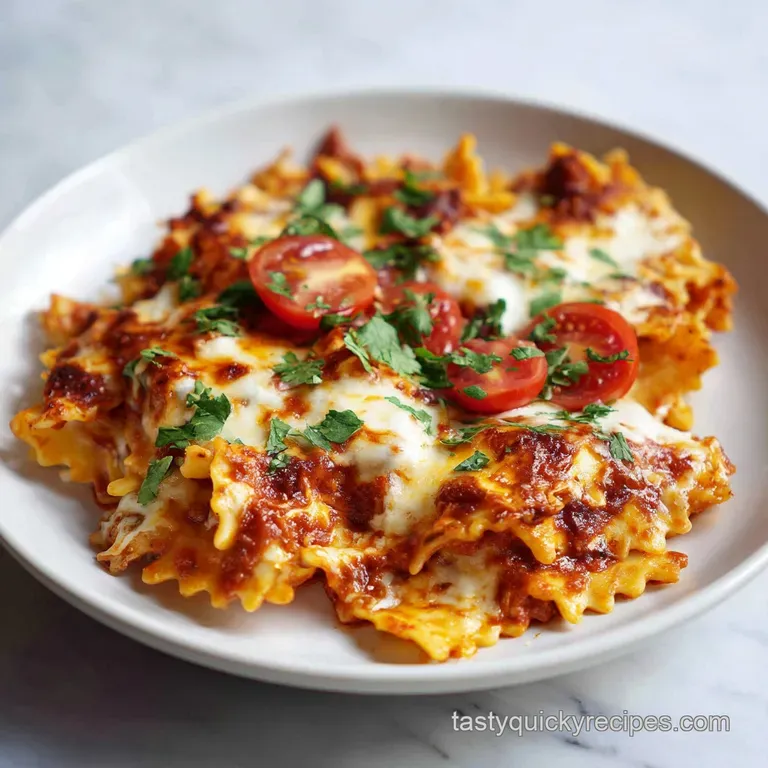
- Time: Active 10 minutes, Passive 25 minutes, Total 35 minutes
- Flavor/Texture Hook: Molten mozzarella and silky ricotta layers
- Perfect for: Busy weeknight juggling or beginner friendly comfort
- One Pan Skillet Lasagna: Fast Weeknight Comfort
- The Science of Starch Release
- Analyzing Component Interaction for Flavor
- Selecting Your Elements for Easy Success
- Necessary Tools for Easy Cooking
- Execution Steps for Perfect Simmer
- Fixing Common Texture Problems Fast
- Scaling Portions for Small Groups
- Debunking Traditional Layering Misconceptions
- Creative Ways to Vary Flavor
- Storing and Reheating Your Leftovers
- Perfect Side Dishes for Pairing
- Very High in Sodium
- Recipe FAQs
- 📝 Recipe Card
One Pan Skillet Lasagna: Fast Weeknight Comfort
The heavy cast iron skillet hit the burner with a solid thud, and within seconds, the scent of fennel laced Italian sausage began to fill my cramped kitchen. I remember the first time I tried making this.
It was a Tuesday, I was juggling a looming deadline and a toddler who thought the floor was lava, and the thought of boiling noodles, layering them, and waiting an hour for a bake made me want to order pizza.
Instead, I grabbed my deepest pan and decided to see if the noodles would behave if I just threw them into the sauce.
The result was life changing for my weeknight rotation. There is something about that specific sizzle when the garlic hits the hot sausage fat that signals the end of a long day. This Skillet Lasagna isn't just a shortcut; it's a version that actually tastes more integrated because the pasta absorbs the savory beef broth and tomato juices as it cooks.
You get those crispy, charred edges near the rim of the pan and a center that is pure, molten bliss.
We are going for a meal that feels like it took hours but honestly lets you breathe. If you have been burned by "one pot" recipes that end up as a soggy mess, trust me on this one. We are using specific science to keep the texture spot on.
You’ll get that classic ricotta creaminess and the stretch of mozzarella in every bite, all while keeping your sanity intact. Let’s get the stove hot and move from prep to plate in under 40 minutes.
The Science of Starch Release
Starch Suspension: Breaking the dry noodles creates more surface area for starch to escape into the sauce, acting as a natural thickening agent. This creates a silky, emulsified texture that binds the meat and cheese together without needing a heavy flour roux.
| Method | Cook Time | Texture | Best For |
|---|---|---|---|
| Stovetop Skillet | 35 minutes | Silky and integrated | Quick family weeknights |
| Traditional Bake | 1 hour 30 mins | Distinct firm layers | Large holiday gatherings |
| Slow Cooker | 4 hours | Soft and melty | Hands off meal prep |
Choosing the stovetop method allows you to monitor the liquid levels in real time. If the sauce looks too thick before the noodles are tender, a splash of water fixes it instantly something you can't do once a dish is buried in the oven.
Analyzing Component Interaction for Flavor
| Ingredient | Science Role | Pro Secret |
|---|---|---|
| Italian Sausage | Fat and Umami | Brown it until a dark crust forms for deeper flavor notes. |
| Beef Broth | Hydration Agent | The salt and marrow notes season the pasta from the inside out. |
| Ricotta Cheese | Moisture Barrier | Use full fat versions to prevent the cheese from turning grainy. |
| Crushed Tomatoes | Acid Balance | Provides the liquid base for the pasta to soften and swell. |
While the tomatoes provide the bulk of the volume, the beef broth is the unsung hero here. Using just water would dilute the richness, but the broth adds a layer of savory complexity that mimics a sauce that has simmered for half a day.
It is a small choice that makes a massive impact on the final profile of your Skillet Lasagna.
Selecting Your Elements for Easy Success
You only need a few high-quality staples to make this work. If you are out of something, don't panic this recipe is incredibly forgiving as long as you keep the liquid to pasta ratio consistent.
- 450g (1 lb) Ground Italian Sausage: Why this? It comes pre seasoned with fennel and herbs, saving you spice cabinet digging.
- 0.5 Medium Yellow Onion: Finely diced to melt into the sauce.
- 3 Cloves Garlic: Minced fresh for that pungent, sharp kick.
- 2.5g (0.5 tsp) Red Pepper Flakes: Adds a subtle back of-the throat warmth.
- 800g (28 oz) Crushed Tomatoes: The foundation of our thick, rich red sauce.
- 240ml (1 cup) Beef Broth: Essential for cooking the noodles without drying out the pan.
- 2.5g (0.5 tsp) Dried Oregano: Provides that classic "pizza parlor" aromatic note.
- 9 Sheets Classic Lasagna Noodles: Broken into 2 inch pieces.
- 240g (1 cup) Whole Milk Ricotta: Creates the creamy pockets we all love.
- 170g (1.5 cups) Shredded Mozzarella: For the iconic, stretchy cheese pull.
- 50g (0.5 cup) Grated Parmesan: Adds a salty, nutty finish.
- Handful Fresh Basil: Torn for a bright, peppery contrast at the end.
| Original Ingredient | Substitute | Why It Works |
|---|---|---|
| Italian Sausage | Ground Turkey + Fennel | Lighter fat content. Note: Add 1 tbsp oil to prevent sticking. |
| Beef Broth | Chicken Broth or Water | Similar hydration. Note: Water will need extra salt/seasoning. |
| Ricotta Cheese | Small Curd Cottage Cheese | Similar moisture. Note: Result will be slightly more tangy. |
Chef's Tip: Freeze your block of mozzarella for 10 minutes before grating. It makes the cheese firmer, so it shreds into long, beautiful strands that melt much more evenly than the pre bagged stuff which is often coated in starchy anti clumping powder.
Necessary Tools for Easy Cooking
To get the best results for this Skillet Lasagna, you need a pan that can hold heat and has enough depth. A 30cm (12 inch) cast iron skillet is the gold standard because it develops a natural non stick surface and retains heat perfectly, ensuring the sauce simmers evenly.
If you don't have cast iron, a deep stainless steel sauté pan with a heavy bottom works just as well.
Make sure you have a tight fitting lid. This is non negotiable! The lid traps the steam required to soften the noodles that aren't fully submerged in the sauce. Without a lid, the top layer of pasta will stay crunchy while the bottom burns.
A simple wooden spoon is my preferred tool for breaking up the sausage and scraping up those delicious browned bits (the fond) from the bottom of the pan.
Execution Steps for Perfect Simmer
1. Build the Flavor Base
Set your skillet over medium high heat. Add the 450g of ground Italian sausage. Use your spoon to break it into small crumbles. You want to cook this for about 5-7 minutes until the meat is deeply browned and sizzling.
Don't drain all the fat; that liquid gold is where the flavor lives. Toss in the diced onion and cook for 3-4 minutes until translucent, then add the garlic and red pepper flakes. Stir constantly for 60 seconds until the aroma hits you.
2. Simmer and Soften Pasta
Pour in the 800g of crushed tomatoes, 240ml of beef broth, oregano, salt, and pepper. Give it a good stir, scraping the bottom of the pan to release the flavor. Now, take your 9 broken lasagna sheets and tuck them into the sauce. Try to submerge as many as possible.
Bring the liquid to a gentle boil, then immediately turn the heat down to low. Cover the pan and let it simmer for 15-20 minutes until the noodles are tender when pierced with a fork. Give it a gentle stir halfway through to make sure nothing is sticking to the base.
3. The Cheesy Finishing Touch
Remove the lid. The sauce should be thick and the noodles soft. Dollop the 240g of ricotta cheese over the top in small mounds don't stir it in! Sprinkle the mozzarella and parmesan evenly across the entire surface.
Put the lid back on for 2-3 minutes until the cheese is completely molten and bubbly. Remove from heat and let it rest for 5 minutes. This rest period is crucial; it allows the sauce to set so it doesn't run all over your plate.
Garnish with the torn basil and serve immediately.
Fixing Common Texture Problems Fast
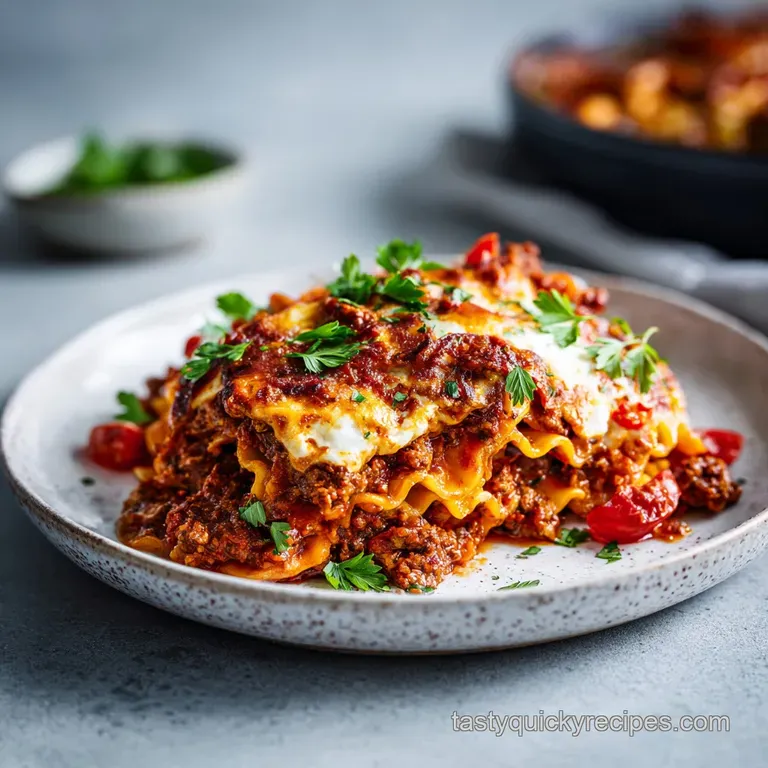
Getting the moisture balance right is the biggest hurdle for most home cooks. If your sauce looks like soup, don't panic. Simply take the lid off and increase the heat to medium for 3-4 minutes. The extra evaporation will quickly tighten the sauce. On the flip side, if the noodles are still stiff but the sauce is disappearing, add a splash of beef broth or even the leftover liquid from a Meat Sauce Recipe to give it more hydration.
Preventing Soupy Sauce Issues
This usually happens if the heat was too low or the lid didn't fit tightly enough, preventing the noodles from absorbing the liquid. Next time, ensure a steady simmer. For now, a few minutes of uncovered cooking will fix it.
Fixing Underdone Crunchy Noodles
If the pasta is still "al dente" but in a bad way, it likely wasn't tucked deep enough into the sauce. Push the noodles down and add 60ml of hot water. Recover and simmer for another 5 minutes.
| Problem | Root Cause | Solution |
|---|---|---|
| Burnt Bottom | Heat was too high | Add 1/4 cup broth, stir gently, and lower heat. |
| Bland Sauce | Lack of salt/acid | Add a squeeze of lemon or more parmesan cheese. |
| Oily Surface | Sausage was very fatty | Blot the top with a paper towel before adding cheese. |
Common Mistakes Checklist:
- ✓ Preheat your skillet for at least 3 minutes before adding the sausage.
- ✓ Do not boil the noodles beforehand; they need the sauce's moisture to cook.
- ✓ Avoid over stirring once the cheese is added to keep the ricotta pockets intact.
- ✓ Always let the dish rest for 5 minutes to prevent "lasagna soup" on the plate.
- ✓ Use "classic" noodles, not "no boil" ones, for the best texture and starch release.
Scaling Portions for Small Groups
If you are cooking for just two people, you can easily halve this recipe. Use a 20cm (8 inch) skillet and reduce the cook time by about 5 minutes. When halving, use one small egg to bind the ricotta if you want it extra firm, though it isn't strictly necessary for the skillet version.
When doubling the recipe for a crowd, it's best to use two separate skillets rather than one giant one. Piling too many layers in a single pan can lead to uneven cooking where the middle stays cold and the edges burn. If you are looking for a way to feed a very large group without multiple pans, you might prefer my Lasagna for 10 People recipe which uses traditional oven layering.
Debunking Traditional Layering Misconceptions
One of the biggest myths is that you must boil lasagna noodles in a separate pot of water first. This is actually counterproductive for a skillet version. Boiling removes the surface starch that we need to thicken our sauce.
By cooking the dry pasta directly in the tomatoes and broth, you create a much more cohesive, flavor packed dish.
Another misconception is that you need a dozen different cheeses to get a good result. While some people swear by provolone or fontina, the trio of mozzarella, parmesan, and ricotta is the classic gold standard for a reason.
The mozzarella provides the stretch, the parmesan provides the salt, and the ricotta provides the creamy contrast. Keep it simple and focus on the quality of those three.
Creative Ways to Vary Flavor
If you want to move away from the classic sausage profile, there are plenty of ways to adapt this. For a lighter touch, you can use ground chicken or even a mix of mushrooms for a vegetarian version.
- Vegetarian Skillet Lasagna Version: Swap the sausage for 450g of sliced cremini mushrooms and a bag of fresh spinach. Use vegetable broth instead of beef.
- High Protein Sausage Boost: Use a mix of lean ground beef and spicy chorizo to ramp up the protein and the heat level.
- Achieving Extra Crispy Edges: Once the cheese is melted, pop the entire (oven safe) skillet under the broiler for 2 minutes until the cheese starts to brown and shatter.
If you are craving a different shortcut that still feels like Italian comfort food, you should definitely check out my Ravioli Lasagna Bake recipe. It uses store-bought ravioli to skip the noodle breaking step entirely!
Storing and Reheating Your Leftovers
This Skillet Lasagna actually tastes even better the next day because the flavors have more time to marry. Store any leftovers in an airtight container in the fridge for up to 4 days. When reheating, I recommend adding a tiny splash of water or broth before microwaving to loosen the sauce back up.
Freezing Guidelines: You can freeze this dish for up to 3 months. Let it cool completely, then wrap individual portions in foil and place them in a freezer bag. To reheat from frozen, bake at 175°C (350°F) for 20-25 minutes.
Zero Waste Tip: Don't throw away the stems from your fresh basil! Finely mince them and add them into the sauce along with the onions. They hold a massive amount of flavor that often goes to waste.
Also, if you have the rind from your parmesan cheese, toss it into the sauce while it simmers to extract every bit of salty umami.
Perfect Side Dishes for Pairing
Because this dish is so rich and cheesy, it needs something bright and crisp to balance the palate. A simple arugula salad with a lemon vinaigrette is my go to choice. The peppery bite of the greens cuts through the fat of the sausage and mozzarella perfectly.
If you have a bit more time, a side of roasted garlic bread is never a bad idea. You can also pair this with my Mediterranean Pasta in recipe if you are hosting a larger "pasta bar" style dinner and want to offer both a red and a white sauce option. Whatever you choose, make sure you have plenty of extra napkins this is a beautifully messy meal that is meant to be enjoyed with family and friends!
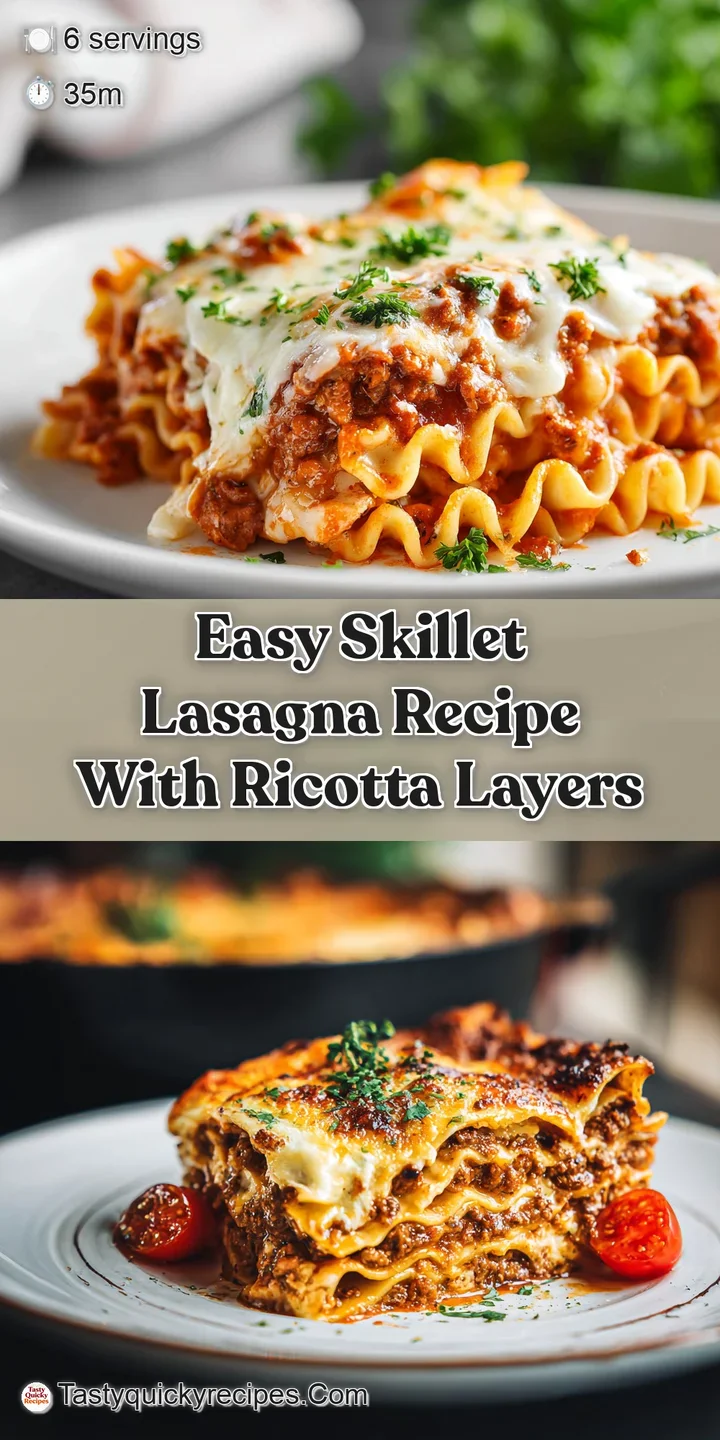
Very High in Sodium
1245 mg mg of sodium per serving (54% of daily value)
The American Heart Association recommends limiting sodium intake to about 2,300mg per day for overall cardiovascular health.
Tips to Reduce Sodium in Your Lasagna:
-
Low-Sodium Broth-30%
Replace regular beef broth with low-sodium or no-salt added beef broth. This can significantly cut down on sodium without sacrificing flavor.
-
Lower Sodium Cheese-15%
Opt for low-moisture, part skim mozzarella, which generally has less sodium than regular mozzarella. Also, use a smaller amount of Parmesan, as it's naturally high in sodium. You can also use fresh mozzarella which has lower sodium.
-
No-Salt Added Tomatoes-20%
Choose no-salt added crushed tomatoes. This removes a significant source of hidden sodium, and you can adjust seasoning to your taste.
-
Lean Sausage Swap-25%
Use sweet Italian sausage (remove the casings), or ground turkey or chicken instead of regular Italian sausage, as they often contain less sodium. Consider using a leaner option or rinsing the sausage after browning to remove excess fat and some sodium.
-
Reduce Added Salt-25%
Eliminate or drastically reduce the amount of salt added to the recipe. Taste as you go and adjust seasoning as needed.
-
Spice It Up!
Experiment with sodium free herbs and spices like garlic powder, onion powder, paprika, and Italian seasoning to enhance flavor without adding sodium.
Recipe FAQs
Can I substitute the beef broth with water?
No, I strongly advise against it. Using water dilutes the savory depth needed to season the pasta as it cooks; beef broth adds essential salty marrow notes.
How to ensure the noodles cook fully without burning the bottom layer of sauce?
Bring the sauce to a boil, then immediately reduce the heat to the lowest possible simmer and cover tightly. Stir gently halfway through cooking to redistribute heat and moisture.
Is it true that I must boil the lasagna noodles before adding them to the skillet?
False. Boiling the noodles beforehand removes the surface starch required for thickening the sauce naturally in the skillet method.
How long should the skillet lasagna rest after taking it off the heat?
Let it rest for a minimum of 5 minutes. This crucial resting period allows the sauce to set up and prevents the dish from turning into liquid soup when you scoop out the first portion.
What is the best way to incorporate vegetarian protein if omitting the sausage?
Sauté 450g of sliced cremini mushrooms with 1 tablespoon of olive oil until they release their moisture and start to brown. If you enjoy spicy, flavorful vegetarian cooking, see how similar flavor building techniques are used in the Daniel Fast Food recipe.
Why did my final dish turn out soupy or watery?
The heat was likely too low, or the lid did not seal well. Uncover the pan and increase the heat to medium for 3-4 minutes to evaporate excess liquid before adding the cheese topping.
Can I substitute the ricotta cheese with cottage cheese?
Yes, small curd cottage cheese works as a substitute. Keep in mind the result will be slightly more tangy, similar to the flavor balance adjustment you might make when preparing something like a Pink Pasta recipe.
Skillet Lasagna In Minutes
Ingredients:
Instructions:
Nutrition Facts:
| Calories | 618 kcal |
|---|---|
| Protein | 31.2 g |
| Fat | 34.5 g |
| Carbs | 45.8 g |
| Fiber | 3.9 g |
| Sugar | 7.4 g |
| Sodium | 1245 mg |
