Pasta Primavera Recipe: Velvety Vegetable Noodles
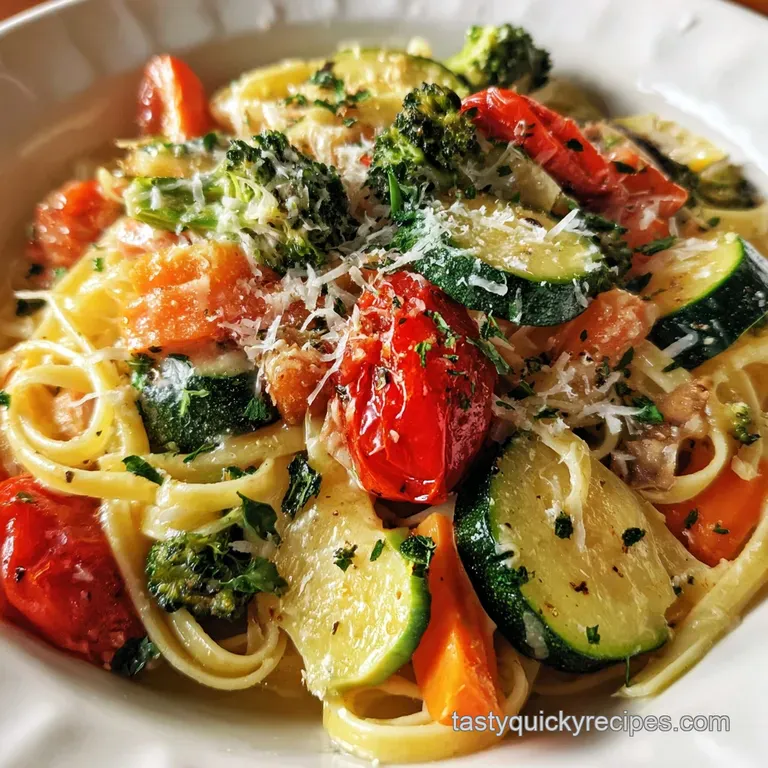
- Time: Active 20 minutes, Passive 15 minutes, Total 35 minutes
- Flavor/Texture Hook: Crisp tender vegetables and velvety Parmesan cream
- Perfect for: Busy weeknights or a bright, impressive Sunday family lunch
- Mastering Garden Flavors with This Easy Pasta Primavera Recipe
- Why This Vibrant Vegetable Dish Works So Well
- Component Analysis: The Chemistry of the Garden Plate
- Gathering Your Essentials for a Fresh Seasonal Feast
- Equipment Needed for Sautéing and Boiling Success
- The Step by Step Cooking Process and Flow
- Troubleshooting Your Veggies and Sauce Texture
- Make It Your Own with These Simple Variations
- Adjusting for Different Batch Sizes
- Exposing Common Kitchen Myths
- How to Store and Keep Leftovers Fresh
- Perfect Complements to Round Out Your Table
- Recipe FAQs
- 📝 Recipe Card
Mastering Garden Flavors with This Easy Pasta Primavera Recipe
Picture this: it's a Tuesday evening, the sun is finally staying out past 6:00 PM, and your kitchen is filled with the sharp, clean scent of fresh lemon zest and the rhythmic thwack thwack thwack of a knife hitting the cutting board.
I remember the first time I tried to make a "primavera." I basically boiled a bag of frozen mixed veggies until they were mush and tossed them with dry noodles. It was gray, sad, and tasted like a wet paper bag. I realized then that the secret isn't just "adding vegetables," it is about respecting the crunch.
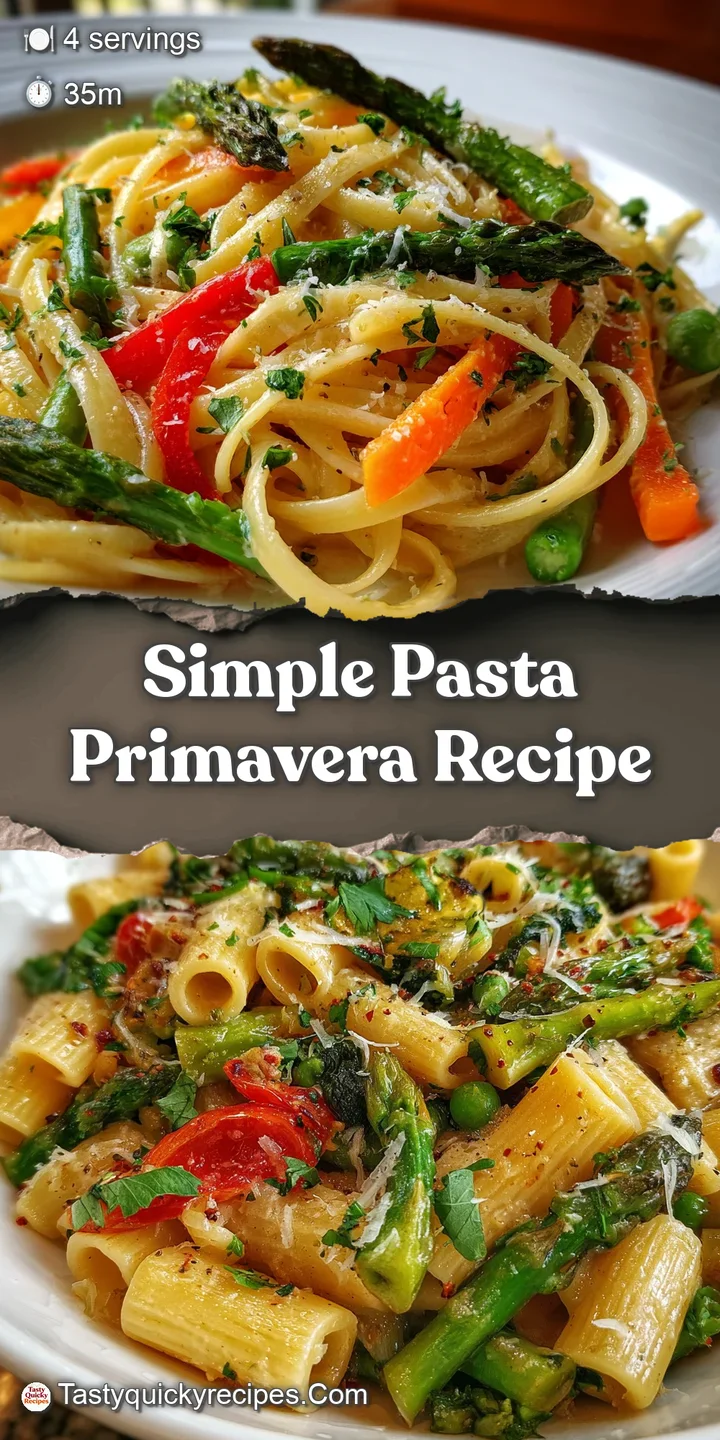
That is why I am so obsessed with this specific Pasta Primavera Recipe. We are talking about carrots sliced into delicate ribbons that melt into the pasta, asparagus that still has a literal "snap" when you bite it, and a sauce that feels fancy but actually comes together in the time it takes to boil water.
It is a dish that makes you feel like you have your life together, even if the laundry basket is currently overflowing in the other room.
We are going to walk through the prep flow so you aren't scrambling while the pasta overcooks. You will learn how to time the sauté so every vegetable finishes at its peak color and texture. No more soggy broccoli or raw peppers.
We are aiming for a plate that looks like a literal garden but tastes like total comfort food. Let’s get the water boiling and show these vegetables some love.
Why This Vibrant Vegetable Dish Works So Well
When we talk about this recipe, we are really talking about timing and temperature. Most people fail because they throw everything into the pan at once. By staggering the vegetables, we ensure the sturdy ones get the heat they need while the delicate ones just get a quick kiss of steam.
It’s the difference between a "vegetable mush" and a "vegetable masterpiece."
- Chlorophyll Retention: Quick sautéing in extra virgin olive oil prevents the acids in the sauce from turning your green veggies into a dull, brownish color.
- Starch Emulsification: The heavy cream and Parmesan bond with the residual pasta water to create a stable sauce that won't "break" or become oily on the plate.
- Maillard Reaction: Slicing the garlic thinly instead of mincing it allows it to infuse the oil with sweetness without the risk of burning and turning bitter.
- Hygroscopic Action: Adding sea salt to the pasta water early seasons the noodles from the inside out, making the entire dish taste more cohesive.
Similar to how we build layers in our Mediterranean Pasta in recipe, the magic here is in the aromatics. Starting with a shallot provides a softer, more complex sweetness than a standard onion.
| Method | Time | Texture | Best For |
|---|---|---|---|
| Stovetop Sauté | 15 minutes | Crisp tender, bright colors | Maximum freshness and control |
| Sheet Pan Roasted | 22 minutes | Caramelized, deeper sweetness | Hands off prep for big groups |
| One Pot Style | 12 minutes | Soft, unified flavor profile | Quickest cleanup on busy nights |
Mastering Vegetable Densities
Understanding that a carrot takes longer to soften than a pea is the key to success. We use a vegetable peeler to create carrot ribbons. This mimics the shape of the pasta and ensures they cook in seconds rather than minutes. It is a small trick that changes the entire mouthfeel of the dish.
Harnessing Pasta Water Emulsion
Never pour all your pasta water down the drain. That liquid gold is full of starch. When you toss the 1 lb dried pasta with the 1/2 cup heavy cream, adding a splash of that salty water creates a bridge. It helps the 1/2 cup freshly grated Parmesan cheese melt into a silky coat rather than clumping into a ball.
Preserving Chlorophyll and Vibrancy
To keep the 1/2 lb asparagus and small head of broccoli looking neon green, we don't overcook them. The residual heat from the pasta is often enough to finish the cooking. This preserves the nutrients and the "shatter" of the vegetable walls, giving you that satisfying crunch.
Component Analysis: The Chemistry of the Garden Plate
Understanding your ingredients helps you pivot if you're missing something. Here is why we use what we use.
| Ingredient | Science Role | Pro Secret |
|---|---|---|
| Heavy Cream | Fat source for mouthfeel | Don't boil hard or it may grain |
| Lemon Juice/Zest | Acid to cut the fat | Add at the very end to keep it bright |
| Parmesan Cheese | Umami and thickening agent | Grate your own for a smoother melt |
| Shallots | Gentle aromatic base | Sauté until translucent, never brown |
Chef Tip: Freeze your block of Parmesan for 10 minutes before grating. It prevents the cheese from softening against the heat of your hands, giving you those wispy, cloud like shreds that melt instantly into the sauce.
Gathering Your Essentials for a Fresh Seasonal Feast
Before you turn on the stove, get everything chopped. This is a "fast" recipe once the heat starts, so having your bowls of veggies ready is non negotiable.
- 1 lb dried pasta: Penne or fusilli are great for catching the peas in their ridges.
- 2 tbsp sea salt: For the pasta water. It should taste like the ocean.
- 2 medium carrots: Peeled into ribbons Why this? Ribbons cook faster and mimic the pasta's shape beautifully.
- 1 small head broccoli: Cut into very small, bite sized florets.
- 1 medium zucchini: Quartered and sliced.
- 1 red bell pepper: Thinly sliced into strips.
- 1 cup fresh or frozen peas: Why this? Adds a pop of sweetness and bright green color.
- 1/2 lb asparagus: Trimmed and cut into 2 inch pieces.
- 3 tbsp extra virgin olive oil: Use a high-quality oil for the best flavor.
- 3 cloves garlic: Thinly sliced to prevent burning.
- 1 large shallot: Finely diced for a subtle, sweet base.
- 1/2 cup heavy cream: For that velvety finish.
- 1/2 cup freshly grated Parmesan cheese: Why this? Pre shredded cheese has starch that prevents smooth melting.
- 1 tbsp fresh lemon juice: To brighten the heavy cream.
- 1 tsp lemon zest: Essential for the citrus aroma.
- 1/4 cup fresh basil: Chiffonade (thinly sliced ribbons).
- 1/2 tsp red pepper flakes: Just enough for a tiny tingle of heat.
| Original Ingredient | Substitute | Why It Works |
|---|---|---|
| Heavy Cream | Full fat Coconut Milk | Similar fat content. Note: Adds a slight tropical nutty flavor. |
| Shallot | Yellow Onion | Similar sweetness but use less as it is more pungent. |
| Asparagus | Snap Peas | Provides the same green crunch and earthy flavor. |
Equipment Needed for Sautéing and Boiling Success
You don't need a professional kitchen, but a few specific tools make this much easier. I always use my largest skillet so the vegetables have room to "breath." If they are crowded, they will steam and get mushy instead of getting that nice sear.
- Large Stockpot: At least 6 quarts to give the pasta room to dance.
- 12 inch Skillet: A wide surface area is your best friend here.
- Vegetable Peeler: Specifically for those carrot ribbons.
- Microplane: For the lemon zest and the Parmesan.
- Colander: For draining the pasta (save some water first!).
The step-by-step Cooking Process and Flow
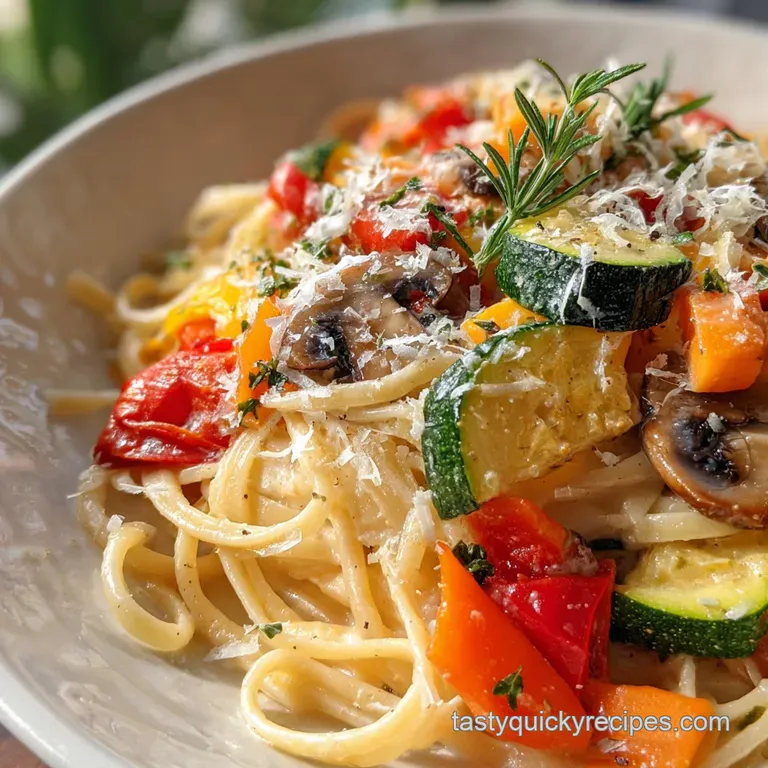
Follow this flow to ensure your pasta is hot and your veggies are crisp right when you are ready to eat.
- Boil the water. Fill a large pot with water and add the 2 tbsp sea salt. Bring to a rolling boil.
- Prep the veggies. While the water heats, peel the 2 medium carrots into ribbons and chop the broccoli, zucchini, pepper, and asparagus. Note: Consistent sizing ensures even cooking.
- Start the pasta. Drop the 1 lb dried pasta into the boiling water. Set a timer for 2 minutes less than the package directions.
- Sauté aromatics. In your large skillet, heat 3 tbsp olive oil over medium heat. Add the diced shallot and 3 cloves sliced garlic. Cook for 2 mins until fragrant and translucent.
- Cook sturdy veggies. Add the carrots, broccoli, and red bell pepper to the skillet. Sauté for 3 to 4 minutes until colors turn vibrant.
- Add delicate veggies. Toss in the zucchini, asparagus, and 1/2 tsp red pepper flakes. Cook for another 3 minutes.
- Create the sauce. Pour in the 1/2 cup heavy cream and 1 cup peas. Bring to a low simmer for 1 minute until small bubbles form.
- Combine. Scoop out 1/2 cup of pasta water, then drain the pasta. Add the pasta to the skillet along with the 1/2 cup Parmesan cheese and the lemon juice.
- Emulsify. Toss everything vigorously, adding a splash of pasta water if it looks dry. Cook for 1 minute until the sauce is velvety and clings to the noodles.
- Finish. Turn off the heat. Fold in the 1/4 cup fresh basil and 1 tsp lemon zest. Serve immediately.
Troubleshooting Your Veggies and Sauce Texture
Even the best of us hit a snag sometimes. Usually, it is a matter of heat control or too much liquid.
Why Your Sauce Is Watery
If your sauce is pooling at the bottom of the bowl, you likely didn't let the cream reduce enough or you added too much pasta water too soon. The Parmesan is your "glue" if you don't use enough, the water and oil will never bond.
Reviving Dull Colored Veggies
If you accidentally overcooked the vegetables and they look gray, there is no way to "uncook" them, but you can distract the eye! Add a massive handful of fresh, bright green basil and some extra lemon zest right before serving. The fresh green and yellow will make the dish look alive again.
Softening Under seasoned Pasta
If the dish tastes "flat," it is almost always a salt or acid problem. Add a tiny pinch more sea salt and another squeeze of lemon. Salt wakes up the vegetables, while the lemon juice cuts through the fat of the cream.
| Problem | Root Cause | Solution |
|---|---|---|
| Clumpy Cheese | Added cheese to boiling sauce | Remove from heat before adding Parmesan |
| Mushy Veggies | Crowded pan or too long | Sauté in two batches if skillet is small |
| Dry Pasta | Noodles absorbed all sauce | Add pasta water 1 tbsp at a time |
Common Mistakes Checklist
- ✓ Don't skip the pasta water - it is the secret to a silky sauce.
- ✓ Use a large enough skillet to avoid steaming the vegetables.
- ✓ Add the lemon juice only at the end to prevent the cream from curdling.
- ✓ Grate your cheese fresh; the stuff in the green can will not melt properly.
- ✓ Ensure the water is at a "rolling boil" before adding the pasta.
Make It Your Own with These Simple Variations
The beauty of this Pasta Primavera Recipe is that it’s basically a template. You can swap the veggies based on what is in your fridge. If you want something even more indulgent, you might like my Marry Me Pasta recipe which uses sun dried tomatoes and a richer base.
Adding Protein
- Chicken: Sauté 1 lb of diced chicken breast in the skillet before starting the vegetables. Remove and set aside, then add back at the end.
- Shrimp: Toss in 1 lb of peeled, deveined shrimp during the last 2 minutes of the vegetable sauté. They cook fast!
- Tofu: Pan fry extra firm tofu cubes until crispy and use them as a topper for a vegetarian protein boost.
Dietary Swaps
- Vegan: Use a high-quality cashew cream instead of heavy cream and nutritional yeast instead of Parmesan.
- gluten-free: Use your favorite GF fusilli or chickpea pasta. Be careful as GF pasta releases more starch; you may need less pasta water.
- Lower Calorie: Swap the heavy cream for a splash of chicken broth and a tablespoon of butter. It won't be as "velvety," but it will be light and fresh.
- If you want a kick
- Double the red pepper flakes and add a teaspoon of smoked paprika.
- If you want it earthy
- Swap the bell peppers for sliced cremini mushrooms.
- If you want it crunchier
- Add 1/4 cup of toasted pine nuts as a final garnish.
Adjusting for Different Batch Sizes
Scaling this recipe is straightforward, but keep an eye on your pan space.
Scaling Down (Cooking for 2) Cut all ingredients in half. You can use a smaller 10 inch skillet. The cooking times remain the same, but the cream will reduce faster, so keep a close eye on it to prevent burning.
Scaling Up (Cooking for 8) Double everything. Do not try to cook all the vegetables in one skillet. Sauté them in two separate batches, then combine everything in the large pasta pot once the noodles are drained. This ensures every vegetable gets direct contact with the hot oil.
For the spices, only use 1.5x the red pepper flakes to start you can always add more, but you can't take it out!
Exposing Common Kitchen Myths
Myth: You must shock the vegetables in ice water. While "blanching and shocking" is great for meal prep, it is unnecessary for a quick dinner. Sautéing them directly in the skillet builds flavor through browning that boiling simply cannot match. You save a pot and a bowl of ice!
Myth: Adding oil to pasta water prevents sticking. This is a total waste of olive oil. The oil just floats on top and then coats the pasta as you drain it, which actually prevents the sauce from sticking to the noodles.
Just use plenty of water and stir the pasta a few times in the first 2 minutes.
How to Store and Keep Leftovers Fresh
Storage Guidelines Store any leftovers in an airtight container in the fridge for up to 3 days. Because of the cream and the fresh vegetables, this dish does not freeze well the zucchini and asparagus will turn to mush once thawed.
Reheating To reheat, add a splash of milk or water to a skillet over medium low heat. Add the pasta and toss gently until warmed through. The extra liquid helps "loosen" the sauce which the pasta will have absorbed overnight. Avoid the microwave if possible, as it tends to make the cream oily.
- Asparagus Ends
- Don't throw away the woody ends. Keep them in a bag in the freezer to make a vegetable stock later.
- Broccoli Stems
- Peel the tough outer layer off the broccoli stems, dice the tender center, and sauté it right along with the florets. It tastes just like a water chestnut!
- Lemon Rind
- After juicing and zesting, toss the spent lemon halves into your dishwasher or garbage disposal to freshen things up.
Perfect Complements to Round Out Your Table
While this is a complete meal on its own, a few sides can make it a feast. A crusty loaf of garlic bread is the classic choice for mopping up any leftover cream sauce. If you're looking for something different, a Spaghetti Pie Recipe is a fun way to use up extra dry pasta you might have in the pantry.
For a lighter pairing, a simple arugula salad with a sharp balsamic vinaigrette provides a nice peppery contrast to the richness of the Parmesan. And honestly, a chilled glass of Sauvignon Blanc or a crisp Pinot Grigio is the ultimate "chef's treat" while you're tossing those veggies.
Enjoy the sizzle, enjoy the aroma, and most importantly, enjoy the crunch!
Recipe FAQs
What are the core ingredients in Pasta Primavera?
Pasta, seasonal firm and soft vegetables, heavy cream, Parmesan cheese, olive oil, shallots, and garlic. The vegetables must be fresh and cut to different sizes to ensure they cook evenly alongside the noodles.
What kind of pasta is best for primavera?
Penne or fusilli are recommended. These short shapes catch the small vegetable pieces and the creamy sauce beautifully in their ridges and tubes.
What are some common mistakes when making primavera?
Overcooking the vegetables or adding cheese while the sauce boils. You must cook firm vegetables longer and add delicate ones last; otherwise, the texture will be uniformly mushy. Learning to control the sauce emulsion by adding cheese off the heat is key, a technique also vital for our Recipe with Pesto.
How to ensure the vegetables stay bright green and crisp?
Sauté them quickly in hot olive oil and finish cooking them off-heat. Direct, high heat for a short period retains the chlorophyll; avoid boiling them separately in water, as this leaches color and nutrients.
How to make the sauce creamy without it breaking or becoming oily?
Emulsify the reserved starchy pasta water with the heavy cream and Parmesan off the heat. The starch acts as a stabilizer, binding the fat from the cream to the liquid, creating a velvety coat that clings perfectly.
What can I substitute for heavy cream in this recipe?
Use full fat coconut milk or cashew cream as a substitute. Coconut milk works well due to its high fat content, though it adds a subtle background flavor, similar to the richness achieved in the Pink Pasta recipe.
What is Al Pacino's favorite pasta dish?
This information is not available in standard culinary databases. While he is known to enjoy Italian cuisine, definitive proof of his favorite specific pasta dish, like Primavera, remains unconfirmed by reliable sources.
Simple Pasta Primavera Recipe
Ingredients:
Instructions:
Nutrition Facts:
| Calories | 733 kcal |
|---|---|
| Protein | 24.6 g |
| Fat | 26.4 g |
| Carbs | 100.7 g |
| Fiber | 8.8 g |
| Sugar | 7.9 g |
| Sodium | 645 mg |
