Slow Simmered Spaghetti Sauce Recipe
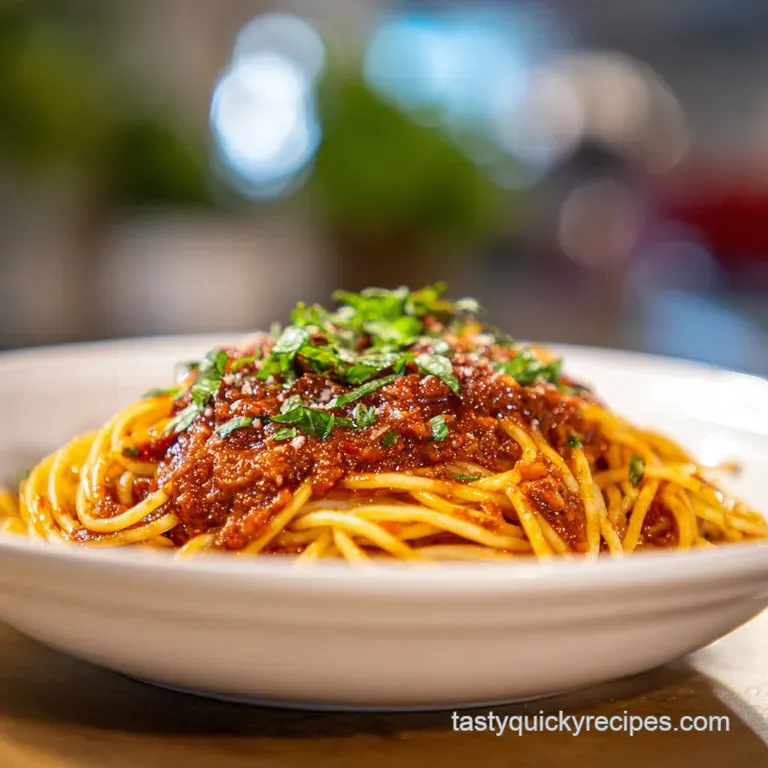
- Time: Active 20 mins, Passive 3 hours, Total 3 hours 20 mins
- Flavor/Texture Hook: Velvety, umami rich, and deeply savory
- Perfect for: Slow Sunday family dinners and meal prep batches
- Unlocking the Magic of a Traditional Spaghetti Sauce Recipe
- Essential Planning for Your Sunday Sauce Success
- The Component List for a Velvety Red Sauce
- The Essential Tools for Professional Results at Home
- Executing the Perfect Slow Simmered Meat Sauce
- Troubleshooting Your Sauce for Balanced Flavors and Textures
- Innovative Ways to Customize Your Basic Tomato Base
- Adjusting the Yield for Any Crowd
- Debunking Common Tomato Sauce Misconceptions
- Storage and Repurposing Strategies for Leftover Sauce
- Creative Pairings and Presentation Ideas for Your Pasta
- Recipe FAQs
- 📝 Recipe Card
Unlocking the Magic of a Traditional Spaghetti Sauce Recipe
The first thing you notice isn't the sight of the pot, but the heavy, sweet scent of garlic and onions hitting hot olive oil. I remember my first real attempt at a proper spaghetti sauce recipe. I was twenty two, living in a tiny apartment, and I thought "sauce" just meant heating up a jar and adding some dried flakes.
Then, a neighbor invited me over for Sunday lunch. The kitchen was thick with steam, and the sound of hand crushing whole tomatoes into a ceramic bowl that rhythmic "squelch" changed everything for me. It wasn't just cooking; it was building something.
We're going to move past the thin, watery sauces of the past. This version is about the "low and slow" philosophy. It’s about letting the pork and beef fats emulsify into the tomato sugars until the whole thing turns a deep, brick red.
You won't find any shortcuts here that sacrifice flavor, but I'll show you exactly where you can save effort without losing that velvety finish we're after. Grab your biggest heavy bottomed pot and let's get into the mechanics of what makes this the best spaghetti sauce recipe you'll ever put on a table.
Essential Planning for Your Sunday Sauce Success
Maillard Reaction: Searing the beef and pork creates complex sugars and brown bits that act as the foundational flavor for the entire pot.
Collagen Breakdown: Long simmering at low temperatures transforms the tough connective tissues in the pork shoulder into silky gelatin, thickening the sauce naturally.
Acid Volatilization: Extended cooking time allows harsh metallic notes from canned tomatoes to evaporate, leaving behind a concentrated, natural sweetness.
Fat Emulsification: The steady, gentle bubbling integrates the rendered fats with the tomato liquid, preventing a greasy film from forming on top.
| Feature | Fresh San Marzanos | Quality Canned Whole | Tomato Sauce (Shortcut) |
|---|---|---|---|
| Texture | Chunky and rustic | Velvety and consistent | Smooth and thin |
| Flavor Profile | Bright and acidic | Deep and balanced | Sweet and simplified |
| Prep Time | High (Peeling/Seeding) | Low (Hand crush) | None |
When you're juggling a busy household, deciding between fresh and canned can be tough. I almost always go with canned San Marzanos because the consistency is unbeatable. If you're looking for a different vibe entirely, like a faster poultry based meal, you might enjoy the profile of a Chicken Spaghetti Recipe, which uses different thickening techniques than this traditional red version.
The Component List for a Velvety Red Sauce
| Ingredient | Science Role | Pro Secret |
|---|---|---|
| Pork Shoulder (225 g) | Adds high fat/collagen | Ask the butcher for a "fatty" grind for more silkiness |
| Tomato Paste (170 g) | Concentrates umami | Fry it until it turns dark maroon to remove "tinny" taste |
| Dry Red Wine (120 ml) | Dissolves flavor compounds | Use a wine you'd actually drink; the alcohol cooks off |
| Carrots (2 medium) | Natural sugar source | Grate them fine so they melt into the sauce invisible |
For this homemade spaghetti sauce recipe, the ingredients list is simple but specific. Don't swap the San Marzanos for "stewed" tomatoes; the texture just isn't the same.
- 450 g Ground Beef Chuck (80/20): Provides the meaty "bite." Why this? The 20% fat is essential for a moist, flavorful sauce base.
- Substitute: Ground turkey (but add 15 ml extra oil).
- 225 g Ground Pork Shoulder: Adds sweetness and silky collagen. Why this? Pork fat rounds out the iron heavy flavor of the beef.
- Substitute: Italian sausage (remove casings).
- 30 ml Extra Virgin Olive Oil: The fat vehicle for aromatics.
- Substitute: Avocado oil or unsalted butter.
- 1 Large Yellow Onion: Finely diced for foundational sweetness.
- Substitute: 2 large shallots.
- 2 Medium Carrots: Grated to balance acidity without refined sugar.
- Substitute: 0.5 tsp white sugar (if in a rush).
- 2 Stalks Celery: Minced for earthy depth.
- Substitute: 0.5 tsp celery salt.
- 1.6 kg San Marzano Whole Peeled Tomatoes: The gold standard for Italian spaghetti sauce recipe. Why this? They have fewer seeds and a thicker flesh.
- Substitute: Standard whole peeled plum tomatoes.
- 170 g Tomato Paste: For body and color.
- 4 Cloves Garlic: Smashed and minced.
- 120 ml Dry Red Wine: To deglaze and add fruitiness.
- Substitute: 120 ml beef broth with 5 ml balsamic vinegar.
- 15 g Dried Oregano & 5 g Dried Basil: The herbal backbone.
- Pinch of Fennel Seeds (crushed) & Red Pepper Flakes: For subtle warmth.
- 2 Bay Leaves: Adds a tea like aromatic quality.
- 15 g Fresh Parsley: For a bright finish.
- Salt & Black Pepper: To taste.
The Essential Tools for Professional Results at Home
To get that chunky spaghetti sauce recipe texture, you need a heavy bottomed pot. I swear by my 6 quart enameled cast iron Dutch oven. It distributes heat evenly, which is critical when you're simmering something for 3 hours. If you use a thin stainless steel pot, you'll likely scorch the bottom.
You also need a sturdy wooden spoon it's the only thing that can really scrape the "fond" (those brown bits) off the bottom after you sear the meat.
Don't bother with a blender for the tomatoes. Use your hands or a potato masher. A blender aerates the sauce, turning it orange instead of deep red. You'll also want a fine grater for the carrots; you want them to dissolve into the sauce, providing sweetness without the texture of a salad.
Executing the Perfect Slow Simmered Meat Sauce
- 1. The Soffritto (Minutes 0-15)
- Softening the vegetables and browning the meat.
- 2. The Deglaze (Minutes 15-25)
- Frying the paste and adding the wine.
- 3. The Simmer (Minutes 25-200)
- The long, slow wait while flavors marry.
Step 1: Heat 30 ml olive oil in a large pot over medium heat. Add the 450 g beef and 225 g pork. Cook 8 minutes until browned and sizzling.Note: Don't move the meat too much; let it develop a crust.
Step 2: Remove the meat with a slotted spoon, leaving the fat. Add diced onion, grated carrots, and minced celery. Sauté 10 minutes until soft and translucent.
Step 3: Stir in the 4 cloves of minced garlic and 170 g tomato paste. Cook 3 minutes until the paste darkens to a rust color.Note: This step removes the raw, metallic taste of the paste.
Step 4: Return the meat to the pot. Pour in the 120 ml dry red wine. Scrape the bottom of the pot until all brown bits are dissolved.
Step 5: Crush the 1.6 kg of whole tomatoes by hand into a bowl, then add them (and their juices) to the pot.
Step 6: Add the oregano, basil, crushed fennel, red pepper flakes, and bay leaves. Bring to a gentle simmer.
Step 7: Reduce heat to the lowest setting. Cook uncovered for 3 hours, stirring occasionally.Note: It should barely bubble; a "lazy" bubble is what you want.
Step 8: In the last 15 minutes, stir in the fresh parsley. Season with salt and pepper until the flavors pop.
Step 9: Remove the bay leaves. If the sauce is too thick, add 60 ml of pasta water.
Step 10: Serve immediately or let cool for storage. The sauce should be thick enough to hold its shape on a spoon.
Troubleshooting Your Sauce for Balanced Flavors and Textures
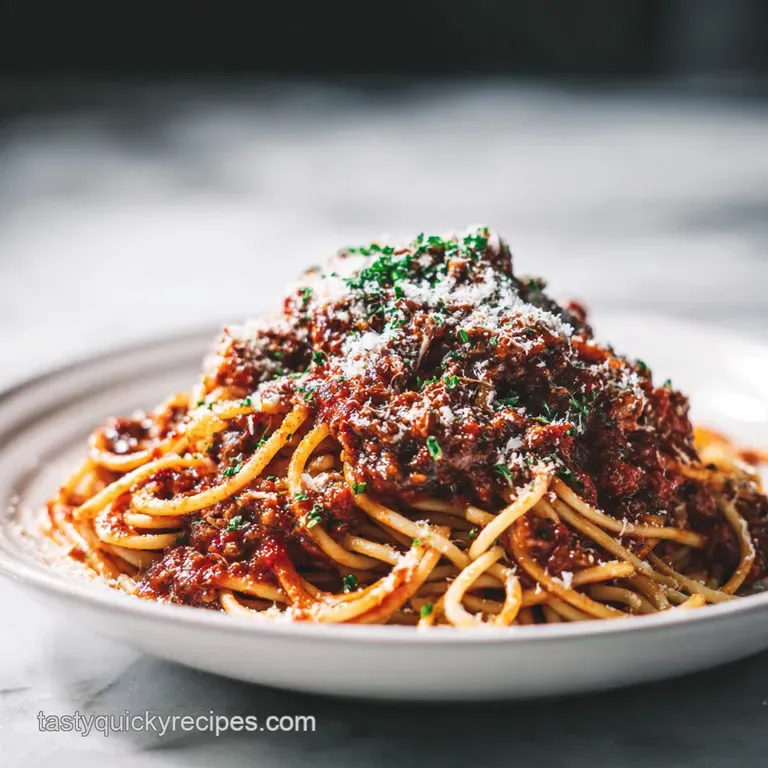
Why Your Sauce Tastes Bitter
Usually, this comes from burnt garlic or over toasted herbs. Garlic only needs about 45 seconds to a minute before it turns acrid. If you’ve already cooked it, you can’t "un burn" it, but you can balance it.
| Problem | Root Cause | Solution |
|---|---|---|
| Harsh Acidity | Under ripe tomatoes or short cook time | Add 0.5 tsp baking soda to neutralize pH |
| Thin/Watery Sauce | Too much liquid or lid kept on | Simmer uncovered for 30 more minutes |
| Greasy Surface | Meat wasn't drained or high fat content | Skim oil with a wide spoon or use a paper towel |
But what about the sweetness? Many people reach for sugar immediately. Before you do that, try adding a tiny pinch of salt first. Salt often "unlocks" the natural sweetness of the carrots and onions.
If it's still too tart, that's when a tiny bit of baking soda or a teaspoon of butter can round out the edges without making it taste like candy.
Common Mistakes Checklist
- ✓ Never skip browning the meat; that "crust" is where the depth lives.
- ✓ Don't use "cooking wine"; use something you'd enjoy in a glass.
- ✓ Avoid the food processor for the aromatics; hand dicing prevents them from turning into a bitter mush.
- ✓ Resist the urge to cover the pot; evaporation is your friend for a thick sauce.
- ✓ Check the bottom of the pot every 30 minutes to prevent scorching.
Innovative Ways to Customize Your Basic Tomato Base
If you're looking for a spaghetti sauce recipe no meat, you can swap the beef and pork for 450 g of finely chopped cremini mushrooms. Sauté them until they've released all their water and turned dark brown; they provide a similar umami "hit" as the beef.
For a spaghetti sauce recipe with fresh tomatoes, you'll need to blanch and peel about 2.5 kg of Roma tomatoes. It's more work, but the brightness is incredible. If you want something faster and lighter for a party, you might pivot to an Italian Pasta Salad recipe which uses a vinaigrette base rather than a heavy simmered sauce.
The Fresh Garden Twist
Add 120 g of sautéed bell peppers and a splash of balsamic vinegar at the end. This brightens the heavy meat flavors and works beautifully in the summer months.
The Weeknight Shortcut
Use a high-quality jarred marinara as your base, but still perform Step 1 and Step 2 of the instructions. Adding the fresh soffritto and browned meat to a jarred sauce "fakes" the long simmered flavor in about 45 minutes.
Adjusting the Yield for Any Crowd
When cutting this recipe in half, be careful with the spices. Don't just cut them in half; start with about 1/3 the amount of red pepper flakes and fennel, as they can become overwhelming in smaller volumes. Use a smaller pot so the sauce doesn't evaporate too quickly.
If you're doubling the recipe for a big Sunday feast, don't double the salt initially. The salt concentrates as the sauce reduces. Use two pots if necessary overcrowding a single pot makes it hard to get a good sear on the meat, and you might end up steaming it instead of browning it. For large groups, I often serve this alongside a Mediterranean Pasta for guests who want a lighter, meat free option.
| Servings | Meat Total | Tomato Total | Pot Size |
|---|---|---|---|
| 4 People | 335 g | 800 g | 3-4 Quart |
| 8 People | 675 g | 1.6 kg | 6-8 Quart |
| 16 People | 1.35 kg | 3.2 kg | 12 Quart (or 2 pots) |
Scaling up usually requires about 10% more cooking time because the larger thermal mass takes longer to reach a simmer.
Debunking Common Tomato Sauce Misconceptions
One of the biggest myths is that adding a whole carrot to the pot and removing it later "absorbs" the acid. Chemically, that's not how it works. A carrot isn't a sponge for acidity; it's a source of sugar. By grating the carrot into the sauce, you're actually using that sugar to balance the acid's flavor profile.
Another one I hear constantly is that you must add sugar to make a "real" sauce. In Italy, the sweetness comes from the long, slow caramelization of the onions and the selection of naturally sweet tomatoes like San Marzanos.
If your sauce is bitter, it's usually a technique issue like scorched garlic not a lack of white sugar.
Storage and Repurposing Strategies for Leftover Sauce
This sauce is a meal prep beast. It stays fresh in the fridge for up to 5 days. In fact, it's better on day two because the fats and spices have more time to fully integrate. To reheat, add a splash of water or more wine to a pan and simmer gently avoid the microwave if you can, as it can cause the oil to separate and turn the sauce grainy.
For long term storage, this freezes beautifully for up to 4 months. Use heavy duty freezer bags and lay them flat to save space. When you're ready to use it, let it thaw in the fridge overnight.
To avoid waste, take any leftover sauce scraps and use them as a base for a Minestrone soup or as a poaching liquid for eggs (Shakshuka style) the next morning. If you have just a little bit left, it makes a killer topping for a quick French bread pizza.
Creative Pairings and Presentation Ideas for Your Pasta
While spaghetti is the classic choice, this sauce is heavy and needs a noodle that can stand up to it. Think Bucatini (with the hole in the middle to trap sauce) or Pappardelle. If you're feeling adventurous, this sauce is also the perfect base for a Chicken Tetrazzini Casserole recipe if you want to swap the cream sauce for something more robust.
When serving, don't just dump the sauce on top of plain white noodles. Toss the pasta in a skillet with a ladle of sauce and a splash of pasta water for 60 seconds before plating. This finishes the cooking process of the pasta inside the sauce, ensuring every strand is coated in that velvety red gold.
Finish with a blizzard of Pecorino Romano and a drizzle of high-quality olive oil. It’s simple, fast, and exactly what a "flavorful table" looks like when you're juggling a busy life but still want to eat like a king.
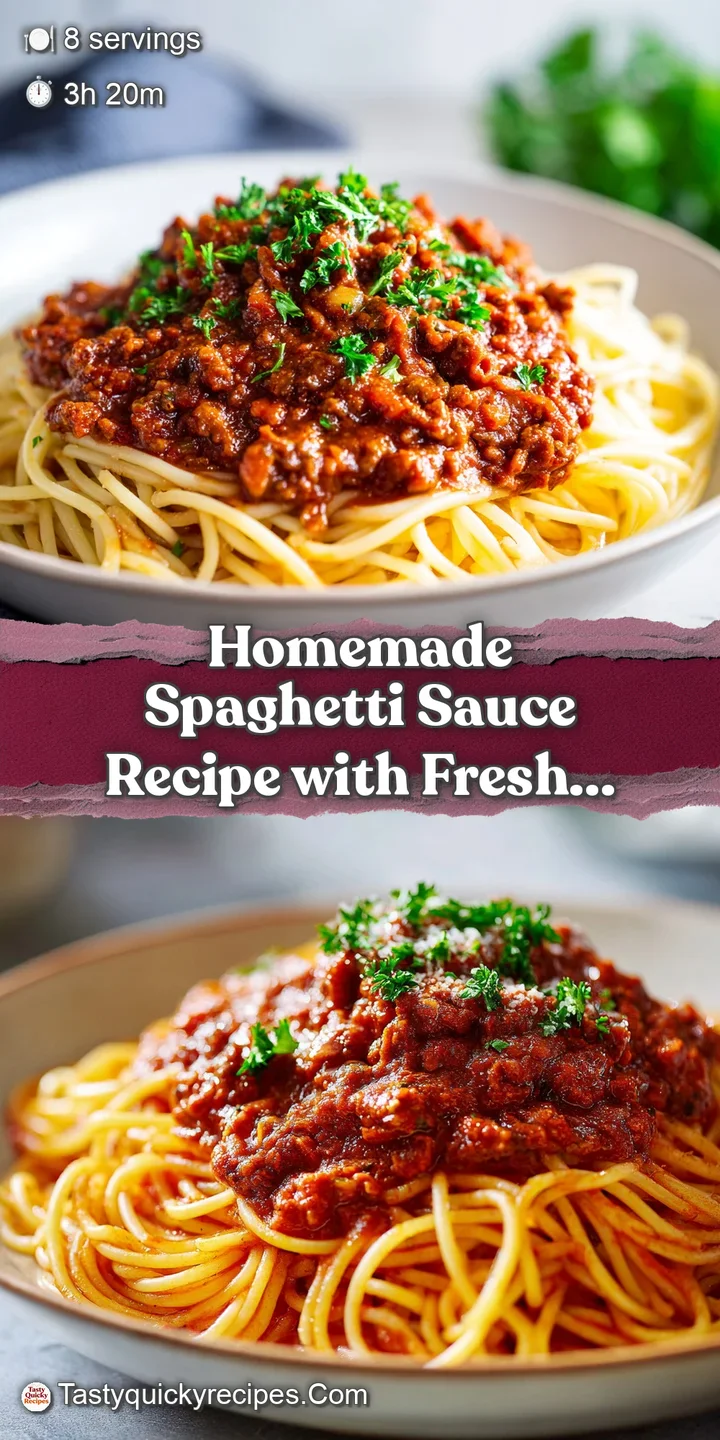
Recipe FAQs
What is the one ingredient that makes spaghetti sauce so much better?
A mixture of ground beef and pork shoulder. The pork contributes essential collagen and fat which break down during the long simmer, creating a silky, velvety mouthfeel unmatched by using only beef.
What gives spaghetti sauce the best flavor?
A long, slow simmer, ideally 3 hours uncovered. This extended cooking time allows harsh tomato acids to evaporate while concentrating the meat's umami and integrating the rendered fats, building deep complexity.
What is a common mistake when making spaghetti sauce?
Overcooking the tomato paste before adding liquid. You must fry the paste until it darkens to a deep rust color to cook out its tinny flavor; otherwise, the whole sauce tastes raw and metallic.
What do Italians put in their spaghetti sauce?
San Marzano tomatoes, soffritto (onion, carrot, celery), and often a mix of meats like beef and pork. They prioritize balance, relying on the natural sweetness of quality tomatoes rather than adding refined sugar.
How do I ensure my sauce clings perfectly to the pasta instead of sliding off?
Toss the drained pasta directly in the sauce with a ladle of starchy pasta water for 60 seconds before serving. This technique uses the starch to create a temporary emulsion between the pasta surface and the sauce fat.
Is it true that you should never blend traditional spaghetti sauce?
Yes, this is mostly true for deep red sauces. Blending aerates the sauce, which can cause the color to turn from a deep brick red to a lighter orange, stripping some of the cooked down flavor.
If my sauce is too thin, should I add more tomato paste immediately?
No, let it simmer uncovered first to evaporate excess moisture. Adding more paste too soon just concentrates flavor and color without fixing the liquid ratio; if still thin after 30 minutes more simmering, then add paste or a slurry.
Silky Spaghetti Sauce Recipe
Ingredients:
Instructions:
Nutrition Facts:
| Calories | 332 kcal |
|---|---|
| Protein | 17.4 g |
| Fat | 18.1 g |
| Carbs | 14.2 g |
| Fiber | 3.9 g |
| Sugar | 7.1 g |
| Sodium | 745 mg |
