Dinner Idea with Roasted Chicken and Vegetables
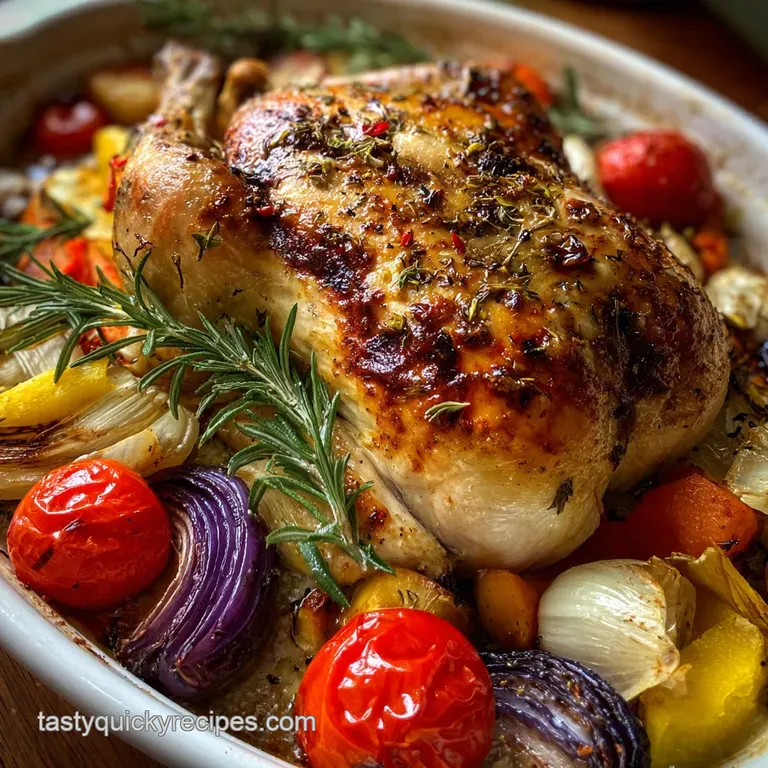
- Time: Active 15 minutes, Passive 40 minutes, Total 55 minutes
- Flavor/Texture Hook: Shatter crisp skin and honey sweet charred vegetables
- Perfect for: Busy weeknights, budget conscious families, or beginner meal prep
- How to Perfect Your Dinner Idea with Roasted Chicken
- The Science of Why it Works
- Key Performance Specs for Your Meal
- Essential Components for the Best Flavor
- Tools Required for a Perfect Roast
- From Prep to Plate: Step by Step
- Resolving Common Cooking Hurdles Successfully
- Modifying the Recipe for Specific Diets
- Maintaining Quality and Reducing Food Waste
- Debunking Common Roasting Myths
- Making Your Roasted Chicken Look Professional
- High in Sodium
- Recipe FAQs
- 📝 Recipe Card
You know that sound when you pull a tray out of the oven and the chicken skin is still audibly crackling? That's the sound of a successful Tuesday night. This recipe for Dinner Idea with Roasted Chicken and Vegetables is a complete, flavorful meal the whole family will enjoy.
We’ve all been there, staring at a pack of chicken thighs and wondering how to make them interesting without spending two hours at the stove.
I used to struggle with soggy vegetables or, worse, chicken that looked pale and felt rubbery. It’s frustrating when you spend money on fresh produce and it comes out of the oven limp and sad. But after a lot of trial and error in my own kitchen, I’ve found that the secret isn't fancy equipment.
It’s all about how you space things out and how you treat the fat.
This method is my absolute go to when I'm juggling work and family life. It’s budget smart because it uses sturdy vegetables like sweet potatoes and Brussels sprouts that stay fresh in the fridge for a long time. You'll get that high end roasted flavor without the high end price tag or the mountain of dishes.
Trust me, once you see those charred edges on the red onions, you’ll never go back to basic boiled sides again.
How to Perfect Your Dinner Idea with Roasted Chicken
For Shattering Skin and Juicy Meat
To get that incredible texture, you need to dry the chicken. I mean really dry it. Use paper towels to wick away every drop of moisture from the skin before the oil touches it. Water is the enemy of crispiness because it creates steam. If the skin is wet, it will boil instead of fry in its own fat.
Also, don't be afraid of the high heat; 400°F (200°C) is the sweet spot where the fat renders out and the meat stays succulent.
For Maximum Caramelization (The Maillard Reaction)
The magic happens when the natural sugars in the sweet potatoes and red onions meet the high heat of the oven. We want those dark, almost black edges on the Brussels sprouts. This isn't burnt; it’s flavor. The key is not to overcrowd the pan.
If the vegetables are piled on top of each other, they will trap steam, and you’ll lose that crispy, charred texture we're aiming for. Spread them out so the air can circulate freely.
The Science of Why it Works
Maillard Reaction: High heat triggers a chemical reaction between amino acids and reducing sugars, creating hundreds of flavor compounds and deep browning. Adipose Rendering: The bone in thighs contain fat that melts slowly, basting the vegetables below in savory juices while the skin dehydrates and crisps.
Chef Tip: For a deeper flavor, grate 1/4 teaspoon of fresh nutmeg over the sweet potatoes. It’s an unconventional trick that makes the dish taste like it came from a French bistro.
Key Performance Specs for Your Meal
Knowing your numbers helps you stay consistent every time you cook. I’ve learned that "winging it" is fine for soup, but roasting requires a bit more precision.
| Metric | Target Value | Why It Matters |
|---|---|---|
| Internal Temp | 175°F (80°C) | Thighs need higher temps than breasts to break down connective tissue |
| Prep Time | 15 minutes | Efficient chopping keeps the "fast" in fast and flavorful |
| Vegetable Size | 1 inch cubes | Ensures sweet potatoes soften at the same rate the chicken cooks |
While fresh ingredients are always the gold standard, sometimes we need a shortcut. Here is how the two approaches compare in this specific roast.
| Feature | Fresh Ingredients | Shortcut Version (Pre cut/Frozen) |
|---|---|---|
| Texture | Shatter crisp edges | Softer, more steamed consistency |
| Flavor | Bright rosemary and sharp garlic | Muted herb notes, salt forward |
| Effort | 15 mins prep | 2 mins prep |
Essential Components for the Best Flavor
This recipe relies on a few heavy hitters. Each ingredient plays a specific role in the chemistry of the tray bake. Using bone in, skin on thighs is non negotiable for the best result because the bone acts as an insulator, preventing the meat from drying out during the long roast.
| Component | Science Role | Pro Secret |
|---|---|---|
| Chicken Thighs | Fat Source | Salt the skin 30 mins early to draw out moisture |
| Sweet Potatoes | Sugar/Starch | Leave the skin on for extra fiber and earthy flavor |
| Smoked Paprika | Color/Aroma | Use "Pimentón de la Vera" for a truly authentic smoky finish |
For the Foundation
- 1.5 lbs bone in, skin on chicken thighs: The anchor of our dinner.
- 2 large sweet potatoes: Peeled and cubed into 1 inch pieces for even cooking.
- 1 lb Brussels sprouts: Halved and trimmed to maximize surface area for charring.
- 1 large red onion: Cut into thick wedges to provide sweetness and moisture.
For the Herb Infusion
- 2 tbsp extra virgin olive oil: Helps the spices stick and conducts heat.
- 4 cloves garlic: Smashed to release oils without burning too quickly.
- 1 tbsp fresh rosemary: Finely minced. Why this? It stands up to high heat better than delicate herbs like parsley.
- 1 tsp smoked paprika: Adds a deep, wood fired flavor profile.
- 1.5 tsp sea salt: Vital for both flavor and drawing out moisture.
- 1 tsp cracked black pepper: Provides a subtle, spicy back note.
Tools Required for a Perfect Roast
You don't need a kitchen full of gadgets, but a few specific items make this whole process much smoother. I personally love using a heavy duty rimmed baking sheet. A thin, cheap cookie sheet will warp in a 400°F oven, which can cause your oil to pool in one corner and leave half your veggies dry.
If you have a cast iron skillet (like a Lodge), that's another fantastic option for this Roasted Chicken. It holds heat beautifully and gives the bottom of the vegetables a stunning crust. Just make sure it’s large enough that you aren't stacking the ingredients. If you're looking for other healthy ways to prep poultry, you might enjoy this Whole 30 Recipe which focuses on clean, simple roasting techniques.
Beyond the pan, a sharp chef's knife is your best friend here. Chopping sweet potatoes can be a workout if your blade is dull. Also, grab an instant read thermometer. It’s the only way to be 100% sure your chicken is safe and juicy without cutting into it and letting all those precious juices escape onto the pan.
From Prep to Plate: step-by-step
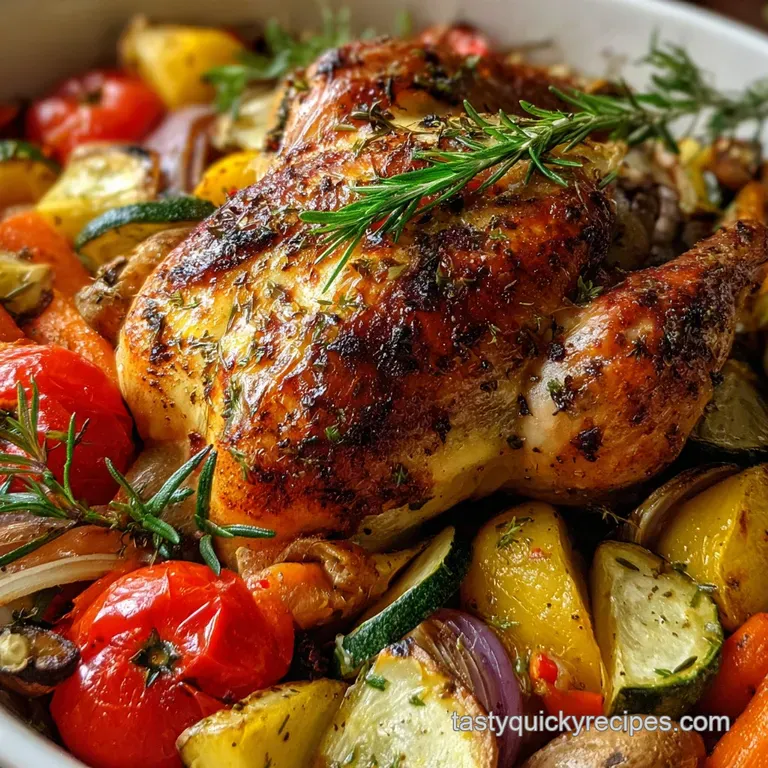
- Heat the oven. Set your rack to the middle position and preheat to 400°F (200°C). Note: A fully preheated oven is crucial for that immediate sizzle.
- Prep the chicken. Pat the 1.5 lbs of chicken thighs dry with paper towels. Check that the skin feels tacky, not slippery.
- Toss the vegetables. In a large bowl, combine the cubed sweet potatoes, halved Brussels sprouts, and red onion wedges.
- Season the mix. Drizzle the vegetables with 1 tbsp of olive oil and half of the salt, pepper, and rosemary. Toss until every piece glimmers.
- Oil the protein. Rub the remaining 1 tbsp of olive oil over the chicken thighs, including under the skin if possible.
- Apply the rub. Mix the smoked paprika with the rest of the salt, pepper, and rosemary. Coat the chicken evenly until it’s a deep orange red.
- Arrange the tray. Spread the vegetables on the baking sheet in a single layer. Place the chicken thighs on top, skin side up.
- Add the garlic. Tuck the 4 smashed garlic cloves in between the vegetables. Note: This prevents the garlic from burning on the open pan.
- Roast the meal. Slide the tray into the oven and bake for 40 minutes until the chicken skin is golden and the potatoes are tender.
- Final Rest. Remove the pan from the oven and let it sit for 5 minutes. Listen for the faint crackle of the skin as it finishes crisping.
Resolving Common Cooking Hurdles Successfully
For Avoiding Soggy Vegetables
If your vegetables are coming out mushy, the culprit is almost always overcrowding. When vegetables are too close, they release moisture that turns into steam. To fix this, use two baking sheets if necessary. It feels like more work, but the difference in texture is worth the extra thirty seconds of washing up.
For Fixing Pale Chicken Skin
Sometimes the meat is cooked but the skin looks sad. This usually happens if the chicken was too cold or too wet. If you hit the 40 minutes mark and want more color, turn the broiler on for the last 2 minutes.
Watch it like a hawk, though; it goes from "perfectly bronzed" to "charcoal" in seconds.
| Problem | Root Cause | Solution |
|---|---|---|
| Rubbery Skin | Excess moisture or low heat | Pat dry thoroughly and ensure oven is at 400°F |
| Burnt Garlic | Exposed to direct heat | Tuck cloves under vegetables or chicken thighs |
| Hard Potatoes | Cubes cut too large | Slice into 1 inch pieces or smaller for even roasting |
Another thing to watch for is the honey like sap that sweet potatoes sometimes release. It can burn on the pan. Using parchment paper makes cleanup much faster, though you might lose a tiny bit of that direct contact browning. If you enjoy one pan comforts but want a creamier texture, the Chicken RiceaRoni Casserole recipe is a great alternative for those nights when you want something saucy instead of roasted.
Modifying the Recipe for Specific Diets
The beauty of this Roasted Chicken and Vegetables setup is how flexible it is. You can swap out the produce based on what’s on sale or what’s sitting in your crisper drawer. If you're looking for a leaner profile, you can use chicken breasts, but you'll need to adjust the timing.
Breasts cook faster and have no skin to protect them, so I recommend roasting the vegetables for 15 minutes alone before adding the chicken to the tray.
For a Low Carb/Keto Twist
Ditch the sweet potatoes and swap them for cauliflower florets and radishes. Roasted radishes lose their sharp bite and become remarkably similar to potatoes in texture. You can also add more healthy fats by drizzling a little melted butter over the chicken halfway through the cooking process.
For a Zesty Mediterranean Version
Swap the smoked paprika and rosemary for dried oregano and lemon zest. Toss in some Kalamata olives and cherry tomatoes during the last 10 minutes of roasting. It changes the whole vibe of the dish without changing the technique.
- If you want more crunch
- Toss 1/2 cup of walnuts or pecans onto the tray for the last 5 minutes.
- If you want more heat
- Add 1/2 tsp of red pepper flakes to the spice rub.
- If you want a glaze
- Brush the chicken with 1 tbsp of honey mixed with Dijon mustard in the final 5 minutes.
Maintaining Quality and Reducing Food Waste
Leftovers are a gift for future you. This meal holds up surprisingly well, but there’s a trick to reheating it. Whatever you do, avoid the microwave if you want to keep that skin crispy. The microwave will turn the chicken rubbery and make the Brussels sprouts smell a bit funky.
Instead, throw everything back onto a pan and pop it into a toaster oven or regular oven at 350°F for about 10 minutes. This revives the fats and restores the crunch to the vegetables.
- Storage: Keep in an airtight container in the fridge for up to 4 days.
- Freezing: You can freeze the roasted chicken for up to 3 months. The vegetables will get a bit softer upon thawing, so they are best used in a soup or a quick hash afterward.
- Zero Waste Tip: Don't throw away the red onion peels or the ends of the Brussels sprouts. Toss them into a freezer bag. Once the bag is full, simmer them with some water and the leftover chicken bones to make a rich, homemade stock.
If you find yourself with extra chicken and want to scale this up for a big holiday gathering, you might find inspiration in this Classic Thanksgiving Recipe which handles large scale roasting with ease.
Debunking Common Roasting Myths
Many people think you need to baste chicken while it roasts. Honestly, don't even bother. Opening the oven door every 15 minutes drops the temperature and lets out the dry heat needed to crisp the skin. The fat in the thighs provides all the moisture you need from the inside out.
Another myth is that you must "seal" the meat in a pan before roasting. While searing adds flavor, a 400°F oven is hot enough to create that Maillard reaction without the extra step of pan frying first. This saves you time and a messy, oil splattered stovetop.
Making Your Roasted Chicken Look Professional
Presentation is about contrast. The deep greens of the sprouts and the vibrant orange of the sweet potatoes already do a lot of the work for you. To make it look like a "pro" Dinner Idea with Roasted Chicken, I like to serve it right on the sheet pan if it's a casual family meal just put a trivet down and let everyone dig in.
If you're plating it, place a generous scoop of the vegetables down first, then nestle the chicken thigh on top. This keeps the skin high and dry so it stays crispy until the first bite.
A final sprinkle of fresh rosemary or a squeeze of fresh lemon juice adds a pop of brightness that cuts through the rich fat of the chicken.
It's all about those little touches. Juggling a busy schedule doesn't mean you can't have a meal that looks and tastes like you spent all afternoon on it. This recipe proves that with a little science and some smart roasting, you can turn basic pantry staples into a flavorful centerpiece.
Enjoy the table time with your family you've earned it!
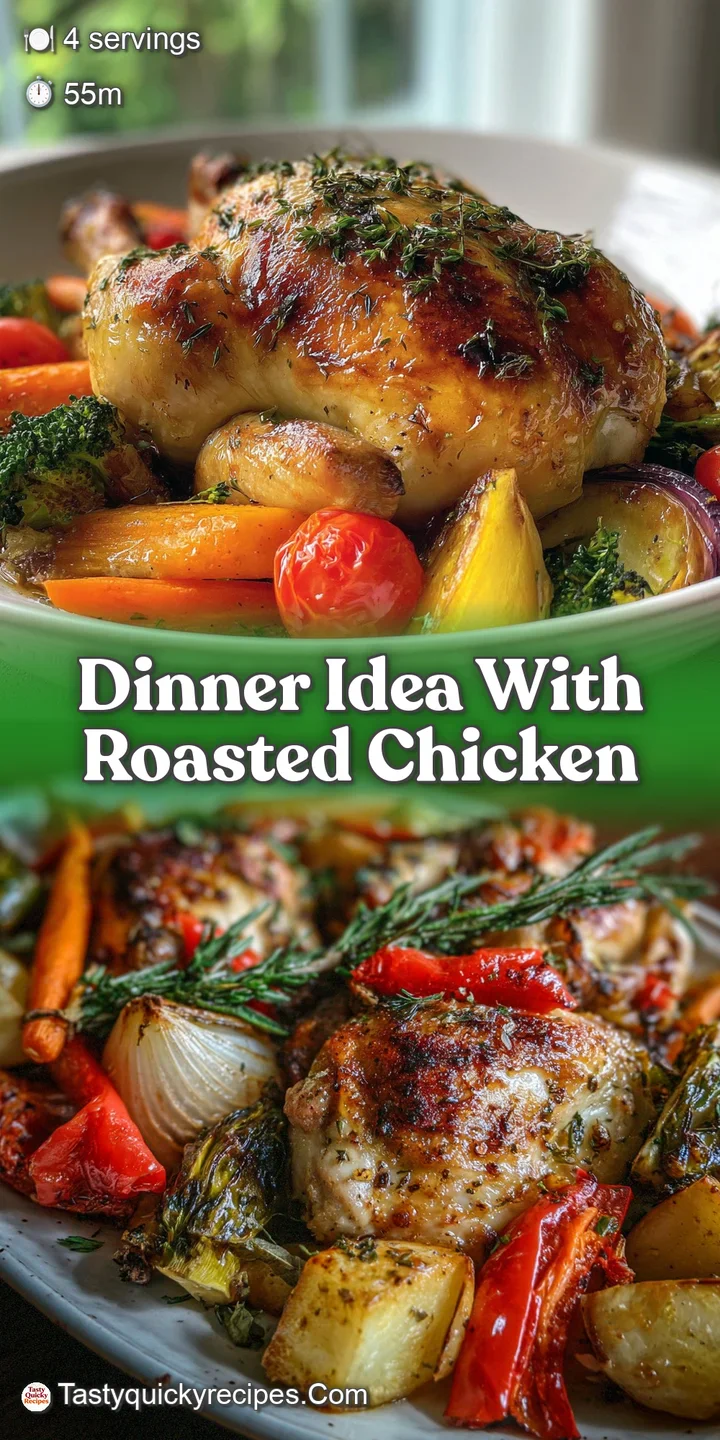
High in Sodium
988 mg mg of sodium per serving (43% of daily value)
The American Heart Association recommends limiting sodium intake to about 2,300mg per day.
Tips to Reduce Sodium in This Recipe
-
Reduce Added Salt-25%
Reduce the amount of sea salt added from 1.5 tsp to 3/4 tsp. This simple change can significantly reduce the sodium content without drastically altering the flavor. Consider tasting and adding more at the table if needed.
-
Consider Skinless Chicken-15%
While flavorful, chicken skin can sometimes be seasoned with salt during processing. Removing the skin before roasting, or purchasing skinless chicken thighs, can help reduce sodium intake. Consider removing the skin after cooking to retain some flavor during the roasting process.
-
Rinse Vegetables-5%
Even though you're using fresh vegetables, give the Brussels sprouts a quick rinse under cold water before halving. This can help remove any residual dirt or potential surface sodium.
-
Boost Flavor with Herbs
Enhance the flavor profile with additional herbs and spices. Consider adding dried thyme, oregano, or a pinch of red pepper flakes for complexity. This will help compensate for the reduction in salt without adding sodium.
Recipe FAQs
What is the best temperature to roast chicken thighs for crispy skin?
400°F (200°C) is the sweet spot. This high heat allows the fat to render out effectively, creating shatteringly crisp skin while keeping the meat juicy and succulent.
How can I ensure my roasted vegetables get maximum caramelization and don't turn mushy?
Don't overcrowd the pan. Spread vegetables in a single layer so air circulates freely, promoting browning rather than steaming. This technique is key for achieving that delicious Maillard reaction, similar to how we achieve texture in other roasted dishes.
Should I baste the chicken while it's roasting?
No, resist the urge to baste frequently. Opening the oven door repeatedly lowers the temperature and disrupts the dry heat needed for crisping the skin. The fat from bone-in thighs provides ample moisture.
What's a good shortcut if I don't have time to prep fresh vegetables?
Use pre-cut frozen vegetables cautiously. While it significantly reduces prep time, frozen vegetables tend to release more moisture, resulting in a softer, more steamed texture compared to fresh.
How can I reheat leftover roasted chicken and vegetables to maintain quality?
Avoid the microwave; use your oven or toaster oven. Reheat on a baking sheet at 350°F (175°C) for about 10 minutes to revive crispiness and prevent the chicken from becoming rubbery.
What's the best way to prevent pale chicken skin when roasting?
Ensure the chicken skin is thoroughly dry before cooking. Moisture is the enemy of crispiness. For extra color, you can finish it under the broiler for the last 2 minutes, but watch it very carefully.
What is the internal temperature target for cooked chicken thighs?
Aim for an internal temperature of 175°F (80°C). Thighs require a higher temperature than breasts to break down connective tissues and achieve a tender, juicy result.
Roasted Chicken Dinner
Ingredients:
Instructions:
Nutrition Facts:
| Calories | 505 kcal |
|---|---|
| Protein | 34.5 g |
| Fat | 24.5 g |
| Carbs | 38.5 g |
| Fiber | 8.5 g |
| Sugar | 11.8 g |
| Sodium | 988 mg |
