Ravioli Lasagna Bake with Ricotta
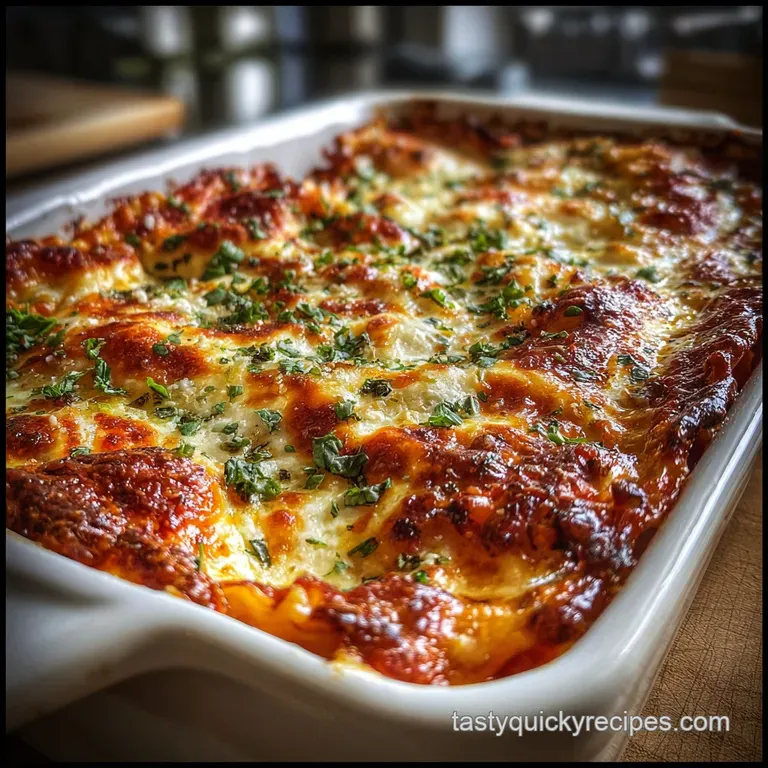
- Time: Active 15 minutes, Passive 30 minutes, Total 45 minutes
- Flavor/Texture Hook: Silky ricotta and bubbly mozzarella
- Perfect for: Busy weeknights and hungry kids
- Creating the Ultimate Ravioli Lasagna Bake
- Essential Culinary Mechanics
- Recipe Quick Stats
- Selecting Best Ingredients
- Needed Kitchen Tools
- Step by Step Method
- Solving Common Problems
- Tasty Swaps and Variations
- Storage and Keeping Fresh
- Side Dish Pairings
- Very High in Sodium
- Recipe FAQs
- 📝 Recipe Card
Creating the Ultimate Ravioli Lasagna Bake
Honestly, the first time I tried making a lasagna from scratch, I ended up with flour on my ceiling and a kitchen that looked like a crime scene. I spent four hours on the sauce and the layers, only for the whole thing to slide apart the moment I cut into it.
It was a watery, floppy mess that left me reaching for the takeout menus. I was so frustrated because I just wanted that cozy, cheesy hug in-a dish without the manual labor.
That’s when I discovered the magic of using frozen pasta as a structural tool. The sizzle of the Italian sausage hitting the pan and that punchy aroma of garlic and oregano immediately makes the house smell like a Sunday roast.
This Ravioli Lasagna Bake is my secret weapon for those nights when the kids are screaming, the laundry is piled high, and I still want a meal that feels like I spent all day in the kitchen.
We’re skipping the boiling, the draining, and the messy noodle wrangling. We’re using frozen cheese ravioli as our "lasagna sheets," and let me tell you, it’s a total shift in how you’ll think about Italian night.
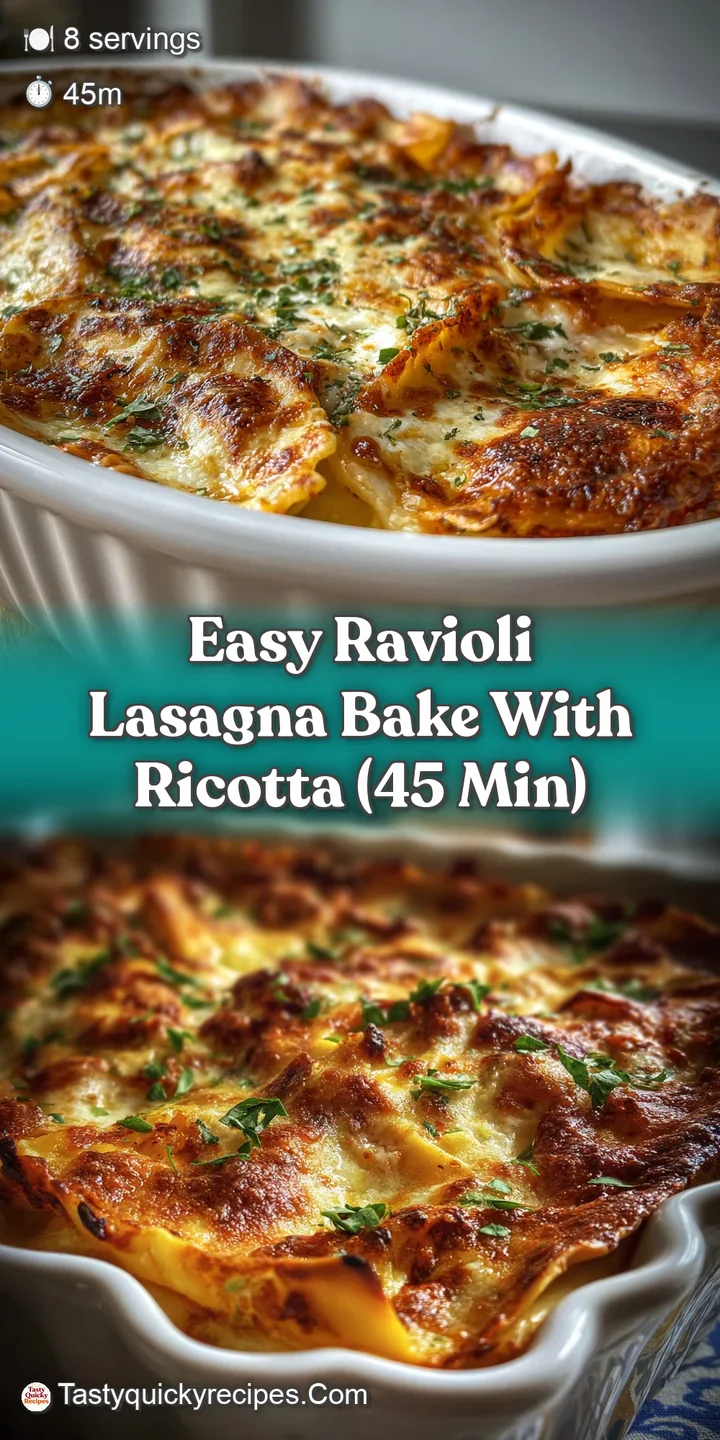
You get those velvety pockets of cheese in every bite, surrounded by a meat sauce that’s rich enough to satisfy any craving. It’s bubbly, it’s golden, and it stays together when you slice it. Trust me, once you try this, you won't go back to the boxes of dry noodles.
Essential Culinary Mechanics
The Starch Hydration Hack
Mechanism: The frozen ravioli absorbs moisture from the marinara sauce as it thaws in the oven, effectively cooking the pasta in situ while the egg in the ricotta stabilizes the structure.
This prevents the "soupy" texture common in quick bakes by utilizing the pasta's own starch to thicken the surrounding sauce.
- Fat to Acid Balance: The spicy Italian sausage provides rendered fats that mellow the acidity of the marinara, creating a more complex flavor profile without long simmering.
- Protein Binding: Adding a lightly beaten egg to the ricotta prevents the cheese from liquefying under heat, ensuring the white layers stay distinct and creamy.
- The Maillard Effect: Using a high moisture mozzarella on top under high heat creates those characteristic browned "cheese bubbles" that provide a savory, toasted flavor.
- Starch Gelatinization: As the ravioli heats up, the starch in the dough swells and binds with the water in the sauce, creating a cohesive, sliceable bake.
| Method | Total Time | Texture | Difficulty |
|---|---|---|---|
| Traditional Lasagna | 3 hours | Soft, thin layers | High |
| Ravioli Lasagna Bake | 45 minutes | Chewy, pillowy pockets | Very Low |
| No Boil Sheets | 1 hour 15 mins | Firm, flat layers | Medium |
Choosing the right method depends on your Tuesday afternoon energy levels. While a traditional Sunday roast flavor is legendary, the Ravioli Lasagna Bake offers a similar flavor profile with about 70% less cleanup.
It’s especially helpful if you’re juggling work and family life but still want a home cooked feel.
For those looking for a more traditional texture but still wanting that deep meat flavor, you might enjoy my Meat Sauce Recipe which works perfectly as a base for any pasta dish. It provides that slow cooked richness that pairs beautifully with the ricotta layers we're using here.
Recipe Quick Stats
Component Analysis
| Ingredient | Science Role | Pro Secret |
|---|---|---|
| Frozen Ravioli | Structural Base | Keep them frozen until the second they hit the sauce to prevent sogginess. |
| Ricotta Cheese | Moisture Regulator | Use whole milk versions to prevent the layer from turning grainy when heated. |
| Large Egg | Emulsifier/Binder | Beats into the ricotta to "set" the layer, preventing it from oozing out. |
| Italian Sausage | Flavor Foundation | Brown it until it's almost "crispy" to add a deeper umami punch to the sauce. |
While many people think any ricotta will do, the fat content really matters here. If you use a low-fat version, it tends to weep water, which is the enemy of a firm bake. Always go for the full fat tub if you want that silky, professional finish.
Selecting Best Ingredients
To get the most out of this Ravioli Lasagna Bake, you need to be picky about your basics. Since there aren't many ingredients, each one has to pull its weight.
- 1 lb Italian Sausage: I prefer the spicy bulk version to add a little heat, but mild works perfectly for kids. Why this? Bulk sausage blends into the sauce better than sliced links.
- 25 oz Frozen Cheese Ravioli: Look for a brand with a thin pasta shell. Why this? Thicker pasta can stay "doughy" in the middle during a quick bake.
- 24 oz high-quality Marinara Sauce: Choose one where tomatoes are the first ingredient, not water. Why this? A thick sauce is essential for hydrating the frozen pasta correctly.
- 15 oz Whole Milk Ricotta Cheese: Essential for the creamy contrast. Why this? Part skim ricotta can become watery and ruin the bake's structure.
- 2 cups Shredded Mozzarella: Freshly shredded is best, but bagged is fine for speed. Why this? High moisture mozzarella creates the best cheese pull effect.
- 0.5 cup Grated Parmesan Cheese: Adds a salty, sharp kick.
- 2 cloves Garlic: Mince these fresh for the best aroma.
- 1 large Egg: This is your insurance policy against a messy lasagna.
- 1 tsp Dried Oregano: Standard Italian seasoning also works.
- 0.25 cup Fresh Parsley: Brightens up the heavy fats.
- 0.5 tsp Red Pepper Flakes: Optional, but highly recommended for balance.
If you are looking for a more authentic Sunday vibe, you might want to compare this to the San Giorgio Lasagna Recipe, which uses traditional long noodles and a slightly different layering technique.
Needed Kitchen Tools
You don't need a professional kitchen for this, but a few specific items make it much easier. A heavy bottomed skillet, like a Lodge cast iron or a stainless steel pan, is vital for browning the meat without burning the garlic.
- 9x13 inch Baking Dish: This is the standard size that ensures your layers aren't too thick or too thin.
- Large Skillet: You'll need enough room to brown the sausage and stir in the sauce without splashing.
- Medium Mixing Bowl: For whisking the ricotta, egg, and herbs together.
- Aluminum Foil: Essential for the first half of the bake to keep the moisture trapped.
Chef's Tip: Freeze your block of mozzarella for 10 minutes before grating. It makes the cheese firmer and prevents it from clumping in the grater, resulting in those perfect, wispy strands that melt evenly.
step-by-step Method
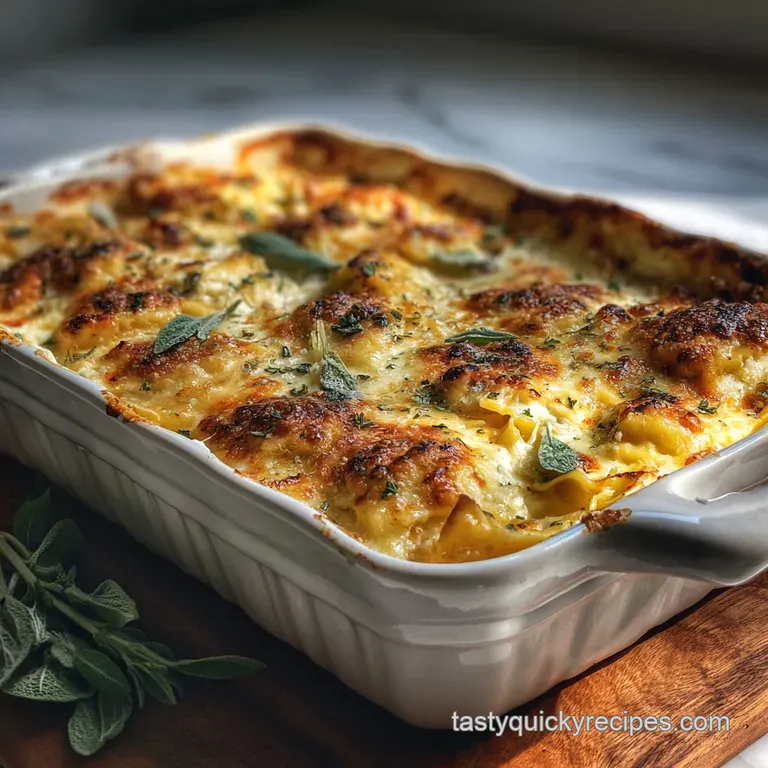
1. The Flavor Extraction
Brown 1 lb Italian Sausage in a large skillet over medium high heat. Break it into small crumbles with a wooden spoon until no pink remains and edges are slightly crisp. Note: This browning creates the fond (brown bits) that flavors the whole sauce.
2. The Sauce Integration
Stir in 2 cloves minced garlic and 0.5 tsp red pepper flakes, cooking for 1 minute until fragrant. Pour in 24 oz marinara sauce and 1 tsp dried oregano, then simmer for 5 minutes until the sauce thickens slightly.
3. The Ricotta Component
In a medium bowl, combine 15 oz ricotta, 1 large egg, 0.5 cup parmesan, and 0.25 cup chopped parsley. Whisk vigorously until the mixture is velvety and uniform. Note: The egg ensures the cheese doesn't run everywhere when you cut the bake.
4. The Foundation Layer
Spread about 1 cup of the meat sauce onto the bottom of a 9x13 inch baking dish. This prevents the ravioli from sticking and ensures the bottom layer of pasta hydrates properly.
5. Precision Layering
Arrange half of the 25 oz frozen cheese ravioli in a single layer over the sauce. It’s okay if they overlap slightly, but try to keep it even for consistent cooking.
6. The Cheese Middle
Drop dollops of the ricotta mixture over the ravioli, then gently spread it out. Sprinkle with 1 cup of the shredded mozzarella.
7. The Final Repeat
Layer the remaining ravioli on top, followed by the rest of the meat sauce. Ensure all the pasta is covered by sauce to avoid hard, dry edges.
8. The Ravioli Lasagna Bake Time and Temp
Top with the remaining 1 cup of mozzarella. Cover the dish tightly with foil and bake at 375°F for 20 minutes. Note: The foil traps steam, which is what actually "cooks" the frozen pasta.
9. The Golden Finish
Remove the foil and bake for another 10 to 15 minutes until the cheese is bubbly and golden brown. For a truly professional look, you can broil it for the last 2 minutes, watching closely to avoid burning.
10. The Essential Rest
Let the dish sit for 10 minutes before serving. This allows the internal liquids to reabsorb, making it much easier to cut into clean, beautiful squares.
Solving Common Problems
Preventing the "Soup" Effect
If your lasagna turns out watery, it's usually because the sauce was too thin or the ricotta was too wet. I once made the mistake of using a very watery, "garden style" sauce that just didn't have the body to hold up.
The fix is to simmer your sauce for an extra few minutes before layering, or ensure you're using whole milk ricotta which has less water content.
Fixing "Hard" Pasta Edges
Nothing ruins a bake like a crunchy, uncooked edge of ravioli. This happens when the pasta isn't fully submerged in the sauce. The sauce acts as the cooking liquid. If you see a corner sticking out, push it down with a spoon before it goes into the oven.
| Problem | Root Cause | Solution |
|---|---|---|
| Rubbery Cheese | Overbaking uncovered | Keep the foil on for the first 20 minutes to maintain moisture. |
| Sliding Layers | Cutting too early | Let the bake rest for at least 10 minutes to set the proteins. |
| Bland Flavor | Low quality sauce | Add a splash of balsamic vinegar or extra garlic to the sauce. |
Common Mistakes Checklist
- ✓ Never boil the ravioli beforehand; they will turn to mush in the oven.
- ✓ Don't skip the egg in the ricotta, or you'll have a white "river" in your pan.
- ✓ Ensure the foil is sealed tightly around the edges to trap steam.
- ✓ Check that the ravioli are still frozen when you start; thawed ravioli cook faster and might get soggy.
- ✓ Always use a 9x13 dish; a smaller dish will result in uneven cooking in the center.
Tasty Swaps and Variations
The "Garden" Herbivore Swap
If you want to skip the meat, you can replace the sausage with 1 lb of sautéed mushrooms and spinach. Sauté them until all the moisture has evaporated this is crucial! If you leave the mushroom liquid in the pan, your lasagna will be a puddle.
This variation still feels incredibly hearty because of the earthy umami from the mushrooms.
The Quick Ravioli Lasagna Bake (4 Ingredients)
In a real time crunch? You can make a "lazy" version by using just frozen ravioli, a jar of meat sauce, mozzarella, and parmesan. You lose the creamy ricotta layers, but it still tastes fantastic and cuts the prep time down to about 5 minutes.
| Original Ingredient | Substitute | Why It Works |
|---|---|---|
| Italian Sausage | Ground Turkey | Lower fat content. Note: Add 1 tsp fennel seeds to mimic the sausage flavor. |
| Ricotta Cheese | Cottage Cheese | Similar texture but saltier. Note: Pulse in a blender first for a smoother finish. |
| Mozzarella | Provolone | Great melting capability with a slightly sharper, smokier taste. |
If you're looking for a fresh side to balance out all this heavy cheese and meat, I highly recommend a quick Gai Lan Chinese recipe. The bitterness of the greens cuts right through the richness of the lasagna.
Storage and Keeping Fresh
Maximizing Leftovers
This Ravioli Lasagna Bake is actually one of those rare dishes that tastes even better the next day. The pasta has more time to absorb the flavors of the sauce, and the structure becomes even firmer. Store any leftovers in an airtight container in the fridge for up to 4 days.
Freezing Guidelines
You can freeze this dish either before or after baking. If freezing before, assemble everything but do not bake. Wrap it in a double layer of foil and plastic wrap; it will stay good for up to 2 months.
When you're ready to eat, bake it from frozen at 375°F, but add about 20 minutes to the covered baking time.
Reheating Techniques
To keep the pasta from drying out, reheat slices in the oven at 350°F covered with foil. If you’re using a microwave, add a tiny splash of water to the plate and cover it with a damp paper towel to create a mini steam chamber.
Side Dish Pairings
When serving this, you want something to cut through the density. A crisp Caesar salad with plenty of lemon juice is my go to. The acidity of the dressing balances the fats in the sausage and cheese perfectly.
- Garlic Bread: You need something to mop up that extra sauce. Use a baguette, plenty of butter, and fresh parsley.
- Roasted Broccolini: Toss with olive oil and lemon zest. The charred tips provide a great texture contrast to the soft ravioli.
- Arugula Salad: A simple toss of arugula, olive oil, and balsamic glaze is enough to provide a peppery bite.
Whether you're making this for a frantic Monday or a lazy Sunday, it’s a crowd pleaser that never fails. Just remember to let it rest before you dive in your patience will be rewarded with a perfect, cheesy slice every single time. Enjoy the sizzle and the smell!
Very High in Sodium
1180 mg mg of sodium per serving (51% % of daily value)
The American Heart Association recommends limiting sodium intake to about 2,300mg per day for optimal health.
Sodium Reduction Tips for Ravioli Bake
-
Lower Sodium Sausage-25%
Opt for low-sodium or no-salt added Italian sausage. Many brands offer these options, which can significantly reduce the sodium content of the dish. Look for products with less than 400mg sodium per serving.
-
Low Sodium Marinara-20%
Choose a no-salt added or low-sodium marinara sauce. You can also make your own using crushed tomatoes, herbs, and a touch of sugar for a fresh, flavorful, and sodium controlled alternative.
-
Reduce Parmesan-15%
Parmesan cheese is high in sodium. Reduce the amount used from 0.5 cup to 0.25 cup or substitute with a lower sodium hard cheese, like Swiss, in smaller quantity.
-
Low-Sodium Ricotta-10%
Look for a low-sodium ricotta cheese option. These are becoming more readily available, or consider using cottage cheese for a similar texture with lower sodium.
-
Omit Salt-5%
Taste the sauce and cheese mixture before adding any additional salt. With sausage and cheese already contributing sodium, you may find it unnecessary. This recipe does not include salt, so ensure that the replacement ingredients do not compensate for this omission.
-
Flavor with Herbs
Enhance the flavor with fresh herbs like basil, oregano, and thyme. These can add depth and complexity without increasing sodium.
Recipe FAQs
Do you cook the ravioli before making ravioli lasagna?
No, absolutely not. The entire purpose of this shortcut is to use frozen ravioli directly in the casserole. They cook submerged in the sauce while baking, absorbing moisture and flavor, which prevents the need for a separate boiling step.
Can you make ravioli lasagna entirely in the oven?
Yes, the oven is the primary cooking vessel. After briefly browning the sausage and heating the sauce on the stovetop, the assembly occurs in a baking dish which then moves to the oven to bake and set.
How long does it take to bake ravioli lasagna in the oven?
Total bake time is approximately 35 minutes. This is broken into 20 minutes covered with foil to steam the frozen pasta, followed by 10 to 15 minutes uncovered to brown the top cheese layer.
What temperature should I bake ravioli lasagna at?
Bake the initial covered portion at 375°F. This moderate temperature is hot enough to steam the frozen ravioli efficiently without burning the sauce on the bottom or top too quickly.
Do I need to thaw the frozen ravioli before layering?
No, keep them fully frozen until the moment they hit the sauce. Thawing them risks making them sticky and difficult to separate, and they may become mushy during the bake instead of setting properly.
Why does my ravioli lasagna always come out watery?
This usually happens if the ricotta layer is not bound correctly. You must mix the ricotta with a whole egg; this acts as a binder to set the cheese layer, similar to how you set a custard. If you enjoyed mastering this binding principle, see how the same fat-to-protein logic applies in our Stuffed Spaghetti Squash Recipes.
What is the purpose of covering the dish with foil for the first part of baking?
The foil creates a steam oven environment necessary for cooking frozen pasta. Without trapping the moisture, the edges of the ravioli would dry out and become hard before the center has a chance to fully thaw and soften.
Ravioli Lasagna Bake Shortcut
Ingredients:
Instructions:
Nutrition Facts:
| Calories | 658 kcal |
|---|---|
| Protein | 32.4 g |
| Fat | 34.2 g |
| Carbs | 53.5 g |
| Fiber | 3.8 g |
| Sugar | 6.2 g |
| Sodium | 1180 mg |
