Chicken Fried Rice Recipe: Tender Grains
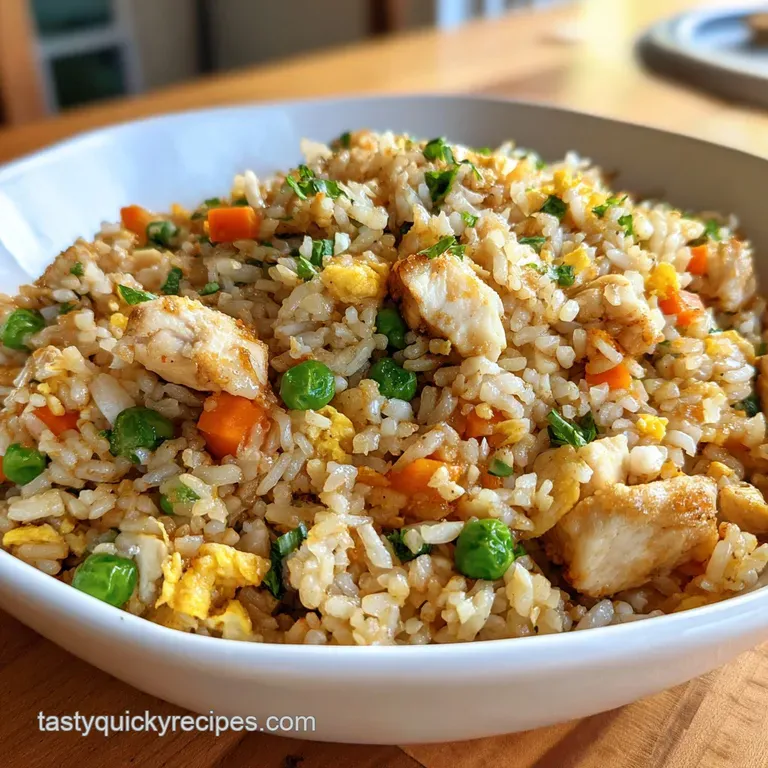
- Time: Active 10 minutes, Passive 10 minutes, Total 20 minutes
- Flavor/Texture Hook: Savory char and tender grains
- Perfect for: Busy weeknight dinners or meal prep
- Master the Simple Chicken Fried Rice Recipe
- The Physics of Grain Searing
- Essential Meal Performance and Specs
- Essential Components for Flavorful Results
- Kitchen Tools for High Heat
- Step by Step Cooking Process
- Fixes for Common Texture Problems
- Creating Your Own Flavor Variations
- Long Term Storage and Waste
- Complementary Dishes for Better Meals
- Debunking Kitchen Myths
- Recipe FAQs
- 📝 Recipe Card
Master the Simple Chicken Fried Rice Recipe
You know that specific sound? That high pitched sizzle when cold rice hits a scorching pan and starts to dance? It’s the sound of a weeknight win. I used to be the person who would throw freshly steamed, steaming hot rice into a pan and wonder why it turned into a gummy, beige pile of disappointment.
I was juggling too many things and trying to rush the process, but the kitchen eventually taught me that patience with your rice is the only way to get that authentic, separated texture we all crave.
Honestly, don’t even bother with fresh rice for this. It’s a recipe for heartbreak. The first time I actually used day old rice, I realized what I'd been missing. The way the grains shatter apart instead of sticking, the way the 45ml of soy sauce coats each piece without making it mushy, and the aroma of 3 cloves of garlic hitting the hot oil it’s transformative.
We're going to use 600g of chilled jasmine rice to make this work, and trust me, it’s going to be the most flavorful thing on your table tonight.
The secret isn't some fancy equipment; it’s about managing moisture and heat. We've all been there, staring at a pan that’s steaming instead of searing. We’re going to fix that.
This isn't just about mixing things in a pan; it's about a specific order of operations that keeps the 450g of chicken breast tender and the 3 large eggs velvety. Let’s get into how we can make this fast, flavorful, and better than the box in the fridge.
The Physics of Grain Searing
Starch Retrogradation: Chilling the rice for 12+ hours causes starch molecules to realign into a crystalline structure, making grains firm and non sticky. This structural change allows the rice to fry and develop a char rather than steaming and clumping together.
| Feature | Fresh Rice Method | Cold Rice Shortcut | Outcome Impact |
|---|---|---|---|
| Texture | Soft and gummy | Firm and distinct | Fresh rice clumps; cold rice stays separate |
| Flavor | Diluted by moisture | Concentrated umami | Cold rice absorbs sauces without collapsing |
| Prep Time | 20 minutes extra | 0 minutes (pre cooked) | Shortcut saves time and improves quality |
This comparison highlights why we don't skip the chilling phase. If you're looking for other fast poultry options to add to your rotation, this technique of over high heat searing is very similar to what I use in my pan-fried Chicken recipe.
Both rely on that initial contact with a hot surface to develop flavor quickly.
Essential Meal Performance and Specs
To ensure success, we need to hit specific numeric markers. This ensures the chicken is safe and the rice is properly "fried" rather than just warmed through.
- Internal Temp: Chicken cubes (450g) must reach 74°C (165°F) for safety and juiciness.
- Rice Weight: Exactly 600g of cooked rice provides the ideal grain to protein ratio.
- Pan Heat: The oil should be shimmering and just starting to smoke before the first ingredient hits.
Chef Tip: Freeze your chicken breast for 15 minutes before dicing. It firms up the meat, allowing you to get those sharp, even 1/2 inch cubes that cook at the exact same rate.
Essential Components for Flavorful Results
- 600g cooked Jasmine rice: Chilled for at least 12 hours.
- 15ml neutral oil: Canola or grapeseed works best for high heat.
- 450g chicken breast: Cut into 1/2 inch cubes.
- 3 large eggs: Lightly beaten for that classic ribbon texture.
- 3 cloves garlic: Minced fresh.
- 1 tsp fresh ginger: Grated fine.
- 0.5 cup white onion: Finely diced.
- 45ml low sodium soy sauce: The primary salt and color source.
- 15ml oyster sauce: For depth and a slight sweetness.
- 5ml toasted sesame oil: A finishing oil for aroma.
- 0.5 tsp white pepper: Provides a subtle, earthy heat.
- 150g frozen peas and carrots: Thawed for quick cooking.
- 3 scallions: Thinly sliced for a fresh bite.
| Component | Science Role | Pro Secret |
|---|---|---|
| Jasmine Rice | Low amylose starch | Use "old" rice; it has less surface moisture for a better sear |
| Oyster Sauce | Umami & Viscosity | It acts as a binder, helping the soy sauce cling to the grains |
| White Pepper | Floral Heat | Unlike black pepper, it dissolves into the sauce without dark specks |
Selecting the right ingredients is half the battle. If you find yourself out of oyster sauce, you can use a mix of soy sauce and a pinch of brown sugar. It won't have the same velvety thickness, but it works in a pinch when you're juggling a busy evening.
Kitchen Tools for High Heat
You don't need a professional kitchen, but a few specific items make this faster. A large carbon steel wok is the gold standard because it responds to heat changes instantly. If you don't have one, a heavy bottomed stainless steel or cast iron skillet is your best friend.
Avoid non stick pans if possible, as they don't allow for the "char" we want on the rice.
A wide, flat spatula is also essential. You want to be able to toss the 600g of rice and 450g of chicken quickly to prevent burning while ensuring every grain touches the heat. Finally,, have a couple of small bowls ready for your "mise en place." Since the actual cooking only takes 10 minutes, you won't have time to chop as you go.
step-by-step Cooking Process
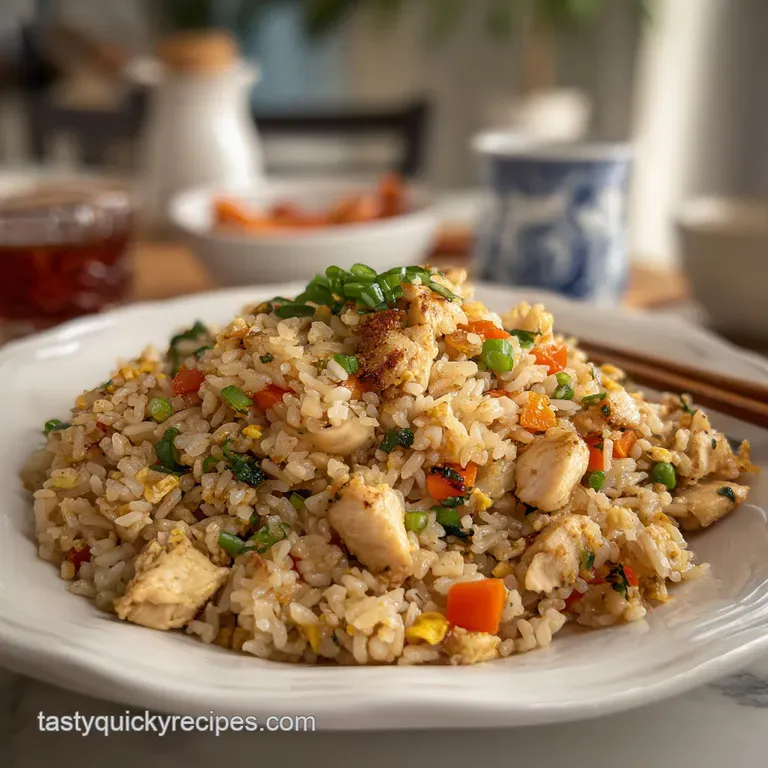
- Prep the chicken. Pat the 450g of chicken breast dry and toss with 0.5 tsp white pepper. Note: Surface moisture prevents browning.
- Heat the pan. Add 15ml neutral oil to the wok over high heat until it shimmers and smokes slightly.
- Sear the protein. Add chicken in a single layer and cook for 3 minutes until golden and opaque.
- Remove and rest. Take the chicken out of the pan. Note: This prevents it from overcooking while we fry the rice.
- Scramble the eggs. Pour 3 beaten eggs into the residual oil and stir for 30 seconds until soft, velvety ribbons form.
- Sauté aromatics. Push eggs to the side, add white onion, 3 cloves garlic, and 1 tsp ginger, cooking for 1 minute until fragrant and softened.
- Fry the rice. Add 600g chilled rice, breaking up clumps with a spatula. Cook for 2 minutes until the rice begins to pop and char.
- Season the grains. Pour in 45ml soy sauce and 15ml oyster sauce, tossing constantly until every grain is evenly lacquered.
- Add vegetables. Stir in 150g thawed peas and carrots and return the chicken to the pan.
- Final finish. Drizzle with 5ml sesame oil and top with 3 sliced scallions, tossing for 30 seconds until steaming hot.
If you're looking for a different flavor profile for a party, you might also enjoy my Buffalo Chicken Dip recipe, which uses similar chicken prepping techniques but in a much creamier context. It’s a great way to use up extra chicken breast if you bought too much.
Fixes for Common Texture Problems
Fried rice is all about the balance of moisture. If your pan isn't hot enough, the vegetables will release water, and the rice will soak it up, turning into a porridge like consistency. Always work in batches if your pan is small.
Avoiding Clumpy Rice Grains
Clumping usually happens because the rice was too fresh or the pan was overcrowded. When the rice is cold, the grains are individual soldiers. If you throw them into a lukewarm pan, they just sit there and steam. You need that initial "shock" of heat to crisp the exterior of the grain.
Fixing Bland Chicken Pieces
If the chicken tastes like nothing, it’s usually because it wasn't seasoned before hitting the pan. The white pepper is crucial here. Also, ensure you don't crowd the pan during the initial sear. If the chicken pieces are touching, they will boil in their own juices instead of developing a savory crust.
| Problem | Root Cause | Solution |
|---|---|---|
| Soggy Rice | Excess moisture or fresh rice | Use rice chilled for 12+ hours and high heat |
| Tough Chicken | Overcooking | Remove chicken once opaque; add back at the very end |
| Burned Garlic | Added too early | Add garlic after onions have softened to buffer the heat |
Common Mistakes Checklist
- ✓ Never use warm, freshly cooked rice (it will turn to mush).
- ✓ Don't skip the oyster sauce; it provides the essential "restaurant" depth.
- ✓ Ensure the peas and carrots are fully thawed and patted dry.
- ✓ Avoid using olive oil, as its smoke point is too low for this over high heat method.
- ✓ Keep the rice moving constantly once the sauces are added to prevent sticking.
Creating Your Own Flavor Variations
Fried rice is the ultimate "clean out the fridge" meal. While this chicken version is my go to, the base of 600g rice and the sauce ratio is incredibly flexible.
The Spicy Szechuan Twist
Add 15ml of chili crisp or Szechuan peppercorn oil during the aromatic stage. This adds a numbing heat that pairs beautifully with the 450g of savory chicken. You can also toss in some dried red chilies for visual flair and extra punch.
The Low Carb Swap
If you’re watching grains, you can replace half the jasmine rice with cauliflower rice. Note: Squeeze the cauliflower rice in a kitchen towel first to remove all moisture, or the dish will become watery.
Decision Shortcut: If you want a smokier flavor, use a cast iron skillet and let the rice sit undisturbed for 30 seconds to develop a crust. If you want it heartier, add diced Chinese sausage (Lap Cheong) with the chicken.
If you want it lighter, swap the chicken breast for shrimp and add extra ginger.
Long Term Storage and Waste
Fried rice actually keeps remarkably well, which makes it a meal prep superstar. Store any leftovers in an airtight container in the fridge for up to 4 days. When reheating, add a teaspoon of water or a splash of soy sauce to the bowl before microwaving to help re hydrate the grains without making them greasy.
For zero waste, save your scallion whites! I usually dice the white parts of the 3 scallions and sauté them with the onions, then use the green tops for the garnish. Also, if you have broccoli stems or cabbage scraps, dice them small and toss them in with the peas and carrots.
They add a great crunch and save them from the bin.
Complementary Dishes for Better Meals
This Chicken Fried Rice Recipe is a complete meal on its own, but if I’m feeling fancy or feeding a crowd, I’ll pair it with something crispy. A side of smashed cucumber salad with plenty of vinegar cuts through the richness of the sesame oil and oyster sauce.
If you're looking for another protein heavy dish to serve alongside this for a big family dinner, consider my Hot Honey Chicken Recipe. The sweetness of the honey balances the saltiness of the fried rice perfectly. It’s all about creating that balance on the table so everyone leaves happy.
Debunking Kitchen Myths
One of the biggest myths is that you must have a wok to make good fried rice. While a wok is great for "wok hei" (the breath of the wok), a large, flat skillet actually provides more surface area for the rice to touch the heat. This can lead to even better browning if you aren't a master of the wok toss.
Another myth is that soy sauce is the only seasoning you need. If you only use soy sauce, the rice ends up tasting "flat." The addition of 15ml of oyster sauce and 5ml of toasted sesame oil provides the multi dimensional flavor that people often mistake for MSG in restaurants.
It’s the combination of fermented, savory, and nutty notes that creates the craving.
Recipe FAQs
What is the secret to a good fried rice?
Using cold, day-old rice. Freshly steamed rice releases too much moisture, steaming the grains instead of frying them. Chilled rice grains separate cleanly, allowing them to sear and develop flavor.
What ingredients go in chicken fried rice?
You need 600g chilled jasmine rice, 450g diced chicken, 3 eggs, soy sauce, oyster sauce, and aromatics like garlic and ginger. The oyster sauce is crucial for depth, providing the viscosity needed for the sauce to cling properly to the grains.
What gives Chinese fried rice its flavor?
A balance of umami, salt, and toasted aroma. This comes primarily from the combination of low sodium soy sauce and oyster sauce, plus finishing with a drizzle of toasted sesame oil at the very end.
What are common mistakes when making fried rice?
Overcrowding the pan and using rice that is too warm. If the pan is too full, the temperature drops rapidly, causing everything to steam. If you enjoyed mastering the high heat sear in this recipe, see how the same principle works to prevent moisture buildup in our Lettuce Wrap Recipe in 20 Minutes.
How to prevent the chicken from becoming tough in fried rice?
Sear the chicken separately and remove it before frying the rice. Cook the 450g of chicken until just opaque, remove it from the wok, and only return it during the final minute of cooking to reheat.
Is it true I must use a carbon steel wok for authentic results?
No, this is a common misconception. While a wok is ideal, a heavy bottomed cast iron skillet works very well because it retains the necessary high heat to properly sear the cold rice grains.
How to substitute ingredients if I don't have oyster sauce?
Combine soy sauce with a pinch of brown sugar or honey. This mimics the salty sweet richness, though it won't provide the exact viscous mouthfeel. If you're looking for other ways to use chicken in savory dishes, try the Country Fried Steak recipe technique for a different kind of crispy protein.
Quick Chicken Fried Rice
Ingredients:
Instructions:
Nutrition Facts:
| Calories | 556 calories |
|---|---|
| Protein | 44.8g |
| Fat | 16.3g |
| Carbs | 52.1g |
| Fiber | 2.1g |
| Sugar | 2.8g |
| Sodium | 780mg |
