Potato Soup: Silky & Buttery
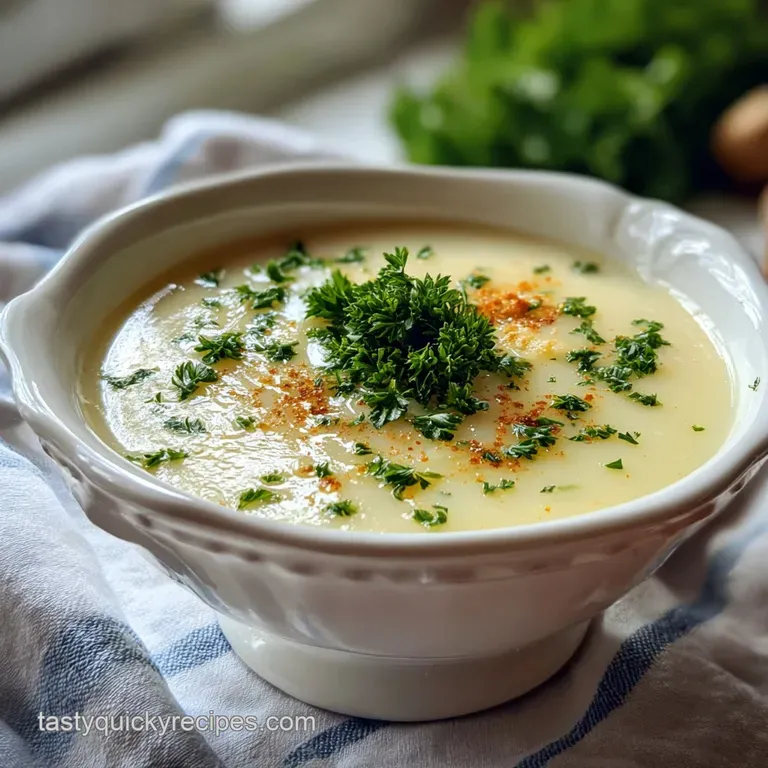
- Time: Active 15 minutes, Passive 25 minutes, Total 40 minutes
- Flavor/Texture Hook: Silky, buttery base with a subtle leek induced sweetness
- Perfect for: High energy lunch prep or a comforting midday recharge
- Creating a Hearty and Fueling Potato Soup
- Understanding Starch and Heat Science
- Essential Potato Soup Recipe Specifications
- Selecting Ingredients for Sustained Energy
- Essential Tools for Silkier Textures
- Executing the Perfect Midday Simmer
- Resolving Common Texture Preparation Issues
- Hearty Flavor Variations for Busy Weeks
- Proper Storage and Waste Reduction
- Satisfying Pairings for More Energy
- High in Sodium
- Potato Soup FAQs
- 📝 Recipe Card
Creating a Hearty and Fueling Potato Soup
Is there anything more frustrating than hitting that 2:00 PM wall? I used to grab a heavy, store-bought soup only to find myself sluggish an hour later. That’s why I obsessed over this version. It's designed to be a satisfying midday anchor that keeps you fueled without the heavy, greasy aftermath.
We aren't just boiling tubers here; we're building a structural masterpiece of starch and aromatics that feels like a hug in a bowl.
I remember the first time I tried making this. I used whatever old potatoes were in the back of the pantry and ended up with something that had the texture of wallpaper paste. I almost gave up on homemade soup entirely.
But after some trial and error, I learned that the secret isn't just in the ingredients, but in the specific way we handle them to control how those starches behave.
You'll find that this approach is remarkably practical. We’re using ingredients that actually serve a purpose for your energy levels like Greek yogurt for a protein boost and leeks for a gentler, more sophisticated flavor than harsh white onions.
Right then, let’s get into the details so you can have a bowl of this steaming, silky goodness on your table.
Understanding Starch and Heat Science
The success of this dish relies on a few key chemical transitions that happen inside your pot. We aren't just heating food; we're managing molecules to ensure the result is velvety rather than gummy. It's a fascinating process that makes the difference between a mediocre lunch and a truly satisfying experience.
- Starch Gelatinization: As Russet potatoes simmer, their starch granules swell and burst, releasing amylose which thickens the broth naturally.
- Amylopectin Stability: Yukon Gold potatoes contain more amylopectin, which helps them hold their shape and provides a buttery, waxy mouthfeel.
- Aromatic Sweating: Sautéing leeks at a low temperature breaks down cellulose without browning, releasing organosulfur compounds for a mellow sweetness.
- Emulsification: Whisking in Greek yogurt at the end creates a stable fat in-water emulsion that adds creaminess without the weight of heavy cream.
If you find yourself craving more liquid gold after trying this, you might also enjoy the balance of flavors in this Soup Recipe with chicken and vegetables. Both recipes focus on building layers of flavor through careful simmering rather than relying on artificial thickeners.
Method Comparison for Midday Cooking
| Method | Time | Texture | Best For |
|---|---|---|---|
| Stovetop | 25 minutes | Control over thickness | Quick midday execution |
| Slow Cooker | 4 hours | Fully broken down/soft | "Set it and forget it" prep |
| Pressure Cooker | 8 minutes | Ultra infused flavor | Maximum time saving |
Choosing the right method depends entirely on your schedule, but the stovetop version remains my favorite for the precision it offers. You can see exactly when the potatoes reach that "shatter" point where they are soft enough to blend but haven't lost their soul.
Essential Potato Soup Recipe Specifications
Before we start chopping, it’s helpful to know exactly what we’re aiming for. This recipe is built for efficiency and high nutritional yield. I’ve refined these numbers over dozens of batches to ensure you get a consistent result every time you step into the kitchen.
- Yield: 6 servings (approx. 350ml per serving)
- Active Time: 15 minutes of prep and sautéing
- Simmer Time: 25 minutes until potatoes are fork tender
- Total Energy: 234 kcal per serving
Precision Checkpoints
- Sauté Time: 5 to 7 minutes for leeks to become translucent never brown them.
- Dice Size: 2cm cubes for potatoes ensure they cook evenly within the 25 minute window.
- Internal Temperature: The soup should reach 90°C (195°F) before you consider the potatoes done.
[!Chef] Chef's Tip: If you have a few extra minutes, freeze your Greek yogurt for 10 minutes before adding it. This slight chill prevents it from "shocking" and curdling when it hits the hot liquid.
Selecting Ingredients for Sustained Energy
Every element in this pot is chosen to contribute to a meal that leaves you feeling energized. We avoid the "slump" by balancing complex carbohydrates with healthy fats and aromatics. Using two types of potatoes isn't just a suggestion; it's the core of the texture strategy.
- 1 tbsp Extra virgin olive oil: The clean fat base for our aromatics.
- 2 medium Leeks: We only use the white and light green parts; they provide a silky sweetness.
- 2 stalks Celery: Adds a necessary salty, mineral depth to the base.
- 3 cloves Garlic: Minced fresh for that punchy, medicinal hit.
- 1 tsp Fresh thyme leaves: Earthy notes that ground the sweetness of the leeks.
- 1.5 lbs Russet potatoes: These are our thickeners. Why this? High starch content creates a natural, flour free creamy base.
- 1 lb Yukon Gold potatoes: These provide the "bite." Why this? They stay intact and offer a rich, buttery flavor.
- 5 cups Low sodium chicken broth: Use the best quality you can find for maximum depth.
- 1 cup 2% Milk: Provides a light creaminess without the heaviness of cream.
- 1 tsp Sea salt: Essential for drawing out the moisture from the leeks.
- 0.5 tsp Cracked black pepper: Adds a subtle heat that wakes up the palate.
- 0.5 cup Plain Greek yogurt: Our secret weapon for protein and tang.
- 0.25 cup Fresh chives: For a bright, sharp finish.
Component Analysis Table
| Ingredient | Science Role | Pro Secret |
|---|---|---|
| Russet Potatoes | Starch thickening | Peel them deeply to remove all bitter skin |
| Leeks | Aromatic foundation | Clean in a bowl of water to sink the grit |
| Greek Yogurt | Protein emulsifier | Whisk with a splash of warm broth before adding |
Adding the yogurt at the very end is crucial. If you boil it, the proteins will denature and clump, ruining that velvety finish we’re working so hard to achieve. It’s a small detail that makes a massive difference in the final mouthfeel.
Essential Tools for Silkier Textures
While you don't need a professional kitchen, a few specific tools will make your life much easier. I’ve made this soup with a fork and a prayer before, and trust me, the right equipment is worth the cupboard space.
- Large Heavy Bottomed Pot: A Dutch oven (like a Le Creuset or Lodge) is ideal for even heat distribution.
- Immersion Blender: This allows you to blend right in the pot. If you use a stand blender, be extremely careful with the steam pressure!
- Sharp Chef's Knife: Essential for cleaning and slicing leeks into thin, even rounds.
- Potato Peeler: A Y peeler makes quick work of the 2.5 lbs of potatoes.
If you’re looking for a side dish that requires similar equipment, you might try a Twice Baked Potato Casserole recipe on the weekend. It uses the same starchy principles but focuses on a crispy, oven baked finish.
Executing the Perfect Midday Simmer

This process is all about the "sweat." We want to draw out the flavors gently. Don't rush the first few steps that’s where the soul of the soup is built.
- Clean the leeks. Slice the leeks and submerge them in a bowl of cold water. Swish them around to let the sand fall to the bottom, then lift them out. Note: Leeks are grown in sandy soil and grit will ruin your soup.
- Sauté the base. Heat 1 tbsp olive oil in your pot. Add the leeks and 2 stalks of celery. Sizzle gently for 7 minutes until they are translucent and soft.
- Add aromatics. Stir in 3 cloves of minced garlic and 1 tsp thyme. Cook for 1 minute until the kitchen smells like a garden.
- Prepare the potatoes. Add 1.5 lbs of cubed Russets and 1 lb of cubed Yukon Golds to the pot. Stir to coat them in the aromatic oil.
- Simmer the soup. Pour in 5 cups of chicken broth. Bring to a boil, then reduce heat. Simmer for 25 minutes until a knife slides through the potatoes like butter.
- Texture check. Remove about 2 cups of the potato chunks (mostly the Yukon Golds) and set them aside. This ensures you have some "hearty" bites left.
- Blend the base. Use your immersion blender to process the remaining soup until it looks like a silky, pale cloud.
- Reincorporate. Stir the reserved potato chunks back into the pot.
- Creamy finish. Stir in 1 cup of 2% milk and 1 tsp sea salt and 0.5 tsp pepper.
- Final touch. Turn off the heat. Whisk in 0.5 cup Greek yogurt and top with 0.25 cup fresh chives.
If you want X, do Y
- If you want a thicker soup, blend all the potatoes instead of reserving some chunks.
- If you want a lighter version, replace the milk with extra chicken broth and increase the yogurt.
- If you want a rustic feel, use a potato masher instead of a blender for a chunky texture.
Resolving Common Texture Preparation Issues
Sometimes things go sideways. Maybe your potatoes were older than you thought, or the heat was a bit too high. Don't panic; most potato soup "disasters" are actually very easy to fix if you understand why they happened.
Fixing Gummy Texture
If your soup feels like glue, you’ve likely over worked the starch. This usually happens when using a high speed blender for too long. The mechanical shear breaks the starch molecules into a sticky mesh. To fix this, fold in a little more warm broth or milk do not blend further!
Balancing Over Saltiness
Potatoes are like sponges for salt, but sometimes we overdo it. If the broth tastes like the ocean, add another half pound of peeled, cubed potatoes and simmer until they are soft. They will pull the excess sodium into their cell structure, balancing the liquid.
Troubleshooting Quick Fixes
| Problem | Root Cause | Solution |
|---|---|---|
| Soup is too thin | Not enough Russets used | Mash some of the remaining chunks against the side of the pot |
| Curdled appearance | Yogurt added to boiling liquid | Remove from heat and whisk vigorously to re emulsify |
| Bitter aftertaste | Leek greens or potato eyes | Add a tiny pinch of sugar or a splash of lemon juice |
Common Mistakes Checklist
- ✓ Pat leeks dry after washing to ensure they sauté rather than steam.
- ✓ Don't skip the celery; it provides the "umami" backbone that makes the soup feel complete.
- ✓ Check your thyme; if using dried instead of fresh, use only 1/3 tsp as it’s more concentrated.
- ✓ Avoid the "green" parts of the leek; they are fibrous and don't soften well in a 25 minute simmer.
- ✓ Let the soup cool slightly before adding the Greek yogurt to prevent separation.
Hearty Flavor Variations for Busy Weeks
Once you have the base technique down, you can adapt this recipe to whatever is in your pantry. I love the classic version, but sometimes the midday mood calls for something with a bit more punch or a different nutritional profile.
Adapting for the Slow Cooker
To make this in a slow cooker, add all ingredients except the milk, yogurt, and chives into the basin. Cook on low for 6 hours or high for 3 hours. Blend and finish with the dairy as usual at the end.
The potatoes get even softer this way, leading to an incredibly "melt in-your mouth" experience.
Making it a Vegetarian Potato Soup
Simply swap the chicken broth for a high-quality vegetable stock. I recommend a mushroom based or leek based stock to maintain the depth of flavor. You can also add a teaspoon of nutritional yeast for a "cheesy" flavor without the actual cheese.
| Original Ingredient | Substitute | Why It Works |
|---|---|---|
| Chicken Broth | Vegetable Stock | Maintains liquid volume. Note: May need an extra pinch of salt. |
| 2% Milk | Unsweetened Soy Milk | Similar protein profile. Note: Avoid almond milk as it is too thin. |
| Leeks | Shallots | Provides a similar delicate sweetness. Use about 4-5 large shallots. |
Proper Storage and Waste Reduction
This soup actually tastes better the next day because the flavors have time to marry. However, starch based soups can thicken significantly in the fridge, so you’ll need to know how to handle the leftovers properly.
Storage Guidelines:Fridge: Keep in an airtight container for up to 4 days. When reheating, you will likely need to add a splash of water or broth to loosen the texture. Freezer: You can freeze this for up to 2 months.
Note: The texture of the potato chunks may become slightly grainy upon thawing. For best results, freeze the blended base and add the yogurt fresh after reheating.
Zero Waste Tips: Don't throw away those dark green leek tops! While they are too tough for the soup, they are incredible for making homemade stock. Toss them into a freezer bag with your celery scraps and onion skins.
Also, if you have leftover potato peels, toss them with a little olive oil and salt and bake at 200°C for 10 minutes for a crispy "chef’s snack" while the soup simmers.
Satisfying Pairings for More Energy
To turn this into a full "power lunch," I like to pair it with something that offers a bit of crunch. The contrast between the velvety soup and a crispy side makes the meal feel much more substantial.
A simple massaged kale salad with lemon vinaigrette provides a bright acidity that cuts through the richness of the potatoes. Alternatively, a slice of toasted sourdough rubbed with a raw garlic clove is the ultimate vessel for dipping.
If you're looking for something more formal, this pairs beautifully with a light grain salad or even a small portion of roasted chicken.
Remember, the goal is to leave the table feeling fueled, not weighed down. By focusing on the quality of the starch and the freshness of the aromatics, you've created a meal that serves your body as much as your taste buds. Enjoy that energized afternoon!
Myths About Potato Prep
- Soaking potatoes in water is always necessary. While it removes surface starch for fries, for soup, we actually want that starch to stay! It's our natural thickener.
- You must use heavy cream for a creamy soup. Totally false. The starch from the Russets combined with the Greek yogurt provides all the luxurious mouthfeel you need.
- Potato soup is "empty" calories. When you include the skins (or use the nutrient rich water) and add Greek yogurt, you're getting fiber, potassium, and protein. It's a very balanced midday fuel source.

High in Sodium
812 mg mg of sodium per serving (35% % of daily value)
The American Heart Association recommends limiting sodium intake to about 2,300mg per day.
Tips to Reduce Sodium in Your Potato Soup
-
Broth Swap-30%
Replace the 5 cups of low-sodium chicken broth with unsalted or homemade chicken broth. This will significantly reduce the sodium content.
-
Salt Reduction-25%
Reduce the amount of sea salt added. Start by using only 1/2 tsp or even omitting it entirely, and adjust to taste. Remember you can always add more, but you can't take it away!
-
Milk Choice-10%
Consider using unsalted milk alternatives such as almond or cashew milk to replace 2% milk. Check label for nutrition facts and added sodium.
-
Spice It Up!
Enhance the flavor with more fresh herbs and spices like thyme, garlic, and black pepper. These can boost the taste without adding sodium.
-
Yogurt Selection-5%
Ensure the plain Greek yogurt you are using is unsalted/no salt added. Check the label to verify the sodium content, as some brands may add salt.
Potato Soup FAQs
What ingredients go in potato soup?
A classic potato soup typically includes potatoes, broth, onion or leeks, garlic, and a dairy component like milk or cream. You'll also need salt, pepper, and often herbs like thyme. Some recipes add ingredients like celery for depth, or Greek yogurt for a creamy, protein rich finish.
What are common mistakes making potato soup?
Over blending the soup can lead to a gummy texture. Another mistake is not properly cleaning leeks, which leaves grit. Also, adding dairy to boiling liquid can cause it to curdle, so it's best to add it at the end off the heat.
Can I cook potatoes in broth?
Yes, cooking potatoes in broth is ideal for potato soup. It infuses the potatoes with flavor as they cook, creating a richer base for your soup. This method is far superior to simmering them in plain water.
Which potato makes the best soup?
A blend of starchy and waxy potatoes works best for optimal texture and flavor. Russet potatoes (starchy) break down beautifully to thicken the soup naturally, while Yukon Golds (waxy) hold their shape and add a buttery richness. If you enjoyed mastering texture control here, see how similar principles of starch behavior apply in our Egg Casserole with Hashbrowns: Crispy Crust Bake.
How do I make potato soup creamy without heavy cream?
Use starchy potatoes like Russets to thicken the soup and incorporate a dairy like Greek yogurt or milk at the end. The natural starches released from the Russets create a velvety base. Adding Greek yogurt off the heat provides creaminess and a slight tang without curdling.
What are the best potatoes for potato soup?
For the best potato soup, use a combination of Russet and Yukon Gold potatoes. Russets offer high starch content for natural thickening, while Yukon Golds provide a creamy, buttery texture and hold their shape well. This dual approach ensures a luxurious mouthfeel without relying solely on cream.
Can I freeze leftover potato soup?
Yes, potato soup can be frozen, but the texture may change slightly. The potatoes can become a bit grainy after thawing. It's often best to freeze the blended base separately from any added dairy like milk or yogurt, incorporating those fresh after reheating for optimal creaminess. If you're looking for make-ahead meals, consider recipes like Egg Casserole Recipes: Velvety Custard, No Soggy Bottom.
Potato Soup

Ingredients:
Instructions:
Nutrition Facts:
| Calories | 234 kcal |
|---|---|
| Protein | 9.2 g |
| Fat | 3.2 g |
| Carbs | 43 g |
| Fiber | 4.1 g |
| Sugar | 3.8 g |
| Sodium | 812 mg |
