Pork Sirloin Shabu Shabu: Refreshing Japanese Hot Pot
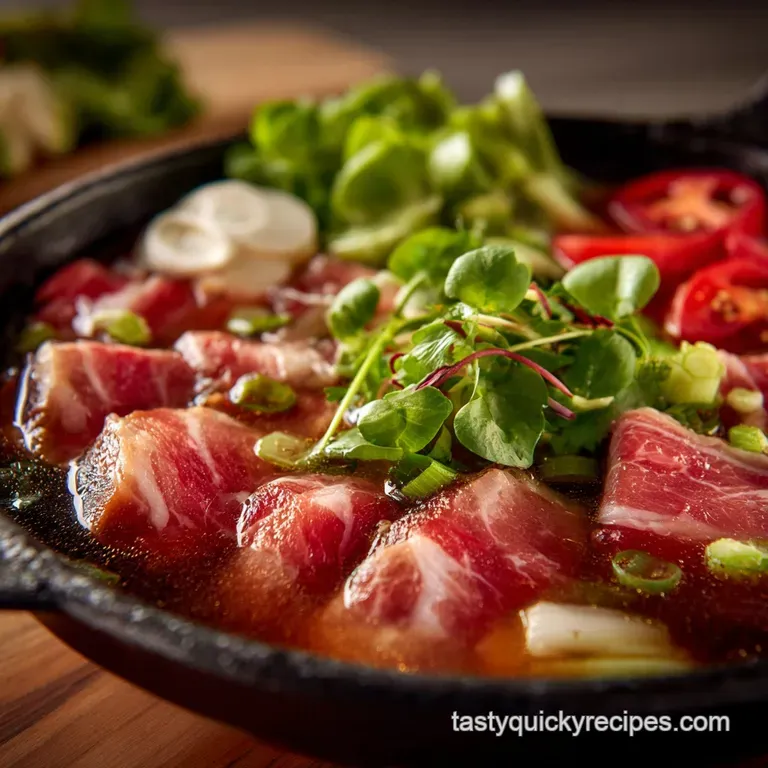
- Thinly Sliced Pork Sirloin Shabu-Shabu: A Refreshing Japanese Hot Pot
- The Anatomy of Flavor: How This Pork Sirloin Shabu Shabu Excels
- Core Components: Ingredients for the Perfect Pork Sirloin Shabu Shabu Experience
- The Communal Ritual: Step-by-Step Guide to Cooking Shabu-Shabu
- Mastering the Hot Pot: Chef's Tips and Avoiding Common Errors
- Practical Guide to Leftovers: Storage and Handling
- Enhancing the Meal: Ideal Pairings for Your Shabu-Shabu Spread
- Recipe FAQs
- 📝 Recipe Card
Thinly Sliced Pork Sirloin Shabu Shabu: A Refreshing Japanese Hot Pot
That faint, steamy aroma hitting your nose? That’s the smell of pure, comforting umami, the fragrance of delicate dashi, and the anticipation of perfect, paper thin pork. This dish, Japanese Shabu Shabu, is honestly my favorite kind of home cooking minimal prep stress, maximum reward.
When done right, this Pork Sirloin Shabu Shabu offers a clean, vibrant taste that you just cannot get from heavy, long cooked stews.
Listen, I know hot pots sound intimidating, like something requiring specialized skills, but I promise you this is weeknight easy. It’s a lifesaver when you need a light meal that feels celebratory and is highly interactive.
Plus, cooking everything tableside means I don't have to stress about timing dishes perfectly while everyone waits, which is a huge win in my book.
Forget those dense, creamy dishes that make you want to nap immediately afterward. We are going for bright, light, and fresh, focusing entirely on lean pork sirloin. Let’s crack on and master the art of the "swish swish" with the best Pork Sirloin Shabu Shabu you’ll ever make at home.
The Anatomy of Flavor: How This Pork Sirloin Shabu Shabu Excels
This recipe isn't just about dipping meat in water; it’s about a chemical and textural symphony. The reason this particular Pork Sirloin Shabu Shabu excels is simple: minimal intervention for maximum flavor extraction.
We are building a complex flavor profile using only three components: the dashi, the quick cooked pork, and the dual dipping sauces.
What "Shabu Shabu" Actually Means (The defining action)
The name Shabu Shabu is derived from the onomatopoeic sound the thin slices of meat make when they are swished back and forth in the boiling broth. Swish swish, get it?
This technique is critical because the incredibly brief cooking time ensures the pork stays succulent and tender, completely changing the texture compared to pan-fried pork. Trust me, timing is everything.
Why Lean Pork Sirloin is the Ideal Choice
When preparing Shabu Shabu, you need a cut that cooks instantly but doesn't instantly dry out. Pork sirloin hits that sweet spot perfectly. It is lean enough to cook quickly, but still has enough inherent flavor to stand up to the sharp Ponzu sauce. While many people automatically jump to beef for Shabu Shabu, using pork sirloin offers a delicate sweetness that pairs beautifully with the simple dashi. If you usually reserve sirloin for a quick sear, try it this way; the textural difference is stunning. For those who enjoy deeper, richer pork flavors in other dishes, you might enjoy my recipe for Pork Butt Rub: The Butchers Secret Smoky Carolina Recipe , but for this delicate preparation, lean sirloin is non-negotiable.
Essential Equipment for Your Hot Pot Setup
You absolutely need a dedicated heat source on the table. A portable induction plate or a small butane burner is mandatory. You can’t make authentic Pork Sirloin Shabu Shabu in the kitchen and then carry it to the table; it cools too fast.
I use a simple Japanese donabe (earthenware pot) because it holds heat beautifully, but any wide, deep pot will work fine on your burner. Don’t forget the mini mesh strainers; they are essential tools for scooping out your submerged veggies and cooked pork!
The Magic of Dashi: Building the Umami Base
Dashi is the soul of this dish. It is deceptively simple usually just water and kombu (dried kelp). However, proper temperature management is paramount. If you boil the kombu, you release bitterness, and your delicate dashi is ruined.
The perfect dashi for Pork Sirloin Shabu Shabu should taste clean, mineral rich, and slightly sea-salty, ready to absorb the flavors of the cooking pork.
Achieving the Perfect, Tender Pork Texture
The secret to melt-in-your mouth pork sirloin is two-fold. First, it must be sliced paper thin , ideally 1 2mm thick. This is why buying it pre-sliced is often the easiest route. Second, do not cook more than two or three slices at a time, keeping the broth temperature high.
Overloading the pot drops the temperature instantly, and you end up steaming the meat instead of rapidly poaching it.
Balancing Acidity and Richness with Dual Sauces (Ponzu and Goma Dare)
The pork needs contrast. We utilize two classic Japanese sauces for this Pork Sirloin Shabu Shabu . Ponzu, which is sharp, citrusy, and soy-based, provides a necessary cut through the richness of the pork. Goma Dare, the creamy sesame sauce, offers deep, nutty comfort.
I highly recommend making both, as switching between them keeps every single bite interesting.
Core Components: Ingredients for the Perfect Pork Sirloin Shabu Shabu Experience
We are keeping the ingredients fresh and focused. Everything should be bite sized and beautiful because presentation elevates the whole ritual of Pork Sirloin Shabu Shabu .
Sourcing and Preparing the Wafer Thin Pork
If you can find pork sirloin specifically labeled for Shabu Shabu or Hot Pot, grab it. If not, ask your butcher to slice 1.5 lbs of sirloin or loin for you, cut cross grain, as thin as possible. My favorite trick if I have to slice it myself is to partially freeze the sirloin first.
That 45 minutes in the freezer firms up the meat and makes uniform slicing infinitely easier.
The Essential Hot Pot Vegetables and Noodles
While you can add almost any vegetable, the traditional components are crucial for flavor and texture balance. Napa cabbage softens beautifully, adding a subtle sweetness to the dashi. Carrots and tofu provide substance and absorb the emerging pork flavors perfectly. Don’t forget your noodles!
Udon or glass noodles tossed in the final, enriched broth is a traditional way to wrap up the meal.
Deep Dive into Dipping Sauces: Making Ponzu and Goma Dare
Making your own Goma Dare is totally worth the effort, but you can certainly buy high-quality pre-made Ponzu. For the Goma Dare, the key is using proper Japanese toasted sesame paste; tahini is okay in a pinch, but the flavor profile is different, often heavier.
When mixing the Goma Dare, add water slowly until it easily coats the back of a spoon it shouldn't be runny.
Quick Ingredient Swaps for Broth and Vegetable Components
I understand life happens and you might not have that one specific ingredient. Here are my go-to swaps when making Pork Sirloin Shabu Shabu :
| If you don't have... | Use... | Notes |
|---|---|---|
| Pork Sirloin | Thinly sliced chicken breast | Slice against the grain, same quick cook time. |
| Kombu | Dried Shiitake mushrooms (for dashi) | Soak them first; provides deep umami, but different aroma. |
| Napa Cabbage | Bok Choy or Watercress | Maintain that tender crisp texture. |
| Toasted Sesame Paste | Creamy Peanut Butter (use sparingly) | Much heavier, so thin it out a lot with water and vinegar. |
The Communal Ritual: step-by-step Guide to Cooking Shabu Shabu
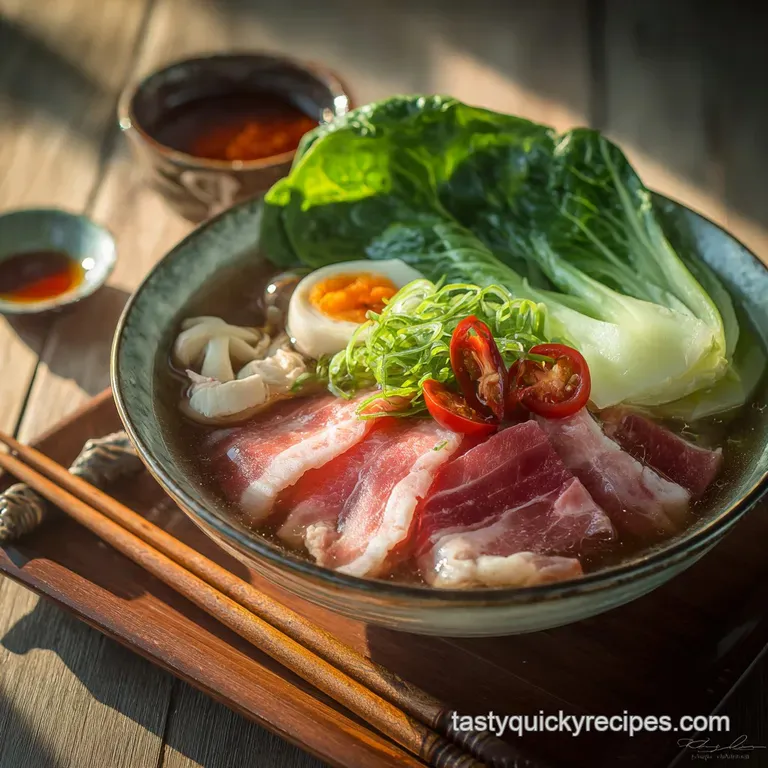
The best part of Pork Sirloin Shabu Shabu is the setup. It’s visual, aromatic, and totally social.
Preparing the Hot Pot Broth (Dashi Activation)
Start with cold, filtered water and the kombu. Let it sit for at least 30 minutes before heating; this helps draw out the glutamates (that lovely umami). Place the pot on the heat and watch it closely.
As soon as tiny bubbles start forming on the bottom of the pot, remove the kombu immediately . Remove it! If it boils, you've failed the first step. Maintain a gentle simmer throughout the meal.
Setting Up the Dipping Station and Ingredient Platter
Presentation really counts here. Arrange your sliced pork sirloin beautifully on a large platter; it should look like art. Do the same with your vibrant vegetables. Give every diner their own small plate, chopsticks, a mesh strainer, and two dipping bowls one for the Ponzu (garnished with daikon and scallions) and one for the creamy Goma Dare.
The "Swish Swish" Technique: Properly Cooking the Pork
This is the main event. Add the firm vegetables (carrots, tofu, cabbage) to the pot first to deepen the broth's flavor profile. Wait until the broth is bubbling, but not aggressively boiling.
Pick up a single slice of the Pork Sirloin Shabu Shabu , immerse it completely, and swish it gently for about 15 30 seconds. The moment it turns white, it is done. Dip and enjoy instantly.
Chef’s Note: Do not cook your pork slice and then wait to eat it. It continues to cook on your plate. Eat it straight from the broth into the sauce and into your mouth. Instant gratification is key here!
Post Meal Pleasure: Utilizing the Enriched Broth (Shime)
Once all the pork and vegetables are gone, you are left with the most incredibly flavorful soup base imaginable the shime (finisher) phase. This dashi is now infused with the sweetness of the pork sirloin and the earthiness of the vegetables.
Add the pre-cooked noodles, or try the traditional route: stir in cooked rice and an egg to create a hearty, restorative rice porridge (Zōsui). This is the warm, satisfying hug that finishes the communal Pork Sirloin Shabu Shabu meal perfectly.
Mastering the Hot Pot: Chef's Tips and Avoiding Common Errors
I’ve made every mistake in the book, so you don't have to. Pay attention to these three things when making Pork Sirloin Shabu Shabu .
The Critical Importance of Thin Slicing
This isn't negotiable. If your pork sirloin slices are too thick (more than 3mm), they will take too long to cook, and they will be tough and chewy. If you can’t get them paper thin, you might as well use a different cooking method. Always slice or buy your pork sirloin specifically for Shabu Shabu.
Preventing Overcooking the Pork Sirloin
The single most common mistake with this dish is overcooking the star protein. People get distracted, leave the pork in for a minute, and wonder why it tastes dry. Remember the time limit: 15 to 30 seconds, maximum. You are quickly cooking a piece of meat thinner than a penny.
Get it out immediately! This guarantees tender, flavorful Pork Sirloin Shabu Shabu every time.
Temperature Management: Keeping the Hot Pot Consistent
You need a strong, steady simmer. If the broth drops too low, the cooking time increases, and the meat texture suffers. Keep that portable burner set high enough to maintain a gentle, continuous bubble. This is vital for safety, efficiency, and delicious Pork Sirloin Shabu Shabu .
Practical Guide to Leftovers: Storage and Handling
But does it freeze well? The pork does not freeze well once cooked, but the components are easy to manage.
Safely Storing Cooked Pork and Vegetables
If you have cooked pieces of pork sirloin leftover, store them in an airtight container in the fridge for up to 3 days. They are best used in a quick stir fry or added to a ramen bowl, rather than attempting to reheat them alone.
The raw, uneaten pork should be treated like any fresh meat and stored for 2 3 days max, or frozen tightly wrapped for up to 3 months.
Refrigerating and Reusing the Dashi Broth Base
The broth, having absorbed all the flavor, is liquid gold. Let the dashi cool completely, then strain it through a fine mesh sieve to remove any residual sediment. Store the enriched broth in an airtight container in the refrigerator for up to 4 days.
It makes a fantastic base for Miso soup or a simple noodle soup the next day. Sometimes I even purposefully make a bit too much dashi just for the leftovers!
Enhancing the Meal: Ideal Pairings for Your Shabu Shabu Spread
We are building a whole experience here. Don't stop at the hot pot itself.
Traditional Japanese Appetizers to Start
While everyone is gathering, serve some light appetizers (like edamame or a simple cucumber salad with sesame dressing) that contrast the heat of the main event. I usually skip heavy, fried items, keeping the palate fresh and ready for the delicate Pork Sirloin Shabu Shabu .
You want your sides to enhance the main course, not overpower it. This whole experience is meant to be light, refreshing, and interactive, built around the glorious simplicity of the perfectly cooked pork sirloin.

Recipe FAQs
Why is it crucial that the pork sirloin is sliced wafer thin?
Thin slicing is fundamental to the "swish swish" method, allowing the meat to cook instantly (10 15 seconds) in the boiling broth. This rapid cooking prevents toughness and ensures the pork remains incredibly tender, maximizing flavor absorption from the dipping sauces.
Can I substitute the pork sirloin with another type of meat?
Absolutely. Shabu Shabu is traditionally made with high-quality beef (like ribeye or sirloin), but you can successfully use lamb, chicken breast, or firm white fish as alternatives. Regardless of the meat choice, ensure it is purchased pre-sliced or sliced slightly frozen for optimal, paper thin uniformity.
My dashi broth tastes bland. How do I deepen the flavor?
Ensure you are using high-quality kombu (dried kelp) and bonito flakes, being careful not to over boil the initial stock, which can create a bitter taste. If the flavor foundation is still lacking, a small splash of sake, a teaspoon of Mirin, or light soy sauce added before serving can build a richer depth of umami.
Do I need a portable burner or special equipment to serve Shabu Shabu?
While a portable induction burner or butane stove placed on the dining table greatly enhances the traditional, communal experience, it is not strictly mandatory. You can keep the broth simmering on your kitchen stovetop and transfer it in batches, but the instant cooking element is truly best achieved tableside.
How can I adapt this recipe for vegetarians or vegans?
The transition is simple: omit the meat entirely and swap the dashi base for a pure mushroom and kombu stock to maintain depth. Use hearty ingredients for the "swishing," such as firm tofu, shiitake mushrooms, daikon radish, and abundant napa cabbage.
What is the best way to store leftover Shabu Shabu ingredients and broth?
Leftover raw meat should be tightly wrapped and refrigerated for up to two days, and raw meat should never be refrozen after thawing. The nutrient dense, spent broth (known as “Shime”) is packed with flavor and should be cooled and stored in the fridge for up to four days, perfect for making rice porridge (Zōsui) the following morning.
Are the Ponzu and Goma Dare dipping sauces essential for this dish?
Yes, the dipping sauces are arguably the most critical component, as the gently cooked meat requires the vibrant lift of accompanying flavors. Ponzu provides a necessary bright, citrusy acidity to cut through the richness, while the creamy Goma Dare (sesame sauce) offers deep, nutty umami and textural contrast.
Pork Sirloin Shabu Shabu Recipe
Ingredients:
Instructions:
Nutrition Facts:
| Calories | 343 kcal |
|---|---|
| Protein | 50.3 g |
| Fat | 10.0 g |
| Carbs | 13.0 g |
